
- Services
- Data Analysis services
- Sample Work
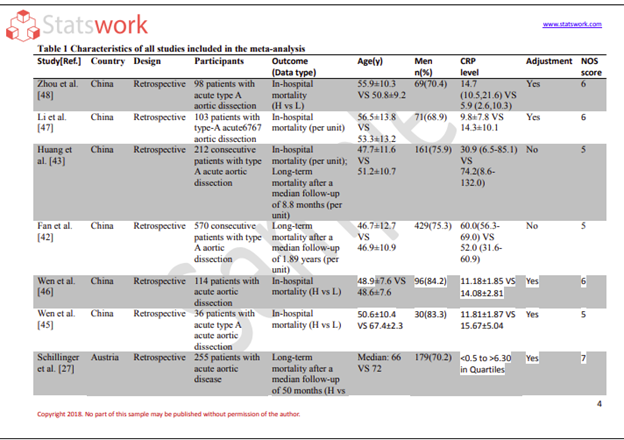
Data Analysis services
- Secondary Qualitative Research Services
- Secondary Quantitative Research Services
- Meta-Analysis Research services
- Sample Work
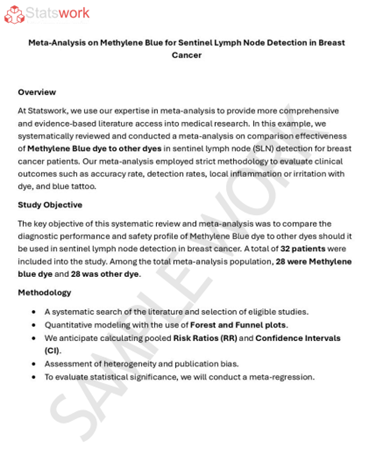
Meta-Analysis Research Services
- Data Collection Services
- Sample Work
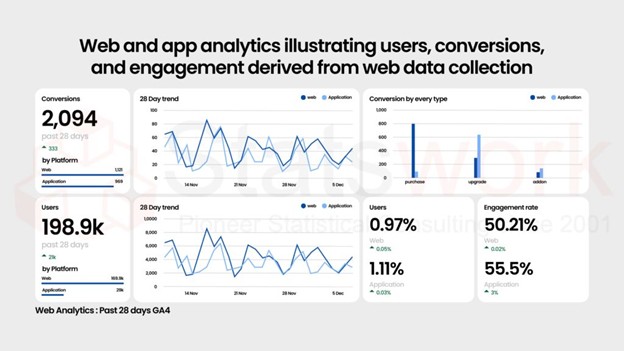
Data Collection Services
- Statistical & Biostatistics services
- Sample Work
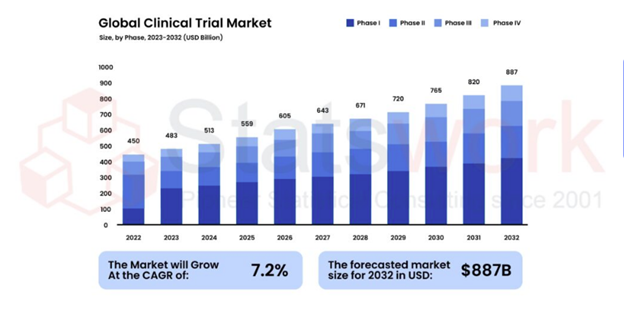
Statistical Programming & Biostatistics services
- Data Management Services
- Sample Work
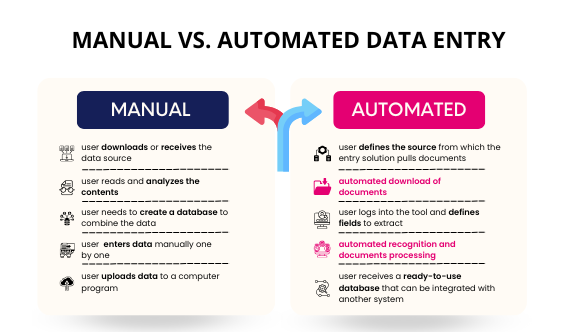
Data Management Services
- Research methodology services
- Sample Work
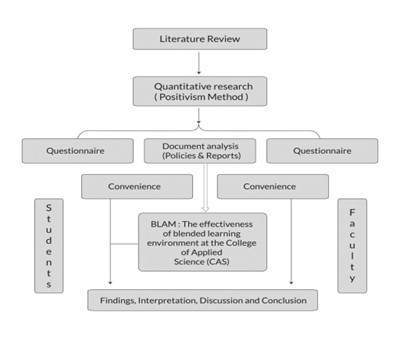
Research methodology services
- Tool Development Services
- Sample Work
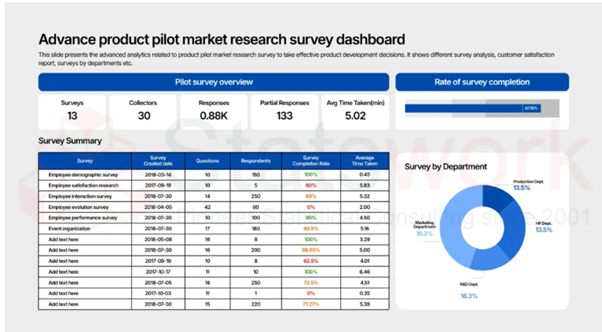
Tool development services
- Statistical Interpretation services
-
Statistical Interpretation services
- Sample Work
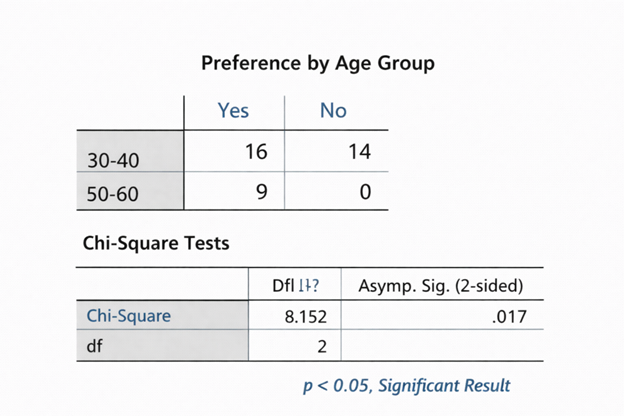
Statistical Interpretation services
-
- Sample Size Calculation Services
-
Sample Size Calculation Services
- Sample Work
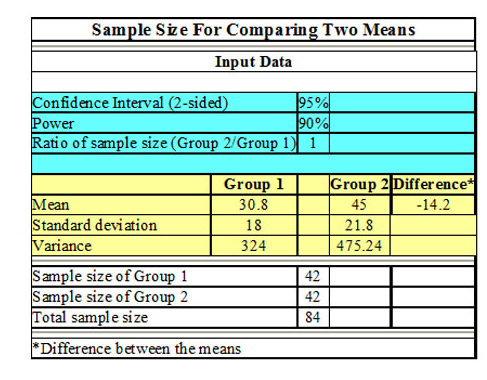
Sample Size Calculation Services
-
- AI & ML Services
-
Artificial Intelligence and Machine Learning Services
- Sample Work
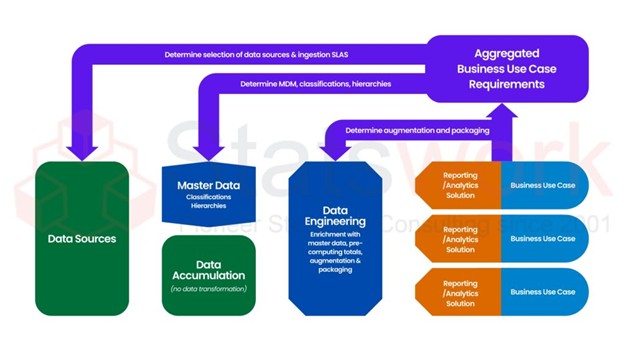
Artificial Intelligence and Machine Learning Services
-
- Meaningful Visualization Services
- Thought Leadership Services
- Report Generation Services
-
Report generation Service
- Sample Work
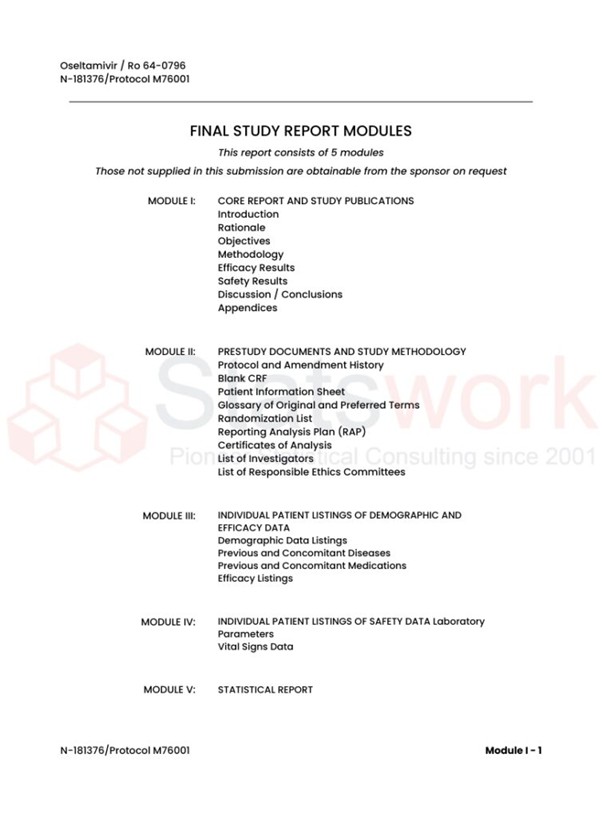
Report generation Services
-
- Data Analysis services
- Industries
- About Us
- Blog
- Insights
- Contact Us
- Services
- Data Analysis services
- Sample Work
Data Analysis services
- Secondary Qualitative Research Services
- Secondary Quantitative Research Services
- Meta-Analysis Research services
- Sample Work
Meta-Analysis Research Services
- Data Collection Services
- Sample Work
Data Collection Services
- Statistical & Biostatistics services
- Sample Work
Statistical Programming & Biostatistics services
- Data Management Services
- Sample Work
Data Management Services
- Research methodology services
- Sample Work
Research methodology services
- Tool Development Services
- Sample Work
Tool development services
- Statistical Interpretation services
-
Statistical Interpretation services
- Sample Work
Statistical Interpretation services
-
- Sample Size Calculation Services
-
Sample Size Calculation Services
- Sample Work
Sample Size Calculation Services
-
- AI & ML Services
-
Artificial Intelligence and Machine Learning Services
- Sample Work
Artificial Intelligence and Machine Learning Services
-
- Meaningful Visualization Services
- Thought Leadership Services
- Report Generation Services
-
Report generation Service
- Sample Work
Report generation Services
-
- Data Analysis services
- Industries
- About Us
- Blog
- Insights
- Contact Us
Common Challenges in Meta Analysis Research and How to Solve Them
Meta Analysis Service
- Study Selection and Risk of Bias Challenges in Meta-Analysis
- Heterogeneity in Meta-Analysis Studies
- Publication Bias in Systematic Reviews and Meta-Analysis
- Data Extraction and Data Quality Issues in Meta-Analysis
- Statistical Methods and Effect Size Calculation Challenges
- Common Difficulties in Healthcare Meta-Analysis Research
- Practical Strategies to Overcome Meta-Analysis Research Challenges
- Conclusion
Recommended Reads
Contact us
Introduction to Meta-Analysis Research and Its Importance
Meta-analysis studies involve combining the results of several studies to form more accurate conclusions and are commonly used in systematic reviews and healthcare studies. But meta-analysis researchers are often faced with meta-analysis challenges such as heterogeneity, publication bias, data extraction problems, and statistical technique issues [1]. Knowing the meta-analysis challenges helps meta-analysis researchers find ways to solve meta-analysis challenges and learn how to deal with meta-analysis research problems.
Study Selection and Risk of Bias Challenges in Meta-Analysis
| Challenge | Description | Solution |
| Inconsistent Study Selection | Variability of study design and population selected for the study might influence the results of the meta-analysis. | Establishing appropriate selection criteria. |
| Limited Relevant Studies | Lack of sufficient studies might weaken the results of the study. | Using more databases to search for literature. |
| Risk of Bias in Studies | Poor quality of research might influence the results of the study [2]. | Using tools to test for bias. |
| Publication Bias | Published studies are more likely to show positive outcomes. | Using unpublished literature. |
Heterogeneity in Meta-Analysis Studies
- Heterogeneity in meta-analysis is the differences in the results of the studies included in a meta-analysis. It is one of the common meta-analysis problems in healthcare research.
- It arises because of variations in the study design, population, sample size, interventions, or outcome measurement, resulting in common meta-analysis problems in healthcare research [3].
- The heterogeneity of studies is measured by researchers using statistical techniques such as Cochran’s Q test and I² statistics.
- To solve the meta-analysis problem in healthcare research, the researcher applies appropriate statistical techniques, subgroup analysis, and sensitivity analysis as effective solutions to meta-analysis problems.
Publication Bias in Systematic Reviews and Meta-Analysis
Publication bias refers to studies that have positive or significant findings, which are more likely to be published than studies that have negative findings. This is a major problem in metal analysis, as the studies used for the analysis might not be the total available information.
Understanding publication bias in meta-analysis research is crucial to ensure that conclusions drawn are not misleading, as it helps in making reliable research findings in the field of healthcare [4].
- Selective Publication of Results – Studies that have positive findings are more likely to be published, which is a major problem in meta-analysis research.
- Incomplete Evidence in Research – This leads to major research problems, as studies might not have included all available information, which is a major problem in meta-analysis research.
- Detection of Publication Bias – Researchers make use of tools such as funnel plots to detect publication bias in studies.
- Solutions to Meta-Analysis Challenges – The inclusion of grey literature, multiple databases, and unpublished studies helps in reducing publication bias, which makes the research reliable.
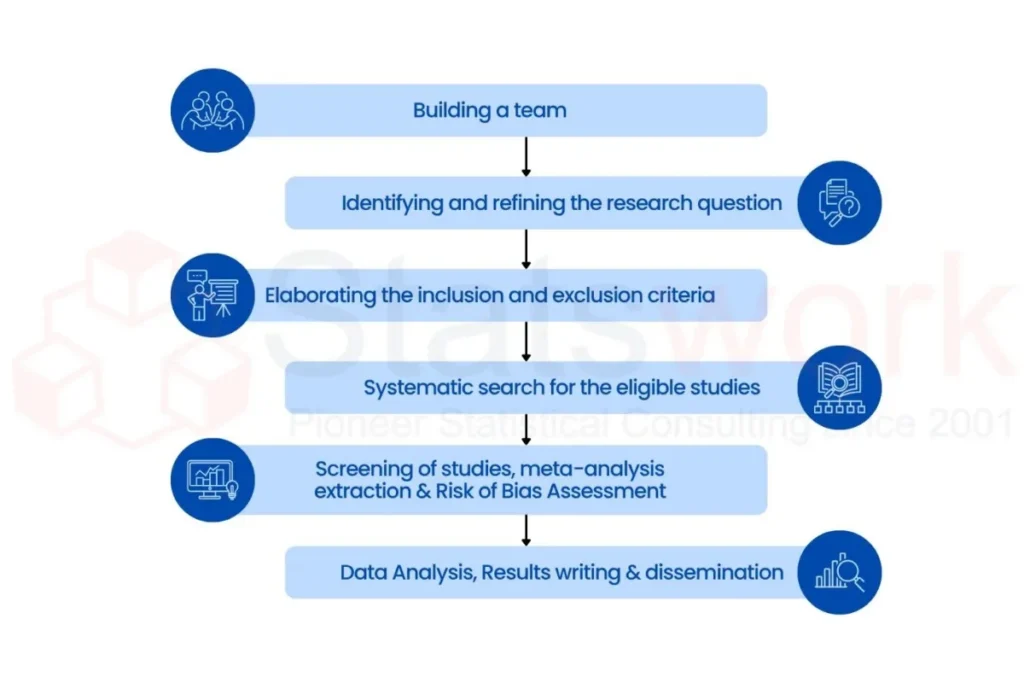
Figure 1: Workflow of a Systematic Review and Meta-Analysis Process
Data Extraction and Data Quality Issues in Meta-Analysis
| Problem | Description | Solution |
| Errors in Data Extraction | Miscalculations during the process of extracting data from studies influence meta-analysis. | Standardized forms for data extraction should be used. |
| Incomplete Data | Missing data poses a problem in research for meta-analysis. | Multiple sources or authors can be contacted [5]. |
| Low Data Quality | Poor studies make meta-analysis less reliable. | Quality and risk of bias assessment should be done. |
Statistical Methods and Effect Size Calculation Challenges
- Choosing Appropriate Statistical Methods – Inappropriate statistical models may pose problems in meta-analysis research.
- Effect Size Calculation Issues – Variations in the results of different studies make it difficult to calculate the effect size in the research done in meta-analysis.
- Variability in Study Results – Variability in the results of different studies may pose problems in the statistical analysis of the research done in meta-analysis.
- Solutions to Meta-Analysis Challenges – By using suitable statistical models like fixed-effect or random-effects models, along with suitable statistical tools, it is easy to overcome the problems in the research done in meta-analysis [3].
Common Difficulties in Healthcare Meta-Analysis Research
Heterogeneity of Studies – Differences between the patients, treatments, or outcomes of various studies make it difficult to analyze the data by creating various meta-analysis problems.
Example of heterogeneity of studies: Studies on diabetes with different dosages of drugs.
Publication Bias – Studies with positive outcomes are more likely to be published, which creates various problems in meta-analysis research [4].
Example of publication bias: Studies on drugs with positive outcomes are published, while negative outcomes are not published.
Data Extraction Problems – Studies with different data formats make it difficult to analyze the data, creating various meta-analysis problems.
Example of data extraction problems: One study has mean values, and another study has percentages.
Risk of Bias and Study Quality – Poor-quality studies can lead to poor outcomes of meta-analysis research.
Example of poor-quality studies: Studies with small sample sizes and no control group.
Practical Strategies to Overcome Meta-Analysis Research Challenges
- Specific Criteria for Study Selection – Establish proper criteria for inclusion and exclusion to minimize difficulties in meta-analysis.
- Standardized Data Extraction – Employ forms to prevent errors in data extraction in meta-analysis studies.
- Risk of Bias Evaluation – Assess the quality of studies to minimize difficulties in meta-analysis research [5].
- Employ Proper Statistical Analysis – Utilize proper models to handle heterogeneity in meta-analysis studies.
- Minimize Publication Bias – Conduct systematic reviews using grey literature and multiple databases to prevent publication bias.
Conclusion
Carrying out a meta-analysis can prove to be a highly efficient way to synthesize research findings, especially in the field of healthcare research. There can be various challenges in carrying out a meta-analysis. Some of the challenges that may come in the way of a successful meta-analysis can include heterogeneity, publication bias, problems in data extraction, and complexities in statistical methods. It can prove to be highly beneficial to have knowledge about the different issues that come in the way of a successful meta-analysis in the field of healthcare research [4].
By using proper techniques in the selection of studies and in the extraction of data, it can prove to be highly beneficial for the researcher to have knowledge about the different solutions to the challenges that come in the way of a successful meta-analysis.
For researchers who want to have expert advice in handling complex meta-analysis research, Statswork offers professional meta-analysis services.
References:
- Esterhuizen, T. M., & Thabane, L. (2016). Con: meta-analysis: some key limitations and potential solutions. Nephrology Dialysis Transplantation, 31(6), 882-885. https://academic.oup.com/ndt/article/31/6
- Smith, G. D., & Egger, M. (1998). Meta-analysis: unresolved issues and future developments. Bmj, 316(7126), 221-225. https://www.bmj.com/content/316/7126/2
- Oswald, F. L., & Plonsky, L. (2010). Meta-analysis in second language research: Choices and challenges. Annual Review of Applied Linguistics, 30, 85-110. https://www.cambridge.org/core/journals/annual-review-of-applied-linguistics/article/abs/metaanalysis-in-second-language-research-choices-and-challenges/C602E719CFA34B2BC426B6
- Spector, T. D., & Thompson, S. G. (1991). The potential and limitations of meta-analysis. Journal of Epidemiology and Community Health, 45(2), 89. https://pmc.ncbi.nlm.nih.gov/articles/PMC
- Cheung, M. W. L., & Vijayakumar, R. (2016). A guide to conducting a meta-analysis. Neuropsychology review, 26(2), 121-128. https://link.springer.com/article/10.1007/s