



Statistical synthesis and meta-analysis to derive reliable insights

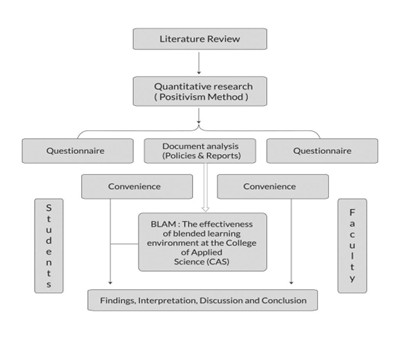
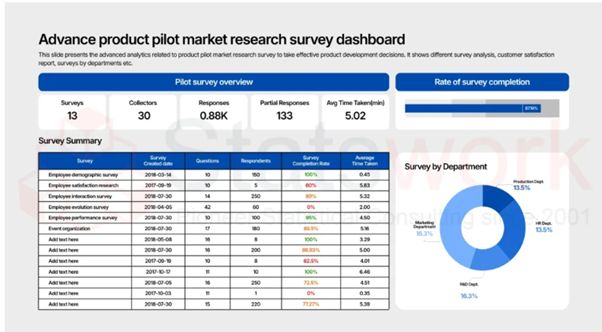
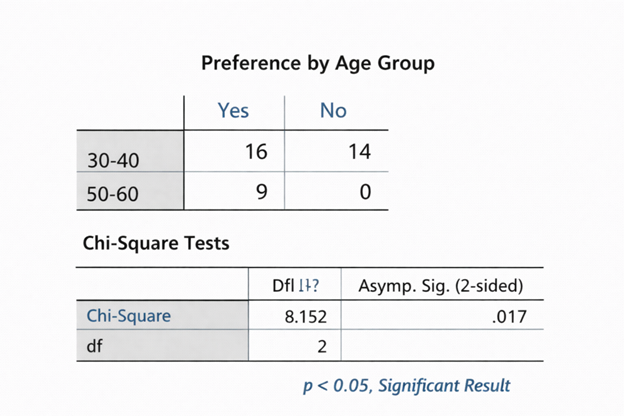
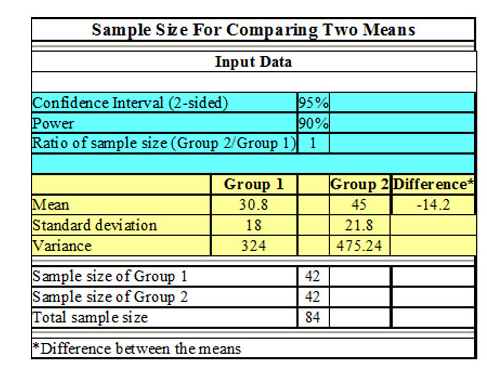
We provide a full-service statistical synopsis and meta-analysis service. We use multiple source data (i.e. across your organization) and Statistical Programming and biostatistics service methods to create a composite summary of the data to generate a validated, evidence-based conclusion.

Data-Driven Statistical Synthesis and Meta-Analysis for Robust Research Outcomes

Conducting a proper statistical synthesis to obtain credible results using meta-analysis is a challenging and lengthy process requiring the collection of many relevant studies, extracting data from those studies, applying advanced statistical methodologies to properly analyze the data, synthesizing results and conclusions, and interpreting results to draw useful conclusions. By employing the most scientifically sophisticated methodology available, you will have high-quality results that can be reproduced. We can provide you with data-driven conclusions for any of the research areas related to clinical trials, interventions in healthcare, and public health policies.

Data-Driven Statistical Synthesis and Meta-Analysis for Robust Research Outcomes

With a commitment to using sound and ethical methods to ensure that all aspects of the synthesis and Meta Analysis and systematic review, reliable, and easy to understand, you will gain superior insight into the implications of your research findings and develop a deeper understanding of the data that support your clinical or health policy decisions.

What a Statistical Synthesis & Meta-Analysis Drive ROI with Statswork
Improved Accuracy and Decision-Making

Improved Accuracy and Decision-Making

Statswork merges data from multiple studies, supportive of the resulting conclusions will be derived based on evidence; therefore, the resulting conclusions will provide confidence in making decisions regarding clinical research or public policy.

Strengthened Research Quality

Strengthened Research Quality

Statswork employs advanced statistical methods to generate reliable, unbiased results, thereby enhancing the quality of research and increasing the overall validity of the study.

Clear, Transparent, and Reliable Insights

Clear, Transparent, and Reliable Insights

meta-analysis produce a clear, transparent, reproducible method of providing actionable, reliable information to stakeholder, thereby maximizing the return on investment for research and assisting stakeholders in planning future projects.

How we help:

Our Industry

At Statswork, we assist Healthcare, Pharmaceutical and Research Organizations with providing expert-level Statistical Synthesis and Meta-Analysis services that enable the combination of multiple data sets from multiple organizations assuring that the result provides the best opportunity for making Evidence-Based Decisions, thus providing Better Health Outcomes.

What You Can Gain from Using Statistical Synthesis & Meta-Analysis

Integrating a Lot of Evidence “All in One Place”: Statistical syntheses or meta-analyses take data from multiple studies and use that data to build a better overall understanding of the evidence backing clinical and policy recommendations through an increased strength and reliability in the science supporting those recommendations.

Increased Confidence in Research: Using a very rigorous statistical system, we employ methods and techniques that minimize bias in the analysis of your data and provide greater integrity. As such, we improve clarity in our research results and provide you with more accurate and reliable findings.

Transforming Your Data into Takeaways: We compile the different pieces of research that exist within a particular area of interest and look for trends, gaps, and other significant, key information to identify where you can act on the evidence and have the best result in terms of health outcomes and research impacts.

What You Can Gain from Using Statistical Synthesis & Meta-Analysis
Statistical Synthesis and Meta-Analysis as Evidence-Based Research
Requirements Gathering and Project Scoping icon Expert Interviews icon Complex Analysis icon Strategic Outputs icon

1. We Will Integrate Data from Multiple Studies Using Advanced Statistical Techniques

To enable researchers to conduct statistically valid, trustworthy research, we will integrate data from multiple studies using advanced statistical techniques.

Integrating data from multiple studies using advanced statistical techniques

2. Confident Estimates for Their Results

We conduct meta-analyses that allow researchers to calculate their effect sizes and produce confident effect size estimates based on pooled data

Confident estimates for research results

3. Clear, Actionable, and Publication-Ready Reporting

In addition to providing statistical findings in clearly defined formats, we provide tools to assist healthcare providers and policymakers with their data-based decision-making processes.

Clear actionable and publication ready reporting illustration

4. Identify Trends and Research Gaps

We help researchers and policymakers identify trends in their research and areas where research is lacking. Through this process, we provide recommendations for future research to further strengthen the evidence base for evidence-based decision making.


Identify trends and research gaps illustration
Success Stories

FAQs for Statistical Synthesis and Meta-Analysis

1. What is statistical synthesis and meta-analysis?

Statistical synthesis involves combining data from multiple studies to create a comprehensive conclusion. Meta-analysis is a specific statistical technique used to quantitatively combine study results to estimate effect sizes and relationships. It helps improve the precision and reliability of research findings by analyzing pooled data.

2. How does meta-analysis improve research accuracy?

Meta-analysis synthesizes data from multiple studies, increasing the sample size and statistical power. It helps identify consistent patterns or effects across studies, enhancing the reliability of the conclusions. By reducing random errors, it provides more precise and generalizable results.

3. What types of studies can be included in meta-analysis?

Clinical trials, observational studies, cohort studies, and randomized controlled trials (RCTs) can be included in meta-analysis. Both qualitative and quantitative studies may be used depending on the research question. Only studies that meet specific inclusion criteria, such as methodology and sample size, are selected.

4. How do you ensure the quality of studies in meta-analysis?

We assess study quality using recognized tools like GRADE and Cochrane Risk of Bias. We evaluate methodological rigor, sample size, statistical power, and risk of bias. Only high-quality studies are included in the synthesis to ensure reliable conclusions.

5. What are the key benefits of conducting a meta-analysis?

Meta-analysis increases statistical power, allowing detection of small effects that individual studies may miss. It also provides clarity and precision in estimating effect sizes and relationships between variables.

6. What is included in the meta-analysis report?

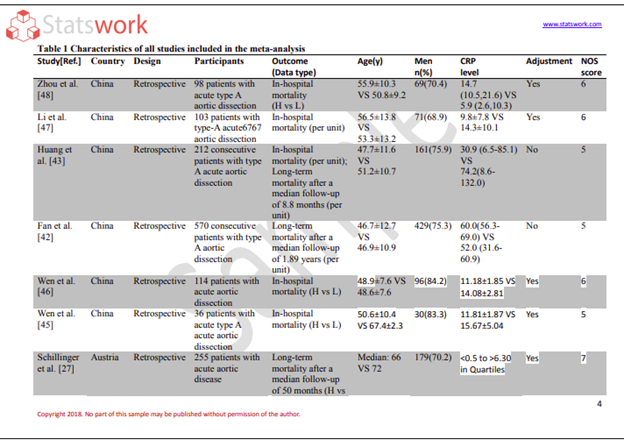
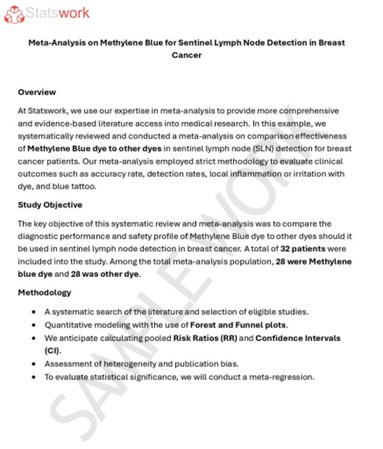
The meta-analysis report includes clear statistical findings with effect sizes, confidence intervals, and significance levels. It also contains visual summaries such as forest plots and tables to illustrate the combined results, along with actionable insights and recommendations for healthcare decisions, policies, or further research.

Insights - Must Read Articles
Data Abstraction | Article
Data abstraction is essential for Database Management Systems (DBMS).
Data Collection | Article
Recognizing the differences between qualitative and quantitative data is vital…
Data Entry | Article
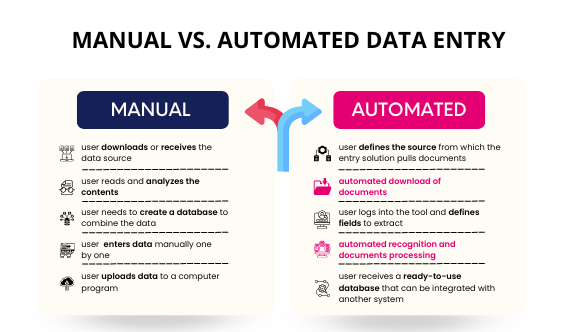
In 2025, organizations are standing at a crossroads between manual data entry…

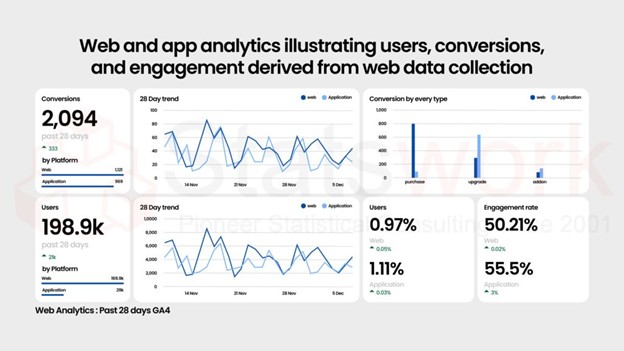
Begin dealing with the shopping behaviour data to convert more shoppers to buyers and personalize the buyer journey today!