
- Services
- Data Analysis services
- Sample Work
Data Analysis services
- Secondary Qualitative Research Services
- Secondary Quantitative Research Services
- Meta-Analysis Research services
- Sample Work
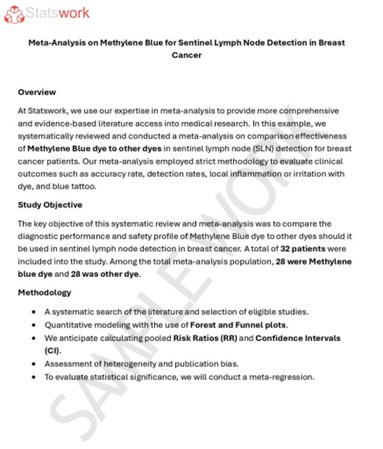
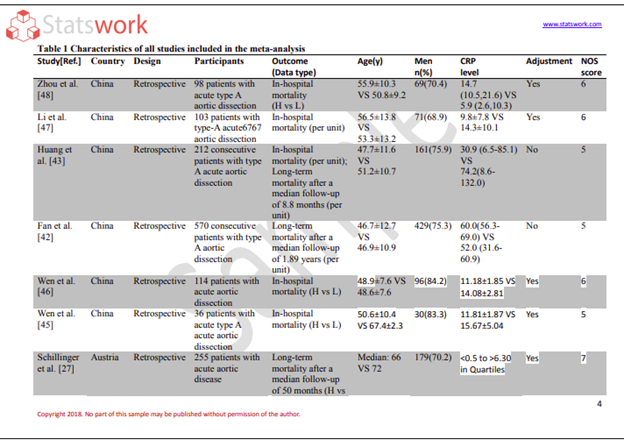
Meta-Analysis Research Services
- Data Collection Services
- Sample Work
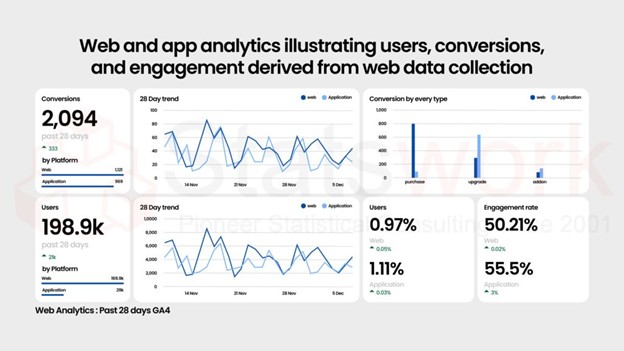
Data Collection Services
- Statistical & Biostatistics services
- Sample Work
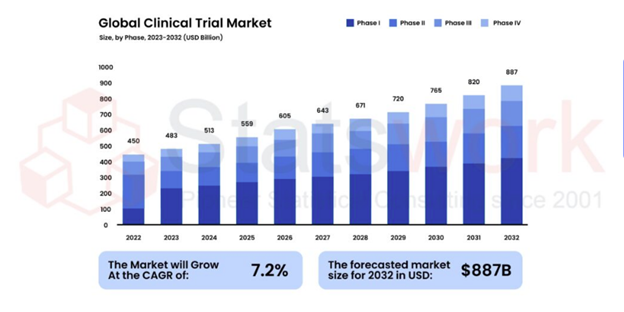
Statistical Programming & Biostatistics services
- Data Management Services
- Sample Work
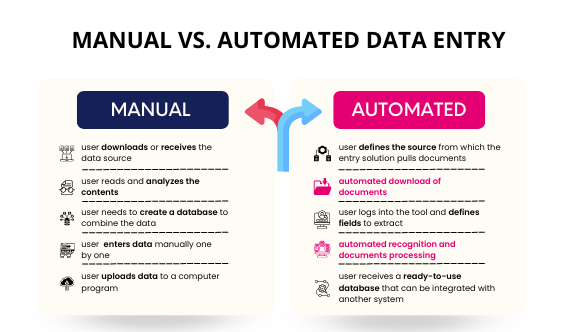
Data Management Services
- Research methodology services
- Sample Work
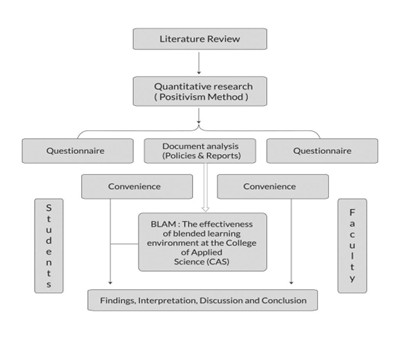
Research methodology services
- Tool Development Services
- Sample Work
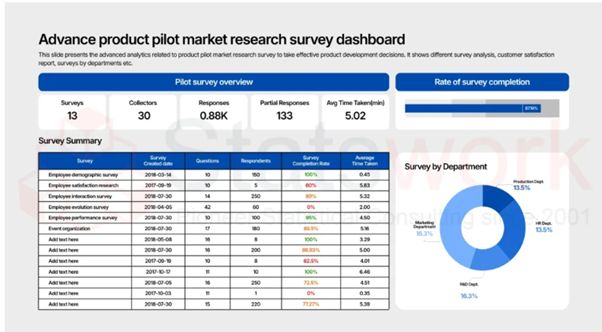
Tool development services
- Statistical Interpretation services
-
Statistical Interpretation services
- Sample Work
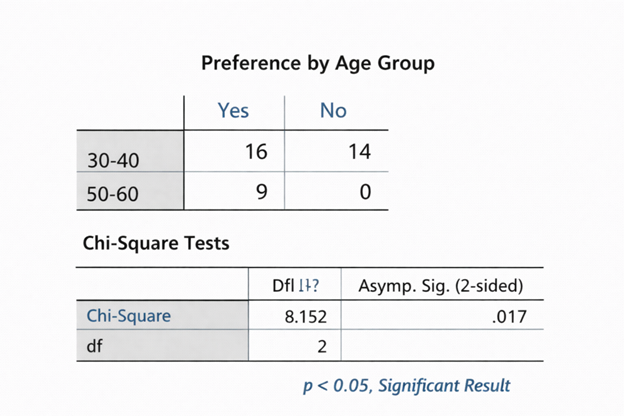
Statistical Interpretation services
-
- Sample Size Calculation Services
-
Sample Size Calculation Services
- Sample Work
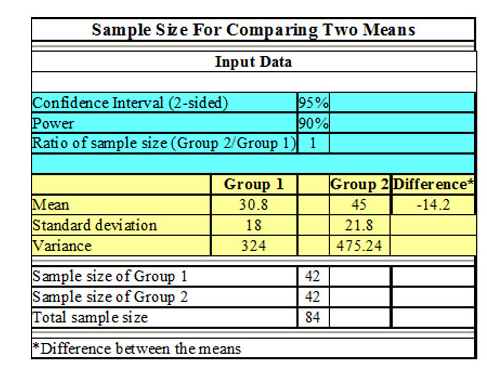
Sample Size Calculation Services
-
- AI & ML Services
-
Artificial Intelligence and Machine Learning Services
- Sample Work
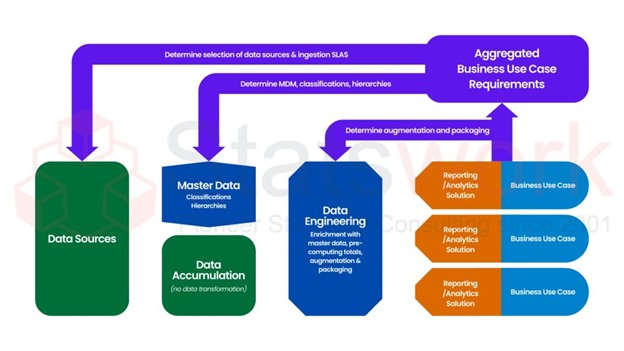
Artificial Intelligence and Machine Learning Services
-
- Meaningful Visualization Services
- Thought Leadership Services
- Report Generation Services
-
Report generation Service
- Sample Work
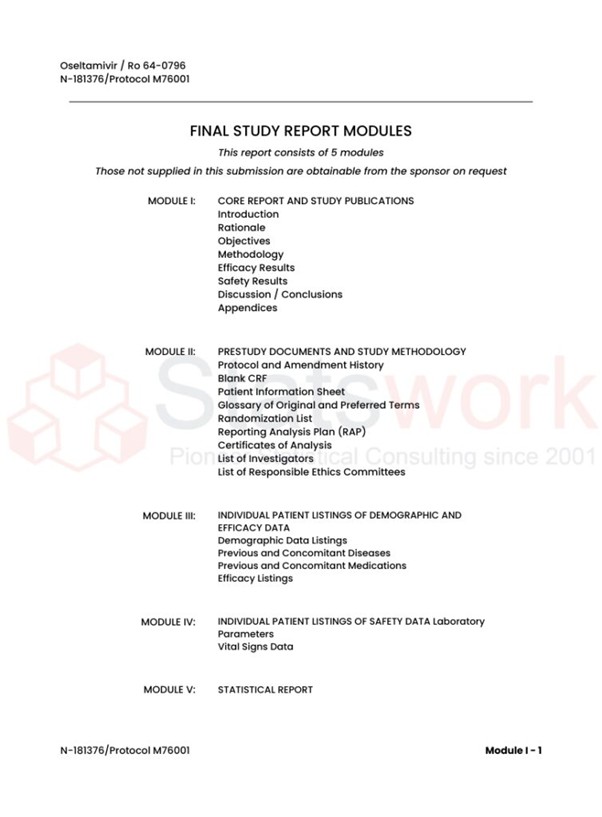
Report generation Services
-
- Data Analysis services
- Industries
- About Us
- Blog
- Insights
- Contact Us
- Services
- Data Analysis services
- Sample Work
Data Analysis services
- Secondary Qualitative Research Services
- Secondary Quantitative Research Services
- Meta-Analysis Research services
- Sample Work
Meta-Analysis Research Services
- Data Collection Services
- Sample Work
Data Collection Services
- Statistical & Biostatistics services
- Sample Work
Statistical Programming & Biostatistics services
- Data Management Services
- Sample Work
Data Management Services
- Research methodology services
- Sample Work
Research methodology services
- Tool Development Services
- Sample Work
Tool development services
- Statistical Interpretation services
-
Statistical Interpretation services
- Sample Work
Statistical Interpretation services
-
- Sample Size Calculation Services
-
Sample Size Calculation Services
- Sample Work
Sample Size Calculation Services
-
- AI & ML Services
-
Artificial Intelligence and Machine Learning Services
- Sample Work
Artificial Intelligence and Machine Learning Services
-
- Meaningful Visualization Services
- Thought Leadership Services
- Report Generation Services
-
Report generation Service
- Sample Work
Report generation Services
-
- Data Analysis services
- Industries
- About Us
- Blog
- Insights
- Contact Us
Meta-Analysis for Market Research: Step-by-Step Guide
Qualitative Research Service
- Why Meta-Analysis Matters for Modern Market Research
- When Should You Use Meta-Analysis for Research Comparison?
- How to Define Clear Objectives Before Starting Meta-Analysis
- How to Collect and Combine Research Study Results Effectively
- How to Apply Statistical Integration Techniques and Pooled Analysis
- How to Interpret Effect Size and Generate Actionable Insights
- What Should Be Your Next Step After Conducting Meta-Analysis?
News & Trends
Recommended Reads
Contact us
Introduction to Meta-Analysis in Market Research
Meta-Analysis is a technique used to combine and analyze the results of various studies to obtain authentic insights. In Meta-Analysis in Market Research, companies employ sophisticated research synthesis techniques and systematic review methods techniques to combine the results of research studies and make authentic research comparisons [1].
By using statistical analysis, determining effect size, and performing combined analysis through statistical integration techniques, companies can easily determine market trends and make informed decisions. This meta-analysis step-by-step guide will help you perform meta-analysis for market research to convert various research findings into authentic insights.
Why Meta-Analysis Matters for Modern Market Research
Meta-Analysis assists businesses in making correct decisions by applying Meta-Analysis in Market Research.
- Use advanced research synthesis techniques for combining research study results and enhancing the reliability of research data.
- Uses systematic review techniques and statistical review to ensure correct research comparison across research studies.
- Calculates effect size and performs pooled analysis by applying statistical integration techniques.
- Describes how to perform meta-analysis for market research to remove bias and make better decisions [2]
- This meta-analysis tutorial assists businesses in converting various research findings into correct market decisions.
When Should You Use Meta-Analysis for Research Comparison?
| Situation | Why Use Meta-Analysis |
| There are several studies on the same subject. | Assists in the combination of research study results using Meta-Analysis in Market Research |
| There are conflicting findings of research. | Assists in the proper comparison of research by statistical analysis |
| There are large amounts of market data. | Assists in the analysis of research insights by synthesis techniques |
| There is a need for reliable business decisions. | Assists in the analysis of effect size and pooled analysis for accurate results [ 3] |
| Strategic planning and forecasting. | Assists in statistical integration techniques for data-driven decisions |
How to Define Clear Objectives Before Starting Meta-Analysis
Before starting Meta-Analysis in Market Research, it is necessary to define clear and precise objectives. This is because clear objectives help in comparing research accurately and deriving proper results.
- Identify the main business issue your Meta-Analysis is intended to solve.
- Formulate research questions in a systematic manner through research synthesis.
- Identify key metrics such as effect size to measure impact.
- Formulate criteria for including research study results in a systematic review.
- Describe the procedure for statistical review and choose statistical integration procedures [4].
Link your objectives with the overall meta-analysis step-by-step guide to learn how to perform meta-analysis for market research.
How to Collect and Combine Research Study Results Effectively
| Step 1 | Identify relevant studies using research synthesis techniques | Ensure that your Meta-Analyses in Market Research are based on quality data |
| Step 2 | Filter relevant and reliable studies using systematic review techniques | Select studies that can be trusted and relevant to your subject |
| Step 3 | Extract and organize data | Prepare all research study results in preparation for combination |
| Step 4 | Standardizing metrics across studies | Ensure that research can be accurately compared and statistically reviewed |
| Step 5 | Calculate effect size | Quantify how strong each finding was |
| Step 6 | Conduct pooled analysis | Combine all results together to form one conclusion |
| Step 7 | Use statistical integration techniques | Improve the overall analysis’ accuracy |
| Step 8 | Follow a step-by-step guide to meta-analysis | Understand how to perform meta-analysis effectively in Market Research |
How to Apply Statistical Integration Techniques and Pooled Analysis
The application of statistical integration techniques and pooled analysis in Meta-Analysis in Market Research assists in the combination of various studies to produce valid insights and accurate research comparison.
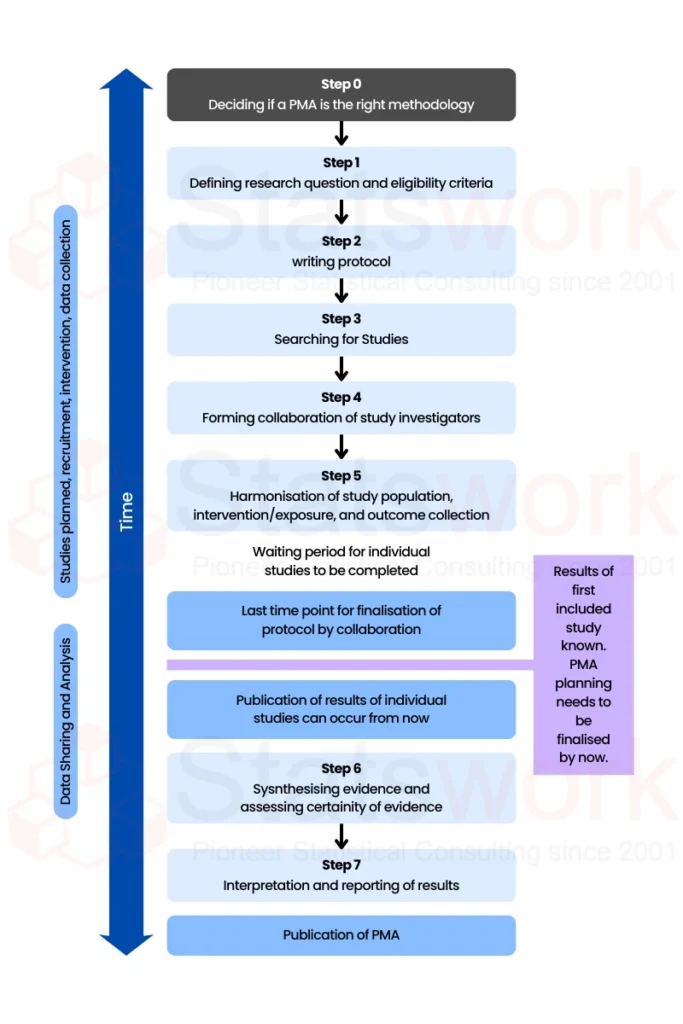
Fig 1: Meta-Analysis Step-by-Step Process for Market Research
How to Interpret Effect Size and Generate Actionable Insights
Effect size interpretation is important to gauge the magnitude and effect of Meta-Analysis results.
- Utilize Meta-Analysis in Market Research to compare the effect size of various studies.
- Conduct research comparisons to analyze patterns, trends, and variations.
- Utilize statistical analysis to validate the accuracy and validity of the results.
- Utilize pooled analysis and statistical integration to interpret the results.
- Utilize the insights derived from the combination of research study results to inform business decisions [5]
- Utilize a meta-analysis step-by-step guide to learn how to perform meta-analysis for market research effectively.
- Translate insights into strategies using appropriate research synthesis techniques.
What Should Be Your Next Step After Conducting Meta-Analysis?
After performing your Meta-Analysis, the next step is to apply the findings to strategic action. In Meta-Analysis in Market Research, the findings of combining research study results should inform business decisions, not just stay in the realm of statistical analysis.
First, examine your effect size, pooled analysis, and overall research comparison to determine the most important trends. Then, perform a final statistical analysis to ensure the validity of your results through proper statistical integration analysis [3].
Second, apply your results to business goals. From insights developed from structured research synthesis and systematic review, inform product development, marketing plans, or market expansion strategies.
Lastly, record your process according to a meta-analysis step-by-step guide. This way, there is no confusion on how to perform meta-analysis for market research in the future and enhances long-term decision-making.
Conclusion:
Meta-Analysis in Market Research is a tool that assists businesses in combining and analyzing the results of multiple studies using research synthesis techniques [4]. By applying the concept of effect size, pooling, and correct research comparison, businesses can combine research study results into an effective strategy using a step-by-step guide.
Reference:
- Shah, A., Jones, M. P., & Holtmann, G. J. (2020). Basics of meta-analysis. Indian Journal of Gastroenterology, 39(5), 503-513.https://link.springer.com/article/10.1007/s12664-020-01107-x
- Crocetti, E. (2016). Systematic reviews with meta-analysis: Why, when, and how?. Emerging Adulthood, 4(1), 3-18.https://journals.sagepub.com/doi/abs/10.1177/2167696815617076
- Eisend, M. (2017). Meta-analysis in advertising research. Journal of Advertising, 46(1), 21-35.https://www.tandfonline.com/doi/abs/10.1080/00913367.2016.1210064
- Bennetts, M., Whalen, E., Ahadieh, S., & Cappelleri, J. C. (2017). An appraisal of meta‐analysis guidelines: how do they relate to safety outcomes?.Research synthesis methods, 8(1), 64-78.https://onlinelibrary.wiley.com/doi/abs/10.1002/jrsm.1219
- Maseeh, H. I., Jebarajakirthy, C., Pentecost, R., Arli, D., Weaven, S., & Ashaduzzaman, M. (2021). Privacy concerns in e‐commerce: A multilevel meta‐Psychology & marketing, 38(10), 1779-1798.https://onlinelibrary.wiley.com/doi/abs/10.1002/mar.21493