
- Services
- Data Analysis services
- Sample Work
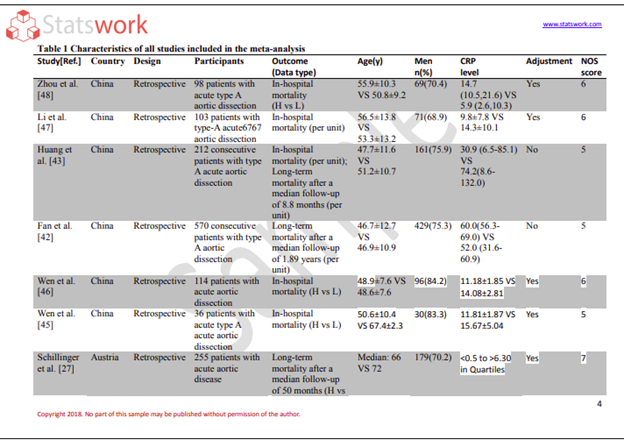
Data Analysis services
- Secondary Qualitative Research Services
- Secondary Quantitative Research Services
- Meta-Analysis Research services
- Sample Work
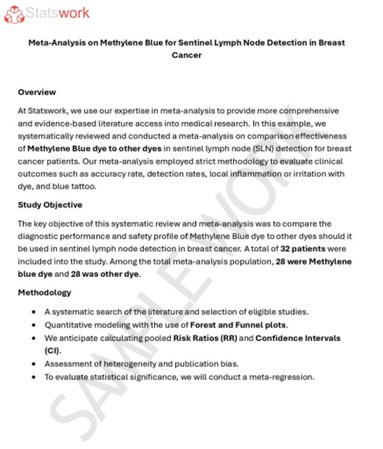
Meta-Analysis Research Services
- Data Collection Services
- Sample Work
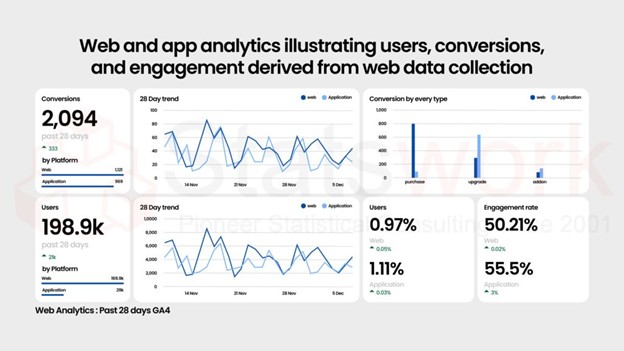
Data Collection Services
- Statistical & Biostatistics services
- Sample Work
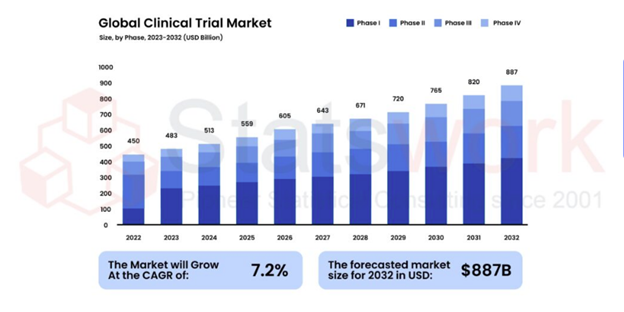
Statistical Programming & Biostatistics services
- Data Management Services
- Sample Work
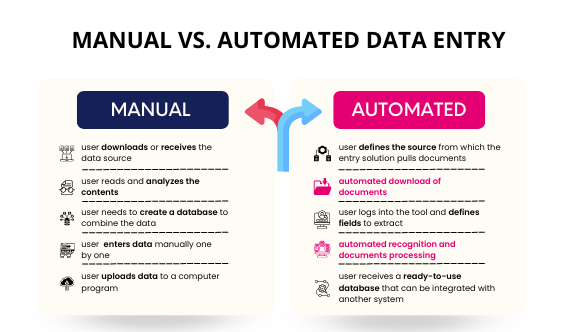
Data Management Services
- Research methodology services
- Sample Work
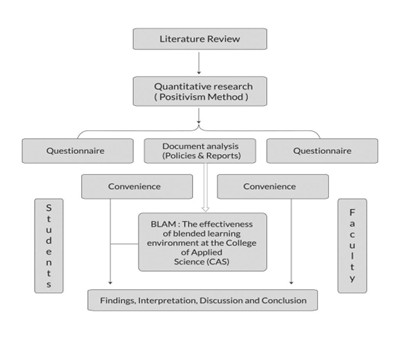
Research methodology services
- Tool Development Services
- Sample Work
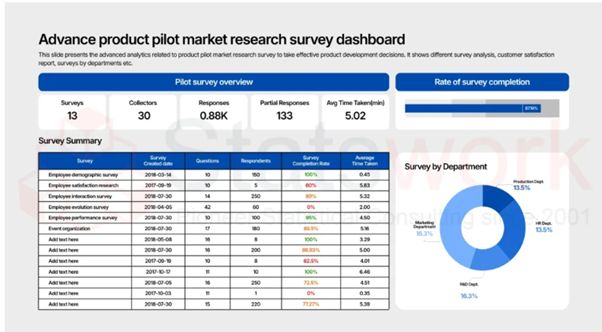
Tool development services
- Statistical Interpretation services
-
Statistical Interpretation services
- Sample Work
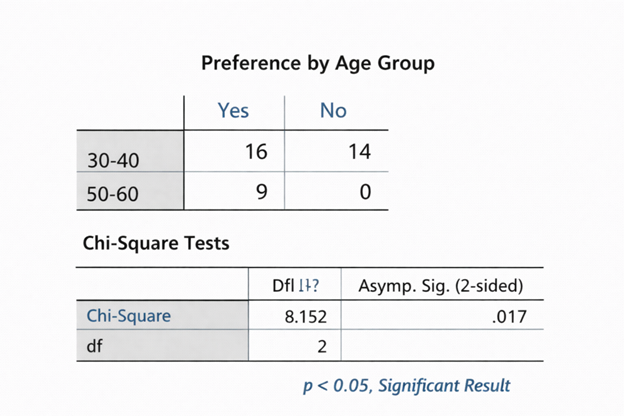
Statistical Interpretation services
-
- Sample Size Calculation Services
-
Sample Size Calculation Services
- Sample Work
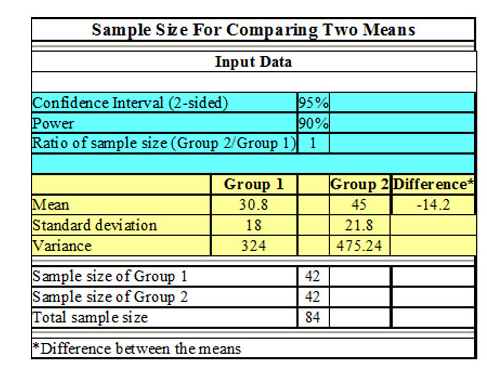
Sample Size Calculation Services
-
- AI & ML Services
-
Artificial Intelligence and Machine Learning Services
- Sample Work
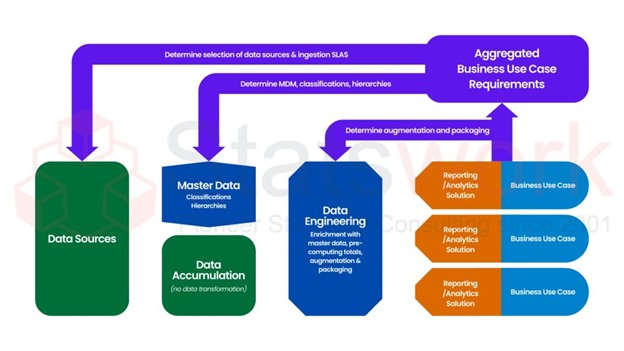
Artificial Intelligence and Machine Learning Services
-
- Meaningful Visualization Services
- Thought Leadership Services
- Report Generation Services
-
Report generation Service
- Sample Work
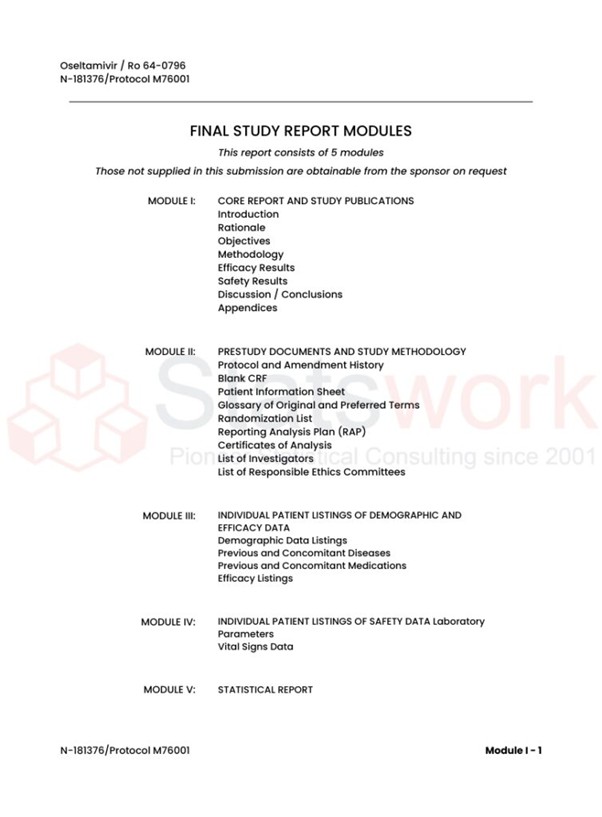
Report generation Services
-
- Data Analysis services
- Industries
- About Us
- Blog
- Insights
- Contact Us
- Services
- Data Analysis services
- Sample Work
Data Analysis services
- Secondary Qualitative Research Services
- Secondary Quantitative Research Services
- Meta-Analysis Research services
- Sample Work
Meta-Analysis Research Services
- Data Collection Services
- Sample Work
Data Collection Services
- Statistical & Biostatistics services
- Sample Work
Statistical Programming & Biostatistics services
- Data Management Services
- Sample Work
Data Management Services
- Research methodology services
- Sample Work
Research methodology services
- Tool Development Services
- Sample Work
Tool development services
- Statistical Interpretation services
-
Statistical Interpretation services
- Sample Work
Statistical Interpretation services
-
- Sample Size Calculation Services
-
Sample Size Calculation Services
- Sample Work
Sample Size Calculation Services
-
- AI & ML Services
-
Artificial Intelligence and Machine Learning Services
- Sample Work
Artificial Intelligence and Machine Learning Services
-
- Meaningful Visualization Services
- Thought Leadership Services
- Report Generation Services
-
Report generation Service
- Sample Work
Report generation Services
-
- Data Analysis services
- Industries
- About Us
- Blog
- Insights
- Contact Us
What Is Meta Analysis Research: A Complete Guide for Healthcare and Social Sciences
Meta Analysis Service
- When and Why, You Should Use Meta-Analysis
- Core Concepts You Must Understand Before Conducting Meta-Analysis
- Step-by-Step Guide: How to Conduct Meta-Analysis Research
- Meta-Analysis Research Methods for Healthcare
- Meta-Analysis Statistical Tools for Social Sciences
- Common Challenges and Practical Solutions in Meta-Analysis Research
- Conclusion: Applying Meta-Analysis Findings for Evidence-Based Decision Making
Recommended Reads
Contact us
Introduction: What Is Meta-Analysis Research and Why It Matters
Meta-analysis is a research technique used to combine the results of several studies to form a more robust conclusion. If you are asking what meta-analysis is, it is a process of analyzing aggregated data, calculating the effect size, and using statistical integration after a systematic review [1].
Meta-analysis research is commonly applied in the medical field and social sciences. Meta-analysis research techniques in the medical field assess treatments and outcomes, whereas meta-analysis statistical software in social sciences informs policy and behavioral research. Knowledge of meta-analysis research demonstrates how meta-analysis enhances research by enhancing accuracy, reliability, and evidence-based decision-making.
When and Why, You Should Use Meta-Analysis
When to Use Meta-Analysis
- When there are several studies that can be related to the same research question and you want to get a collective conclusion.
- After performing a systematic review to combine the results quantitatively.
- When there are individual studies that have yielded different results.
- When you want to determine an overall effect size based on a collective data set.
- When research in the healthcare or social science field demands more robust statistical proof [2].
- When you are using meta-analysis research techniques for the healthcare field to analyze treatments, interventions, or outcomes.
- When you are using meta-analysis statistical software for the social sciences to analyze behavioral, educational, or policy-related studies.
Why You Should Use Meta-Analysis
- To comprehend what meta-analysis research entails, it is necessary to understand that meta-analysis research essentially involves evidence integration for better conclusions.
- To enhance the accuracy of research using statistical integration.
- To minimize bias and maximize statistical power.
- To offer evidence support for decision-making.
- To acquire knowledge on how to perform meta-analysis research for accurate results.
- To effectively illustrate how meta-analysis enhances research by improving validity and consistency [3].
Core Concepts You Must Understand Before Conducting Meta-Analysis
| Term | Definition |
| Meta-Analysis | Statistical combining of findings from many research studies |
| Meta-Analysis Research | Quantitative combining of findings from multiple research studies after a systematic review of the literature |
| Systematic Review | Structured process for selecting relevant published research |
| Pooled Data | Combined data from different studies |
| Effect Size | Item measuring strength of study findings across studies |
| Statistical Synthesis | Combining mathematically of findings to illustrate how meta-analysis improves scientific research |
| Meta-Analysis Research Healthcare Methods | Assessing the effectiveness of treatment options and clinical evidence [4] |
| Meta-Analysis Statistical Tools for Social Science | Statistical models and analytical tools to be used in the analysis of social science data |
| Steps in Conducting Meta-Analysis Research | Includes conducting a systematic review of studies, extracting relevant data from each study into a “Master File” and calculating effect sizes across studies. |
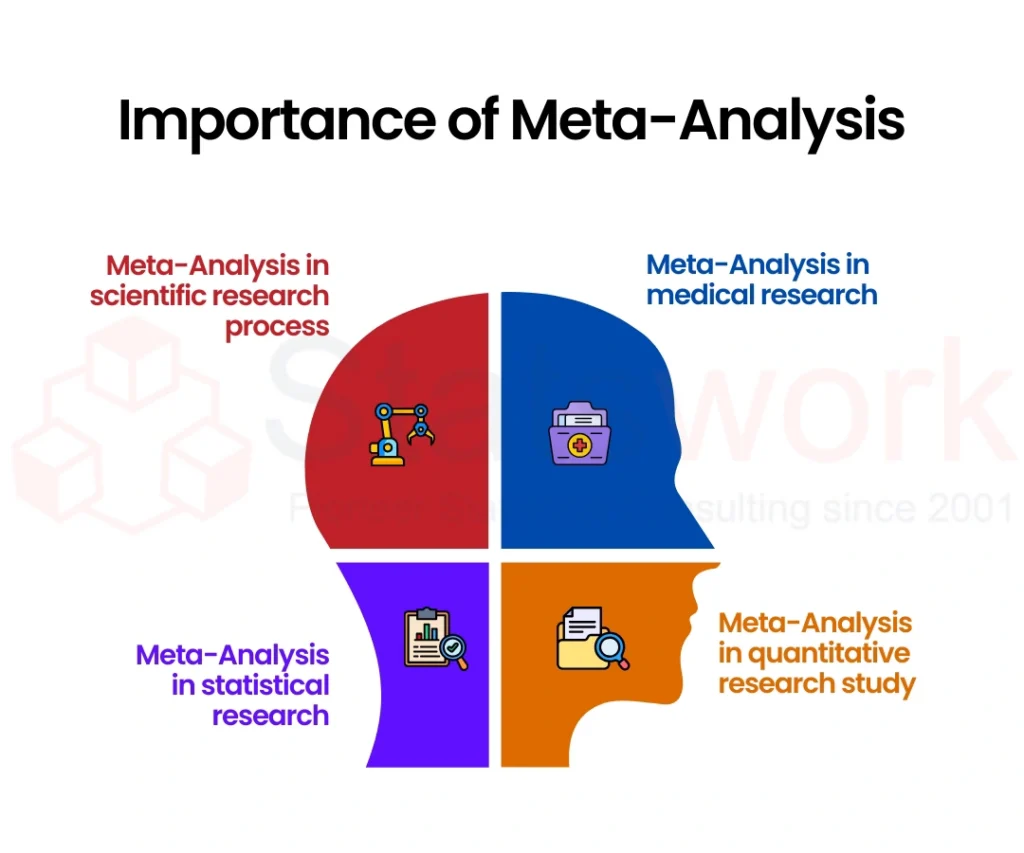
Figure 1: Importance of Meta-Analysis in Medical Research
Step-by-Step Guide: How to Conduct Meta-Analysis Research
Step 1 – Define Your Research Question:
Before starting your meta-analysis research project, ensure that it applies to your research question in either healthcare or the social sciences.
Step 2 – Conduct a Systematic Review:
Perform your research of literature in a methodical way using a systematic method to identify relevant studies for use in a meta-analysis.
Step 3 – Determine Inclusion Criteria:
Create criteria to select the best studies for data collection from your end-point analysis of the studies included in your meta-analysis.
Step 4 – Extract Data:
Collect the essential statistical values needed for data extraction (The values you collect in this step will be your meta-analysis database) [5].
Step 5 – Calculate the Effect Size:
Assess the strength of the findings across each of the studies considered.
Step 6 – Perform Statistical Synthesis:
Use statistical software designed for social sciences or healthcare studies to conduct a meta-analysis.
Step 7 – Assess Study Bias and Heterogeneity:
Determine the variance between the studies included in your meta-analysis. Also, determine if there is bias due to the publication of the studies included in your meta-analysis.
Step 8 – Interpret and Report Results:
Present your overall findings and describe how using a meta-analysis will produce more valid research as compared to relying on individual studies alone.
Meta-Analysis Research Methods for Healthcare
| Research Method | Description |
| Systematic Review-Based Meta-Analysis | Uses a systematic review to identify studies before statistical synthesis. |
| Clinical Trial Meta-Analysis | Combines pooled data from trials to evaluate the effectiveness of treatment [2]. |
| Effect Size Calculation | Estimates the magnitude of clinical outcomes in studies. |
| Fixed-Effect & Random-Effects Models | Statistical models employed in meta-analysis research. |
| Bias Assessment | Identifies publication bias to ensure accurate results. |
Meta-Analysis Statistical Tools for Social Sciences
| Tool / Method | Description |
| Systematic Review | Analyzes relevant literature before statistically combining studies for your meta-analysis. |
| Effect Size Calculation | Quantifies how large or how small the relationship is based on all of the studies combined. |
| Fixed Effect Model | Combines findings from individual studies assuming that all studies are estimating a single population effect [3]. |
| Random Effects Model | Accounts for differences between individual studies. |
| Funnel Plot | Detects publication bias. |
| Meta-Regression | Analyzes factors influencing results. |
| Statistical Synthesis | Combines findings and shows how meta-analysis improves research reliability. |
Common Challenges and Practical Solutions in Meta-Analysis Research
- Publication bias – Use bias tests and funnel plots in your statistical analysis.
- Heterogeneity – Use random effects models to analyze the data.
- Inconsistent reporting of effect sizes – Standardize your results prior to performing your analyses.
- Poor quality of studies – Conduct a systematic review of the research.
- Small sample sizes – Pool data to improve statistical power.
- Complex analysis – Use meta-analysis statistical software.
- Interpretation issues – Present the results clearly and show how meta-analysis increases the reliability of the research [5].
Conclusion: Applying Meta-Analysis Findings for Evidence-Based Decision Making
Meta-analysis is the process of combining several studies into one conclusive piece of evidence. Knowing what meta-analysis research is and how to perform meta-analysis research enables professionals to make evidence-based decisions.
Meta-analysis research techniques in healthcare guide medical and public health practices, while meta-analysis statistical software in the social sciences supports policy development and behavioral research. Effect size calculations and statistical synthesis improve research validity, strengthen conclusions, and support reliable decision-making. Many researchers and institutions also rely on meta-analysis research services to ensure accurate data synthesis, proper statistical modeling, and high-quality research outcomes. [4].
Reference:
- Durlak, J. A., & Lipsey, M. W. (1991). A practitioner’s guide to meta-analysis. American Journal of community psychology, 19(3), 291-332.https://link.springer.com/article/10.1007/BF00938026
- Khan, S. (2020). Meta-Analysis. Meta-Analysis.https://www.jospt.org/doi/full/10.2519/jospt.2011.3333
- Israel, H., & Richter, R. R. (2011). A guide to understanding meta-analysis. Journal of Orthopaedic & Sports Physical Therapy, 41(7), 496-504.https://www.jospt.org/doi/full/10.2519/jospt.2011.3333
- Irsova, Z., Doucouliagos, H., Havranek, T., & Stanley, T. D. (2024). Meta‐analysis of social science research: A practitioner’s guide.Journal of Economic Surveys, 38(5), 1547-1566.https://onlinelibrary.wiley.com/doi/full/10.1111/joes.12595
- Rosenthal, R. (1986). Meta-analytic procedures for social science research Sage Publications: Beverly Hills, 1984, 148 pp. Educational Researcher, 15(8), 18-20.https://journals.sagepub.com/doi/abs/10.3102/0013189X015008018