
- Services
- Data Analysis services
- Sample Work
Data Analysis services
- Secondary Qualitative Research Services
- Secondary Quantitative Research Services
- Meta-Analysis Research services
- Sample Work
Meta-Analysis Research Services
- Data Collection Services
- Sample Work
Data Collection Services
- Statistical & Biostatistics services
- Sample Work
Statistical Programming & Biostatistics services
- Data Management Services
- Sample Work
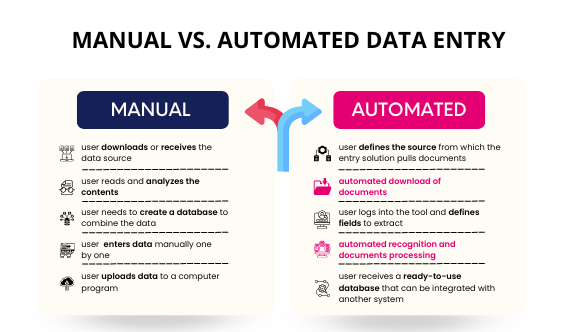
Data Management Services
- Research methodology services
- Sample Work
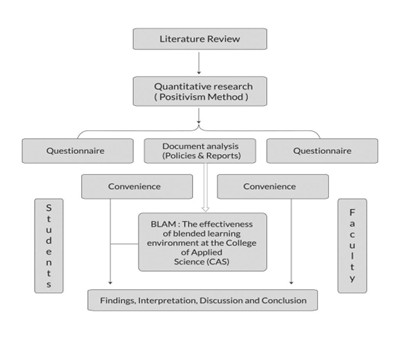
Research methodology services
- Tool Development Services
- Sample Work
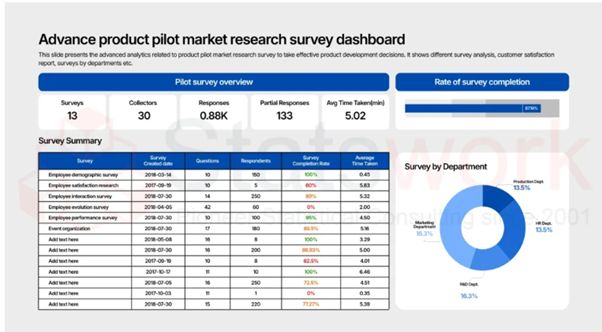
Tool development services
- Statistical Interpretation services
-
Statistical Interpretation services
- Sample Work
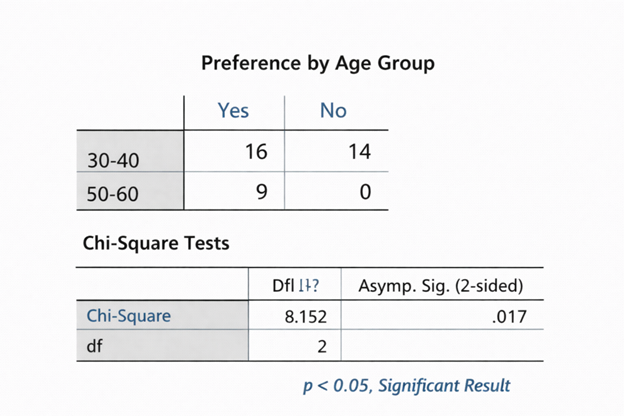
Statistical Interpretation services
-
- Sample Size Calculation Services
-
Sample Size Calculation Services
- Sample Work
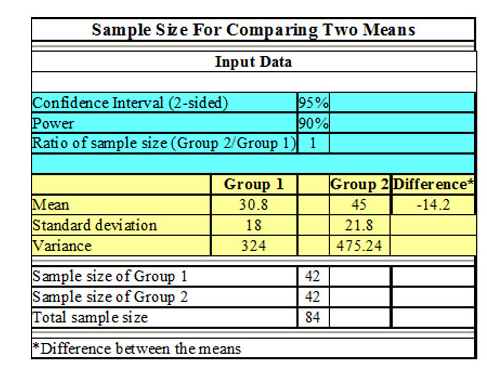
Sample Size Calculation Services
-
- AI & ML Services
-
Artificial Intelligence and Machine Learning Services
- Sample Work
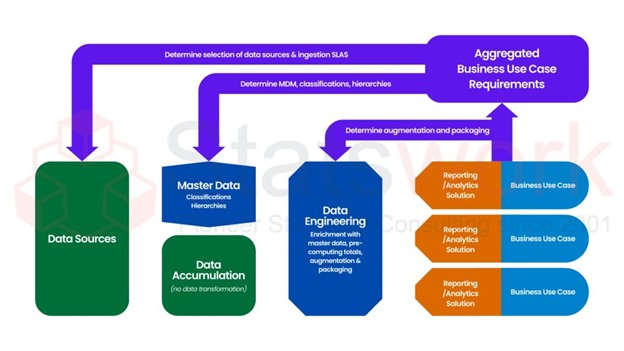
Artificial Intelligence and Machine Learning Services
-
- Meaningful Visualization Services
- Thought Leadership Services
- Report Generation Services
-
Report generation Service
- Sample Work
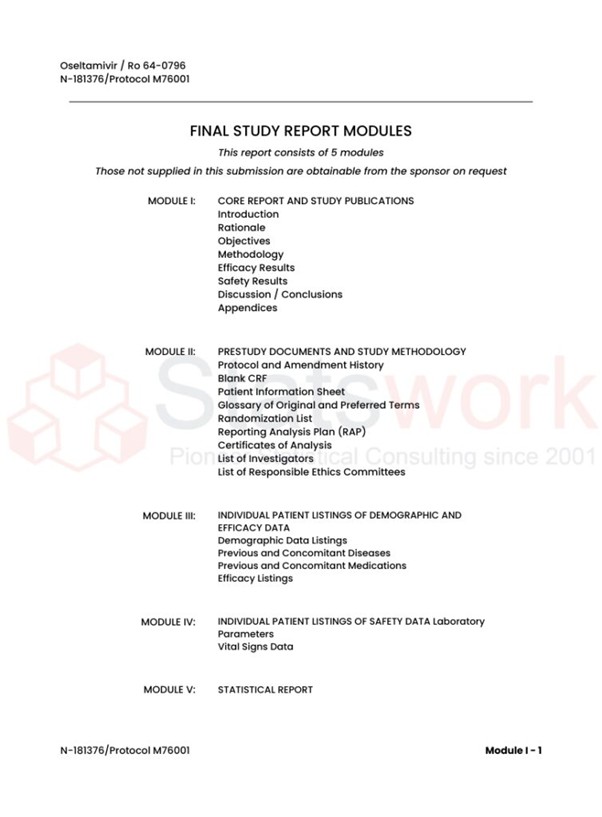
Report generation Services
-
- Data Analysis services
- Industries
- About Us
- Blog
- Insights
- Contact Us
- Services
- Data Analysis services
- Sample Work
Data Analysis services
- Secondary Qualitative Research Services
- Secondary Quantitative Research Services
- Meta-Analysis Research services
- Sample Work
Meta-Analysis Research Services
- Data Collection Services
- Sample Work
Data Collection Services
- Statistical & Biostatistics services
- Sample Work
Statistical Programming & Biostatistics services
- Data Management Services
- Sample Work
Data Management Services
- Research methodology services
- Sample Work
Research methodology services
- Tool Development Services
- Sample Work
Tool development services
- Statistical Interpretation services
-
Statistical Interpretation services
- Sample Work
Statistical Interpretation services
-
- Sample Size Calculation Services
-
Sample Size Calculation Services
- Sample Work
Sample Size Calculation Services
-
- AI & ML Services
-
Artificial Intelligence and Machine Learning Services
- Sample Work
Artificial Intelligence and Machine Learning Services
-
- Meaningful Visualization Services
- Thought Leadership Services
- Report Generation Services
-
Report generation Service
- Sample Work
Report generation Services
-
- Data Analysis services
- Industries
- About Us
- Blog
- Insights
- Contact Us
Qualitative Data Analysis: Making Sense of Interview Data
Meta Analysis Service
- What is Thematic Analysis and Why B2B Organizations Need It
- The 6-Step Thematic Analysis Framework for Industrial Research
- Why Outsource Thematic Analysis?
- Real-World Impact: Thematic Analysis for Market Research Teams
- Transform Qualitative Insights with Statswork
- Why Choose Statswork for Qualitative Data Analysis
- Transforming Interview Data into Competitive Advantage
Recommended Reads
Contact us
Blog Summary:
80% of corporate teams cannot derive any usable insights from qualitative data. Thematic analysis services turn it into strategic guidance within 3-4 weeks (vs. 12-16) for in-house analysis at 70% lower prices. Statswork 6-step approach to thematic data analysis has generated a 340% increase in feature adoption for one company. Get expert-level qualitative insight without overburdening your staff. Work with thematic data analysis experts to uncover critical patterns.
Introduction: Why Organizations Outsource Qualitative Data Analysis
In today’s business environment, organizations generate massive volumes of qualitative data from customer interviews, focus groups, and market research initiatives. However, 80% of corporate research departments cannot effectively analyze free-form data.
This is where qualitative data analysis services and thematic analysis services come in handy. The best companies entrust their qualitative data analysis needs to professional research partners who can extract actionable insights from qualitative data sets.
What is Thematic Analysis and Why B2B Organizations Need It
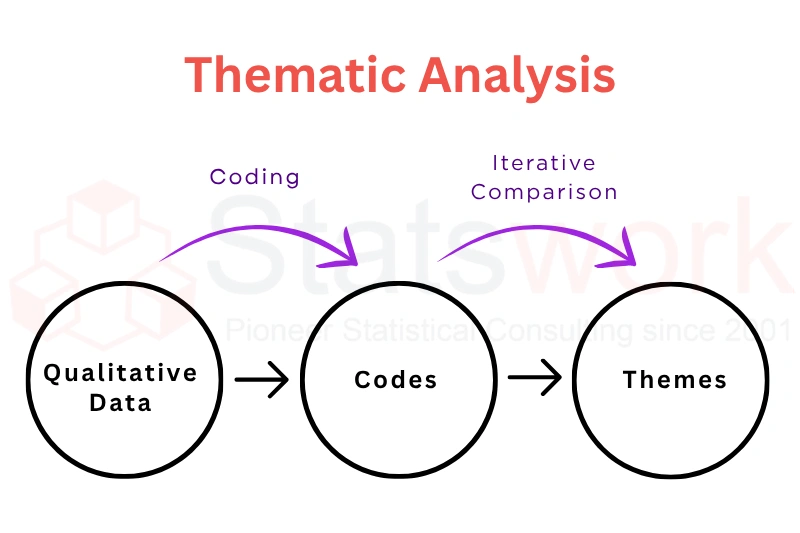
Thematic analysis is a type of qualitative research, which aims to identify patterns in qualitative data. However, unlike coding, thematic coding extracts patterns from qualitative information in such a way that presents responses in narrative form that can inform decision-making [1].
Key Benefits for Corporations:
- Speed of insight: derive meaning from sets of data in a matter of weeks
- Fewer biases: standardized qualitative coding procedures
- Process hundreds of interviews at the same time
- Save valuable hours of internal resources (up to 60-70%)
- Generate insights and executive recommendations from your data
The 6-Step Thematic Analysis Framework for Industrial Research
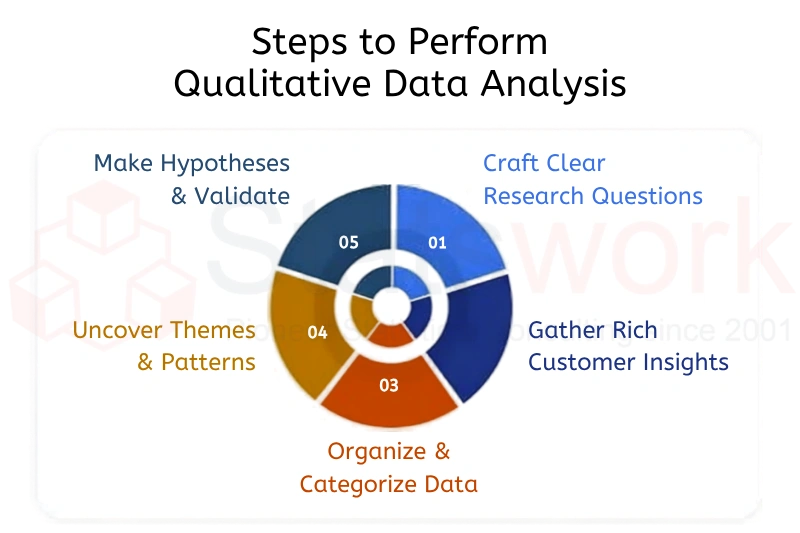
Step 1: Data Familiarization & Transcription
Develop full comprehension of the data by taking detailed notes on contextual details relevant to coding decisions.
Step 2: Initial coding and analysis of qualitative data
This involves chunking of interview data analysis.
| Coding Process | Process | Number of Codes Produced |
| Open Coding | Based on initial coding from data collected | 100-150 codes |
| Focused Coding | Based on open coding by grouping the codes | 20-30 codes |
| Axial Coding | Relationships between the code categories | Structure of codes |
| Selective Coding | Based on axial coding through synthesis of codes | Thematic codes |
Example: B2B SaaS onboarding research revealed the theme “User enablement as critical success factor” through coding qualitative data related to training effectiveness.
Step 3: Theme Development & Pattern Recognition
Data pattern analysis begins with individual codes that emerge into patterns. Relationships between these patterns should be established, and themes identified based on these patterns [2]. The themes can be either semantic (explicit) or latent (implicit).
Step 4-6: Refinement, Definition & Reporting
At this stage, it is important to ensure that themes identified resonate with the initial data set and then focus on their strategic framing to meet stakeholder requirements. Business oriented thematic analysis results can include research highlights, quotes, prevalence analysis, and recommended courses of action.
Why Outsource Thematic Analysis?
| Factor | In-House | Outsourced Service |
| Time | 12-16 weeks | 3-4 weeks |
| Cost | $45,000-$65,000 | $8,000-$15,000 |
| Quality | Variable | Consistently rigorous |
| Objectivity | Potential conflicts | Third-party impartiality |
How to Outsource Thematic Analysis Successfully
Follow these four steps to outsource thematic analysis effectively
- Determine the goals of research and the target audience.
- Choose an agency that has relevant experience and success cases.
- Establish the process of working together and set the deadline [3].
- Apply results in the decision-making process and implement changes.
Real-World Impact: Thematic Analysis for Market Research Teams
A technology company utilized thematic analysis for their market research teams that were studying the low feature adoption. The analysis of 32 customer interviews using thematic coding revealed the following: Feature Discovery Gap (68%), Workflow Integration Friction (54%), Insufficient Training (71%), and Value communication (45%).
The product marketing team used the research results for industrial research to change the release strategy, resulting in a 340% feature usage increase.
Theme Definition Framework for Strategic Planning
| Theme | Operational Definition | Business Implication |
| Seamless Integration | Less disruption during implementation | Prioritize product roadmap |
| Trust and Transparency | Clear communication of capabilities | Improve sales message |
| Cost Justification | ROI calculation in 6 months | Revise pricing model |
Transform Qualitative Insights with Statswork
Statswork corporate qualitative research services deliver the following benefits when you outsource qualitative data analysis:
- Analysts with certified expertise and over a decade of industry experience
- Patented coding paradigms applied in more than 500 corporate projects
- Technology, Finance, Healthcare, and Consumer Goods industries’ know-how
- Quality Control Measures with multiple steps to guarantee precision and validity [4]
- Secured Data with ISO 27001 and Non-Disclosure Agreement
Unlike academic-focused providers, Statswork thematic analysis services emphasize immediate business value:
- Faster delivery: Delivering initial results in 10 business days
- Iterative process: Weekly status calls for consistency
- Scalability: Working with you on one project or an ongoing basis
- Integration support: Facilitating diffusion of research throughout your organization
Why Choose Statswork for Qualitative Data Analysis
Whether you require interviewing data analysis, pattern recognition, coding qualitative data, or qualitative insights for industrial research, Statswork removes any internal hurdles in the process without compromising research rigor. Our corporate qualitative research service provides themes that are well-aligned with your strategic vision through reports with significant business implications and practical recommendations.
Transforming Interview Data into Competitive Advantage
Companies that obtain greater qualitative understanding from customer research tend to beat their competitors in competitive markets. The process of manual data analysis takes up too much time and effort, not forgetting that the process is subject to interpretation bias. We at Statswork can offer you thematic analysis services.
Ready to unlock hidden patterns in your qualitative data? Partner with Statswork qualitative data analysis services today and transform interview data into competitive advantage.
Get Your Free Qualitative Data Analysis Consultation
Ready to replicate this 340% success? See how Statswork thematic analysis services can transform your qualitative data into competitive advantage
Frequently Asked Questions (FAQs)
The seven steps are organizing, reviewing, coding, identifying themes, interpreting findings, validating results, and reporting the analysis.
The five common methods are thematic, content, narrative, discourse, and grounded theory analysis.
Yes, ChatGPT can assist with coding, identifying themes, summarizing responses, and organizing qualitative data, but findings should be reviewed by a researcher.
Qualitative data analysis is the process of examining non-numerical data to identify patterns, themes, meanings, and insights.
The seven types are interviews, focus groups, observation, ethnography, case studies, phenomenology, and grounded theory.
References:
- Neupane, B. P., Dahal, N., Dhakal, R. K., Hasan, M. K., Villarama, J. A., & Fabros, B. G. (2026). Data collection methods in qualitative research: researchers’ reflections. Frontiers in Research Metrics and Analytics, 11, 1778160. https://www.frontiersin.org/journals/
- Littlewood, K. E., & Gardner, D. H. (2026). A brief guide to qualitative research in veterinary science: interviews, focus groups, surveys and reflexive thematic analysis for practitioners and researchers. New Zealand Veterinary Journal, 1-11. https://www.tandfonline.com/doi/full
- Adu, P. (2026). A step-by-step guide to qualitative data coding. Taylor & Francis. https://books.google.co.in/books?hl=en&lr=&id=5Fm_EQAAQBAJ&oi
- Roberts, S. J., Abshire Saylor, M., Ivynian, S., & DiGiacomo, M. (2026). Data saturation and information power: Sample size in qualitative research–when is enough and how to assess? European journal of cardiovascular nursing, zvag046. https://academic.oup.com/eurjcn