
- Services
- Data Analysis services
- Sample Work
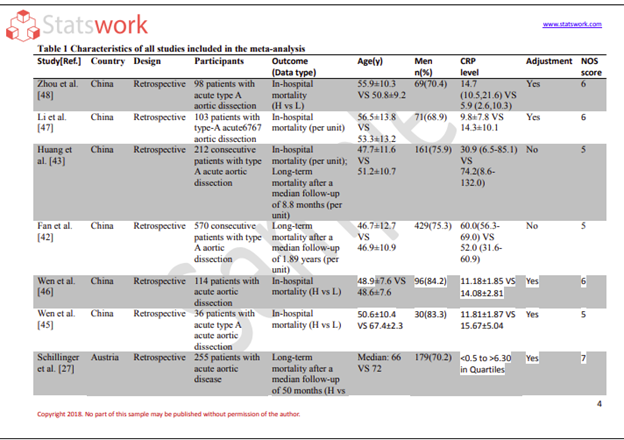
Data Analysis services
- Secondary Qualitative Research Services
- Secondary Quantitative Research Services
- Meta-Analysis Research services
- Sample Work
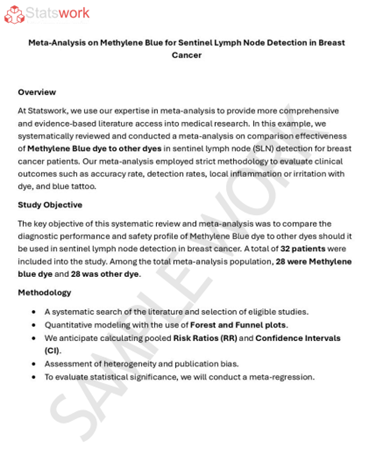
Meta-Analysis Research Services
- Data Collection Services
- Sample Work
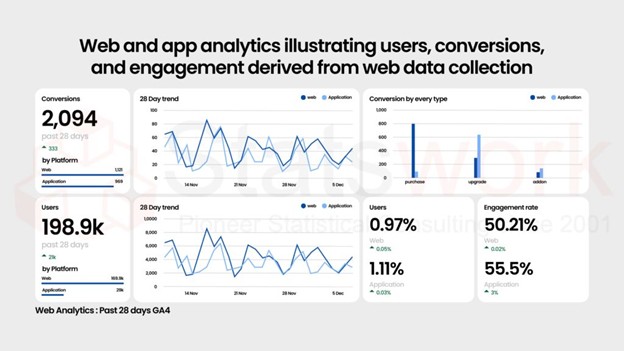
Data Collection Services
- Statistical & Biostatistics services
- Sample Work
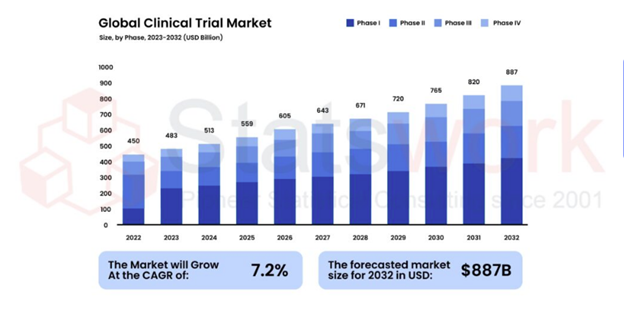
Statistical Programming & Biostatistics services
- Data Management Services
- Sample Work
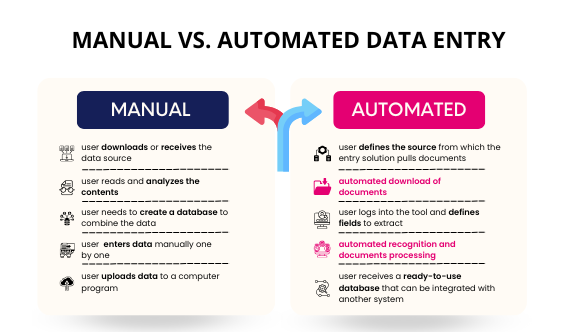
Data Management Services
- Research methodology services
- Sample Work
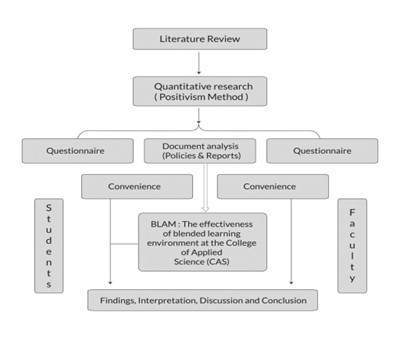
Research methodology services
- Tool Development Services
- Sample Work
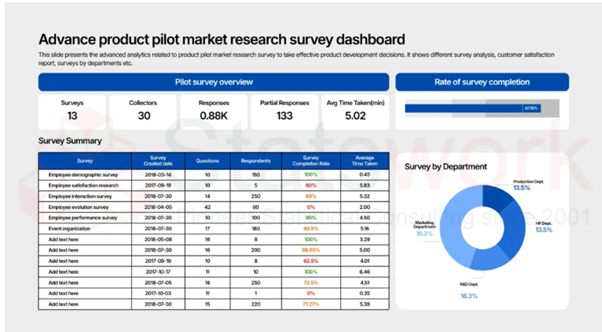
Tool development services
- Statistical Interpretation services
-
Statistical Interpretation services
- Sample Work
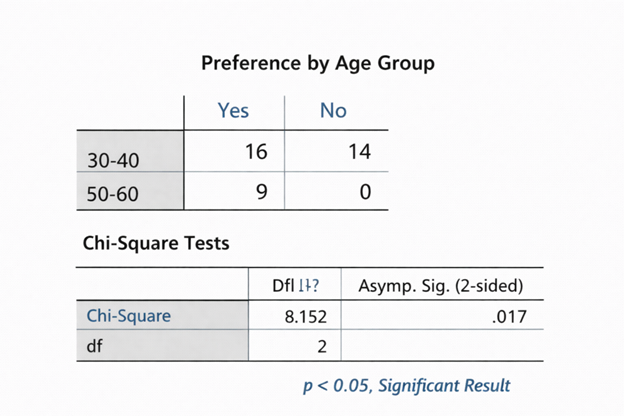
Statistical Interpretation services
-
- Sample Size Calculation Services
-
Sample Size Calculation Services
- Sample Work
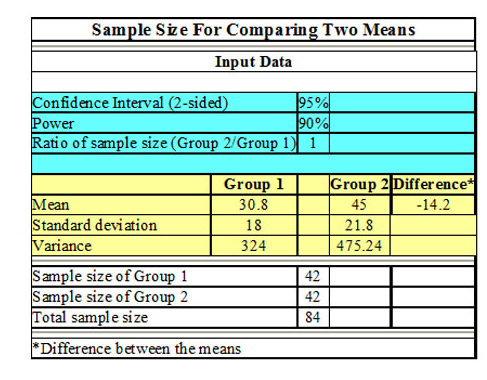
Sample Size Calculation Services
-
- AI & ML Services
-
Artificial Intelligence and Machine Learning Services
- Sample Work
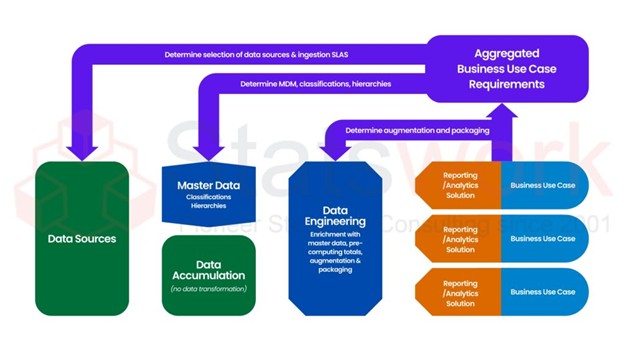
Artificial Intelligence and Machine Learning Services
-
- Meaningful Visualization Services
- Thought Leadership Services
- Report Generation Services
-
Report generation Service
- Sample Work
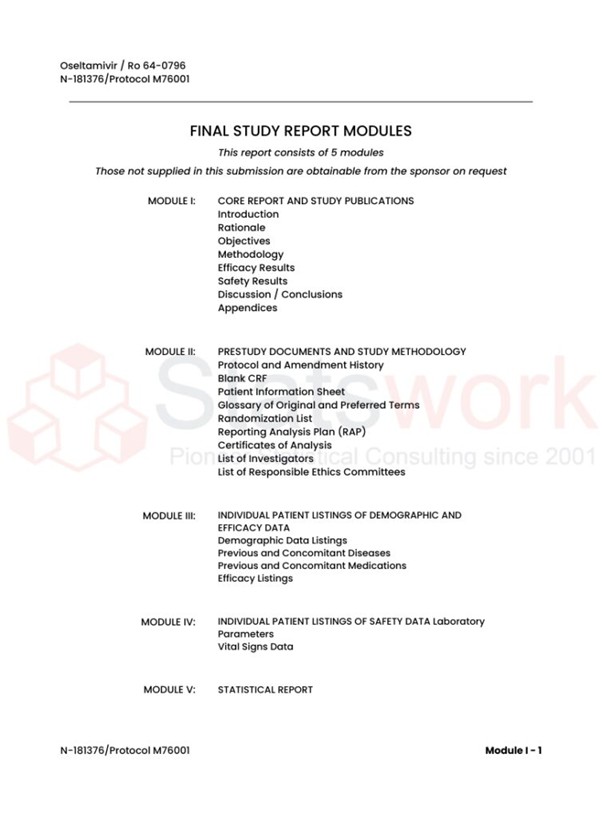
Report generation Services
-
- Data Analysis services
- Industries
- About Us
- Blog
- Insights
- Contact Us
- Services
- Data Analysis services
- Sample Work
Data Analysis services
- Secondary Qualitative Research Services
- Secondary Quantitative Research Services
- Meta-Analysis Research services
- Sample Work
Meta-Analysis Research Services
- Data Collection Services
- Sample Work
Data Collection Services
- Statistical & Biostatistics services
- Sample Work
Statistical Programming & Biostatistics services
- Data Management Services
- Sample Work
Data Management Services
- Research methodology services
- Sample Work
Research methodology services
- Tool Development Services
- Sample Work
Tool development services
- Statistical Interpretation services
-
Statistical Interpretation services
- Sample Work
Statistical Interpretation services
-
- Sample Size Calculation Services
-
Sample Size Calculation Services
- Sample Work
Sample Size Calculation Services
-
- AI & ML Services
-
Artificial Intelligence and Machine Learning Services
- Sample Work
Artificial Intelligence and Machine Learning Services
-
- Meaningful Visualization Services
- Thought Leadership Services
- Report Generation Services
-
Report generation Service
- Sample Work
Report generation Services
-
- Data Analysis services
- Industries
- About Us
- Blog
- Insights
- Contact Us
A Complete Guide to Using Government and Public Data for Research
Qualitative Research Service
News & Trends
Recommended Reads
Contact us
Summary:
Government and public data provide reliable, large-scale, and cost-effective information for research, business, and policymaking. By properly sourcing, cleaning, and analyzing these datasets, organizations can make evidence-based decisions. Statswork helps transform public data into accurate, decision-ready insights through expert data analytics services.
No good research can be done without solid data, which is currently stored in government and public archives and just waiting to be used. It turns out that such data is one of the key elements of modern big data analytics and is used in many industries including business, market research, healthcare, and policymaking [1]. This guide will help you get acquainted with this data and learn to work with it properly.
What Government and Public Data Really Means
The terms “government data” and “public data” imply any data collected through governmental organizations such as census offices, ministries of health and labor, and open-data platforms and openly published for analysis and research purposes. This kind of data usually comprises:
- Population and demographics data;
- Economic and employment data;
- Data on public health and disease;
- Data on environment and infrastructure;
- Datasets from national surveys.
As this data is gathered in a standardized way through government procedures, it provides a reliable foundation for both scientific research and business intelligence efforts [2]. This conclusion is supported by recent studies in academia on open government data ecosystems that state that the datasets publicly released assist organizations in making evidence-based decisions, the same qualities that make this data valuable for outside researchers and B2B analysts alike (Li et al., Government Information Quarterly, 2025).

Why This Data Matters for Modern Research
The importance of data analytics in research 2026 increasingly depends on the quality of the underlying data — and public datasets check all box researchers look for.
| Benefit | Why It Matters | Where It Shows Up |
| High Reliability | Collected using rigorous statistical methods and quality assurance protocols. | National census, public health datasets, and economic reports. |
| Large-Scale Coverage | Represents populations across regions, states, or entire countries. | Market sizing, demographic analysis, and population studies. |
| Cost Efficiency | Eliminates the need for costly primary data collection. | Academic research, business analysis, and corporate decision-making. |
| Better Decision-Making | Provides reliable evidence to support data-driven decisions.[2] | Public policy, healthcare planning, and business strategy. |
Key Sources of Reliable Public Data
The other half of the job is knowing where to look. The most useful categories are:
- Census and demographics data – trends in population, household and age structure
- Health care data – information on diseases, mortality and treatment availability [3]
- Economic data – GDP, inflation, employment and trade data
- Surveys datasets – structured national surveys on lifestyle, income and behavior
- Open data sites – official government data sites providing free datasets
Turning Public Data into Research-Ready Insights
Data collected by governments needs to be analyzed. This is where data analytics research comes in – the application of statistical models to analyze government data.
The proper data analysis process goes like this:
- Formulation of the research question
- Identification of the proper public data source to answer the research question
- Analysis of the quality, completeness, and frequency of updates of the public dataset [3]
- Cleaning and standardization of the dataset
- Application of statistical models or predictive analytics
- Data visualization and interpretation for decision makers

Business Intelligence with Public Data
While usually used by academic researchers, public datasets serve as an additional source of information for business intelligence and data analytics.
- Internal KPIs with national government economic indicators on performance dashboards [4]
- National demographic data visualization for decision making on market entry
- Tracking of internal KPIs with national industry statistics for benchmarking
- Insights based on national population and spending habits
Common Challenges to Watch For
However, even public data can be problematic:
- Inconsistencies in the format from one government website to another
- Lack of adequate data granularity to answer specific research questions
- Lags in data publication after data gathering
- Misinterpretation without statistical knowledge
Taking care of these problems in the early stages will save you from erroneous conclusions later – an integral step in risk management in any study using data as the foundation.
Best Practices for Working with Public Data
- Double-check your figures using several public resources
- Prefer datasets that disclose their methodological approaches
- Combine public data with primary research
- Use ethics in working with data [4]
- Check the currency of data before drawing any conclusions
Conclusion: Smarter Research with Statswork
However, government and public data are unique sources of information that combine scale, reliability and cost-effectiveness – but only if it is properly cleansed, modeled and interpreted. And once it is done right, government and public data become real force behind data driven strategy.
This is exactly where Statswork adds value. Through our Data Analytics services, our statisticians help researchers and businesses source reliable public datasets, validate data quality, and convert raw government records into clear, decision-ready insights — backed by the same rigor used in predictive analytics and business intelligence projects.
Your research is only as strong as your data. Make it count. Partner with Statswork’s Data Analytics services today and turn public data into publishable, decision-ready insights.
Frequently asked question:
Government guidelines are official rules, policies, and recommendations that help ensure public safety, legal compliance, transparency, and effective administration.
Government is the system that creates laws, maintains public order, provides essential services, protects citizens’ rights, manages the economy, collects taxes, ensures national security, develops public infrastructure, delivers justice, and promotes social welfare.
The government identifies public needs, develops policies, implements laws and programs, allocates resources, monitors outcomes, and evaluates the effectiveness of its actions to improve governance.
The guiding principles of government include accountability, transparency, fairness, rule of law, public participation, efficiency, and respect for human rights.
The seven principles of good governance are accountability, transparency, rule of law, participation, responsiveness, equity and inclusiveness, and effectiveness and efficiency.
Although all principles are important, accountability is often considered the most essential because it ensures that governments are responsible for their decisions and actions while maintaining public trust.
Reference
- Curley, C., Fernandez, A., Lameman, B., Watson, A. A., Garba, I., Hiratsuka, V. Y., … & Carroll, S. R. (2026). Indigenous perspectives on biobanking, specimen storage, and data governance: A scoping review. Genetics in Medicine, 102641. https://www.sciencedirect.com/
- Acuña, I., Cravero, A., & Zorrilla, M. (2026). From Compliance to Value: Data Governance Implementation Challenges to Turn Data into a Strategic Asset—A Systematic Literature Review. Applied Sciences (2076-3417), 16(11), 5289. https://openurl.ebsco.com/EPDB%3Agc
- Chege, A., Mwakyusa, J., & Wanjiru, E. (2026). Digital Governance and Public Participation in Emerging Democracies: A Systematic Review. Emerging Perspective in Social and Politics, 1(1), 1-16. https://tecnoscientifica.com/journal
- Arthur, M. E. Q. (2026). Data Governance in Local Government: Evidence from Spatial Data Initiatives. https://ir.library.illinoisstate.edu/cppg