
- Services
- Data Analysis services
- Sample Work
Data Analysis services
- Secondary Qualitative Research Services
- Secondary Quantitative Research Services
- Meta-Analysis Research services
- Sample Work
Meta-Analysis Research Services
- Data Collection Services
- Sample Work
Data Collection Services
- Statistical & Biostatistics services
- Sample Work
Statistical Programming & Biostatistics services
- Data Management Services
- Sample Work
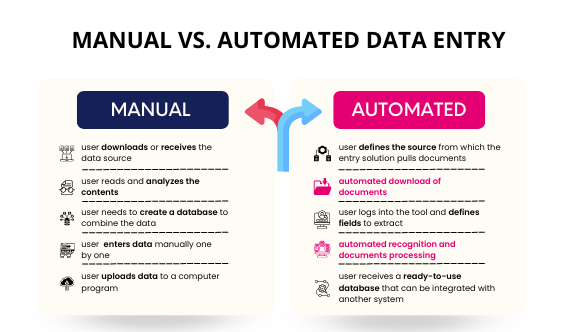
Data Management Services
- Research methodology services
- Sample Work
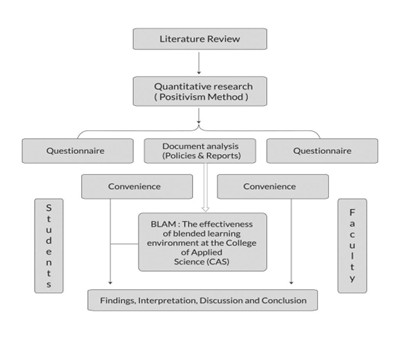
Research methodology services
- Tool Development Services
- Sample Work
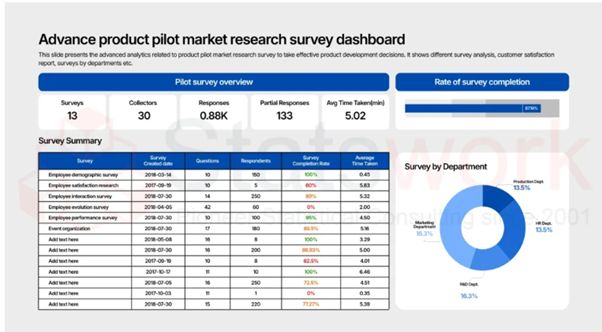
Tool development services
- Statistical Interpretation services
-
Statistical Interpretation services
- Sample Work
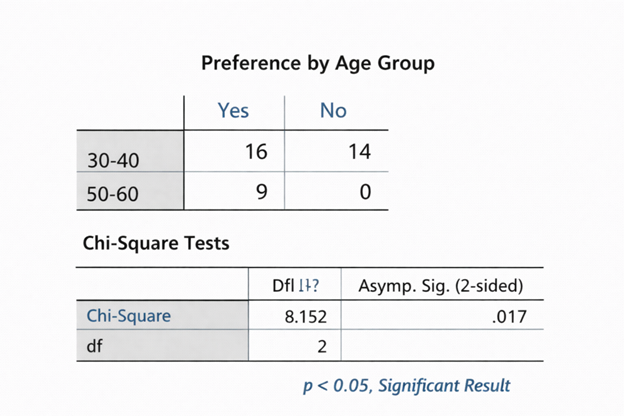
Statistical Interpretation services
-
- Sample Size Calculation Services
-
Sample Size Calculation Services
- Sample Work
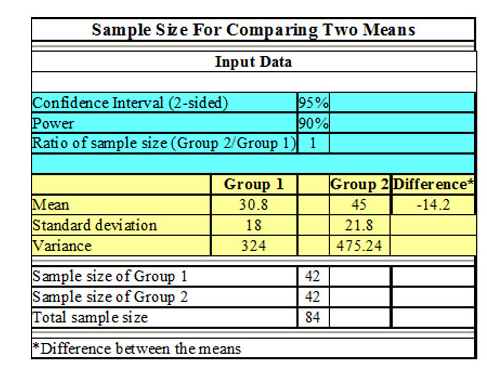
Sample Size Calculation Services
-
- AI & ML Services
-
Artificial Intelligence and Machine Learning Services
- Sample Work
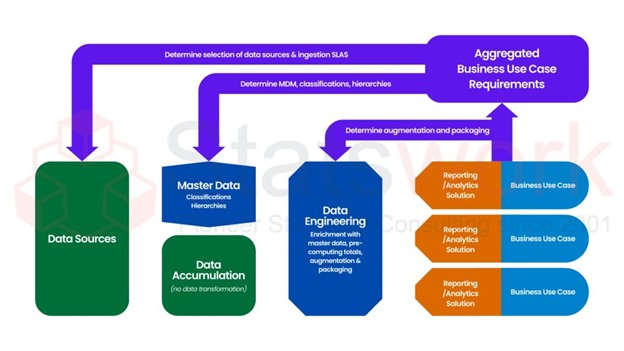
Artificial Intelligence and Machine Learning Services
-
- Meaningful Visualization Services
- Thought Leadership Services
- Report Generation Services
-
Report generation Service
- Sample Work
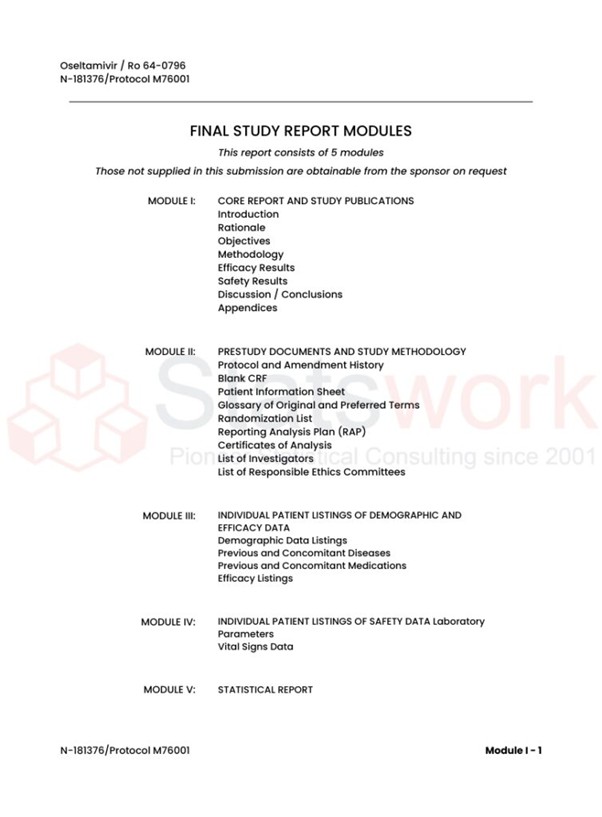
Report generation Services
-
- Data Analysis services
- Industries
- About Us
- Blog
- Insights
- Contact Us
- Services
- Data Analysis services
- Sample Work
Data Analysis services
- Secondary Qualitative Research Services
- Secondary Quantitative Research Services
- Meta-Analysis Research services
- Sample Work
Meta-Analysis Research Services
- Data Collection Services
- Sample Work
Data Collection Services
- Statistical & Biostatistics services
- Sample Work
Statistical Programming & Biostatistics services
- Data Management Services
- Sample Work
Data Management Services
- Research methodology services
- Sample Work
Research methodology services
- Tool Development Services
- Sample Work
Tool development services
- Statistical Interpretation services
-
Statistical Interpretation services
- Sample Work
Statistical Interpretation services
-
- Sample Size Calculation Services
-
Sample Size Calculation Services
- Sample Work
Sample Size Calculation Services
-
- AI & ML Services
-
Artificial Intelligence and Machine Learning Services
- Sample Work
Artificial Intelligence and Machine Learning Services
-
- Meaningful Visualization Services
- Thought Leadership Services
- Report Generation Services
-
Report generation Service
- Sample Work
Report generation Services
-
- Data Analysis services
- Industries
- About Us
- Blog
- Insights
- Contact Us
A Complete Guide to Tools and Statistical Methods in Meta-Analysis
Qualitative Research Service
- Why Statistical Methods Are Critical in Meta-Analysis
- Key Effect Size Measures Used in Meta-Analysis
- How Statistical Models Shape Meta-Analysis Results
- The Role of Heterogeneity Testing and Bias Assessment
- Advanced Statistical Techniques: Subgroup Analysis and Meta-Regression
- Software Tools That Power Modern Meta-Analysis
- Challenges and Future Trends in Meta-Analysis Methods
- Conclusion: How Researchers Can Apply Meta-Analysis Tools for Stronger Evidence and Publication Success
Recommended Reads
Contact us
Introduction - What Is Meta-Analysis and Why Is It Important in Research?
This statistical method helps to obtain a precise conclusion by using pooled data obtained from various studies. Statistical tools and techniques, such as calculating the effect size and using techniques like “inverse variance weighting,” are applied for accuracy.
With the help of statistical tools and techniques for meta-analysis research, the essential statistical tools and techniques for meta-analysis studies, such as “fixed effects” and “random effects,” can be applied with the help of tools and software like RevMan, R, and Stata [1].
Knowing the tools and techniques used in meta-analysis and statistical tools and techniques for meta-analysis helps to obtain strong results in meta-analysis studies and enhances the quality of meta-analysis services.
Why Statistical Methods Are Critical in Meta-Analysis
Statistical techniques are of great importance in the use of meta-analysis, as they help to effectively and efficiently pool the findings of different studies. In this regard, while the use of simple arithmetic means might give misleading findings, the use of statistical techniques such as effect size calculation, fixed and random effect models, and inverse variance weights helps to give balanced findings, which are credible and publishable. Without the use of the right statistical techniques, meta-analysis cannot be used to give credible findings [2].
Key Effect Size Measures Used in Meta-Analysis
The different types of effect size that can be used in the application of statistical methods in conducting meta-analysis studies include:
- Standardized Mean Difference (SMD) – This type of effect size is used in studies that measure the same outcome but use different scales.
- Odds Ratio (OR) – This type of effect size is commonly used in studies, especially in clinical studies and case-control studies.
- Risk Ratio (RR) – This type of effect size is commonly used in medical and public health studies [3].
- Correlation Coefficient (r) – This type of effect size is commonly used in behavioral studies.
- Hazard Ratio (HR) – This type of effect size is commonly used in survival studies.
The application of statistical tools in conducting meta-analysis studies helps in combining the different types of effect sizes using appropriate statistical synthesis, such as inverse variance, to ensure that the results of the study are accurate.
How Statistical Models Shape Meta-Analysis Results
- Statistical models help in controlling the synthesis of pooled data.
- Fixed-Effect Model assumes that all studies have one true effect size.
- Random-Effects Model helps in controlling variation between studies.
- Both models use inverse variance weighting [4].
Proper use of appropriate statistical methods in conducting meta-analysis studies, along with appropriate software in conducting meta-analysis research, ensures that results obtained are accurate and reliable, strengthening meta-analysis research services.
The Role of Heterogeneity Testing and Bias Assessment
The use of Heterogeneity Tests and Bias Assessment is essential in Meta-Analysis to ensure that the statistical results from the Meta-Analysis are accurate and trustworthy. These tests confirm that the effect size from the Meta-Analysis represents evidence that is reliable.
- Heterogeneity is measured with Cochran’s Q Test, I² and Tau-squared (τ²).
- These Statistical techniques will provide information about variability among individual studies included in the Meta-Analysis [5].
- The use of statistical techniques allows researchers to have confidence in the validity of their findings when conducting Meta-Analyses.
Advanced Statistical Techniques: Subgroup Analysis and Meta-Regression
Advanced statistical techniques in conducting meta-analysis studies enable the exploration of the variation in the pooled results.
| Technique | Purpose | Importance |
| Subgroup Analysis | To divide the studies into groups and calculate the effect size for each | To find the sources of variation |
| Meta-Regression | To find the influence of the studies on the results | To find the variation in the results |
| Software Tools | To use statistical tools for conducting meta-analysis studies using programming languages like R and Stata | To ensure accurate and reliable results |
Software Tools That Power Modern Meta-Analysis
The modern approach to conducting research in meta-analysis utilizes specialized statistical software and tools for this purpose.
The primary tools used for researchers to carry out their work include:
- RevMan
- R (Meta, Metafor)
- Stata
- Comprehensive Meta Analysis (CMA)
- SPSS
The application of statistical techniques is aided by these analytical tools when researching meta-analysis [2].
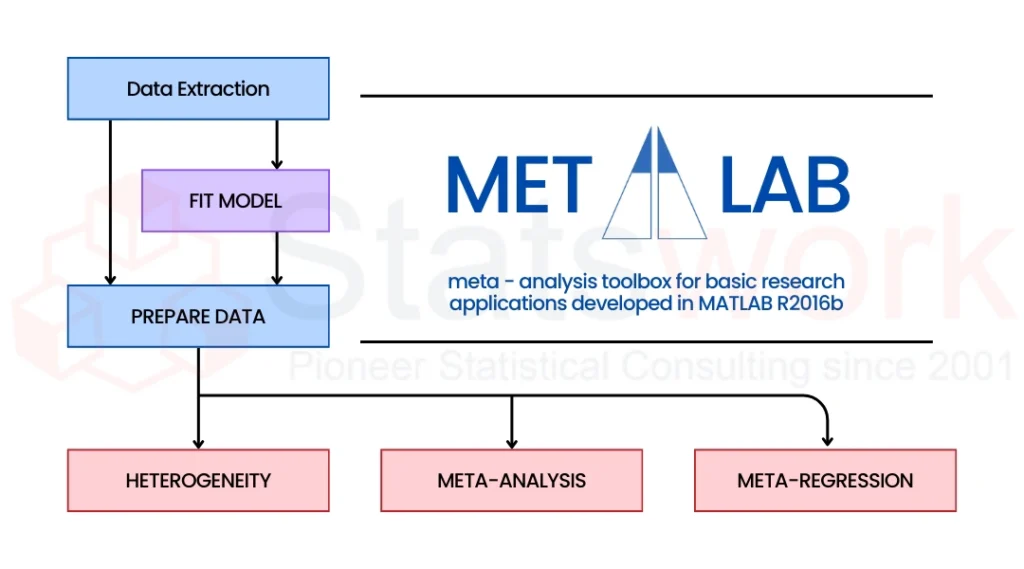
Figure 1: Workflow of Meta-Analysis Using Statistical Tools
Challenges and Future Trends in Meta-Analysis Methods
- The variations in the study designs might affect the accuracy of the pool of data and the overall outcome of statistical synthesis.
- The small sample sizes and lack of data might affect the effect size.
- The improper use of models in the statistical methods of the meta-analysis studies might affect the outcome of the research.
- The publication bias is still a major problem.
- The lack of access to raw data is a problem [3].
Future Trends:
- The use of advanced statistical modeling techniques and robust tests of heterogeneity.
- The use of AI techniques for the extraction of data.
- The improvement of the reporting standards and transparency of the meta-analysis research.
- The development of more user-friendly statistical software for meta-analysis research.
Conclusion: How Researchers Can Apply Meta-Analysis Tools for Stronger Evidence and Publication Success
Meta-analysis improves research results through the pooling of data using correct statistical synthesis. Applying correct statistical methods in research on meta-analysis studies guarantees accurate and credible results [5].
Researchers should consider using the correct effect size and correct models with inverse variance weighting in their research on meta-analysis studies to improve their credibility and publication success.
Reference:
- Mikolajewicz, N., & Komarova, S. V. (2019). Meta-analytic methodology for basic research: a practical guide. Frontiers in physiology, 10, 203.https://www.frontiersin.org/journals/physiology/articles/10.3389/fphys.2019.00203/full
- Field, A. P., & Gillett, R. (2010). How to do a meta‐British Journal of Mathematical and Statistical Psychology, 63(3), 665-694.https://bpspsychub.onlinelibrary.wiley.com/doi/abs/10.1348/000711010X502733
- Nelson, J. P. (2015). Meta-analysis: statistical methods. In Benefit transfer of environmental and resource values: a guide for researchers and practitioners(pp. 329-356). Dordrecht: Springer Netherlands.https://link.springer.com/chapter/10.1007/978-94-017-9930-0_15
- Cheung, M. W. L., & Vijayakumar, R. (2016). A guide to conducting a meta-analysis. Neuropsychology review, 26(2), 121-128.https://link.springer.com/article/10.1007/s11065-016-9319-z
- Chung, K. C., Burns, P. B., & Kim, H. M. (2006). A practical guide to meta-analysis. The Journal of hand surgery, 31(10), 1671-1678.https://www.sciencedirect.com/science/article/abs/pii/S0363502306009798