

Q & A
Meta Analysis
Q: What is an Effect Size and Why is it a Key Metric in Meta-Analysis Research?

1. What is an effect size in research?
- Effect size is one form of quantitative indication regarding the strength and extent of a relationship, difference, or impact identified through research.
- Effect sizes are much more informative than p-values because effect size tells you how large and important the effect is.
- Come in different types and include group differences (Cohen d), relations among groups (correlation r), or treatment effects (odds ratios).
2. Why is effect size important in meta-analysis?
- The combination of findings from multiple studies into a single statement with a larger and stronger statement regarding the greater population.
- Effect sizes are important as they provide a standardised measure of the strength of relationship between the two variables, enabling the research to be compared on a common basis.
- If effect sizes were not available, there would be no way to combine or compare effects through Meta-Analysis.
3. How does effect size improve the interpretation of results?
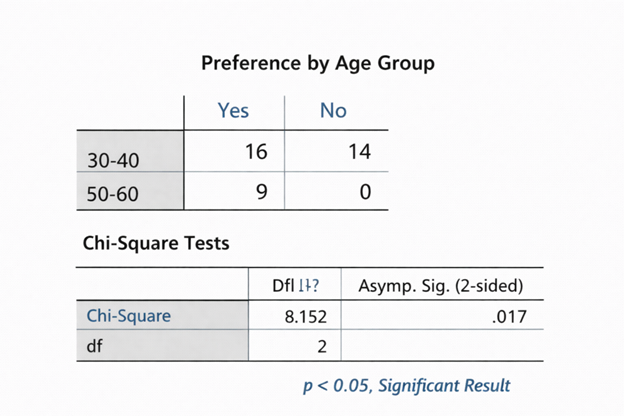
- The effect size is informative in addition to having a p-value which reflects statistical significance.
- Statistical significance may appear if sample size is large; however, the true effect may be very small. Thus, effect size shall be used for proper interpretation of results.
- Effect sizes indicate how practical an effect may be in the research world and aid researchers in determining impact in real life, rather than simply being statistically detectable.
4. What types of effect sizes are commonly used in meta-analysis?
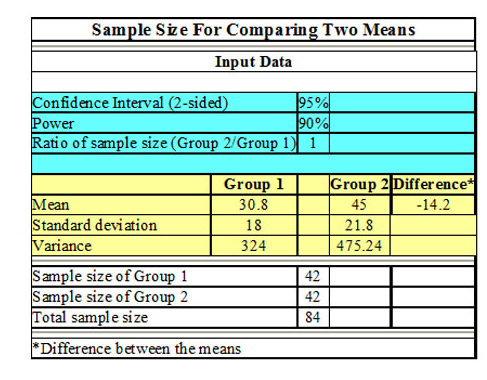
- Cohen’s d and Hedges’ g are effect size measures that quantify the difference between the means of two groups in standard deviation. Hedges’ g adjusts for small sample size bias.
- Correlation coefficients (r) are used to specify the degree to which two variables are related, whether positively or negatively.
- Odds ratios (OR) and risk ratios (RR) are the most frequently used methods for comparing the likelihood of occurrence of events in clinical research. All four of these types of measures can be combined using meta-analysis.
5. How does effect size contribute to better decision-making
- Effect sizes are useful tools for policymakers, clinicians, and educators when determining if an intervention/treatment is worth using.
- Effect sizes quantify how much impact an intervention has on the outcome being measured.
- The use of meta-analytic effect sizes increases the rigor of evidence-based practice and enhances the reliability and transparency of scientifically based conclusion.