
- Services
- Data Analysis services
- Sample Work
Data Analysis services
- Secondary Qualitative Research Services
- Secondary Quantitative Research Services
- Meta-Analysis Research services
- Sample Work
Meta-Analysis Research Services
- Data Collection Services
- Sample Work
Data Collection Services
- Statistical & Biostatistics services
- Sample Work
Statistical Programming & Biostatistics services
- Data Management Services
- Sample Work
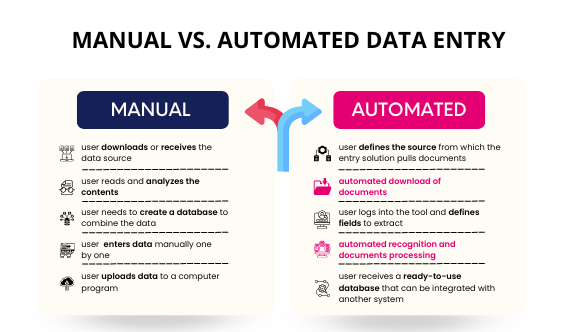
Data Management Services
- Research methodology services
- Sample Work
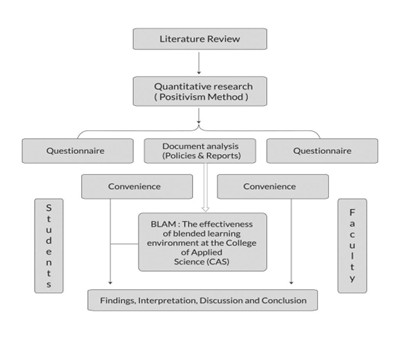
Research methodology services
- Tool Development Services
- Sample Work
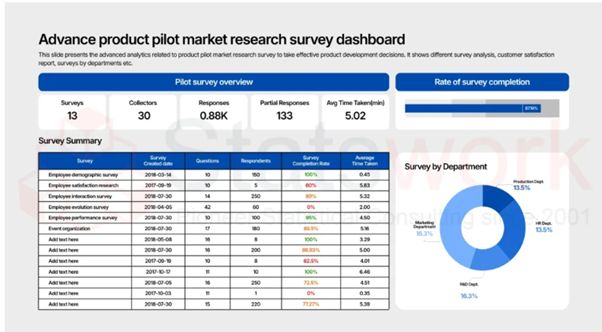
Tool development services
- Statistical Interpretation services
-
Statistical Interpretation services
- Sample Work
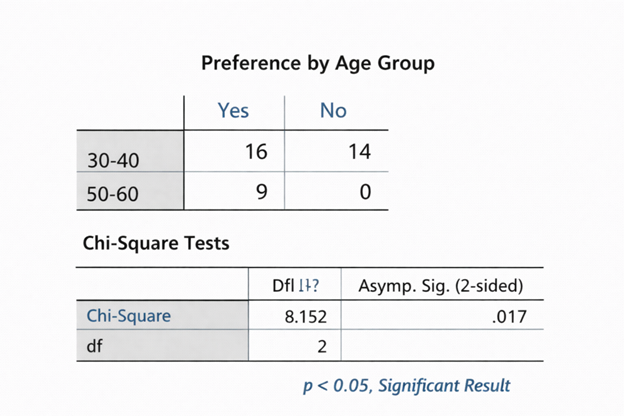
Statistical Interpretation services
-
- Sample Size Calculation Services
-
Sample Size Calculation Services
- Sample Work
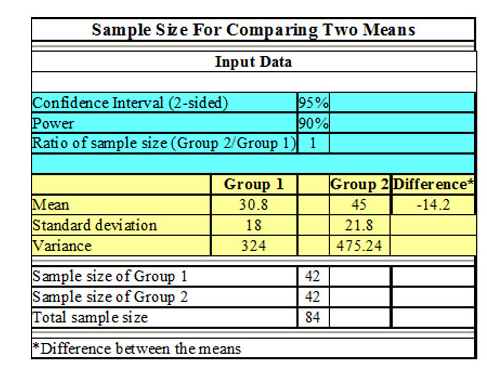
Sample Size Calculation Services
-
- AI & ML Services
-
Artificial Intelligence and Machine Learning Services
- Sample Work
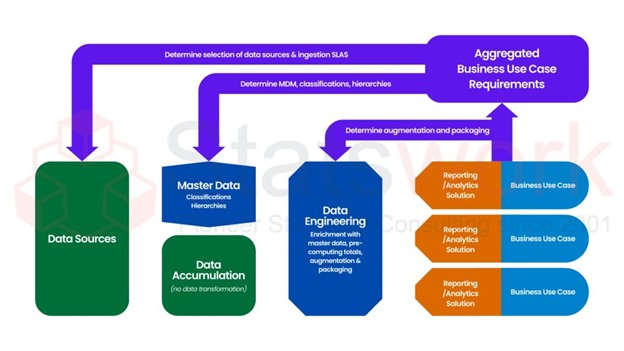
Artificial Intelligence and Machine Learning Services
-
- Meaningful Visualization Services
- Thought Leadership Services
- Report Generation Services
-
Report generation Service
- Sample Work
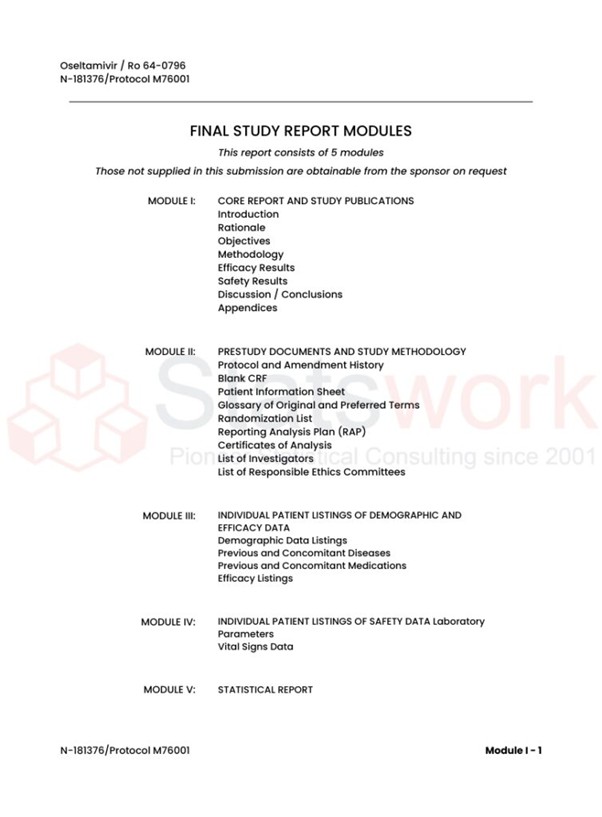
Report generation Services
-
- Data Analysis services
- Industries
- About Us
- Blog
- Insights
- Contact Us
- Services
- Data Analysis services
- Sample Work
Data Analysis services
- Secondary Qualitative Research Services
- Secondary Quantitative Research Services
- Meta-Analysis Research services
- Sample Work
Meta-Analysis Research Services
- Data Collection Services
- Sample Work
Data Collection Services
- Statistical & Biostatistics services
- Sample Work
Statistical Programming & Biostatistics services
- Data Management Services
- Sample Work
Data Management Services
- Research methodology services
- Sample Work
Research methodology services
- Tool Development Services
- Sample Work
Tool development services
- Statistical Interpretation services
-
Statistical Interpretation services
- Sample Work
Statistical Interpretation services
-
- Sample Size Calculation Services
-
Sample Size Calculation Services
- Sample Work
Sample Size Calculation Services
-
- AI & ML Services
-
Artificial Intelligence and Machine Learning Services
- Sample Work
Artificial Intelligence and Machine Learning Services
-
- Meaningful Visualization Services
- Thought Leadership Services
- Report Generation Services
-
Report generation Service
- Sample Work
Report generation Services
-
- Data Analysis services
- Industries
- About Us
- Blog
- Insights
- Contact Us
Secondary Quantitative Data Collection: A Complete Guide for Researchers
Qualitative Research Service
- What Is Secondary Quantitative Data Collection?
- Common Sources of Secondary Quantitative Data
- Common Methods Used in Secondary Quantitative Data Collection
- Advantages of Secondary Quantitative Data Collection
- Issues Involved in the Secondary Quantitative Data Collection Process
- Applications for Secondary Quantitative Research
- Conclusion
Recommended Reads
Contact us
Short Summary:
The use of secondary quantitative data collection refers to collecting numbers of data which already exists from various sources, such as governmental documents, scientific research, health care data, marketing surveys, etc. This technique enables doing research more efficiently without high costs. However, it is recommended that researchers should evaluate the credibility of the data collected before applying it to their research.In our contemporary world of information, both institutions and scholars require reliable information to arrive at appropriate decisions. There are several methods of collecting information, and one of the most effective techniques for acquiring numeric information is secondary quantitative data collection [1]. Unlike the other techniques of collecting information, there is no need to acquire new information from respondents since secondary information is utilized.
The method of secondary quantitative data collection is applied in various disciplines such as research in academia, medicine, marketing, policymaking, and business.
What Is Secondary Quantitative Data Collection?
Secondary Quantitative Data Collection entails the method of obtaining and analyzing numerical data that has been gathered by some other person or organization. The data is usually quantitative in nature and statistical measures can be used to analyze such data.
Compared to primary data, in which the researcher creates the data through surveys, interviews or even experiments, secondary quantitative data is obtained from existing sources for a specific purpose [2].
Types of secondary quantitative data include:
- Census data collected by governments
- Public health records
- Market research reports
- Achievement of academic institutions
- Financial data
- Surveys conducted by industry organizations
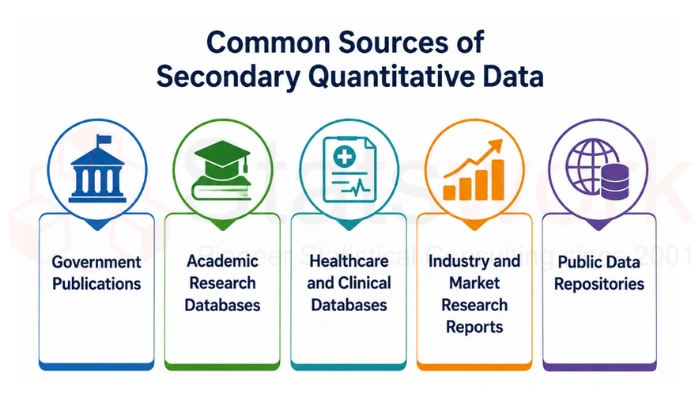
Common Sources of Secondary Quantitative Data
Government Publications
Government departments issue data related to statistical information used for analysis, policies, and research [3].
- Statistics about population and demographics
- Employment and labor force statistics
- Data related to healthcare, education, economy, etc.
Academic Research Databases
Academic institutions issue datasets based on various research conducted by them.
- Datasets issued by universities and other organizations conducting funded research
- Studies’ databases
- Social and longitudinal data
Healthcare and Clinical Databases
Healthcare organizations issue huge volumes of data related to patients, their treatments, diseases, and other healthcare aspects.
- Patients’ results and treatment records
- Statistics regarding various diseases
- Clinical trials
Industry and Market Research Reports
Various industries release data which can be used for analyzing market situations, competitor positions, etc.
- Consumer behavior and purchasing pattern data
- Market size and market growth statistics
- Benchmarking reports [4]
Public Data Repositories
There are repositories of open data which can be used for various purposes such as research or business.
- Economic and financial datasets
- Environmental statistics
- Educational and social statistics
Common Methods Used in Secondary Quantitative Data Collection
The selection of secondary data collection techniques aids researchers to gather information that already exists, which is cost-effective and efficient. This is determined by the research objectives and data needs.
| Method | Description |
| Extraction from Databases | Data extraction from online databases. |
| Analysis of Documents | Statistical information obtained from documents. |
| Aggregation of Data | Merging data extracted from different sources. |
| Analysis of Longitudinal Data | Analyzing historical data to uncover trends. |
The use of these approaches allows for accessing vast amounts of information without having to perform any data collection activities [5]. The techniques have been employed in various fields such as education, medicine, marketing, and even business.
Advantages of Secondary Quantitative Data Collection
It is common nowadays for businesses to use secondary quantitative data collection because of its practical approach in gathering research findings.
Cost-effectiveness
Pre-existing data means that costly procedures of survey development, respondent selection, and primary data collection will not be necessary.
Efficiency
Researchers can immediately benefit from pre-collected data and save their time in conducting the research process.
Larger Sample Size
Often, secondary data sources have many data sets and therefore help improve the quality of research results.
Forecasting and Trends
Past data allows researchers to see trends and make forecasts based on observed changes.
Wider Geographical Location
With national and international databases, it is easier for scientists to gather information from different parts of the world.
Issues Involved in the Secondary Quantitative Data Collection Process
The secondary quantitative data collection process comes with many benefits, but there are also some problems that need to be solved to attain valid results from the process.
| Issue | Description |
| Irrelevancy of Data | The collected data may not be entirely relevant to the study at hand. |
| Validity of the Data | Researchers need to establish the reliability and credibility of the available data sets. |
| Lack of Control | The process lacks any control over how data was collected initially. |
| Timeliness of Data | The data collected may not be up to date. |
Careful evaluation of secondary data sources helps researchers minimize these limitations and improve the validity of their findings [2].
Applications for Secondary Quantitative Research
Applications for secondary quantitative research assist decision-making processes in several different fields.
- Hospitals study the health status of patients and the population.
- Firms examine the latest trends in marketing and customer reactions.
- Banks examine economic factors and potential investments.
- Governmental organizations track socioeconomic development.
- Scholars research connections between certain variables based on already collected information.
Conclusion
Secondary Quantitative Data Collection is a quick way to gather numeric data. With the right secondary data sources, companies will find trends, evaluate their performance, base decision-making on statistics, and finish their projects sooner [4]. However, all this is possible only with proper secondary data collection and right data analysis techniques.
Should your organization require Secondary Quantitative Data Collection Services, we at Statswork will assist you in gathering data. Our team will provide you with the necessary support and expertise to collect, organize, and analyze data. In addition, our company specializes in different kinds of research, such as Secondary Data Analysis, Public Datasets Analysis for Business, and Quantitative Data Collection for Healthcare Research.
Frequently Asked Questions:
An example of secondary quantitative data is population statistics obtained from a government census. Researchers can use these existing numerical datasets to analyze demographic trends without collecting new data.
The four types of quantitative data are discrete data, continuous data, interval data, and ratio data. These categories help researchers measure and analyze numerical information accurately.
Secondary qualitative data collection involves using existing non-numerical information, such as interview transcripts, case studies, reports, and historical documents, that were originally collected by another researcher or organization.
The four common types of data collection are surveys, interviews, observations, and secondary data collection. Each method is selected based on the research objectives and the type of information required.
Secondary data collection is the process of gathering and analyzing information that has already been collected by another source, such as government agencies, research institutions, businesses, or public databases.
Reference:
- Lim, W. M. (2025). What is quantitative research? An overview and guidelines. Australasian Marketing Journal, 33(3), 325-348. https://journals.sagepub.com/doi/full/10.1177/14413582241264622
- Taherdoost, H. (2022). What are different research approaches? Comprehensive review of qualitative, quantitative, and mixed method research, their applications, types, and limitations. Journal of management science & engineering research, 5(1), 53-63. https://hal.science/hal-03741840/document
- Kotronoulas, G., Miguel, S., Dowling, M., Fernández-Ortega, P., Colomer-Lahiguera, S., Bağçivan, G., … & Papadopoulou, C. (2023, April). An overview of the fundamentals of data management, analysis, and interpretation in quantitative research. In Seminars in oncology nursing(Vol. 39, No. 2, p. 151398). WB Saunders. https://www.sciencedirect.com/science/article/pii/S0749208123000293
- Takona, J. P. (2024). Research design: qualitative, quantitative, and mixed methods approaches. Quality & Quantity, 58(1), 1011-1013. https://link.springer.com/article/10.1007/s11135-023-01798-2