May 2025 | Source: News-Medical
Organizations can access R&D Insights and innovation research by analyzing previously created patents and technology records using patent-based secondary data collection. By gathering information from previously published patent databases, an organization can look at the landscape of technology; track patterns; and identify areas of opportunity for conducting development activities via less-costly, less-time-consuming means than would be necessary with primary research.
Such information assists with conducting analyses relevant to R&D decision-making and aiding in developing an effective roadmap for innovation strategy as a means of facilitating the rapid achievement of a desired strategic objective.[1]
The following explains the various types and how each is used in an overall understanding of Patent Records and Databases.
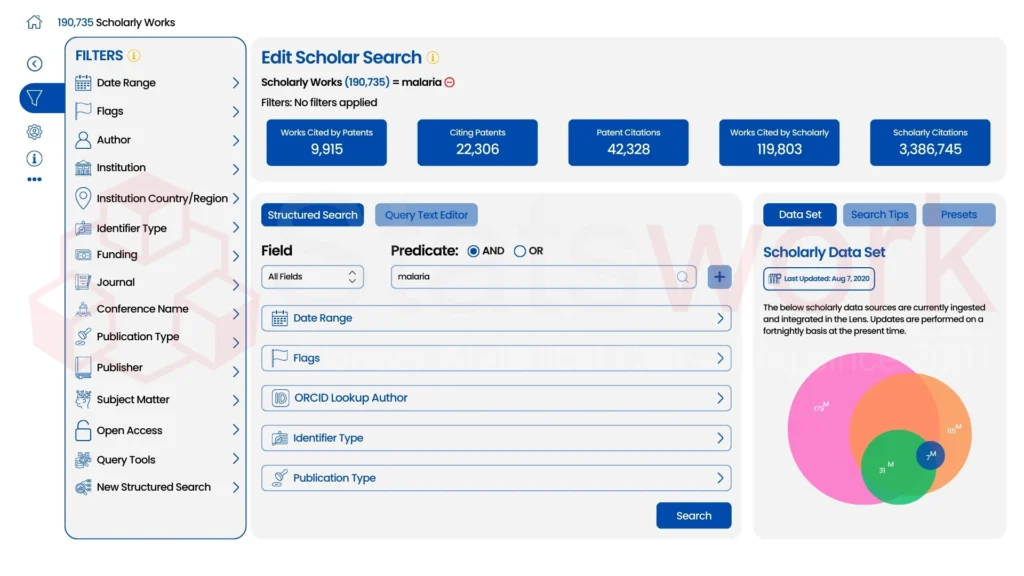
Fig. 1: represents a patent and scholarly search analytics interface used to filter, retrieve, and analyze research publications and citations for secondary data insights.
Aspect | Role in Innovation | Outcome |
Tracking Technology Trends | Analyzing Patents over Time | Research & Development into Emerging Technologies |
Identifying Competitors’ Polytrees | Monitoring Competitors’ Filings | Identifying Opportunities & Threats |
Identifying White Spaces | Locating Gaps in Existing Technologies | Investigating New Products & Markets |
Trends in Collaboration and Licensing | Reviewing Partnership and Alliance Activity | Locating Collaboration Opportunities |
Summary:
This study investigated the role of patent data for tracking trends, competitor activity, and market gaps to support more informed decisions about how best to innovate [4]
Aspect | Impact | Contribution (%) |
Trend Analysis | Prioritizing R&D Invest in Emerging Technologies | 25% |
Competitive Intelligence | Identify Opportunities and Risks | 20% |
White Space Identification | Identify New Innovation Areas | 20% |
Collaboration & Licensing | Speed Up R&D Through Partnerships | 15% |
Portfolio Optimization | Invest in Higher Value Projects | 10% |
road mapping | Structure Innovation Roadmap | 10% |
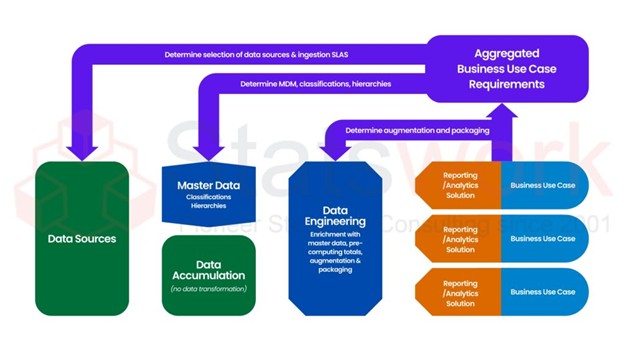
Fig. 2 shows how patent insights guide R&D and shape strategic innovation.
Patent-Based Market | Technology Analysis |
Competitive Landscape – Identify possibilities and problems | Emerging Technologies – Provide direction for Research and Development (R&D) |
Strategic Decisions – Direct investments and resources | White Spaces – Investigate new product options [5] |
Collaborate and License – Identify potential partners | Intellectual Property (IP) Strategy – Safeguard new developments |
Main Takeaway:
You can act on what you learn from patents when using a systematic method, which will lead to better innovative ideas and ultimately decisions based on the data presented through this method.
Conclusion patent insights provide significant strategic value related to the growth of innovation and R&D by enabling organizations to predict market trends; track competitive activities; find areas of technological vulnerability; devise appropriate R&D directions, strategies, and tactics; strengthen their intellectual property position; stimulate innovative activity; enable sustainable revenue generation via competitive advantages; and enhance overall organizational competitiveness.[5]
“Unlock actionable insights for your R&D—explore StatsWork’s Secondary Data Collection services today!”
WhatsApp us