
- Services
- Data Analysis services
- Sample Work
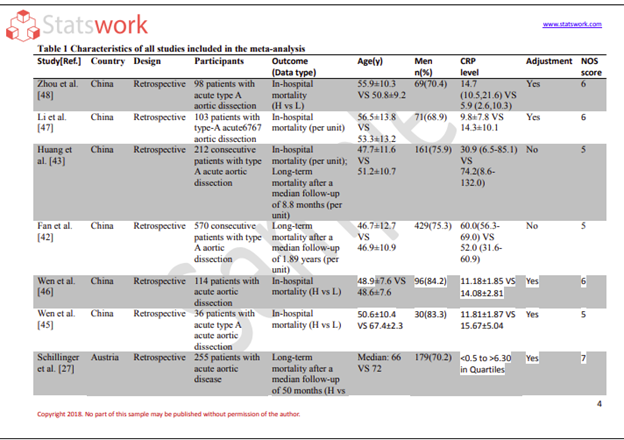
Data Analysis services
- Secondary Qualitative Research Services
- Secondary Quantitative Research Services
- Meta-Analysis Research services
- Sample Work
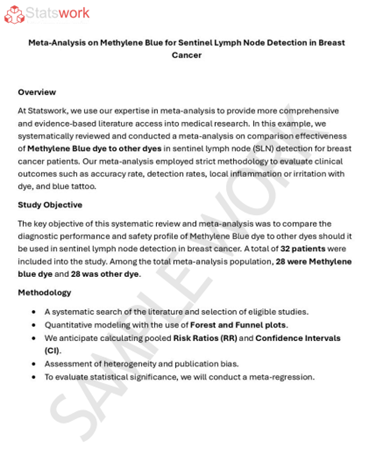
Meta-Analysis Research Services
- Data Collection Services
- Sample Work
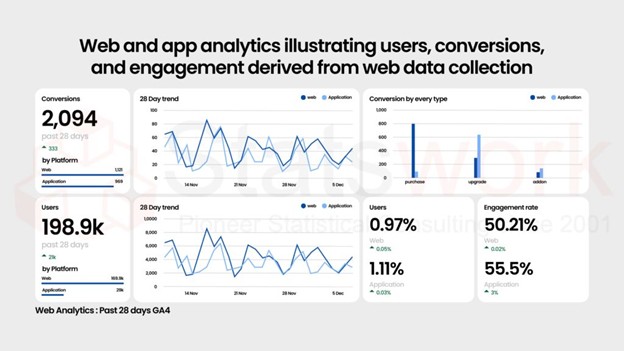
Data Collection Services
- Statistical & Biostatistics services
- Sample Work
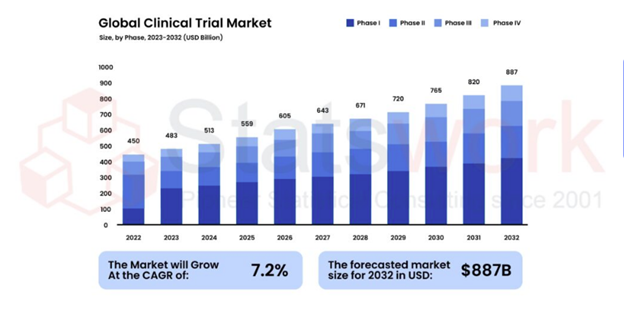
Statistical Programming & Biostatistics services
- Data Management Services
- Sample Work
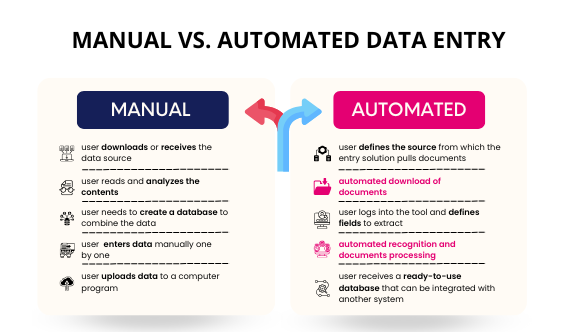
Data Management Services
- Research methodology services
- Sample Work
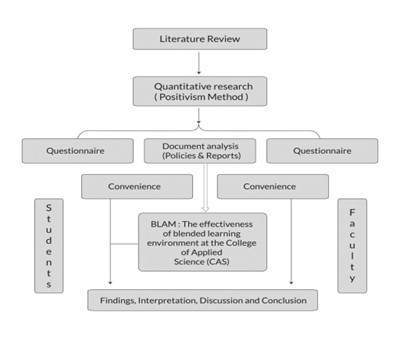
Research methodology services
- Tool Development Services
- Sample Work
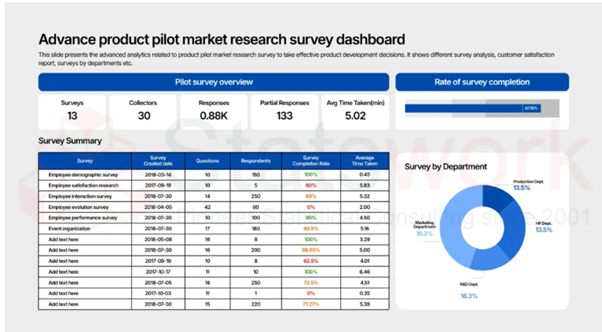
Tool development services
- Statistical Interpretation services
-
Statistical Interpretation services
- Sample Work
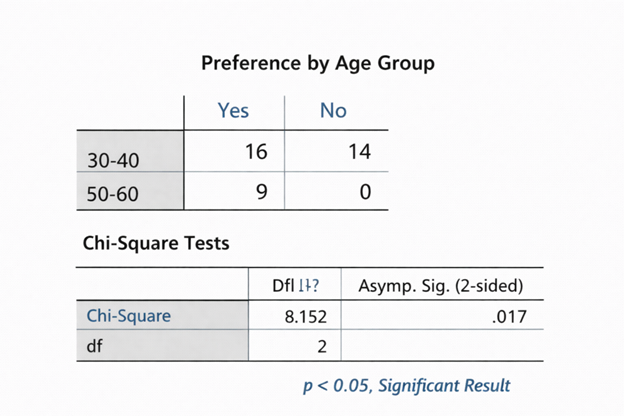
Statistical Interpretation services
-
- Sample Size Calculation Services
-
Sample Size Calculation Services
- Sample Work
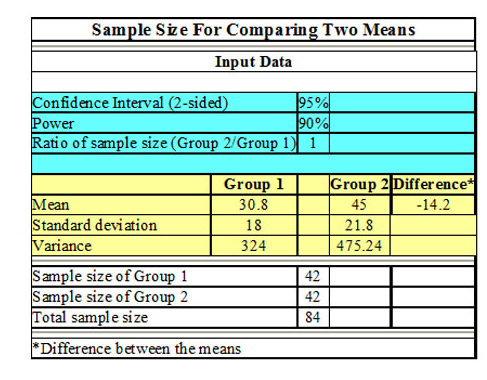
Sample Size Calculation Services
-
- AI & ML Services
-
Artificial Intelligence and Machine Learning Services
- Sample Work
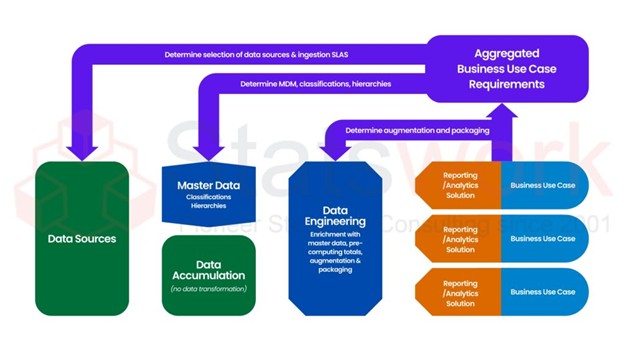
Artificial Intelligence and Machine Learning Services
-
- Meaningful Visualization Services
- Thought Leadership Services
- Report Generation Services
-
Report generation Service
- Sample Work
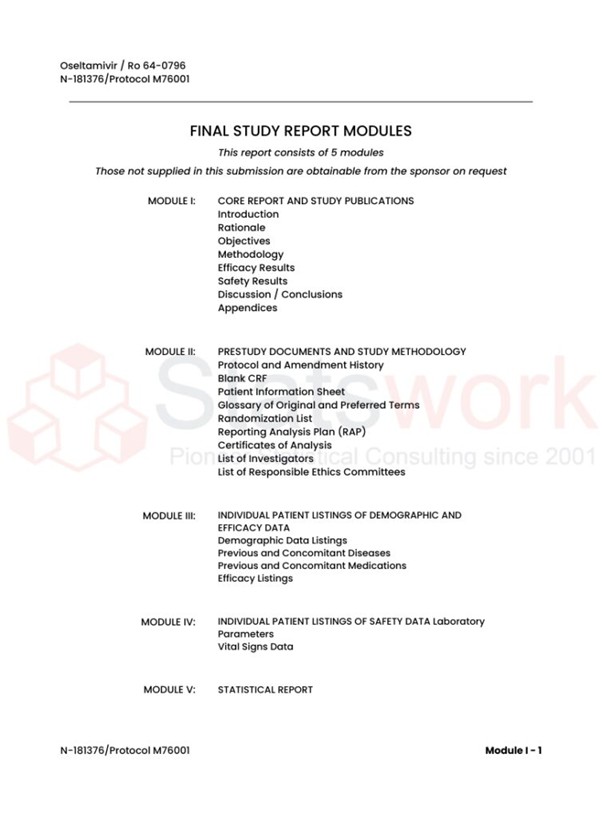
Report generation Services
-
- Data Analysis services
- Industries
- About Us
- Blog
- Insights
- Contact Us
- Services
- Data Analysis services
- Sample Work
Data Analysis services
- Secondary Qualitative Research Services
- Secondary Quantitative Research Services
- Meta-Analysis Research services
- Sample Work
Meta-Analysis Research Services
- Data Collection Services
- Sample Work
Data Collection Services
- Statistical & Biostatistics services
- Sample Work
Statistical Programming & Biostatistics services
- Data Management Services
- Sample Work
Data Management Services
- Research methodology services
- Sample Work
Research methodology services
- Tool Development Services
- Sample Work
Tool development services
- Statistical Interpretation services
-
Statistical Interpretation services
- Sample Work
Statistical Interpretation services
-
- Sample Size Calculation Services
-
Sample Size Calculation Services
- Sample Work
Sample Size Calculation Services
-
- AI & ML Services
-
Artificial Intelligence and Machine Learning Services
- Sample Work
Artificial Intelligence and Machine Learning Services
-
- Meaningful Visualization Services
- Thought Leadership Services
- Report Generation Services
-
Report generation Service
- Sample Work
Report generation Services
-
- Data Analysis services
- Industries
- About Us
- Blog
- Insights
- Contact Us
Need Reliable Secondary Data for Market or Healthcare Research?
Meta Analysis Service
Recommended Reads
Contact us
Summary:
Collection of secondary data is an effective means to collect market data and healthcare data. This paper talks about the sources from which secondary data can be collected along with methods for judging the quality and reliability of the data. This paper also presents a comparison between primary and secondary data. StatsWork offers reliable secondary data collection services.
Reliable data is the cornerstone of any market and healthcare research endeavour. At the same time, conducting primary data collection research can be very laborious and expensive. Therefore, many researchers resort to secondary data collection, which allows leveraging the data gathered, compiled, or published by other entities.
The data can be acquired from national registries, healthcare databases, published governmental and industry reports, and peer-reviewed scientific literature [1]. Regardless of the origin, any statistical pool of information, which can be used for analytical purposes, should be evaluated according to specific criteria to ensure its credibility and reliability as the foundation for any study or project.
What Is Secondary Data Collection?
The process of gathering and analysing data that was created for purposes other than the one for which it is used is referred to as secondary data collection. Unlike primary data collection, the researcher does not collect this type of data directly from participants.
Some of the most common examples of secondary data collection include
- Government census and economic data
- Journal articles
- Health or disease registries
- Hospital reports
- Industry and market data
- Company reports
- Public health data
- International database
Among the many options for secondary data collection, quantitative data is often obtained in the form of numbers such as prevalence rates, market size, sales figures, and demographic data [2]. However, qualitative data may also be collected in the form of published reports, journals, and articles.
Reliable Secondary Data Sources for Market Research
Market researchers often use secondary data to understand customer segments, industry trends, competitor activity, demand patterns, and economic conditions.
| Type of Source | Example | Description |
| Government sources | Government census data, government economic data | Demographic and market information |
| Industry publications | Industry associations, industry research firms | Industry trends and analysis |
| Corporate sources | Corporate annual reports and corporate financial reports | Business competitor and business analysis |
| Scholarly journals | Scholarly journal articles, research database | Customer behavior analysis |
| International sources | World Bank, OECD, UN databases | International comparisons |
When choosing secondary data for market research, one should assess its publication date, sample, geography, methodology, and definitions used by the initial researcher [3].
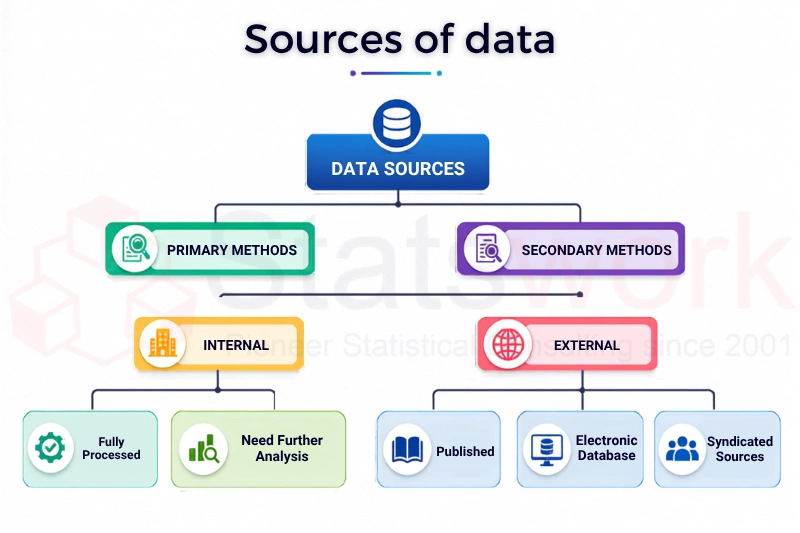
Secondary Data Collection in Healthcare Research
Healthcare research needs more attention since it can have a significant impact on clinical, epidemiological, and public health-related conclusions. It is essential for researchers to utilize secondary healthcare data for studying patterns, healthcare trends, treatment outcomes, population health, and health-care-related issues.
The significant sources of secondary data in healthcare include:
- National and regional health databases
- Disease and cancer registries
- Hospital record databases
- Electronic health record datasets
- Public health surveillance systems
- Clinical trial registries
- Peer-reviewed medical literature
- Reports from reputable health agencies
For instance, a researcher can use a population health database to find details on the prevalence of a disease instead of undertaking a survey. On the other hand, a study on healthcare trends may involve analysing existing patient records to conclude the effectiveness of treatment or healthcare use [4].
However, it is crucial to evaluate the ethical issues, data governance, completeness, coding, and possible selection biases in healthcare data before analysing it to reveal patterns or make conclusions.
How to Assess Secondary Data Quality
Finding a data set is not enough; researchers will have to assess the data to make sure that the data is useful for them.
Here is how you can do that in a simple way:
- Authority: Who gathered and published the data?
- Methodology: What methodology was used to gather, sample, measure, or process the data?
- Relevance: Is the data relevant to my research question?
- Currency: Is the data current?
- Coverage: Does the data cover the population, region, or period that I need?
- Completeness: Does the data contain all the variables or observations that I need?
- Consistency: Were the definitions, classifications, and measurements consistent?
- Bias: Is there any possible bias in this data?
Researchers must also review other related documentation such as metadata, methodology notes, data dictionaries, etc.
Secondary Data vs. Primary Data
| Factor | Secondary Data |
| Source | Already available |
| Cost | Relatively low |
| Speed | Fast |
| Control | Less control |
| Purpose | May need to be modified |
In many projects, combining both approaches can provide stronger evidence. Secondary data can establish background trends, while primary research can address specific questions that existing datasets cannot answer [2].
Best Practices for Reliable Secondary Data Collection
To improve the quality of secondary research:
- Use objective sources to collect data and be transparent.
- Analyse not only the summary, but also the methodology used.
- Scrutinize major findings obtained from various sources.
- Cite the source, the year of publication, the database version, and the access date.
- Point out missing information, duplicates, and contradictions.
- Consider sampling and reporting biases.
- Remember that health care data should be ethically managed.
Conclusion
The secondary data collection process is very important in making sure that the results obtained from market and health researchers are accurate and reliable. The reliability of data source, relevance, method of collection, completeness of data sets, and potential for bias are some of the main factors that researchers have to consider before using secondary data.
At StatsWork, we provide Professional Secondary Data Collection Services that will enable researchers to identify reliable sources of secondary data. Our team can help you obtain the right sets of data, analyses these data, and arrange the data in a proper manner so that it can be used later in the research work.
Need reliable data for your research? Choose StatsWork’s Secondary Data Collection Services and get accurate, relevant, and research-ready data to move your project forward.
Frequently Asked Questions (FAQs)
Secondary data collection is the process of gathering and analysing data that was previously collected, compiled, or published for a purpose other than the current research.
Secondary data collection can save researchers time and cost while providing access to large amounts of existing data from reliable sources.
Primary data provides greater control and is collected specifically for research purposes, whereas secondary data is generally faster and less costly but offers less control over how the data was originally collected.
The main methods of collecting secondary data include using government databases, healthcare databases, registries, research journals, industry reports, company reports, public health databases, and international databases.
Five common methods of data collection are surveys, interviews, observations, primary data collection, and secondary data collection.
Ten examples of secondary sources include government census data, economic data, journal articles, health registries, hospital reports, industry reports, company reports, public health data, clinical trial registries, and international databases.
References:
- Haile, Z. T. (2025). About Research-The utility of secondary data analysis in breastfeeding research: Opportunities and challenges. Journal of Human Lactation, 41(1), 16-21.https://journals.sagepub.com/doi
- Ernst, M. A., Draghi, B. N., Cimino, J. J., Patel, V. L., Zhou, Y., Shubrook, J. H., … & Jing, X. (2025). A secondary data analysis on hypotheses generated by inexperienced clinical researchers: Cases from a randomized controlled study. Health informatics https://journals.sagepub.com/doi
- Basnet, R. (2025). Healthcare marketing strategies: traditional techniques, trends of today and technology for tomorrow. National Open College, 24. https://noc.edu.np/wp-content/uploads/2025/07/Insight-Journal-of-National-Open-College.pdf#page=29
- Gettman, D. Manufacturing, Distribution, and Marketing of Medications: A Theory-Driven Research Study with a Data Analysis Plan.https://www.researchgate.net