statswork

Step-by-Step Guide to Data Analysis Services for Market and Healthcare Research

Step-by-Step Guide to Data Analysis Services for Market and Healthcare Research

In the modern data-driven world, businesses and researchers rely on data analysis services to help them make informed decisions through research analytics. From understanding customer behavior during market research to providing quality healthcare, data plays a vital role [1].

Despite its importance, most professionals are still unaware of the process of data analysis, which includes the execution of the process. The following guide will help you understand the process of data analysis services, which help industries derive useful information from data.

What Are Data Analysis Services in Research?

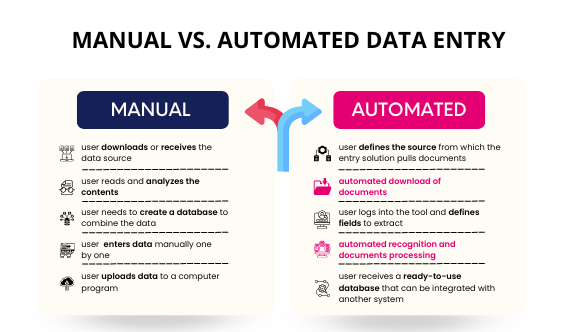
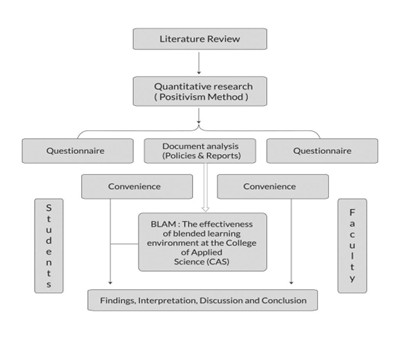
Data analysis services involve the collection, cleaning, processing, and interpretation of data to derive useful information from them. The data analysis service incorporates both qualitative research and quantitative research to provide effective results [2].

Functions of Data Analysis Services

  • Data collection and organization
  • Data cleaning and validation
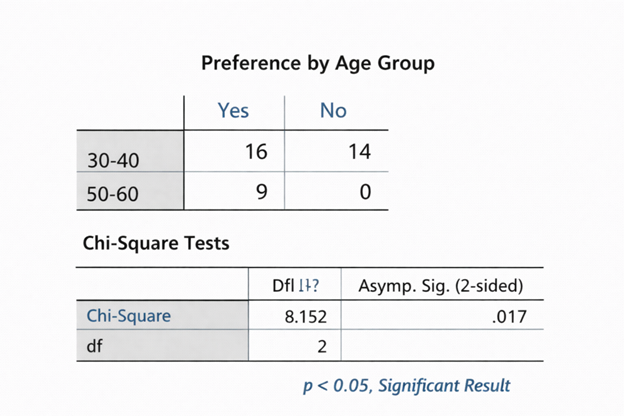
  • Statistical analysis and interpretation
  • Development of statistical insights
  • Research reporting

Why Data Analysis Services Matter

Research analytics plays an important part in enhancing decision-making processes in various industries.

Impact Across Industries

IndustryRole of Data AnalysisOutcome
Market ResearchAnalyze customer behaviorBetter customer targeting
Healthcare ResearchEvaluating customer dataBetter customer outcomes
Business StrategyIdentify trends [3]Data-driven decisions
Research ReportingPresent research findingsBetter communication

Key Insight:

The use of data analysis services for market research projects helps businesses predict trends, while the use of research analytics in the healthcare sector leads to better outcomes.

Types of Data Analysis Used in Research

Qualitative Research AnalysisQuantitative Research AnalysisMixed-Method Approach
  • Concerned with non-numerical data
  • Aids in understanding opinions and behavior
  • Typically involve interviews and focus groups
  • Concerned with numerical data
  • Employing statistical models for analysis
  • Produces statistical insights [4]
  • Incorporates both qualitative and quantitative analysis
  • Offers in-depth and accurate results
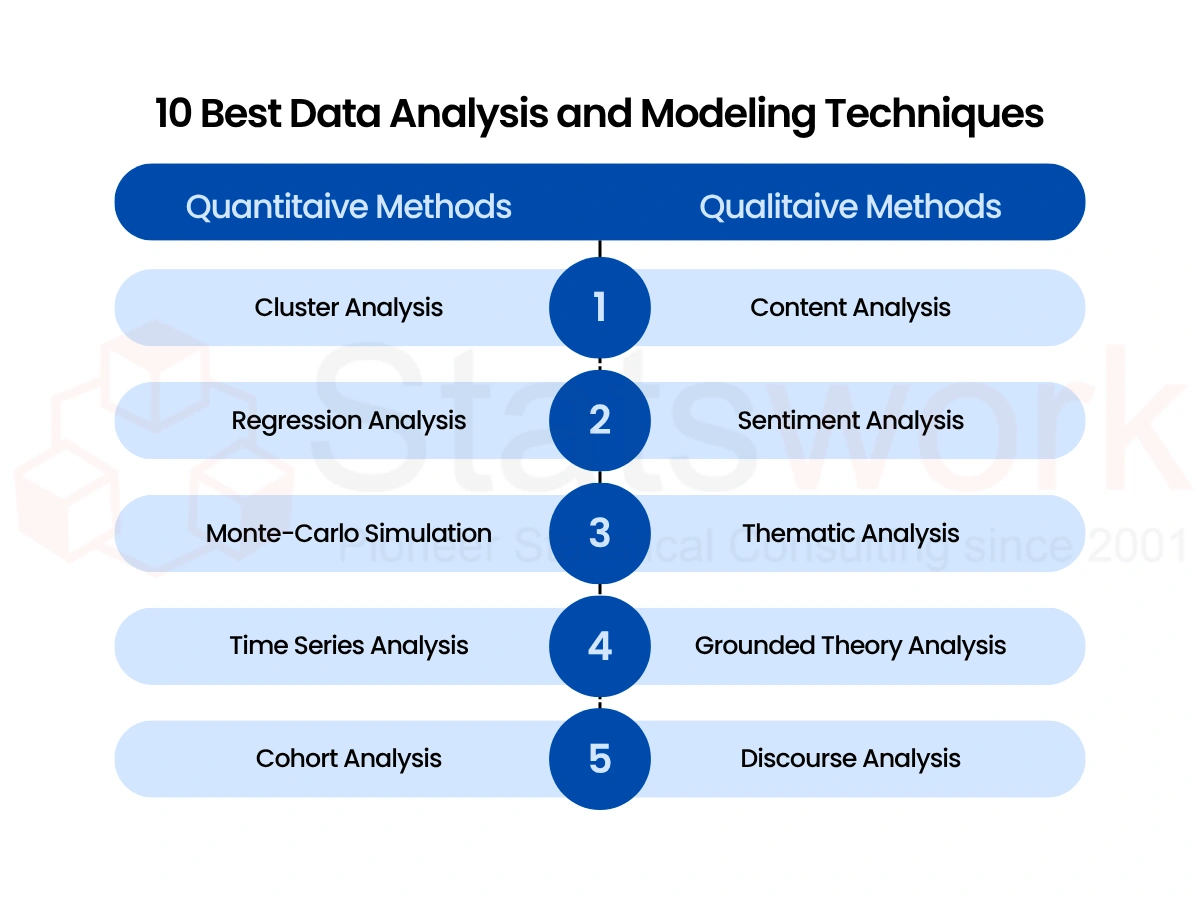
step-by-step data analysis for healthcare studies

Fig 1: Key Quantitative and Qualitative Data Analysis Techniques Used in Research Analytics

Step-by-Step Process of Data Analysis Services

Understanding the process of how to perform data analysis services involves a specific workflow.

Data Analysis Process Overview

Step Description Keywords Focus
Step 1 Define research objectives what steps are involved in data analysis
Step 2 Collect and prepare data How to perform data analysis services
Step 3 Clean and validate data [5] data accuracy
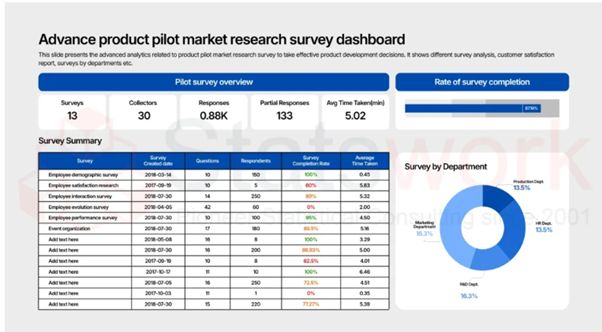
Step 4 Analyze and interpret data research analytics
Step 5 Report and visualize findings research reporting

Detailed Explanation

  • Step 1 – Defining the Goals of the Research
  • This is the step where the objectives of the research are clearly outlined. This is a key step in ensuring clarity.
  • Step 2 – Data Collection and Preparation
  • This is the step where both structured and unstructured data is collected from surveys or experiments [3].
  • Step 3 – Data Cleaning and Validation
  • This is the step where the collected data is validated to ensure its accuracy.
  • Step 4 – Data Analysis and Interpretation
  • This is the step where the collected data is analyzed using research analytics.
  • Step 5 – Research Reporting and Visualization
  • This is the step where the collected data is represented in a manner that is easily understandable [2].

Tools and Techniques Used in Data Analysis Services

Common Tools

ToolPurpose
ExcelBasic data handling
SPSSStatistical analysis
R / PythonAdvanced analytics
Tableau / Power BIData visualization

These tools enhance the efficiency of data analysis services and improve insight generation.

Applications for Market Research

The services of data analysis in market research projects are often utilized to:

  • Understand customer preferences
  • Identify audience segments
  • Measure the performance of campaigns
  • Predict future trends [2]

Result: Businesses can make better decisions based on available data, utilizing quantitative research and analysis.

how to use data analysis services

Applications in Healthcare Studies

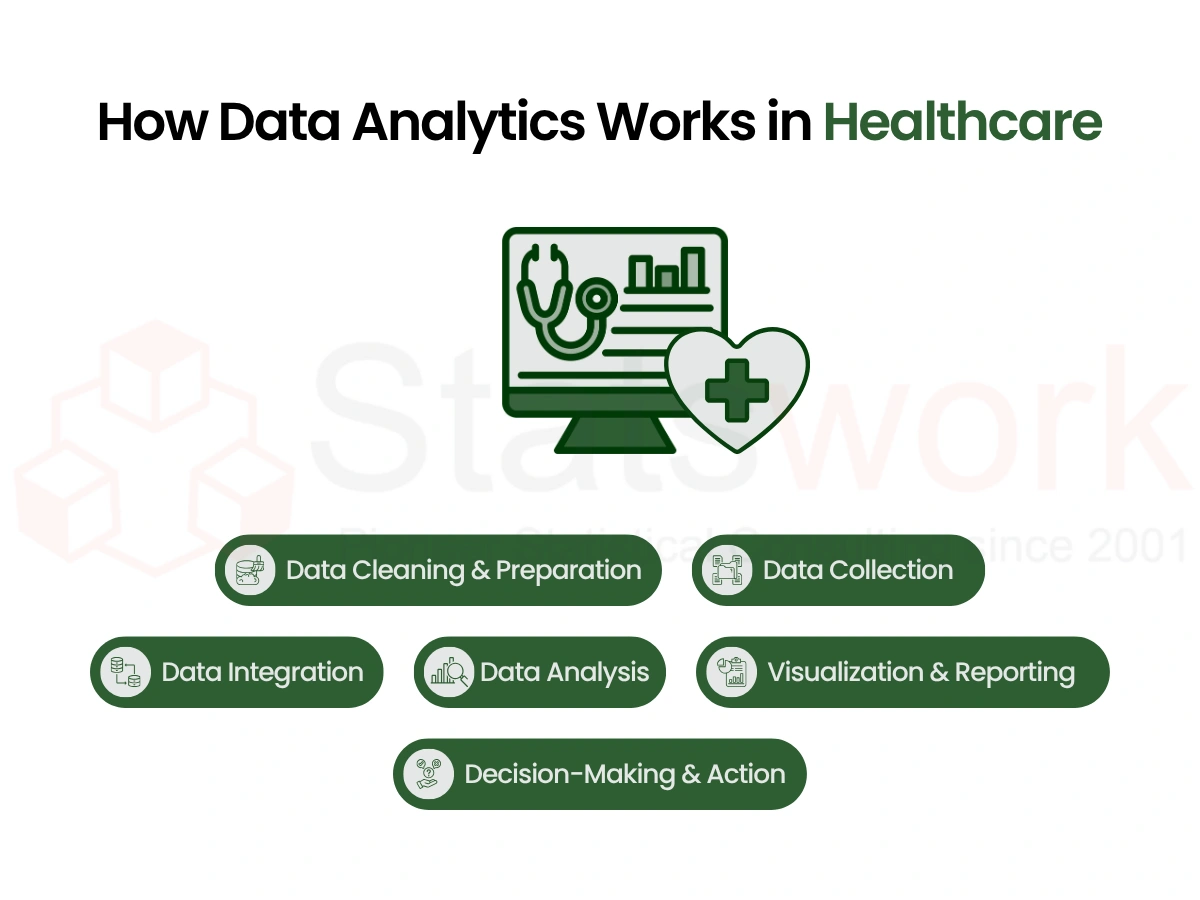
The applications of step-by-step data analysis in the study of healthcare include:>

  • Analysis of patient records
  • Improved accuracy in diagnosis
  • Evaluation of treatment
  • Public health patterns

Outcome: Patient care and better decision-making in the field of medicine.

steps in data analysis services

Challenges in Data Analysis Services

Common Challenges
  • Data quality
  • Incomplete data
  • Data analysis bias
  • Data privacy
  • Handling large amounts of data
                                                     Quick Overview Table
Challenge Impact Solution
Data Errors Inaccurate Conclusions Data cleansing
Bias Misconceptions Proper methodology
Large Data Complexity Advanced tools
Security Risk of security breach Data protection measures

Best Practices for Effective Data Analysis

For data analysis, it is necessary to:

  • Establish clear objectives
  • Use appropriate tools for data analysis
  • Ensure data quality [4]
  • Use appropriate statistical methods
  • Ensure clear reporting

By following these best practices, it is possible to get a clear insight into how to perform data analysis services effectively.

Conclusion

In conclusion, it is vital to understand the importance of data analysis services and research analytics in the transformation of raw data into actionable insights. This is true in both market research and health research [5].

Understanding the steps involved in the analysis of data and the best practice in the field is vital in unlocking the full potential of the data.

Accelerate Your Research with Statswork’s Data Analysis Services
From raw data to meaningful insights, Statswork helps you every step of the way—ensuring precision, reliability, and impact.

References:

    1. Bannon, W. M. (2013). The 7 steps of data analysis. New York: Stats Whisperer. https://thestatswhisperer.com
    2. Sabah, R., Hassan, M., & Qadri, S. S. (2022). Research process and steps involved in data analysis. Journal of Xidian University16(3), 1-5. https://d1wqtxts1xzle7.cloudfront.net
    3. Diaby, V., & Goeree, R. (2014). How to use multi-criteria decision analysis methods for reimbursement decision-making in healthcare: a step-by-step guide. Expert review of pharmacoeconomics & outcomes research14(1), 81-99. https://www.tandfonline.com/doi/abs
    1. Hendriks, M. E., Kundu, P., Boers, A. C., Bolarinwa, O. A., Te Pas, M. J., Akande, T. M., … & Tan, S. S. (2014). Step-by-step guideline for disease-specific costing studies in low-and middle-income countries: a mixed methodology. Global health action7(1), 23573. https://www.tandfonline.com/doi/full
    2. Rashid, Y., Rashid, A., Warraich, M. A., Sabir, S. S., & Waseem, A. (2019). Case study method: A step-by-step guide for business researchers. International journal of qualitative methods18, 1609406919862424. https://journals.sagepub.com/doi/full

Contact us