


Q & A
Meta Analysis
Q: What is Meta Analysis and How Does it Differ from a Traditional Literature Review?

What is Meta-Analysis
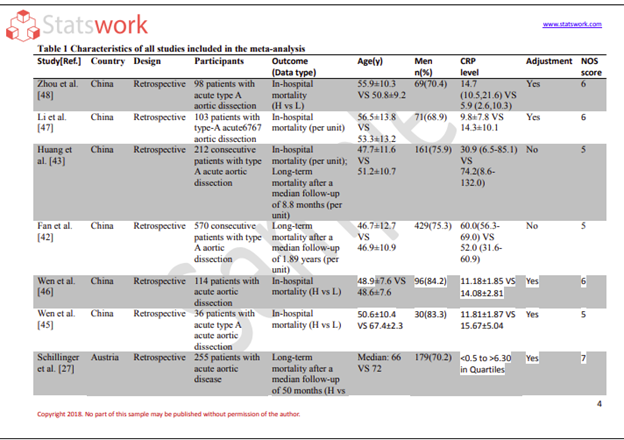
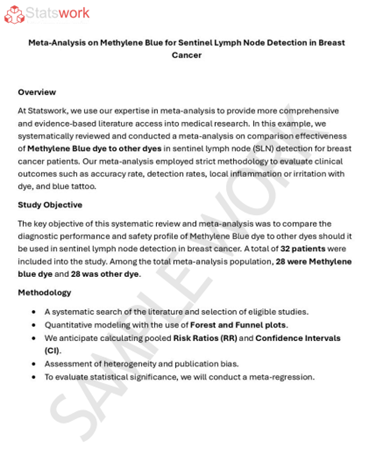
- Meta-analysis is a method of combining results from many independent studies (on the same subject) through a statistical process to create a more accurate estimate of an effect.
- It is applied in evidence-based disciplines such as health care, psychology, and education.
How Does a Meta-Analysis Differ from a Traditional Literature Review?
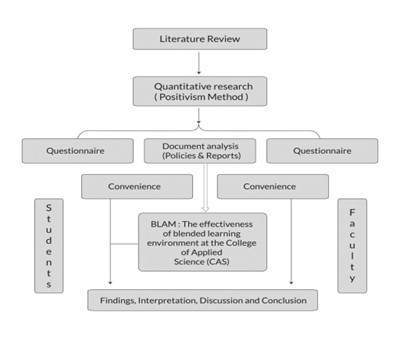
In a typical literature review, existing research is summarized and discussed; however, the studies’ findings are not compiled statistically.
A meta-analysis combines the findings of previous studies using quantitative methods.
- Literature review: descriptive, narrative.
- Meta-analysis: statistical, quantitative.
Key Steps in Conducting a Meta-Analysis
- Through combining many different small studies into a single analysis, the overall conclusion from all these studies is stronger.
- Combining results from studies enables researchers to see if the study findings are similar across all studies.
- By looking at how study results differ, researchers can see what effect demographic information has on the results of the study.
Why Is Meta-Analysis Valuable?
- By aggregating data from multiple small research works together through Meta-analysis can provide an increase in statistical power.
- This brings clarity about uncertainty and highlights those patterns of behaviour that were unrecognizable when observing results from one research study alone.
- Meta-Analysis indicates the discrepancies in research results due to methodological differences or the characteristics of the samples being measured.
What Are the Limitations of Meta-Analysis Compared to Literature Reviews?
Meta-Analysis | Literature Review |
Utilizes the quality and similarities of selected studies to summarize. | Summarises studies that may have serious differences. |
Summary may mislead due to extensive differences between studies. | Thematic insights relating to broader themes exist with or without statistical reliability. |
Results of the review are subject to potential publication limited to only those studies report favourable results. | It is possible to explore a wider array of sources and to account for any potentially excluded data. |