
- Services
- Data Analysis services
- Sample Work
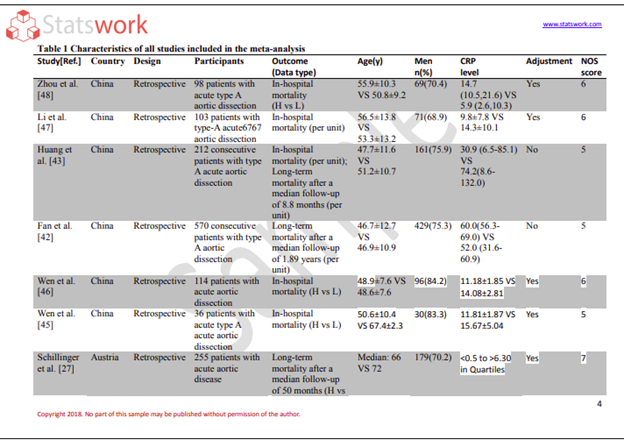
Data Analysis services
- Secondary Qualitative Research Services
- Secondary Quantitative Research Services
- Meta-Analysis Research services
- Sample Work
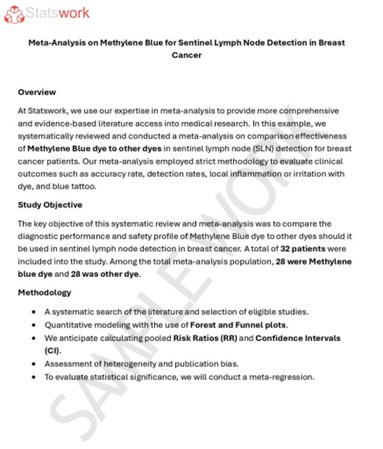
Meta-Analysis Research Services
- Data Collection Services
- Sample Work
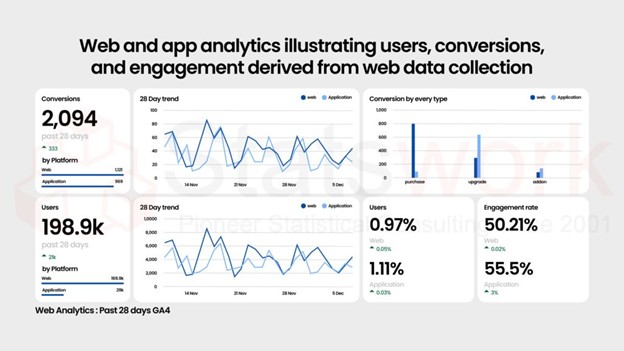
Data Collection Services
- Statistical & Biostatistics services
- Sample Work
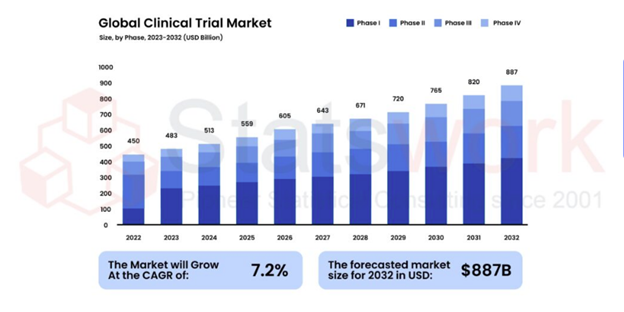
Statistical Programming & Biostatistics services
- Data Management Services
- Sample Work
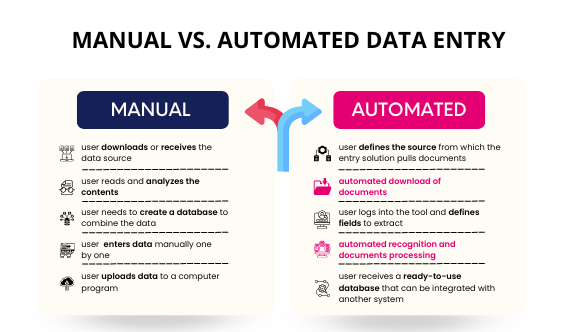
Data Management Services
- Research methodology services
- Sample Work
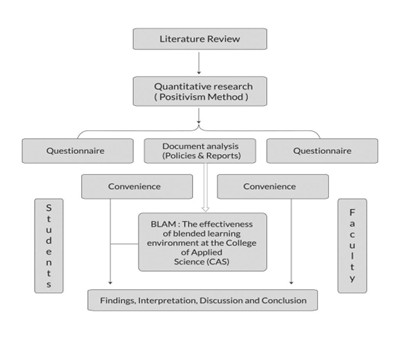
Research methodology services
- Tool Development Services
- Sample Work
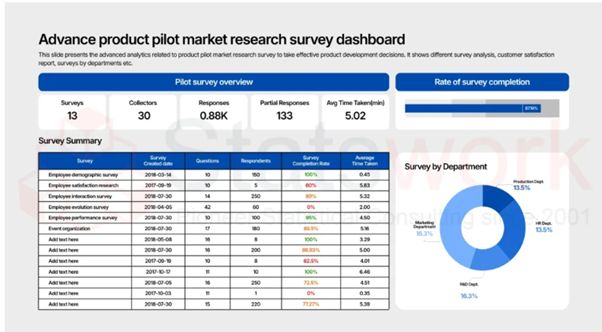
Tool development services
- Statistical Interpretation services
-
Statistical Interpretation services
- Sample Work
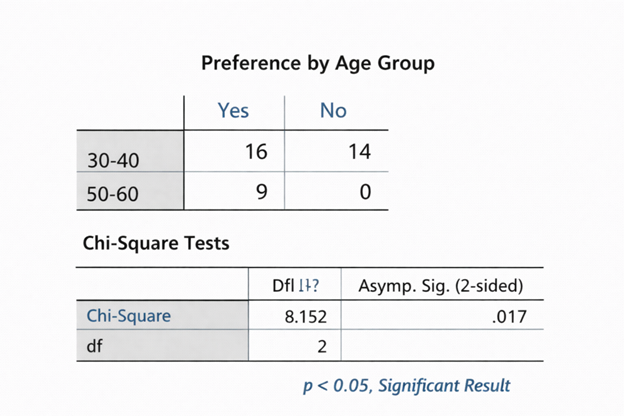
Statistical Interpretation services
-
- Sample Size Calculation Services
-
Sample Size Calculation Services
- Sample Work
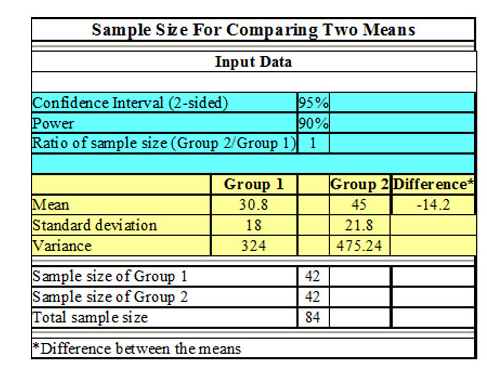
Sample Size Calculation Services
-
- AI & ML Services
-
Artificial Intelligence and Machine Learning Services
- Sample Work
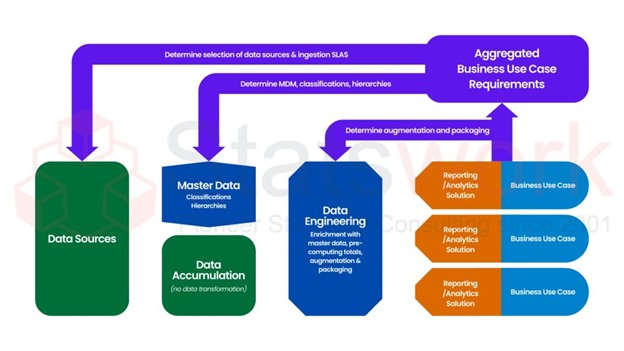
Artificial Intelligence and Machine Learning Services
-
- Meaningful Visualization Services
- Thought Leadership Services
- Report Generation Services
-
Report generation Service
- Sample Work
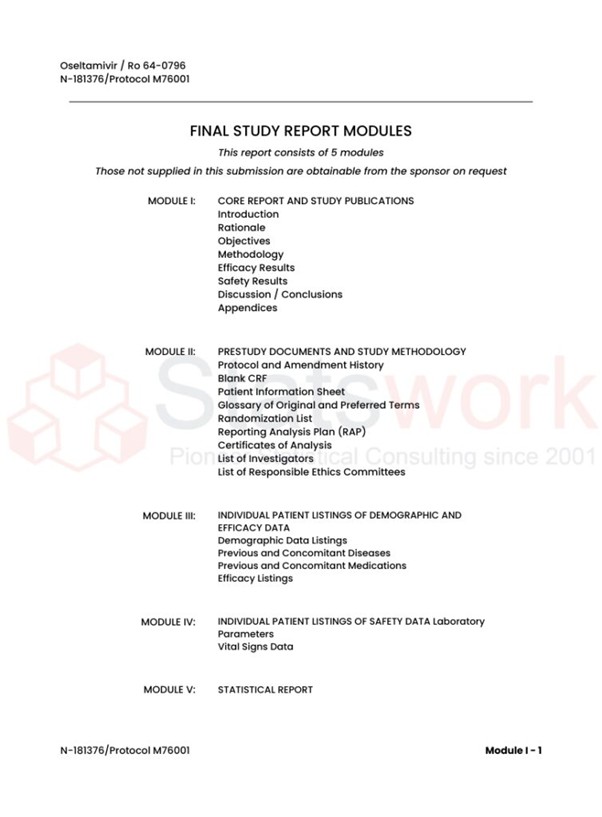
Report generation Services
-
- Data Analysis services
- Industries
- About Us
- Blog
- Insights
- Contact Us
- Services
- Data Analysis services
- Sample Work
Data Analysis services
- Secondary Qualitative Research Services
- Secondary Quantitative Research Services
- Meta-Analysis Research services
- Sample Work
Meta-Analysis Research Services
- Data Collection Services
- Sample Work
Data Collection Services
- Statistical & Biostatistics services
- Sample Work
Statistical Programming & Biostatistics services
- Data Management Services
- Sample Work
Data Management Services
- Research methodology services
- Sample Work
Research methodology services
- Tool Development Services
- Sample Work
Tool development services
- Statistical Interpretation services
-
Statistical Interpretation services
- Sample Work
Statistical Interpretation services
-
- Sample Size Calculation Services
-
Sample Size Calculation Services
- Sample Work
Sample Size Calculation Services
-
- AI & ML Services
-
Artificial Intelligence and Machine Learning Services
- Sample Work
Artificial Intelligence and Machine Learning Services
-
- Meaningful Visualization Services
- Thought Leadership Services
- Report Generation Services
-
Report generation Service
- Sample Work
Report generation Services
-
- Data Analysis services
- Industries
- About Us
- Blog
- Insights
- Contact Us
How Data Cleaning and Statistical Analysis Impact Research Results
Meta Analysis Service
- What is Data Cleaning in Research?
- Key Steps in Data Preparation
- What is Statistical Analysis and Why It Matters
- Types of Analytical Techniques Used in Research
- How Data Cleaning Affects Analysis Outcomes
- Common Issues Caused by Poor Data Quality
- The Role of Statistical Analysis in Research Accuracy
- Real-World Applications of Data Analysis
- Integrating Data Cleaning and Statistical Analysis
- Workflow for Effective Research Data Analysis
- Challenges in Data Cleaning and Analysis
- Why Businesses and Researchers Use Data Analysis Services
- Best Practices for Accurate Research Results
- Conclusion
Recommended Reads
Contact us
How Data Cleaning and Statistical Analysis Impact Research Results
In the modern data-driven environment, the quality of the results is heavily dependent upon the quality of the data preparation and analysis. Therefore, data cleaning and statistical analysis are very vital tools for ensuring the accuracy of the results of the research [1]. Without proper data preparation, the results of the research may be misleading.
A data analysis service is an essential tool for converting raw data into useful insights by using a combination of data preparation and advanced data analysis techniques. It is vital for improving the quality of the research methodology.
What is Data Cleaning in Research?
Clean data is important in improving the accuracy of analysis and in preventing flawed interpretations. It is in this step that data validation becomes important in ensuring that data is consistent in all its variables.
Data cleaning is the process of recognizing and correcting errors, inconsistencies, and inaccuracies in data sets before analysis. It is a basic step in data preprocessing that ensures data integrity and usability [2].
Clean data is important in improving the accuracy of analysis and in preventing flawed interpretations. It is in this step that data validation becomes important in ensuring that data is consistent in all its variables.
Key Steps in Data Preparation
- Removing duplicate records
- Handling missing or incomplete values
- Standardizing formats and structures
- Identifying outliers and anomalies
These steps in data preprocessing provide a strong foundation for accurate and reliable analysis.
What is Statistical Analysis and Why It Matters
Statistical analysis is the use of mathematical and computational methods to interpret data and find patterns.
The importance of statistical analysis is that it helps convert data into useful and evidence-based information. Statistical analysis helps researchers test hypotheses and measure their relationships and make decisions with confidence [3].
Types of Analytical Techniques Used in Research
- Descriptive methods: Summarizing datasets through averages and distributions
- Inferential methods: Drawing conclusions about populations from samples
- Predictive models: Forecasting future trends based on historical data [4]
These methods and techniques are commonly used in statistical analysis for research projects to achieve dependable results.
How Data Cleaning Affects Analysis Outcomes
To appreciate this, it is important to understand that knowing how data cleaning affects analysis is crucial in improving research accuracy. For instance, inaccurate data can cause distortion in research results, while accurate data can improve research results in terms of clarity and precision.
The impact of data cleaning on research accuracy can be seen in terms of improving research results in terms of consistency and accuracy, as well as improving research results in terms of analysis [5].
Common Issues Caused by Poor Data Quality
- Biased or Inconsistent Results
- Misleading Trends and Interpretations
- Invalid or Unsupported Conclusions
- Reduced Credibility of Findings
Good data validation practices ensure that data is aligned to a specific intended research methodology.
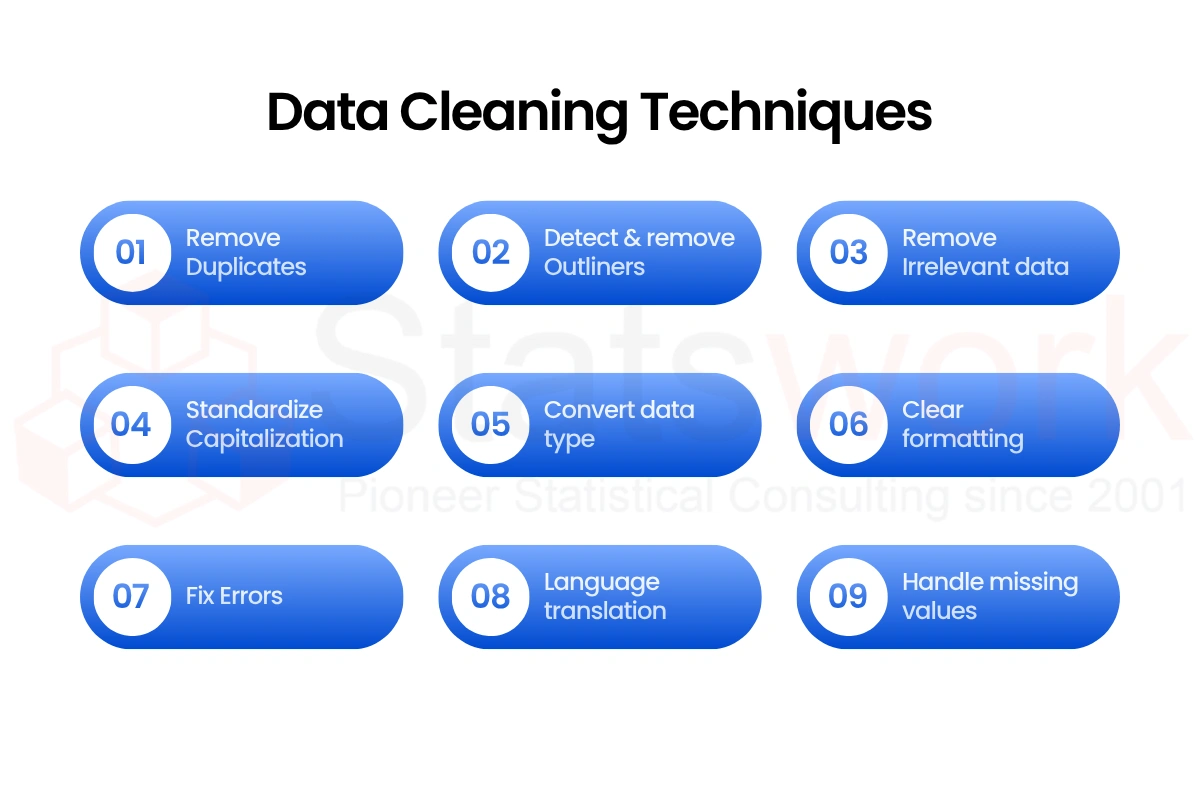
Figure 1: Data Cleaning Techniques for Improving Research Accuracy
The Role of Statistical Analysis in Research Accuracy
However, the question that researchers pose is, why is statistical analysis important? The answer to this is provided in the following manner:
In the context of quantitative research, it is important to understand that the use of statistical methods ensures that conclusions are not based on assumptions [3]. In fact, it is important to understand that inaccurate analytical methods or unclean data sets reduce research accuracy by a significant margin.
Integrating Data Cleaning and Statistical Analysis
However, the question that researchers pose is, why is statistical analysis important? The answer to this is provided in the following manner:
In the context of quantitative research, it is important to understand that the use of statistical methods ensures that conclusions are not based on assumptions [3]. In fact, it is important to understand that inaccurate analytical methods or unclean data sets reduce research accuracy by a significant margin.
Real-World Applications of Data Analysis
- Academic and scientific research
- Business intelligence and forecasting
- Healthcare and clinical studies
- Market and consumer analysis
These examples illustrate the role of statistical analysis in research projects in supporting data-driven decision-making in different industries.
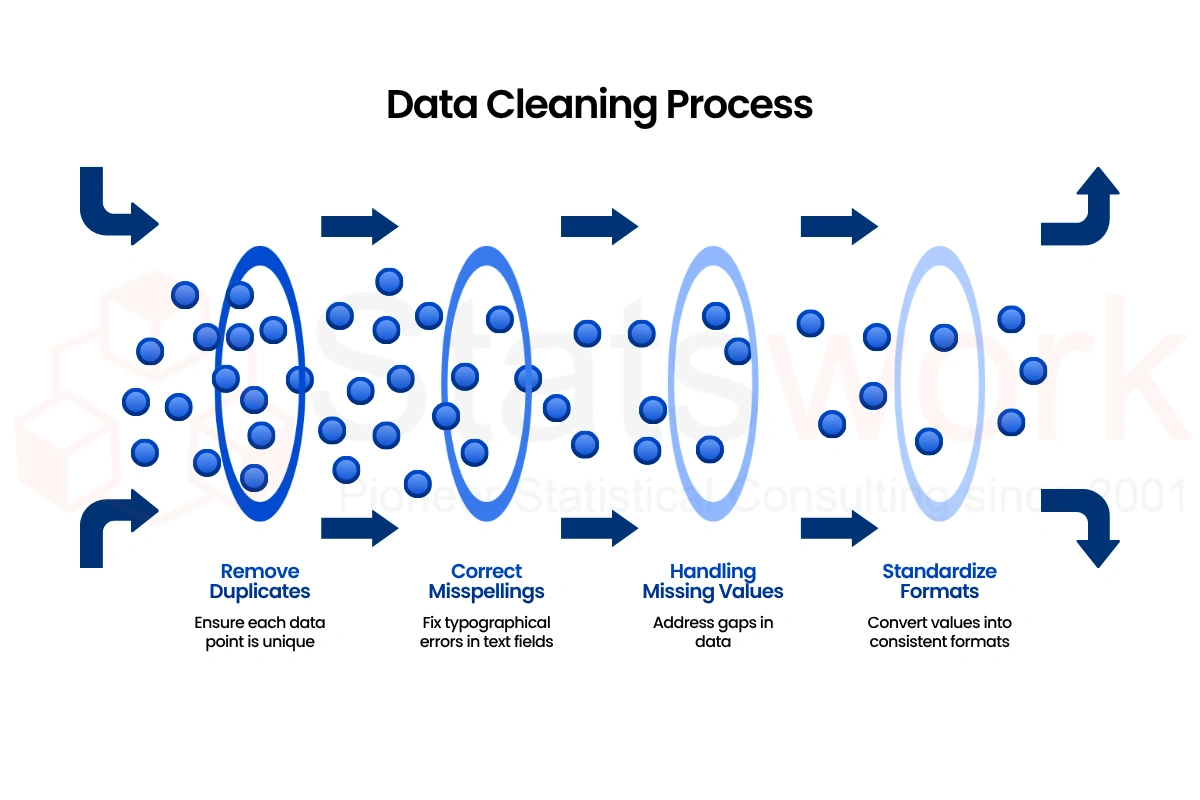
Figure 2: Data Cleaning Process Workflow
Workflow for Effective Research Data Analysis
- Data collection
- Data preprocessing
- Data validation
- Statistical modeling
- Interpretation and reporting
This integrated approach strengthens the overall research methodology and ensures high-quality results.
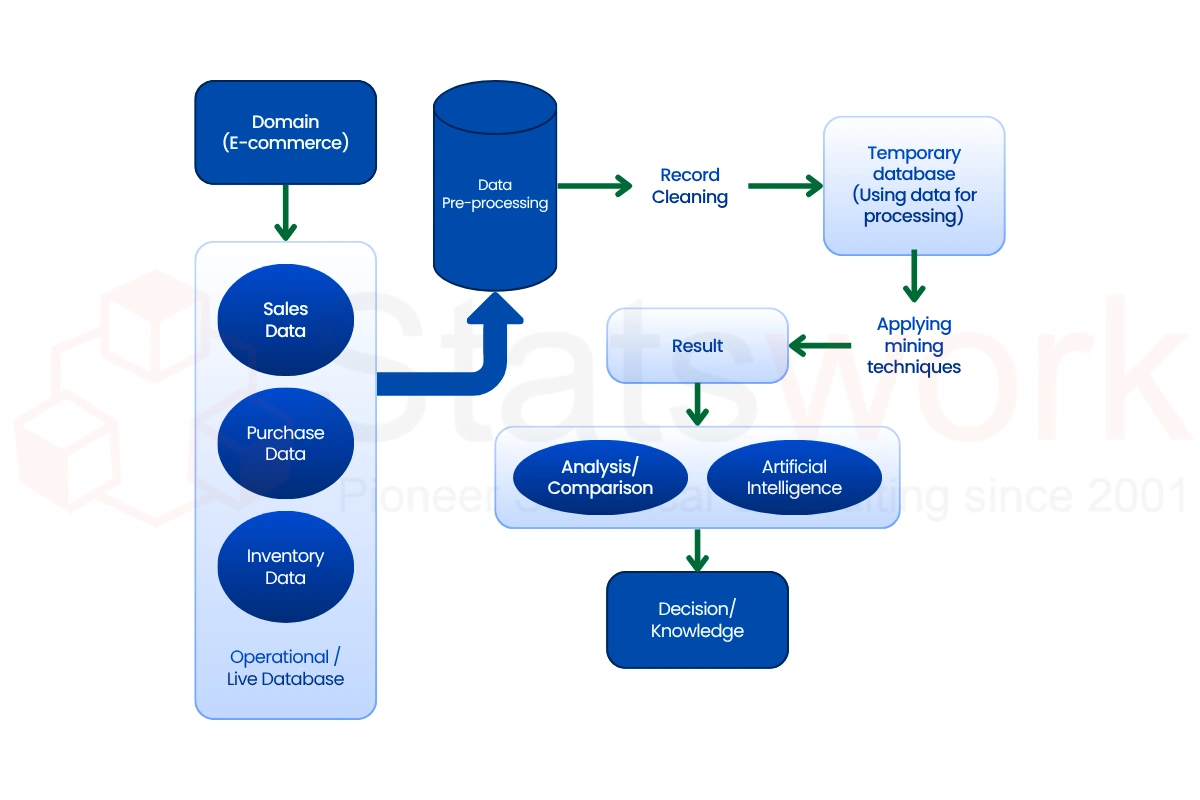
Figure 3: Data Processing and Analytics Pipeline Supporting Evidence-Based Decision Making
Challenges in Data Cleaning and Analysis
- Inconsistent or Unstructured datasets
- Missing or incomplete information
- Handling large-scale data efficiently
- Maintaining data integrity across sources [5]
Why Businesses and Researchers Use Data Analysis Services
The use of a data analysis service is becoming a necessity for organizations. These services provide organizations with the ability to manage complex data and obtain accurate data analysis [3]. These services provide organizations with expertise in data analysis and preparation to ensure the accuracy of the data obtained.
The main advantages of a data analysis service are:
- Improved data accuracy and consistency
- Faster and informed decision-making
- Minimization of analytical risks
- Access to advanced tools and expertise
Best Practices for Accurate Research Results
To ensure that research provides reliable outcomes, it is recommended that researchers adhere to the following best practices:
- Throw thoroughly validate the data before analysis
- Apply the right statistical methods for the data set being analyzed
- Ensure data is in a consistent format
- Ensure the entire research methodology is documented [4]
- Continuously review and audit the data sets being analyzed
These practices will increase the accuracy of the analysis and outcomes in quantitative research.
Conclusion
The combination of data cleaning and statistical analysis finally leads to the quality and accuracy of the results obtained in any given study.
Understanding the impact of data cleaning on research results can help researchers avoid major mistakes in their studies [5].
If you need accurate results that are reliable and can be acted upon, then a proper approach or a data analysis service can be all that it takes.
Frequently asked questions:
- How data cleaning and statistical analysis impact research results PDF?
- Ensures datasets are accurate and free from errors
- Improves reliability of statistical models and findings
- Reduces bias and inconsistencies in research outcomes
- Enhances clarity and interpretation of results
- Supports better decision-making with validated insights
- Explain how data cleaning and statistical analysis impact research results
- Data cleaning removes errors, duplicates, and missing values
- Improves data quality and consistency across variables
- Statistical analysis helps interpret patterns and relationships
- Enables accurate hypothesis testing and validation
- Together, they ensure reliable and evidence-based conclusions
- How data cleaning and statistical analysis impact research results example
- Example: A healthcare study with missing patient data
- Data cleaning fills gaps and removes incorrect entries
- Statistical analysis identifies trends in treatment outcomes
- Clean data leads to accurate conclusions about patient recovery
- Poor data would result in misleading or biased insights
- Data cleaning example
- Removing duplicate customer records from a dataset
- Filling missing values using averages or predictive methods
- Correcting inconsistent formats (e.g., date formats)
- Eliminating outliers that distort analysis
- Standardizing data for uniform interpretation
- Why is data cleaning important in data analysis
- Prevents errors that can distort analytical results
- Improves accuracy and reliability of insights
- Ensures consistency across datasets
- Supports better statistical modeling
- Enhances overall data integrity
- Data cleaning in data analysis
- Acts as the first step before any analytical process
- Prepares raw data for meaningful interpretation
- Includes data preprocessing and validation techniques
- Reduces noise and inconsistencies in datasets
- Improves efficiency of statistical analysis
References:
- Chu, X., Ilyas, I. F., Krishnan, S., & Wang, J. (2016, June). Data cleaning: Overview and emerging challenges. In Proceedings of the 2016 international conference on management of data(pp. 2201-2206). https://dl.acm.org/doi/abs/10.1145/28829
- Osborne, J. W. (2013). Is data cleaning and the testing of assumptions relevant in the 21st century?. Frontiers in psychology, 4, 370. https://www.frontiersin.org/journals/
- Sharifnia, A. M., Kpormegbey, D. E., Thapa, D. K., & Cleary, M. (2026). A primer of data cleaning in quantitative research: Handling missing values and outliers. Journal of Advanced Nursing, 82(1), 970-975. https://onlinelibrary.wiley.com/doi/full/10
- Osborne, J. W. (2010). Data cleaning basics: Best practices in dealing with extreme scores. Newborn and Infant Nursing Reviews, 10(1), 37-43. https://www.sciencedirect.com/science
- Fadele, A. A., & Rocha, A. (2025). Quantitative research data preparation and cleaning process. In The Art and Science of Quantitative Research(pp. 155-184). Cham: Springer Nature Switzerland. https://link.springer.com/chapter/10.1007