
- Services
- Data Analysis services
- Sample Work
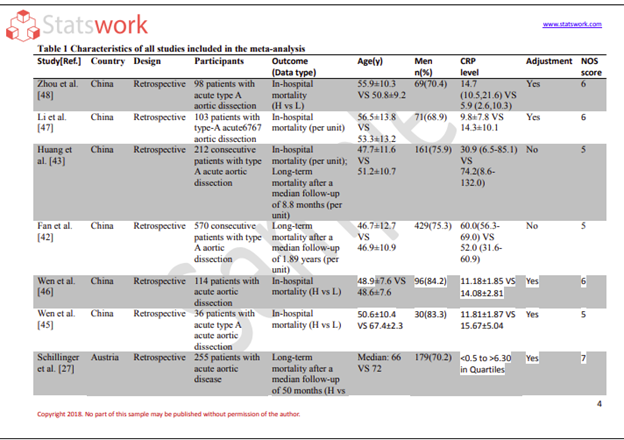
Data Analysis services
- Secondary Qualitative Research Services
- Secondary Quantitative Research Services
- Meta-Analysis Research services
- Sample Work
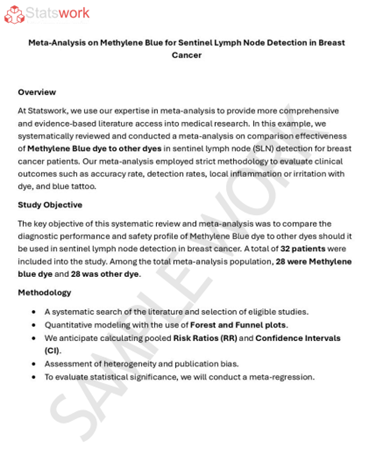
Meta-Analysis Research Services
- Data Collection Services
- Sample Work
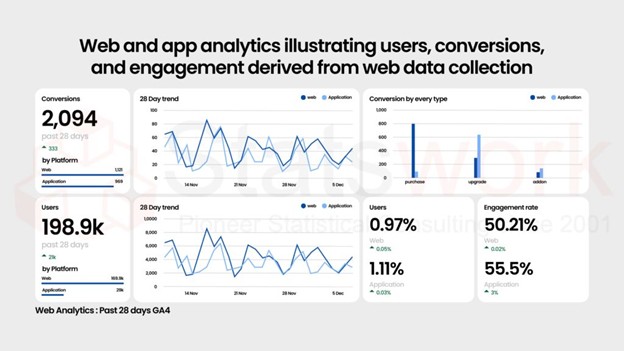
Data Collection Services
- Statistical & Biostatistics services
- Sample Work
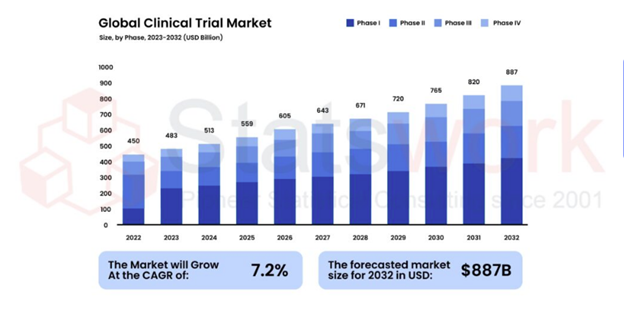
Statistical Programming & Biostatistics services
- Data Management Services
- Sample Work
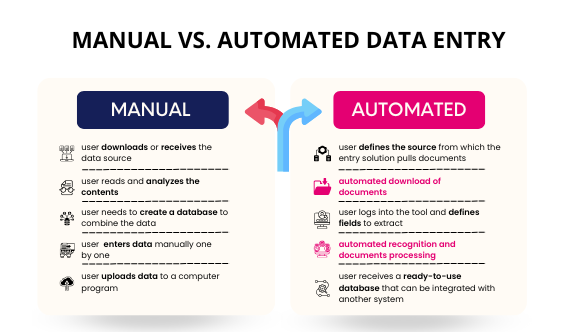
Data Management Services
- Research methodology services
- Sample Work
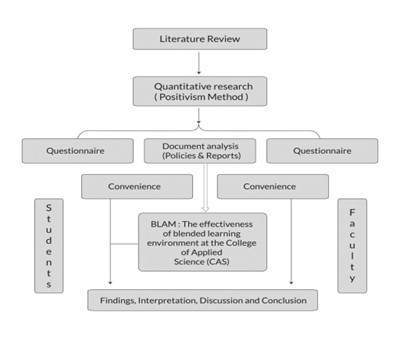
Research methodology services
- Tool Development Services
- Sample Work
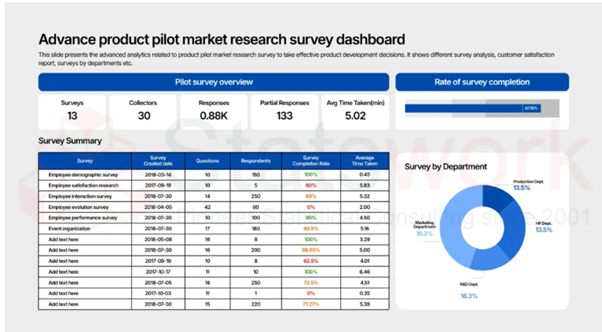
Tool development services
- Statistical Interpretation services
-
Statistical Interpretation services
- Sample Work
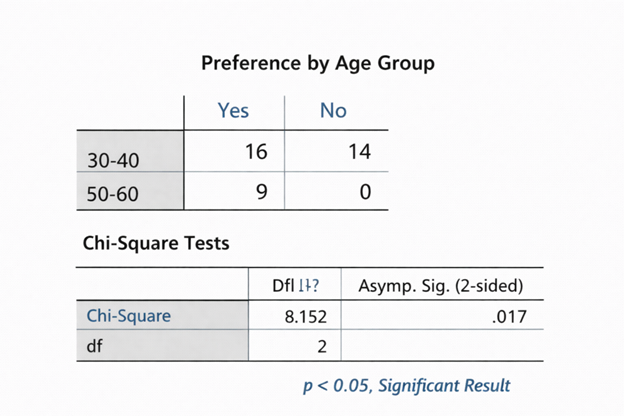
Statistical Interpretation services
-
- Sample Size Calculation Services
-
Sample Size Calculation Services
- Sample Work
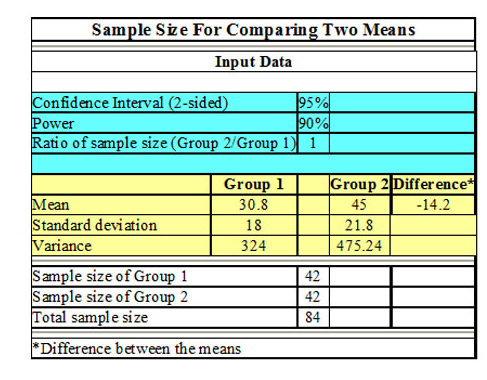
Sample Size Calculation Services
-
- AI & ML Services
-
Artificial Intelligence and Machine Learning Services
- Sample Work
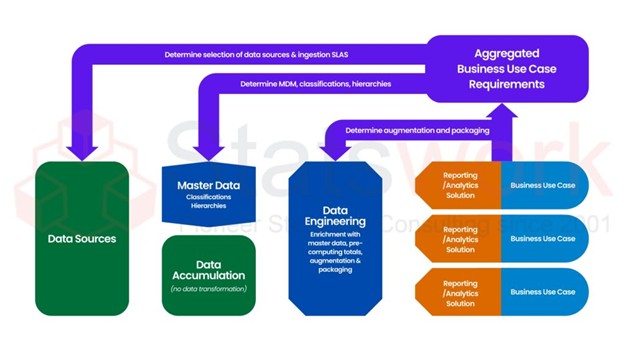
Artificial Intelligence and Machine Learning Services
-
- Meaningful Visualization Services
- Thought Leadership Services
- Report Generation Services
-
Report generation Service
- Sample Work
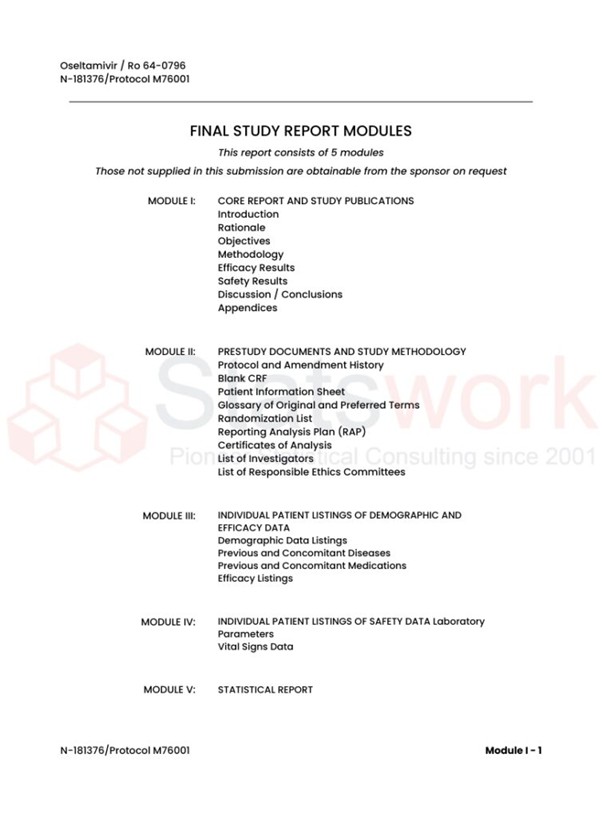
Report generation Services
-
- Data Analysis services
- Industries
- About Us
- Blog
- Insights
- Contact Us
- Services
- Data Analysis services
- Sample Work
Data Analysis services
- Secondary Qualitative Research Services
- Secondary Quantitative Research Services
- Meta-Analysis Research services
- Sample Work
Meta-Analysis Research Services
- Data Collection Services
- Sample Work
Data Collection Services
- Statistical & Biostatistics services
- Sample Work
Statistical Programming & Biostatistics services
- Data Management Services
- Sample Work
Data Management Services
- Research methodology services
- Sample Work
Research methodology services
- Tool Development Services
- Sample Work
Tool development services
- Statistical Interpretation services
-
Statistical Interpretation services
- Sample Work
Statistical Interpretation services
-
- Sample Size Calculation Services
-
Sample Size Calculation Services
- Sample Work
Sample Size Calculation Services
-
- AI & ML Services
-
Artificial Intelligence and Machine Learning Services
- Sample Work
Artificial Intelligence and Machine Learning Services
-
- Meaningful Visualization Services
- Thought Leadership Services
- Report Generation Services
-
Report generation Service
- Sample Work
Report generation Services
-
- Data Analysis services
- Industries
- About Us
- Blog
- Insights
- Contact Us
How to Validate and Clean Data for Accurate Business Insights
Meta Analysis Service
Recommended Reads
Contact us
Summary:
Data quality is extremely important in B2B operations, as any lack of quality can cost the organization dearly—errors in the data, duplications, and inconsistency will affect decision making. Organizations that take the time to validate their data see improvements by as much as 30 to 40 percent in efficiency and forecasting. Below is an 8-step approach for turning your data into business intelligence.
In today’s competitive B2B business, there is an immense amount of data generated daily, but it is rarely the case that this information is immediately useful. Inaccurate data, inconsistencies in database entries, duplicates, and incomplete fields all impede the ability of organizations to obtain analytical insights [1].
Data validation and cleansing solutions are critical to enterprise organizations that seek to remain competitive in today’s data-driven economy. Businesses that invest in data auditing and cleansing reports gain 30-40% in improving overall performance and accuracy of forecasts.
The Business Impact of Poor Data Quality
What Happens When You Ignore Data Cleaning?
| Business Implication | Effect on B2B Processes |
| Inaccurate Reporting | Compliance Violations, Poor Customer Segmentation |
| Non-Conformity to Law | Legal risks, strained client relations |
| Bad Client Segmenting | Useless marketing budget, poor ROI |
| Operational Inefficiency | Repetition of tasks, wastage of resources |
| Wrong Strategy | Failed to capitalize on market, delayed growth |
Besides the obvious issues of inaccurate data analysis, poor information quality may result in:
- loss of competitive advantage,
- regulatory problems (and consequent fines),
- damage to the company’s reputation (and consequent loss of customers),
- ineffective spending (on data analytics or other areas of the business).
Common Data Quality Issues in Enterprise Environments
Before implementing solutions, diagnose your existing data problems:
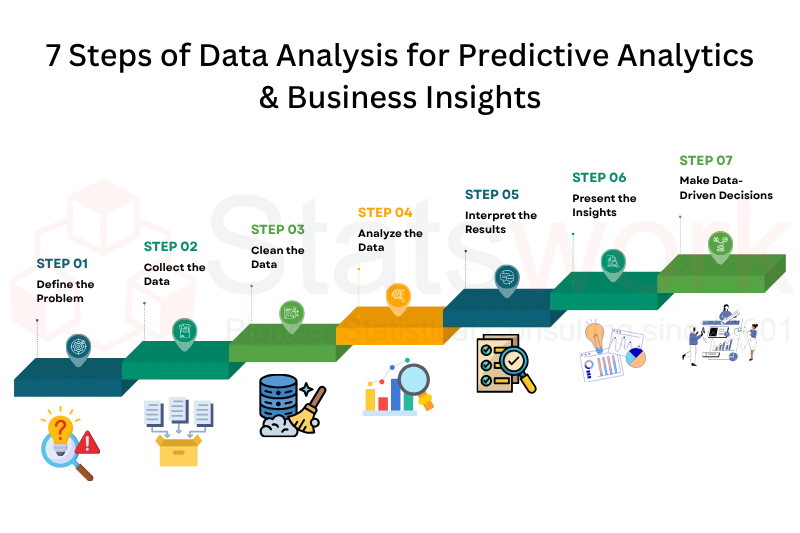
Primary Data Quality Challenges:
The types of inconsistencies in data are listed below:
- Duplicate or redundant data records in data sources and databases
- missing or blank data fields in a database record or file
- Formatting inconsistencies for dates, currency, zip codes
- Stale data
- Contradictory records
- Incorrect data format
- Different terms for the same entity [2]
Step-by-Step Data Validation and Cleaning Strategy
1. Conduct Comprehensive Data Profiling
The profiling tool can help you achieve a complete understanding of your data environment by making it possible for you to identify anomalies/outliers,
- assess the completeness of your data based on percentage,
- analyze value distributions,
- identify formatting issues and score data quality.
2. Establish Business Rules and Validation Criteria
Define precise standards aligned with your operational needs:
| Data Type | Validation Rule | Business Rule |
| Customer Names | Alphabetic only, no special characters | Required field, title case formatting |
| Email Addresses | Must contain @ and valid domain | Verified against DNS records |
| Phone Numbers | Must match regional format (e.g., +1-XXX-XXX-XXXX) | Required for contact records |
| Transaction Dates | YYYY-MM-DD format, no future dates | Must fall within fiscal period |
| Account Codes | 6-digit alphanumeric, specific patterns | Must exist in GL chart of accounts |
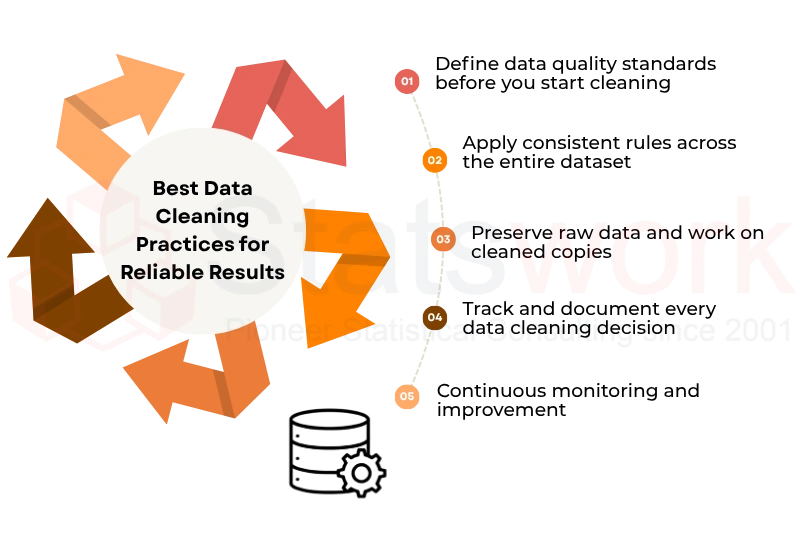
3. Deploy Automated Data Cleansing Solutions
Modern platforms offer innovative solutions to eliminate manual processing of data:
Using Open Refine helps identify duplicates and normalize conflicting values.
- Microsoft Power Query is essentially used to transform and validate Excel and Power BI data.
- Trifacta Wrangler, in its turn, AI-assisted data profiling and transformation with intelligent recommendations, learns patterns from sample corrections [3].
- Ataccama ONE discovers, manages, and improves data quality to ensure data governance.
4. Execute Data Standardization and Scrubbing
Convert your data to a common format:
- format all dates in ISO 8601 format
- standardize text casing and special characters
- synchronize country codes and regions
- standardize currency formats
- convert addresses against postal code databases
5. Implement Deduplication and Record Merging
Consolidate fragmented data across systems:
- use fuzzy matching algorithms to identify similar records
- merging similar customer profile records into single records
- eliminate vendor redundancies
- reconcile conflicting information using priority rules [4]
6. Validate Against Trusted External Sources
Enhance data reliability through external verification:
- Match records against government registries
- Check financial institutions’ databases for match
- Corporate data validation with industry databases
- Verification against existing CRMs and ERPs
7. Establish Human-in-the-Loop Quality Assurance
Automation accelerates processing, but human oversight ensures accuracy:
- SMEs perform complex / sensitive data analysis
- Compliance team validates regulatory requirements
- Domain specialists ensure business logic conformity
- Quality auditors perform sample-checks on cleansed data [3]
8. Build Continuous Monitoring and Audit Systems
Data quality is an ongoing discipline, not a one-time project:
- Establish data quality scorecards with key performance indicators
- Monitor validation metrics in real-time
- Review and analyze recurring problems and their root causes
- Conduct regular audits and recertification [2]
- Document all changes and improvements of the data quality process
A financial services firm discovered 12,000 duplicate customer records across systems after acquiring a competitor. Merging these records improved marketing accuracy by 35% and reduced operational costs by 8%
Industry-Specific Data Cleansing Applications
Financial Services: 4 detailed benefits with specific regulations (FDIC, Basel III, Dodd-Frank)
Healthcare and Pharmaceutical Industry: Integrity in clinical trials, prevention of duplicating patient records, more accurate research
Retail and E-commerce: Improved customer profiling, better stock management, effective supply chain management
Manufacturing: More efficient quality control, better scheduling of productions, waste reduction
Professional Services: Improved profitability, accurate usage of resources, improved invoice [4]
The ROI of Professional Data Validation Services
Why Outsource to Specialists?
- Enterprise-level technology and infrastructure
- Knowledgeable data processing professionals
- Better project delivery and faster realization of value
- Ability to scale up without adding to your payroll
- Alignment with industry standards and regulations
- Lower cost to your internal resources
Conclusion
Validated and clean data is the building block of successful analytics and strategic operations within the business. Through data governance, automation, and effective use of technology and human skills, companies can turn raw data into valuable business intelligence.
The competitive edge lies in those companies that take the issue of data quality seriously.
Ready to Transform Your Enterprise Data Quality?
Statswork enterprise data validation and cleansing services deliver analysis-ready, audit-ready data tailored to your specific business requirements. Our certified data specialists combine advanced automation with subject matter expertise to ensure your organization’s data integrity and compliance.
Take the first step toward better decisions:
- Get a free data quality assessment for your enterprise
- Learn how other B2B organizations improved analytics accuracy by 40%+
- Discover which data validation approach fits your business model
Frequently Asked Questions (FAQs)
Data accuracy is validated by checking the data for errors, missing values, duplicates, and inconsistencies.
Validation processes confirm that the data is accurate, complete, and consistent.
These checks help ensure reliable analysis and decision-making.
The 5 C’s of data analytics are Collect, Clean, Contextualize, Correlate, and Communicate.
They describe the process of gathering, preparing, understanding, connecting, and presenting data.
Together, they help turn raw data into useful business insights.
Yes, ChatGPT can assist with data analysis by examining datasets and identifying patterns or trends.
It can support tasks such as data cleaning, calculations, summaries, and interpretation.
However, results should be validated before making important decisions.
The best data-cleaning tool depends on the dataset, workflow, and analysis requirements.
Common tools include Python, R, Excel, and SQL for identifying errors, duplicates, and inconsistencies.
Effective cleaning prepares reliable, analysis-ready data.
Five useful validation checks are accuracy, completeness, consistency, validity, and uniqueness.
These checks help identify incorrect, missing, inconsistent, invalid, or duplicate data.
They improve the overall quality and reliability of the dataset.
The five C’s are Completeness, Consistency, Correctness, Currency, and Compliance.
They help assess whether data is complete, consistent, accurate, up to date, and compliant with requirements.
Strong data quality supports trustworthy analysis and better decisions.
References:
- Mallawa Arachchige, R. R. G. (2025). Integrated Cleaning Operations Analytics Dashboard: A Data-Driven Approach to Performance, Cost and Customer Satisfaction Optimization for Crystal Clear Cleaning (Orex Oy). https://www.theseus.fi/handle/
- Pauwels, K., & Aksehirli, Z. (2025). Big data analytics democratized with clean collaboration and customer privacy choice. Journal of Business Research, 188, 115112. https://www.sciencedirect.com/
- Martins, P., Cardoso, F., Váz, P., Silva, J., & Abbasi, M. (2025). Performance and scalability of data cleaning and preprocessing tools: A benchmark on large real-world datasets. Data, 10(5), 68. https://www.mdpi.com/2306-5729/10/5/68
- Hafner, M., Mira da Silva, M., & Proper, H. A. (2025). Data valuation as a business capability: From research to practice. Information Systems and e-Business Management, 23(3), 745-784. https://link.springer.com/article/