
- Services
- Data Analysis services
- Sample Work
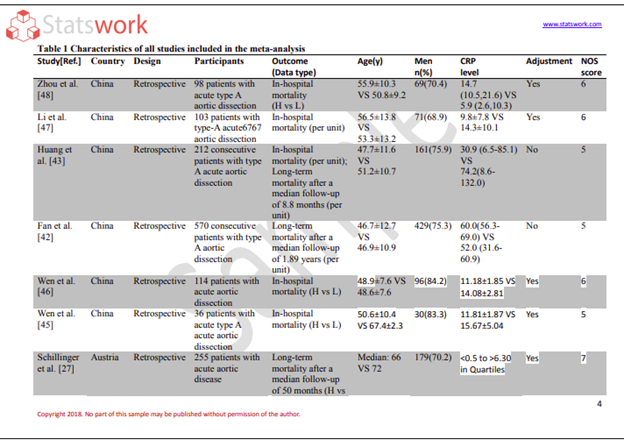
Data Analysis services
- Secondary Qualitative Research Services
- Secondary Quantitative Research Services
- Meta-Analysis Research services
- Sample Work
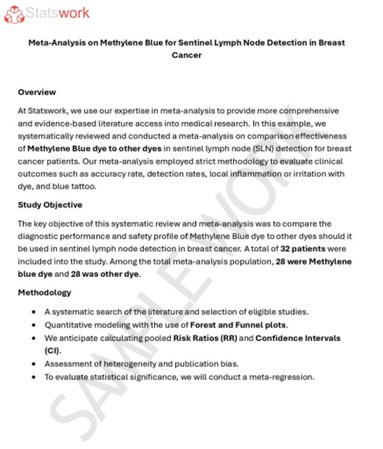
Meta-Analysis Research Services
- Data Collection Services
- Sample Work
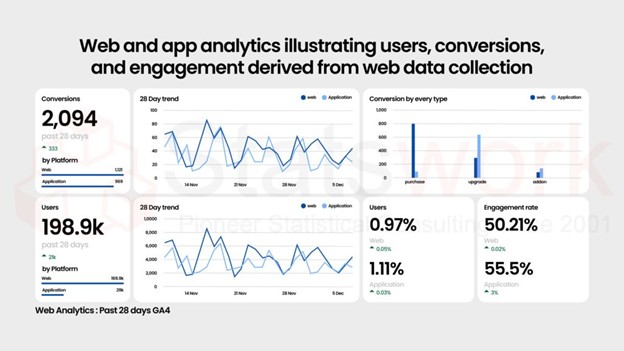
Data Collection Services
- Statistical & Biostatistics services
- Sample Work
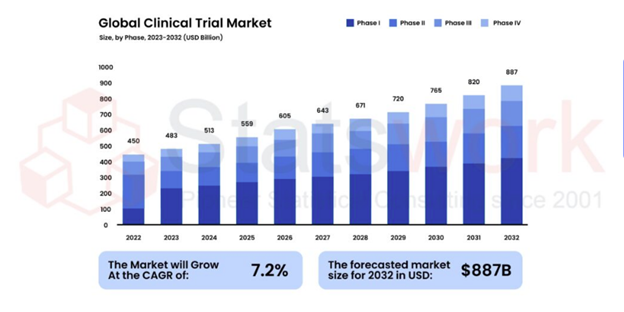
Statistical Programming & Biostatistics services
- Data Management Services
- Sample Work
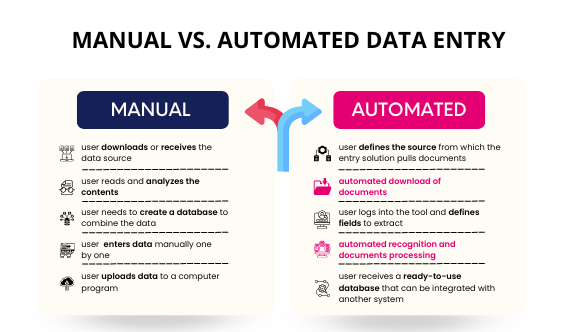
Data Management Services
- Research methodology services
- Sample Work
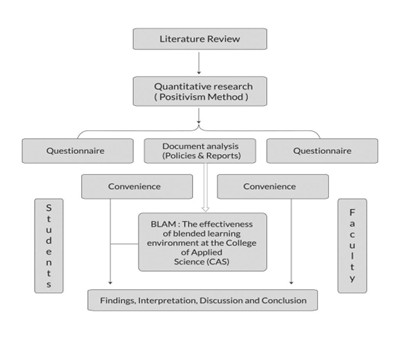
Research methodology services
- Tool Development Services
- Sample Work
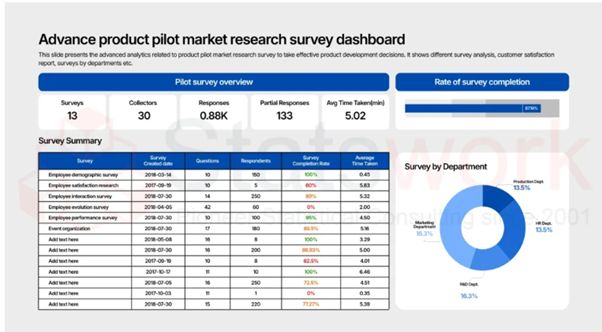
Tool development services
- Statistical Interpretation services
-
Statistical Interpretation services
- Sample Work
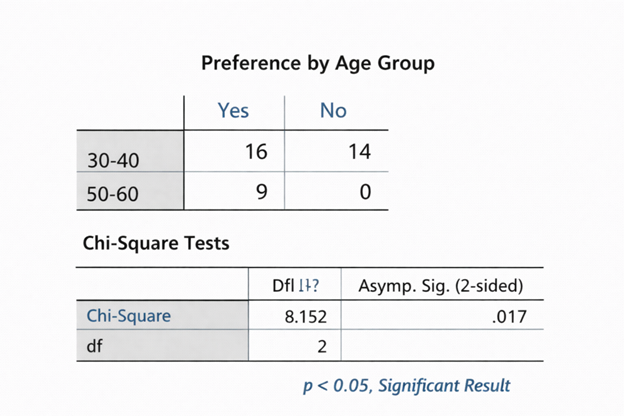
Statistical Interpretation services
-
- Sample Size Calculation Services
-
Sample Size Calculation Services
- Sample Work
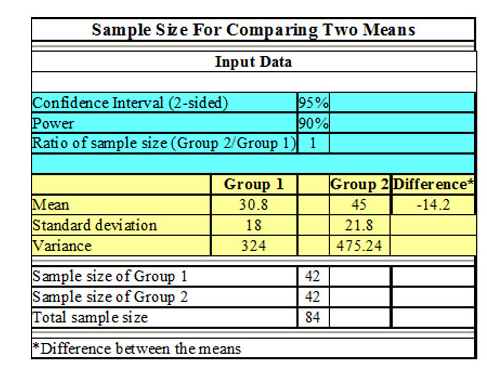
Sample Size Calculation Services
-
- AI & ML Services
-
Artificial Intelligence and Machine Learning Services
- Sample Work
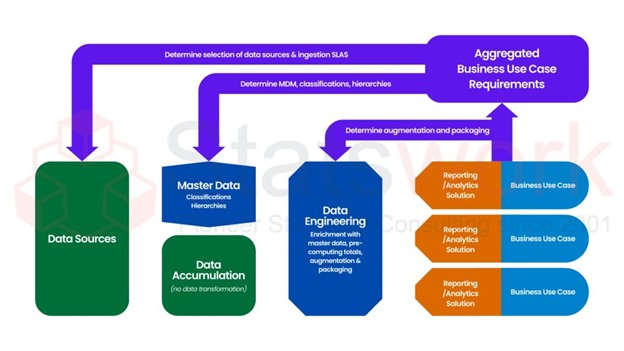
Artificial Intelligence and Machine Learning Services
-
- Meaningful Visualization Services
- Thought Leadership Services
- Report Generation Services
-
Report generation Service
- Sample Work
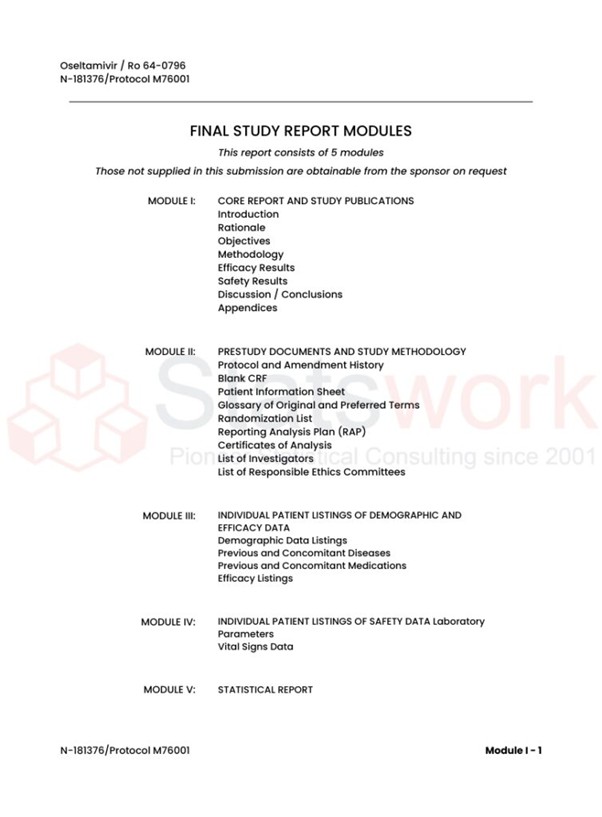
Report generation Services
-
- Data Analysis services
- Industries
- About Us
- Blog
- Insights
- Contact Us
- Services
- Data Analysis services
- Sample Work
Data Analysis services
- Secondary Qualitative Research Services
- Secondary Quantitative Research Services
- Meta-Analysis Research services
- Sample Work
Meta-Analysis Research Services
- Data Collection Services
- Sample Work
Data Collection Services
- Statistical & Biostatistics services
- Sample Work
Statistical Programming & Biostatistics services
- Data Management Services
- Sample Work
Data Management Services
- Research methodology services
- Sample Work
Research methodology services
- Tool Development Services
- Sample Work
Tool development services
- Statistical Interpretation services
-
Statistical Interpretation services
- Sample Work
Statistical Interpretation services
-
- Sample Size Calculation Services
-
Sample Size Calculation Services
- Sample Work
Sample Size Calculation Services
-
- AI & ML Services
-
Artificial Intelligence and Machine Learning Services
- Sample Work
Artificial Intelligence and Machine Learning Services
-
- Meaningful Visualization Services
- Thought Leadership Services
- Report Generation Services
-
Report generation Service
- Sample Work
Report generation Services
-
- Data Analysis services
- Industries
- About Us
- Blog
- Insights
- Contact Us
Secondary Data Collection for Market and Healthcare Research: Everything You Need to Know
Meta Analysis Service
- Understanding Secondary Data in Research
- Why Secondary Data is Important for Market Research
- Importance of Secondary Data in Healthcare Research
- Key Sources of Secondary Data
- Secondary Data Collection Techniques for Healthcare Research
- Secondary Data Collection in Market Research Studies
- Common Sources of Secondary Data (Table)
- Steps to Collect Secondary Data
- Secondary Data Collection Techniques (Table)
- Tools for Secondary Data Collection and Analysis
- Challenges in Secondary Data Collection
- Best Practices for Effective Data Collection
- Conclusion
- Frequently Asked Questions (FAQs)
Recommended Reads
Contact us
Secondary Data Collection for Market and Healthcare Research: Everything You Need to Know
Access to the right data acts as the primary foundation for conducting research. In the current scenario, organizations make extensive use of secondary data to enhance the speed, reduce the cost, and make appropriate decisions. Secondary data, such as healthcare data for clinical analysis or market research data for business analysis, provides an opportunity to grasp the trends without conducting primary research [1].
This blog will walk you through the methods for secondary data collection for conducting market research studies, along with secondary data collection methods for conducting healthcare research studies.
Understanding Secondary Data in Research
Secondary data represents the information that has been collected earlier by other sources like institutions, researchers, and organizations. The research data collected under this category of research is readily available through various mediums. Hence, it becomes very useful for research in academic as well as business fields.
Unlike primary data collection, secondary data collection allows researchers to concentrate more on analysis rather than collection. This type of data collection is used in industries like healthcare and market research [2].
Why Secondary Data is Important for Market Research
The importance of understanding why secondary data is significant for market research is critical for developing effective competitive strategies.
The use of market research data by organizations:
- Helps identify trends and consumer behavior
- Aids in competitor analysis
- Facilitates faster business decisions
- Helps in product development
By having access to data, businesses can save time on market research and focus on data-driven information [3].
Importance of Secondary Data in Healthcare Research
In the field of healthcare, secondary data aids in the development of evidence-based practices, policies, and research.
The uses of healthcare data include:
- Monitoring the pattern of diseases
- Assessing the results of treatments
- Supporting public health programs
- Epidemiological research [4]
Understanding the collection of secondary data for healthcare research is significant to ensure the relevance, structure, and analysis of the data collected.
Key Sources of Secondary Data
1. Public Data Sources
One of the easiest methods for collecting secondary data is through public data sources.
For example:
- Government health or census databases
- Global organizations such as the WHO or World Bank
- Public data sources [4]
Public data sources are commonly utilized for both healthcare research studies and market research studies due to their reliability and convenience.
2. Data Repositories
Data repositories store large amounts of structured data, which can be retrieved for research purposes.
For example:
- Academic data repositories
- Institutional data sources
- Online platforms for research data [1]
Data repositories can be beneficial for accessing numerous research data sources.
3. Industry Reports or Market Databases
For business research studies, industry reports can be utilized for collecting secondary data, especially for market research studies.
For example:
- Industry trends reports
- Consumer research studies
- Market forecast reports [5]
These reports can be beneficial for accessing market research data.
4. Academic and Clinical Research
In academic and clinical research, journals and studies are essential for carrying out research in the health sector.
These sources of information provide:
- Validated healthcare insights
- Structured data for analysis
- Evidence-based findings
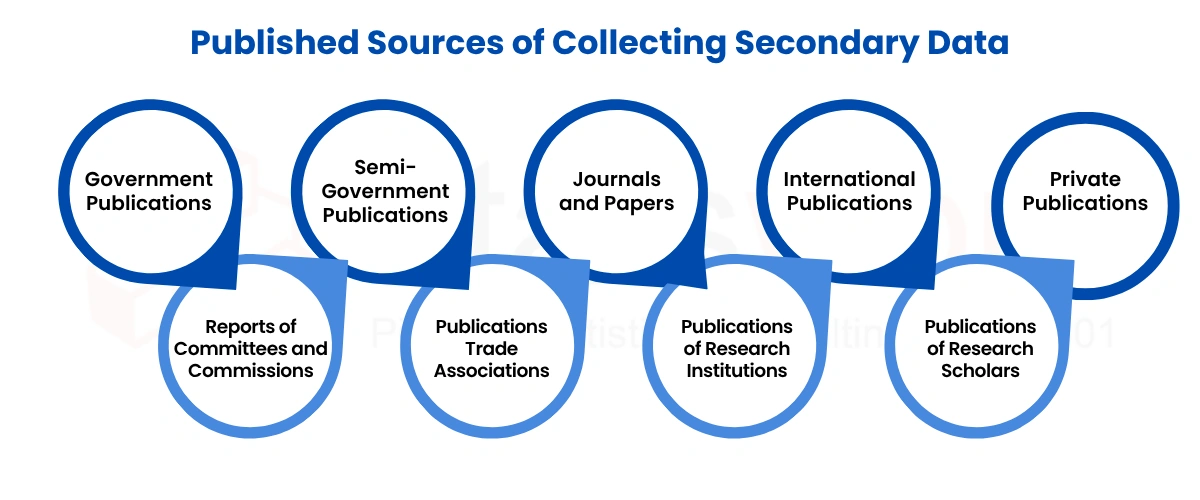
Figure1: Published Sources of Secondary Data Collection
Secondary Data Collection Techniques for Healthcare Research
Data collection in the healthcare industry must be structured to ensure that the data collected is relevant and useful.
The major secondary data collection techniques for carrying out healthcare research are:
- Data extraction from hospital and clinical databases
- Access to national and global health data
- Review of existing medical research
- Use of disease registries and health records
These data collection techniques are essential to ensure that the data collected is comprehensive [3].
Secondary Data Collection for Market Research Studies
Business organizations use different data collection techniques to ensure that data collection for market research is done effectively.
The major data collection techniques are:
- Review of industry reports and whitepapers
- Use of CRM systems and internal databases
- Data collection from digital platforms
- Review of competitor data [2]
These data collection techniques are essential to ensure that there is a clear understanding of what is meant by secondary data collection for market research.
Common Sources of Secondary Data:
| Source Type | Description | Application Area |
|---|---|---|
| Public Data Sources | Government and open datasets | Healthcare & policy research |
| Data Repositories | Organized research datasets | Academic research |
| Industry Reports | Market insights and trends | Business strategy |
| Academic Journals | Peer-reviewed studies | Clinical research |
| Internal Databases | Company-owned data | Customer analytics |
Steps to Collect Secondary Data
1. Definition of Research Objective
Define what kind of data is needed.
2. Identification of Relevant Sources
Selection of appropriate data repositories and reports.
3. Accessing and Collecting Data
Data collection from chosen platforms.
4. Organization of Data
Data organization for analysis.
5. Performing Statistical Data Analysis
Analysis of the data using analytical tools for better understanding [2].
Secondary Data Collection Techniques
| Technique | Description | Application Area |
| Database Access | Extracting structured datasets | Healthcare research |
| Report Analysis | Using industry reports | Market research |
| Literature Review | Reviewing studies | Academic research |
| Online Data Mining | Collecting digital data | Consumer insights |
| Government Data Access | Using official datasets | Public health analysis |
Tools for Secondary Data Collection and Analysis
For the management and analysis of the secondary data collected, the following tools can be used:
- For data organization: Excel / Google Sheets
- For advanced analysis: R / Python
- For statistical modeling: SPSS / SAS
- For data visualization: Tableau / Power BI
These tools help in the efficient analysis of statistical data.
Challenges in Secondary Data Collection
However, secondary data collection has some challenges that need to be considered despite the advantages it has to offer. These include:
- Difficulty in obtaining relevant secondary data sets
- Data sets are often in different forms
- Lack of access to certain types of secondary data that are considered proprietary
- Too much information from different sources [5]
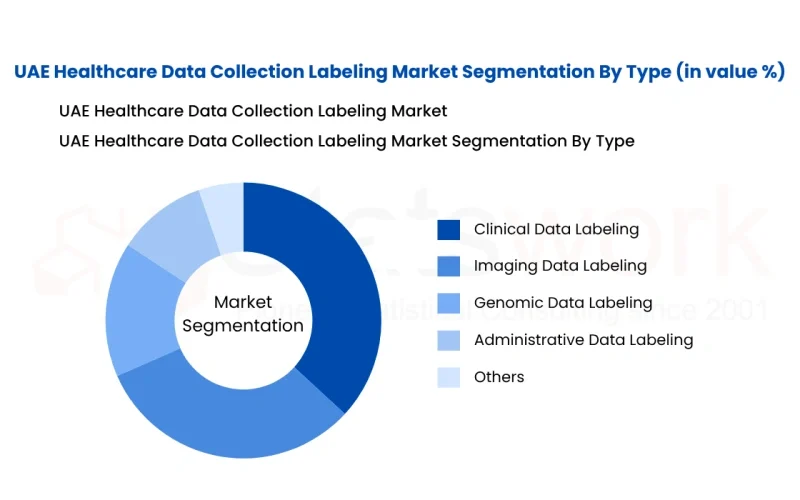
Figure 2: Example of Healthcare Data Segmentation Using Secondary Data
Best Practices for Effective Data Collection
- Use credible and trusted data sources
- Combine multiple datasets for better insights
- Ensure alignment with research objectives
- Maintain proper documentation of data sources
- Organize data for easy access and analysis [4].
Conclusion
Secondary data plays a significant role in the healthcare industry and the market research industry. It is important to be aware of the various secondary data collection methods for healthcare research, as well as secondary data collection service for the market research industry, so that you can efficiently collect secondary data for the organization [5].
Whether you are working in the healthcare industry, trying to find the various data repositories, or analyzing the market research data, it is important to be aware of the secondary data collection methods so that you can have the competitive advantage.
Frequently Asked Questions (FAQs)
1. What secondary data is used in market research?
- Industry reports
- Customer databases
- Public datasets
- Competitor analysis data.
2. How to collect secondary data for healthcare research?
- Access healthcare databases
- Use public health records
- Review academic studies
- Use global health datasets
3. Why is secondary data important for market research?
- Saves time and cost
- Provides large datasets
- Helps identify trends
- Supports decision-making
4. What are data repositories?
- Platforms that store structured datasets
- Provide access to research datasets
- Used in academic and business research
Accelerate your research with reliable data. Partner with Statswork to access high-quality secondary data and turn insights into impactful decisions.
References:
- Ziebland, S., & Hunt, K. (2014). Using secondary analysis of qualitative data of patient experiences of health care to inform health services research and policy. Journal of health services research & policy, 19(3), 177-182. https://journals.sagepub.com
- Sarstedt, M., & Mooi, E. (2018). Getting data. In A Concise Guide to Market Research: The Process, Data, and Methods Using IBM SPSS Statistics(pp. 47-90). Berlin, Heidelberg: Springer Berlin Heidelberg. https://link.springer.com/chapter
- Kaplan, B. (2016). How should health data be used?: Privacy, secondary use, and big data sales. Cambridge Quarterly of Healthcare Ethics, 25(2), 312-329. https://www.cambridge.org/core
- Borders, T. F., Rohrer, J. E., & Vaughn, T. E. (2000). Limitations of secondary data for strategic marketing in rural areas. Health Services Management Research, 13(4), 216-222. https://journals.sagepub.com/doi
- Mladucky, J., Baty, B., Botkin, J., & Anderson, R. (2021). Secondary data usage in direct-to-consumer genetic testing: to what extent are customers aware and concerned?. Public health genomics, 24(3-4), 199-206. https://karger.com/phg/article