
- Services
- Data Analysis services
- Sample Work
Data Analysis services
- Secondary Qualitative Research Services
- Secondary Quantitative Research Services
- Meta-Analysis Research services
- Sample Work
Meta-Analysis Research Services
- Data Collection Services
- Sample Work
Data Collection Services
- Statistical & Biostatistics services
- Sample Work
Statistical Programming & Biostatistics services
- Data Management Services
- Sample Work
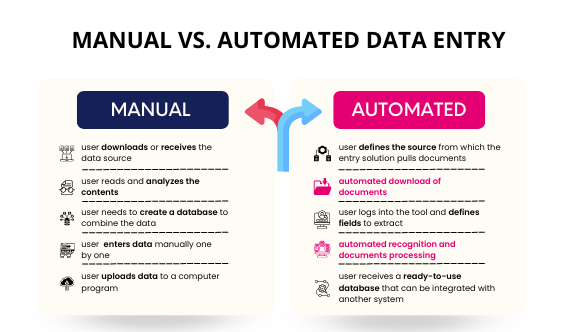
Data Management Services
- Research methodology services
- Sample Work
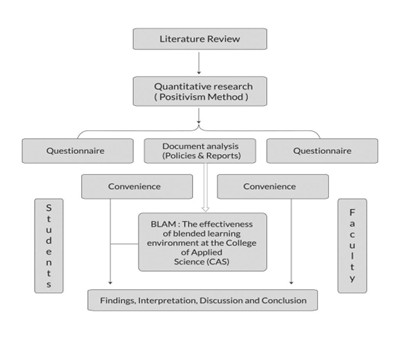
Research methodology services
- Tool Development Services
- Sample Work
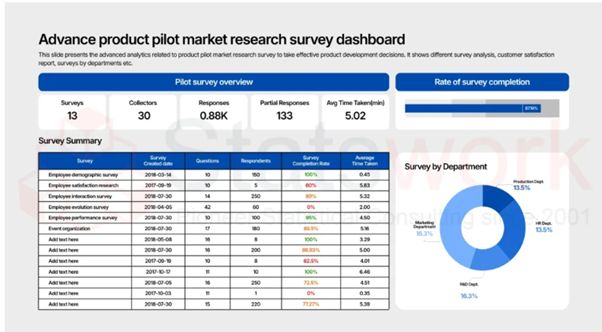
Tool development services
- Statistical Interpretation services
-
Statistical Interpretation services
- Sample Work
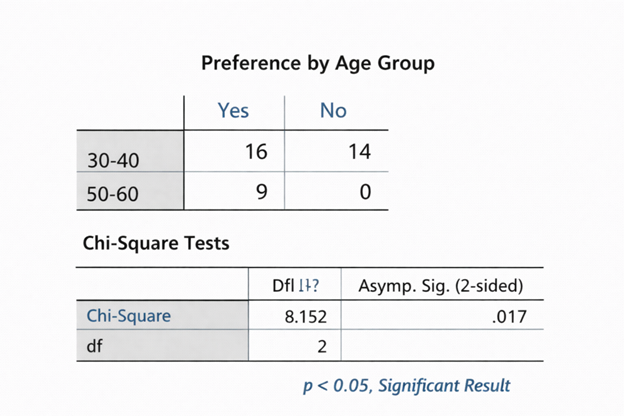
Statistical Interpretation services
-
- Sample Size Calculation Services
-
Sample Size Calculation Services
- Sample Work
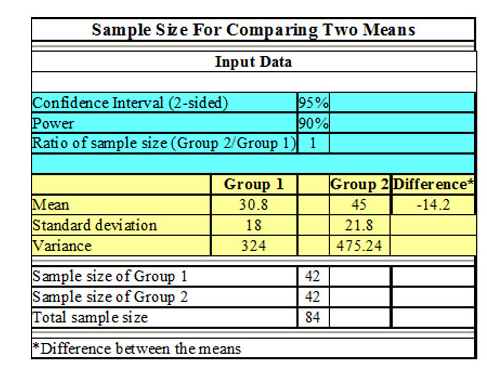
Sample Size Calculation Services
-
- AI & ML Services
-
Artificial Intelligence and Machine Learning Services
- Sample Work
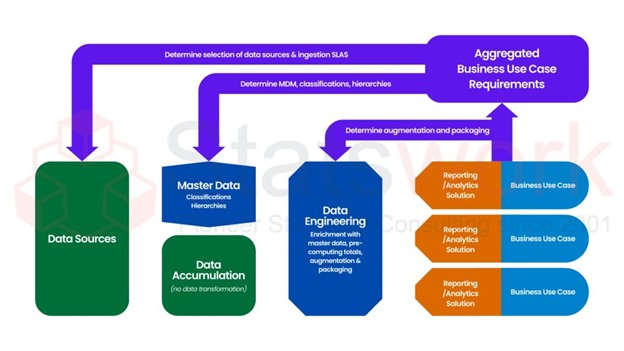
Artificial Intelligence and Machine Learning Services
-
- Meaningful Visualization Services
- Thought Leadership Services
- Report Generation Services
-
Report generation Service
- Sample Work
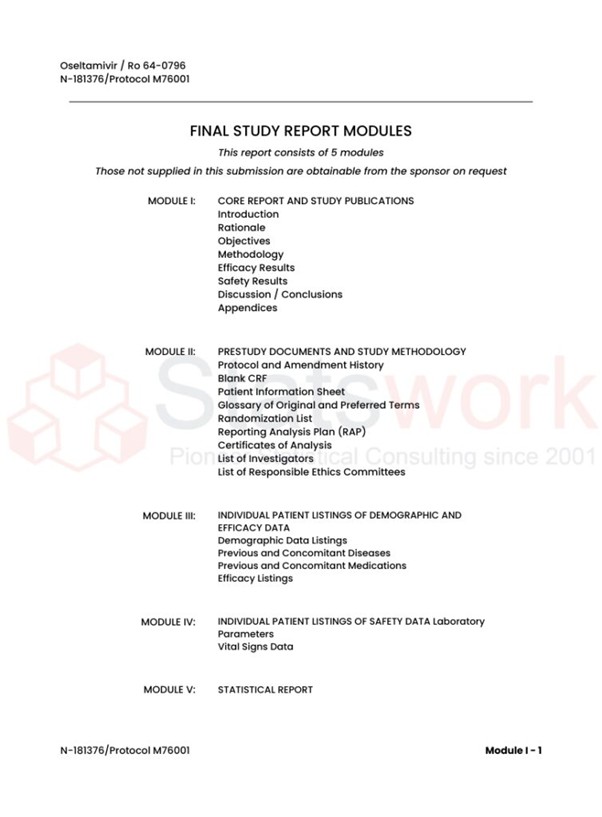
Report generation Services
-
- Data Analysis services
- Industries
- About Us
- Blog
- Insights
- Contact Us
- Services
- Data Analysis services
- Sample Work
Data Analysis services
- Secondary Qualitative Research Services
- Secondary Quantitative Research Services
- Meta-Analysis Research services
- Sample Work
Meta-Analysis Research Services
- Data Collection Services
- Sample Work
Data Collection Services
- Statistical & Biostatistics services
- Sample Work
Statistical Programming & Biostatistics services
- Data Management Services
- Sample Work
Data Management Services
- Research methodology services
- Sample Work
Research methodology services
- Tool Development Services
- Sample Work
Tool development services
- Statistical Interpretation services
-
Statistical Interpretation services
- Sample Work
Statistical Interpretation services
-
- Sample Size Calculation Services
-
Sample Size Calculation Services
- Sample Work
Sample Size Calculation Services
-
- AI & ML Services
-
Artificial Intelligence and Machine Learning Services
- Sample Work
Artificial Intelligence and Machine Learning Services
-
- Meaningful Visualization Services
- Thought Leadership Services
- Report Generation Services
-
Report generation Service
- Sample Work
Report generation Services
-
- Data Analysis services
- Industries
- About Us
- Blog
- Insights
- Contact Us
How to Interpret Meta Analysis Results: A Complete Guide
Meta Analysis Service
- Identify the Key Components of Meta-Analysis Results Before Interpretation
- Learn How to Read Forest Plots and Summary Statistics in Meta-Analysis
- Evaluating Effect Size to Understand the Strength of Research Findings
- Check Confidence Intervals and Prediction Intervals for Result Reliability
- Assess Heterogeneity to Determine Study Variability
- Choose Between Fixed-Effects Model and Random-Effects Model for Accurate Interpretation
- Avoid Common Mistakes When Interpreting Meta-Analysis Results
- Conclusion: Practical Steps to Interpret Meta-Analysis Results Effectively
Recommended Reads
Contact us
Introduction: Why Interpreting Meta-Analysis Results Matters for Researchers
Researchers use meta-analysis interpretation to combine results from different studies to produce more robust research findings. By understanding how to interpret results from a meta-analysis, a researcher can correctly analyze results such as effect size, heterogeneity, and confidence intervals, thus making research analysis more reliable [1].
A clear guide to interpreting meta-analysis results for healthcare and meta-analysis result interpretation for social sciences enables researchers to evaluate results, identify patterns, and make reliable decisions.
Identify the Key Components of Meta-Analysis Results Before Interpretation
Before interpreting the results, the researcher needs to be aware of the statistical factors that are included in the analysis. Knowing the statistical factors included in the analysis will assist the researcher in accurately interpreting the meta-analysis and conducting research analysis.
- The researcher needs to be aware of the effect size as it indicates the findings of the research while learning how to read the meta-analysis results.
- The researcher also needs to be aware of the confidence interval as it will assist in evaluating the accuracy of the analysis [2].
- The researcher needs to be aware of the prediction interval as it will assist in evaluating the analysis and how it might be in the future.
- The researcher needs to be aware of the heterogeneity as it will assist in evaluating the analysis.
- The researcher needs to be aware of the type of analysis that was conducted as it will assist in evaluating the analysis.
The researcher needs to be aware of the analysis as it will assist in evaluating the analysis.
Learn How to Read Forest Plots and Summary Statistics in Meta-Analysis
The importance of understanding forest plots and other statistical information is vital for the proper interpretation of meta-analysis results. These visual and statistical tools help researchers understand how to properly interpret the results of a meta-analysis and understand the outcome of a research study [3].
- Identify the individual study results, represented by the square shapes in the forest plot.
- Note the horizontal lines attached to each square in the forest plot, which represent the confidence intervals for each research study.
- Note the vertical reference line in the forest plot, which is vital in understanding if the research results are positive, negative, or neutral.
- Note the diamond shape at the bottom of the forest plot, which represents the overall effect understanding effect size and heterogeneity for each research study in the meta-analysis.
- Note the width of the diamond shape, which represents the combined confidence intervals for the meta-analysis results.
- Note the use of heterogeneity values, also known as I², for a proper interpretation of the meta-analysis results [4].
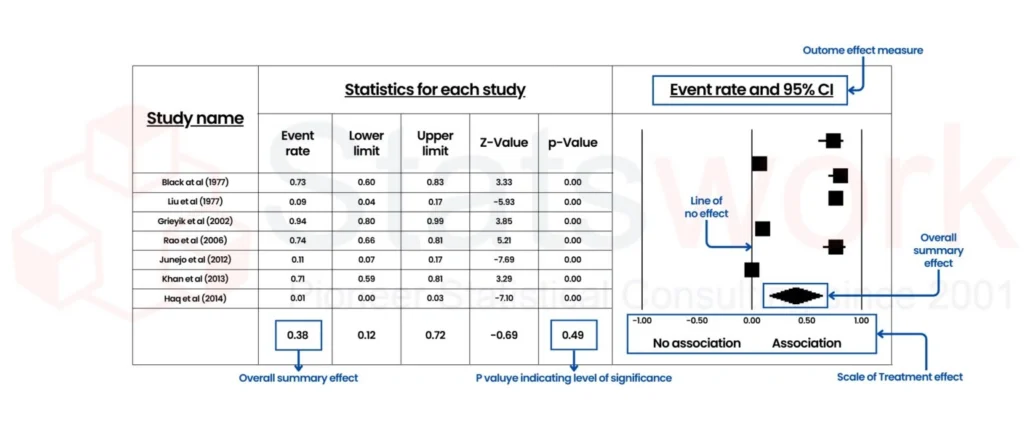
Figure 1: Forest plot showing individual study effect sizes, 95% confidence intervals, and the overall summary effect in a meta-analysis.
Evaluating Effect Size to Understand the Strength of Research Findings
| Aspect | Description |
| Effect Size | Used in the interpretation of results in meta-analysis. |
| Importance | Helps in understanding the actual impact of results in research analysis. |
| Common Measures | Includes odds ratio, risk ratio, and standardized mean difference [5]. |
| Research Use | Helps in understanding how to read results in meta-analysis. |
Check Confidence Intervals and Prediction Intervals for Result Reliability
| Component | Description |
| Confidence Interval (CI) | It shows a range within which a true effect size may lie for a given meta-analysis. |
| CI Importance | Narrower intervals indicate better results from research analysis. |
| Prediction Interval (PI) | It estimates where results from other studies may lie [2]. |
| Interpretation | It assists a researcher in understanding results from a meta-analysis. |
Assess Heterogeneity to Determine Study Variability
- Verify the I² value to determine the degree of heterogeneity between studies in the meta-analysis.
- Examine the studies for variability to understand the discrepancies between the research and the population.
- Examine the heterogeneity statistics, such as the Q test, for accurate research analysis.
- Choose the model by opting for either a fixed effect model or a random effect model [5].
- Examine the heterogeneity for a reliable interpretation of the meta-analysis result.
Choose Between Fixed-Effects Model and Random-Effects Model for Accurate Interpretation
| Model | Description |
| Fixed-Effects Model | All studies are assumed to be measuring the same true effect size, and it is used when there is low heterogeneity between studies. |
| Random-Effects Model | Study results are assumed to vary across studies, and it considers the heterogeneity of the results in the meta-analysis. |
| When to Use Fixed-Effects | When the studies are similar in design, population, and methods in the research analysis [2]. |
| When to Use Random-Effects | Recommended when there is significant variability between the studies in the interpretation of the results in the meta-analysis. |
Avoid Common Mistakes When Interpreting Meta-Analysis Results
- It is important not to concentrate on the significance without considering the size effect. This is because the significance might not be the main aspect of the findings in the research study.
- It is not wise to ignore the concept of heterogeneity. This is because a high level of variability might affect the reliability of the interpretation of the results from the meta-analysis study.
- It is not wise to misinterpret the concept of confidence interval. This is because the interval might be broad, indicating a lack of precision in the findings from the study [3].
- It is not wise to ignore the concept of study quality and bias. This is because the quality might affect the overall outcome of the research study analysis.
- It is not wise to choose the wrong model. This is because the fixed effect model might not be the best option when the study presents a high level of variability.
Conclusion: Practical Steps to Interpret Meta-Analysis Results Effectively
Through the knowledge of how to interpret the results of the meta-analysis , researchers can conduct reliable research analysis and make well-informed decisions in the field of healthcare and social sciences [5]. Leveraging professional meta-analysis services can further enhance accuracy, ensuring high-quality insights and well-supported conclusions.
CTA – Get expert Meta-Analysis support from Statswork to strengthen your research findings.
References:
- Zlowodzki, M., Poolman, R. W., Kerkhoffs, G. M., Tornetta III, P., Bhandari, M., & International Evidence-Based Orthopedic Surgery Working Group. (2007). How to interpret a meta-analysis and judge its value as a guide for clinical practice. Acta orthopaedica, 78(5), 598-609.https://www.tandfonline.com/doi/full/
- Hak, A., van Rhee, H., & Suurmond, R. (2016). How to interpret results of meta-analysis. https://pure.eur.nl/ws/portalfiles/portal/47221594/How-to-interpret-results-of-meta-analysis-1.3.pdf
- Carlson, R. B., Martin, J. R., & Beckett, R. D. (2023). Ten simple rules for interpreting and evaluating a meta-analysis. PLOS Computational Biology, 19(9), e1011461. https://journals.plos.org/ploscompbiol/article?id=10.1371/journal.pcbi.1011461
- Cheung, M. W. L., & Vijayakumar, R. (2016). A guide to conducting a meta-analysis. Neuropsychology review, 26(2), 121-128. https://link.springer.com/article/10.1007
- Singh, S. (2017). How to conduct and interpret systematic reviews and meta-analyses. Clinical and translational gastroenterology, 8(5), e93. https://journals.lww.com/ctg/fulltext/2017