








“Statswork delivered precise and reliable quantitative data analysis services that significantly improved the accuracy of our research outcomes.”

- Services
- Data Analysis services
-
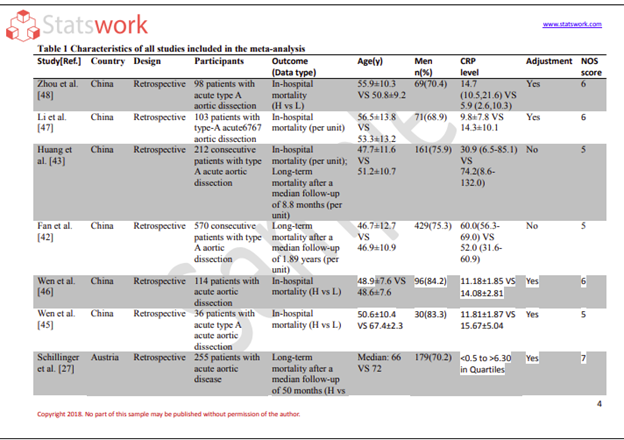
Data Analysis services
-
- Meta-Analysis Research services
-
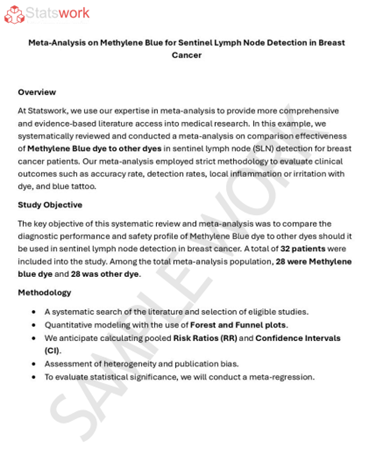
Meta-Analysis Research Services
-
- Data Collection Services
-
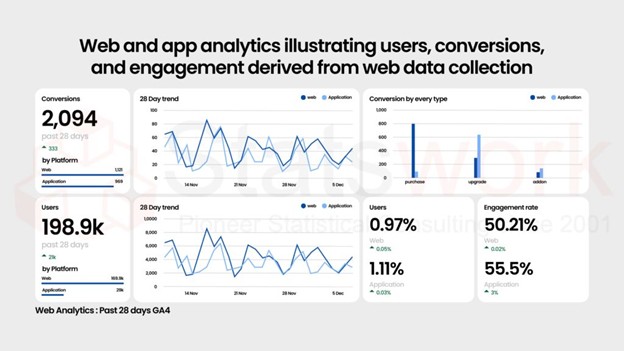
Data Collection Services
-
- Statistical & Biostatistics services
-
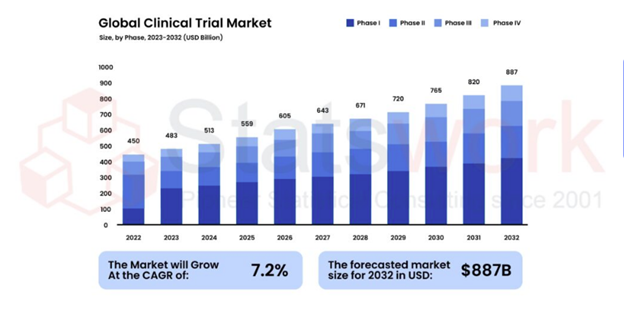
Statistical Programming & Biostatistics services
-
- Data Management Services
-
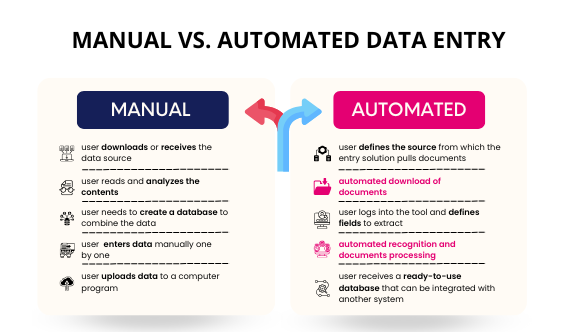
Data Management Services
-
- Research methodology services
-
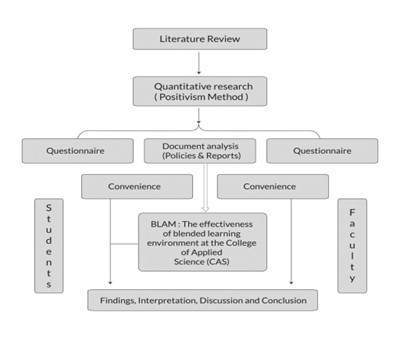
Research methodology services
-
- Tool Development Services
-
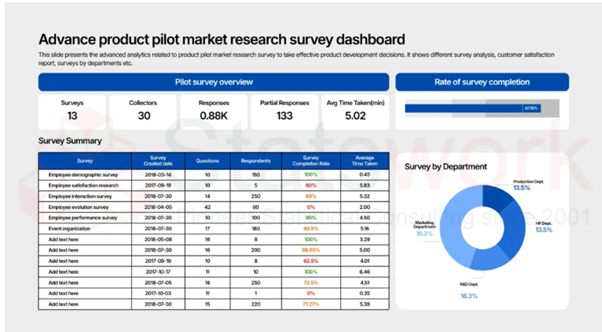
Tool development services
-
- Statistical Interpretation services
-
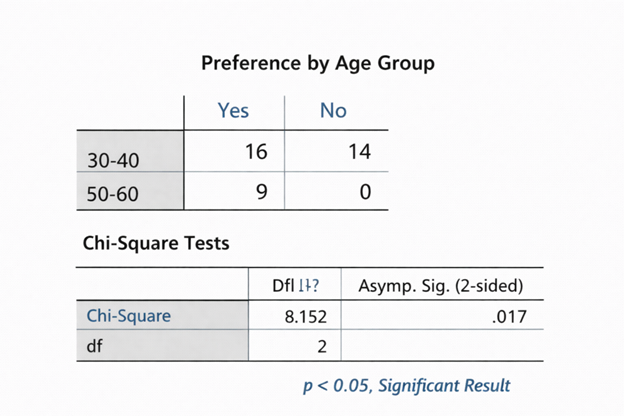
Statistical Interpretation services
-
- Sample Size Calculation Services
-
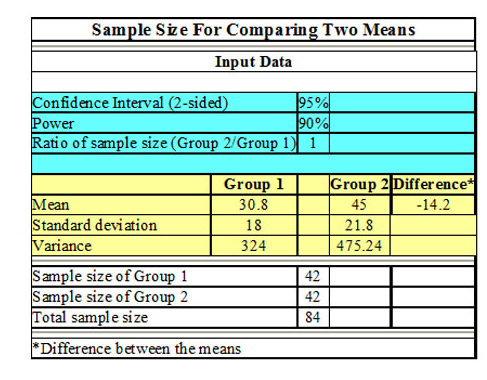
Sample Size Calculation Services
-
- AI & ML Services
-
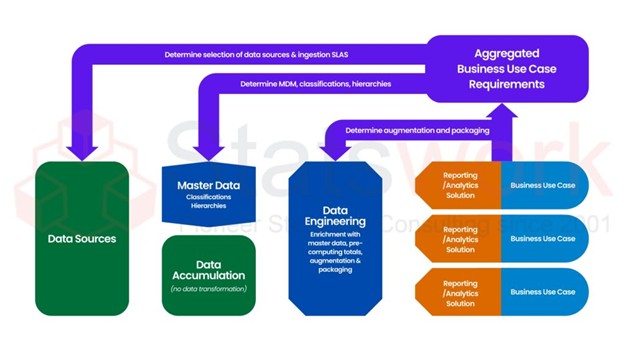
Artificial Intelligence and Machine Learning Services
-
- Report Generation Services
-
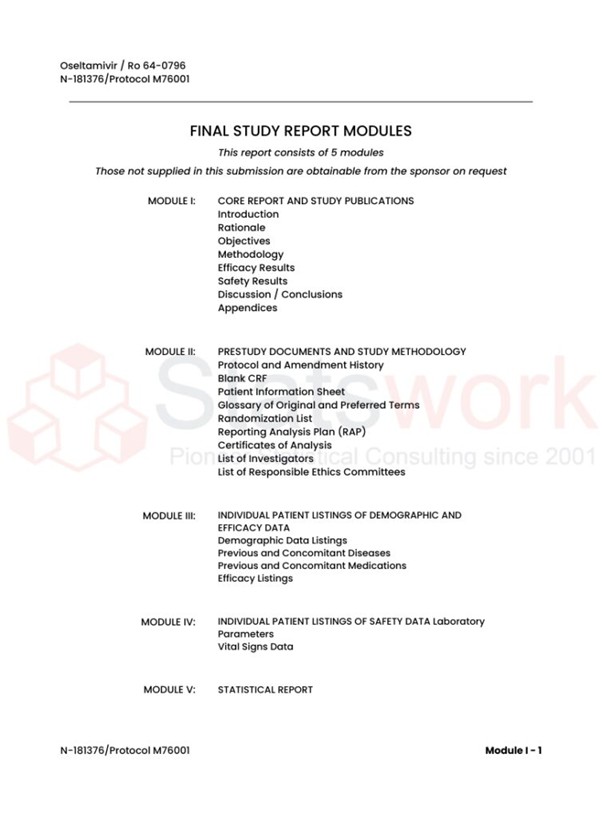
Report generation Services
-
- Data Analysis services
- Services
- Data Analysis services
-
Data Analysis services
-
- Meta-Analysis Research services
-
Meta-Analysis Research Services
-
- Data Collection Services
-
Data Collection Services
-
- Statistical & Biostatistics services
-
Statistical Programming & Biostatistics services
-
- Data Management Services
-
Data Management Services
-
- Research methodology services
-
Research methodology services
-
- Tool Development Services
-
Tool development services
-
- Statistical Interpretation services
-
Statistical Interpretation services
-
- Sample Size Calculation Services
-
Sample Size Calculation Services
-
- AI & ML Services
-
Artificial Intelligence and Machine Learning Services
-
- Report Generation Services
-
Report generation Services
-
- Data Analysis services
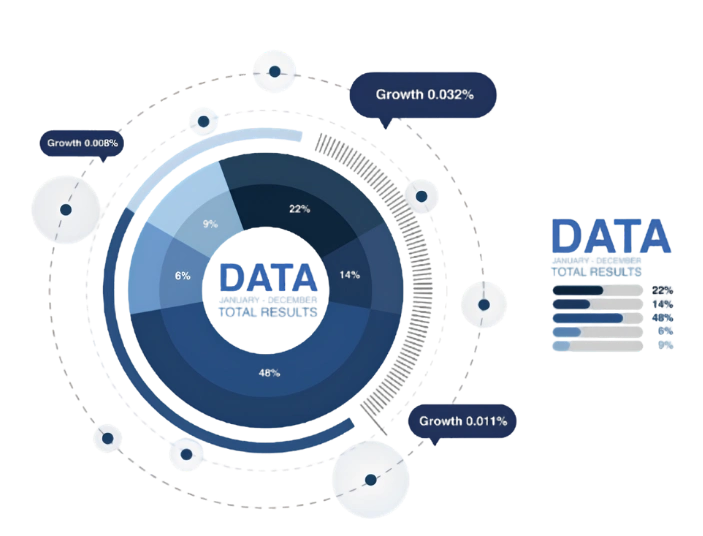


Introduction to Quantitative Research Data Analysis Services
Quantitative research data analysis services refer to the interpretation of quantitative data acquired using research surveys, experiments, questionnaires, and studies. They ensure that the right statistical approaches and methods are selected depending on research objectives. It is necessary for a researcher to use the correct quantitative analysis approach to derive factual results. Consequently, these services are widely applied in academic research, healthcare, business, marketing, and social sciences.
Steps of Quantitative Data Analysis:- Definition of research objectives and data analysis requirements
- Collection and preparation of quantitative data
- Selection of statistical approach and techniques
- Coding, cleaning, and validation of quantitative data
- Quantitative statistical analysis and pattern discovery
- Interpretation of results and writing reports

Objectives of Quantitative Research Data Analysis
Researchers and companies opt to employ the services of quantitative research data analysis services because it helps them analyze quantitative research data scientifically and obtain insightful information. The absence of a proper quantitative analysis process may result in poor accuracy and reliability.
Among some of the benefits of utilizing professional quantitative research data analysis services are as follows:
- Organization and management of quantitative research data
- Statistical analysis of numeric data
- Spotting of patterns and trends
- Interpretation of quantitative research information
- Prevention of mistakes in quantitative data analysis
- Providing valid and reliable information through research
- Evidence-based decision making
- Obtaining valuable research insights
We at Statswork offer full quantitative data analysis services for all researchers who want quality and reliable quantitative research data.

Reliability Testing
This method of validity testing is done to determine consistency and reliability of analysis conducted in quantitative research.
Methods of testing reliability include:
- Test-Retest Reliability Method
- Internal Consistency Method
- Split-Half Reliability Method
- Testing for Consistency of Data

Validity Testing
Validity testing ensures that results obtained from data analysis match the research objectives and measurement.
Methods include:
- Content Validity Testing
- Construct Validity Testing
- Criterion Validity Testing
- Statistical Validity Testing

Statistical Accuracy
This involves ensuring accuracy and correctness of analysis results and their interpretations.
Methods of testing accuracy include:
- Hypothesis Testing
- Checking the Validity of Regression Models
- Correlation and Trends Tests
- Checking for Statistical Errors


“Their expertise in statistical analysis in quantitative research helped us uncover clear trends and make confident, data-driven decisions.”

“Statswork’s quantitative analysis services were methodologically sound and easy to interpret, adding real value to our project.”

“From data preparation to final reporting, Statswork provided outstanding quantitative data analysis support.”