
- Services
- Data Analysis services
- Sample Work
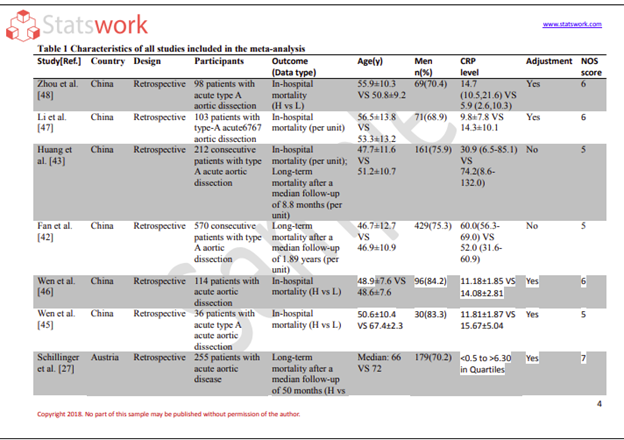
Data Analysis services
- Secondary Qualitative Research Services
- Secondary Quantitative Research Services
- Meta-Analysis Research services
- Sample Work
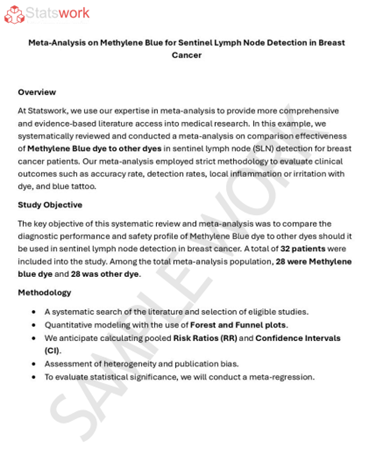
Meta-Analysis Research Services
- Data Collection Services
- Sample Work
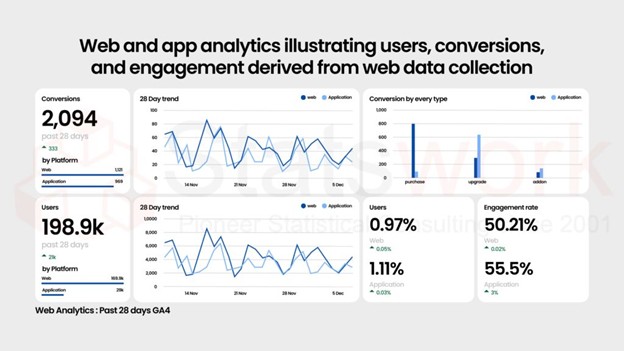
Data Collection Services
- Statistical & Biostatistics services
- Sample Work
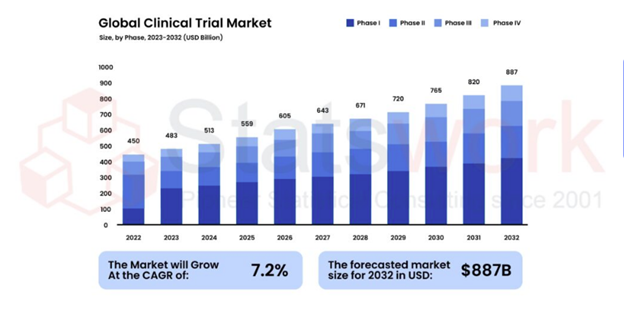
Statistical Programming & Biostatistics services
- Data Management Services
- Sample Work
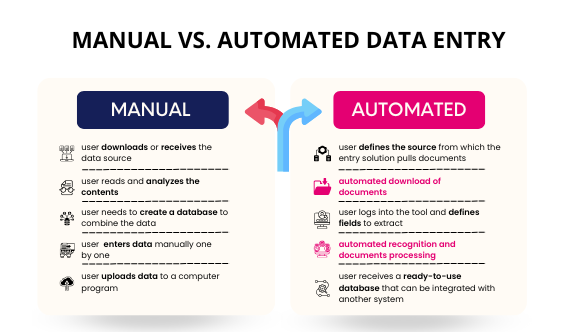
Data Management Services
- Research methodology services
- Sample Work
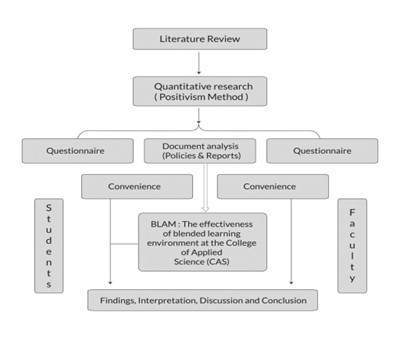
Research methodology services
- Tool Development Services
- Sample Work
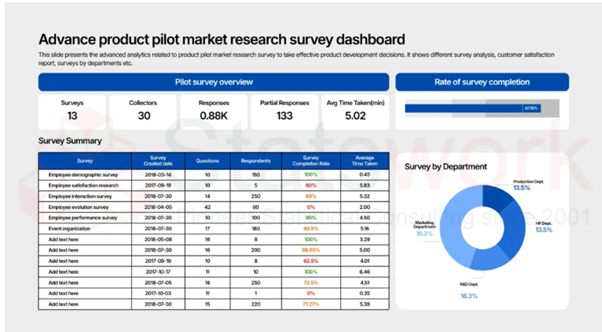
Tool development services
- Statistical Interpretation services
-
Statistical Interpretation services
- Sample Work
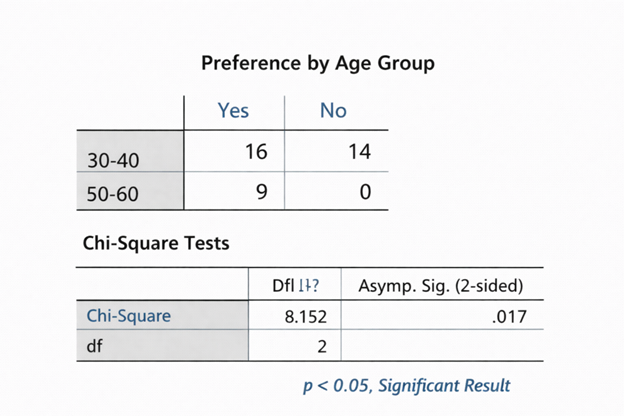
Statistical Interpretation services
-
- Sample Size Calculation Services
-
Sample Size Calculation Services
- Sample Work
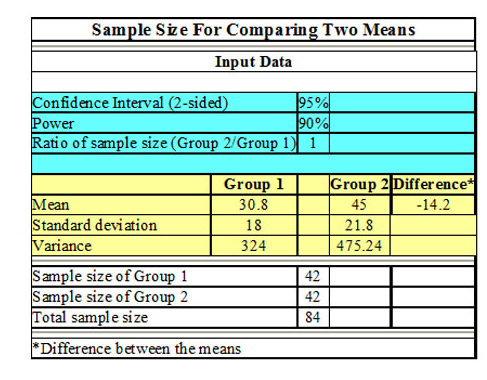
Sample Size Calculation Services
-
- AI & ML Services
-
Artificial Intelligence and Machine Learning Services
- Sample Work
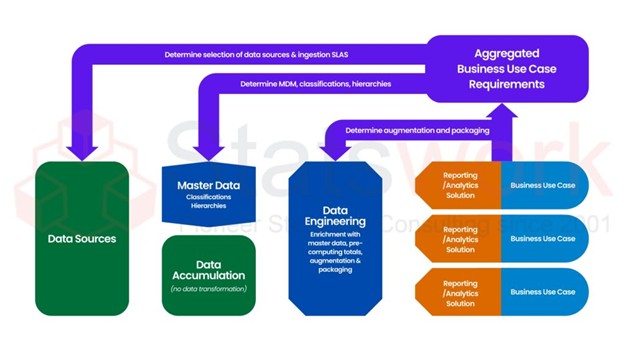
Artificial Intelligence and Machine Learning Services
-
- Meaningful Visualization Services
- Thought Leadership Services
- Report Generation Services
-
Report generation Service
- Sample Work
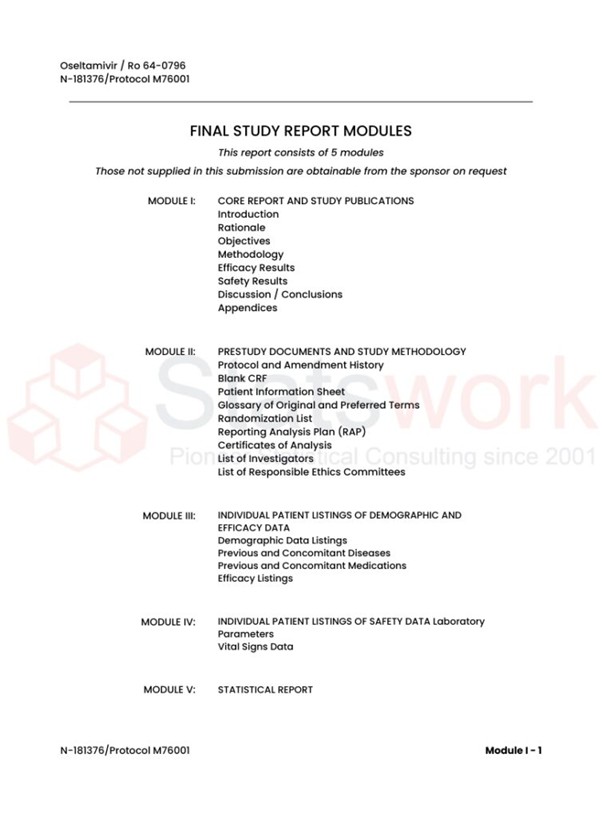
Report generation Services
-
- Data Analysis services
- Industries
- About Us
- Blog
- Insights
- Contact Us
- Services
- Data Analysis services
- Sample Work
Data Analysis services
- Secondary Qualitative Research Services
- Secondary Quantitative Research Services
- Meta-Analysis Research services
- Sample Work
Meta-Analysis Research Services
- Data Collection Services
- Sample Work
Data Collection Services
- Statistical & Biostatistics services
- Sample Work
Statistical Programming & Biostatistics services
- Data Management Services
- Sample Work
Data Management Services
- Research methodology services
- Sample Work
Research methodology services
- Tool Development Services
- Sample Work
Tool development services
- Statistical Interpretation services
-
Statistical Interpretation services
- Sample Work
Statistical Interpretation services
-
- Sample Size Calculation Services
-
Sample Size Calculation Services
- Sample Work
Sample Size Calculation Services
-
- AI & ML Services
-
Artificial Intelligence and Machine Learning Services
- Sample Work
Artificial Intelligence and Machine Learning Services
-
- Meaningful Visualization Services
- Thought Leadership Services
- Report Generation Services
-
Report generation Service
- Sample Work
Report generation Services
-
- Data Analysis services
- Industries
- About Us
- Blog
- Insights
- Contact Us
Enhancing Survey Response Rates with Scientifically Designed Questionnaires in Market Research
- Home
- Insights
- Article
- Enhancing Survey Response Rates with Scientifically Designed Questionnaires in Market Research
Qualitative Research Service
News & Trends
Recommended Reads
Contact us
Introduction: The Importance of High Survey Response Rates
Participants high survey response rates are critical to delivering effective research studies in the current competitive marketplace; otherwise, there is a risk of biased, unreliable data due to low participation rates.
To address this issue, the use of professionally and scientifically developed questionnaires can improve participation rate by utilizing, designing clear, concise, relevant questions and creating an interesting experience and Providing quality data to base important business decisions on.[1]
Understanding Scientifically Designed Questionnaires
- A scientifically valid questionnaire design is an organised tool based on research not just a collection of questions.
- Every question is defined to be in line with the objectives, clear and understandable to the target audience.
- By focusing on the three elements of valid, reliable and consistent answers, the researcher has less confusion and has higher quality data to evaluate and make better decisions about the Market place.[1]
How to Set a Clear Objectives and Hypotheses
- Define Research Goals: Determine how Customer Satisfaction or Product Importance is measured in the survey.
- Translate Goals into Specific Objectives: Provide measurable & actionable information to achieve each goal identified in step one.
- Formulate Hypotheses: Create one or more predictions (hypotheses) regarding what you will find because of your survey.
- Align Questions with Objectives: Ensure each question being asked should relate back to the overall purpose and goal(s) established in step.
- Review and Refine: Develop surveys according to objectives and predictions based upon the established objectives/predictions.[2]
How would be the Question Types and Wordings
Closed-Ended Questions | Multiple-choice, rating and Likert scale responses are easy to score and analyse. |
Open-Ended Questions | Collecting rich insights and qualitative data. |
Neutral Wording | Create unbiased and non-leading questions to encourage meaningful replies. |
Concise and Clear | Use clear, simple, and concise language to help limit confusion and increase accuracy. |
Encourage Completion | Thoughtfully crafted questions minimize cognitive effort and encourage continued responses.[3] |
Implementation Strategies to Enhance Response Rates
Step 1: Pre-Test and Pilot Survey
Use a small pilot study to locate any problems that may need fixing prior to doing a full rollout of the survey method.
Step 2: Strategic Timing
Schedule your survey to coincide with the times of day when most of your target audience will be likely to take your survey.
Step 3: Send Reminders
A gentle reminder (via email or an additional survey invitation) can help enhance your response rate.
Step 4: Choose the Right Distribution Channel
When sending email invitations and distributing survey invitations via different media
consider your target audience’s accessibility to each of these formats when making your selections.
Step 5: Personalize and Optimize Format
Always send personalized survey invitations to increase your chances of getting responses, and design your survey so that it looks good on mobile devices.[4]
How to use Questionnaire Structure and Flow
- Organize Questions Logically: To facilitate the flow of your survey, arrange similar topics together.
- Use Smooth Transitions: The best survey design incorporates movements from one question/topic to the next.
- Apply Branching Logic: By using respondent responses, you can develop an individualized survey path for each participant.
- Use Skip Patterns: Eliminate unnecessary questions and/or responses that aren’t relevant.
- Enhance Engagement: Well-structured, organized surveys provide less confusion and drop-off rates than those that aren’t; hence increasing completion rates.[2]
Compliance and Ethical Considerations
- Follow Legal Regulations: Respect the GDPR and other applicable laws to always remain compliant.
- Obtain Informed Consent: Articulate how individuals will be using their data collection before they participate in the study.
- Ensure Privacy and Security: As a means of establishing credibility with your potential respondents and encouraging their participation in your research, protect their data.
- Enhance Credibility: Using ethical research methodologies, research tools, promotes ethical research practices, enhances the organization’s transparency, protects the organization from losing credibility, and increases responses rates from respondents.[5]
Measuring and Analysing Survey Effectiveness
- Track Key Metrics: Evaluate the performance of the survey by monitoring the response rate, the completion rate, and the item non-response rates.
- Evaluate Strategies: Determine which of the survey engagement methods utilized during this survey were successful and which could be improved upon.
- Refine Future Surveys: Use the knowledge gained from these evaluations to enhance the design and implementation of future surveys so they yield more beneficial outcomes.[5]
Conclusion
The use of scientifically developed questionnaires, as well as the use of strategy in the administration of these questionnaires and adherence to ethical guidelines, greatly increases the likelihood of receiving survey responses from the market research industry.
By monitoring critical metrics and making continual improvements in their surveys, businesses will be able to produce accurate data with meaning for future business decisions thus increasing their level of engagement, valid and reliable results and overall success of their research projects.
Elevate your market research with StatsWork—design smarter surveys, get better responses, and actionable insights!
Reference
- Yu, J., & Cooper, H. (1983). A quantitative review of research design effects on response rates to questionnaires. Journal of Marketing research, 20(1), 36-44. https://journals.sagepub.com/doi/abs/10.1177/002224378302000105
- Farrugia, P., Petrisor, B. A., Farrokhyar, F., & Bhandari, M. (2010). Research questions, hypotheses and objectives. Canadian journal of surgery, 53(4), 278. https://pmc.ncbi.nlm.nih.gov/articles/PMC2912019/
- Schuman, H., & Presser, S. (1996). Questions and answers in attitude surveys: Experiments on question form, wording, and context. https://books.google.co.in/books?
- VanGeest, J. B., Johnson, T. P., & Welch, V. L. (2007). Methodologies for improving response rates in surveys of physicians: a systematic review. Evaluation & the health professions, 30(4), 303-321. https://journals.sagepub.com/doi/abs/10.1177/0163278707307899
- Treviño, L. K., Weaver, G. R., Gibson, D. G., & Toffler, B. L. (1999). Managing ethics and legal compliance: What works and what hurts. California management review, 41(2), 131-151. https://journals.sagepub.com/doi/abs/10.2307/41165990