
- Services
- Data Analysis services
- Sample Work
Data Analysis services
- Secondary Qualitative Research Services
- Secondary Quantitative Research Services
- Meta-Analysis Research services
- Sample Work
Meta-Analysis Research Services
- Data Collection Services
- Sample Work
Data Collection Services
- Statistical & Biostatistics services
- Sample Work
Statistical Programming & Biostatistics services
- Data Management Services
- Sample Work
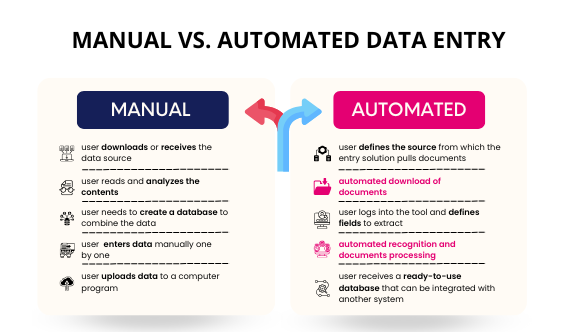
Data Management Services
- Research methodology services
- Sample Work
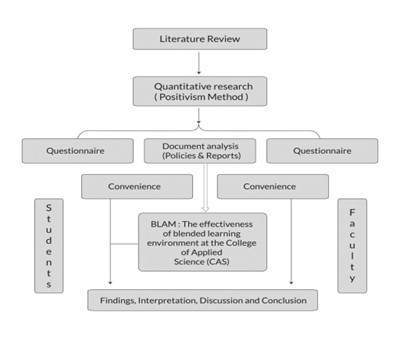
Research methodology services
- Tool Development Services
- Sample Work
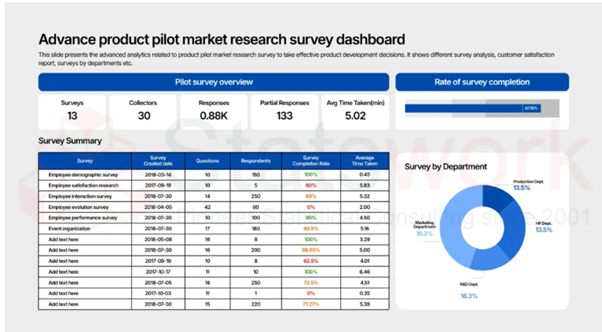
Tool development services
- Statistical Interpretation services
-
Statistical Interpretation services
- Sample Work
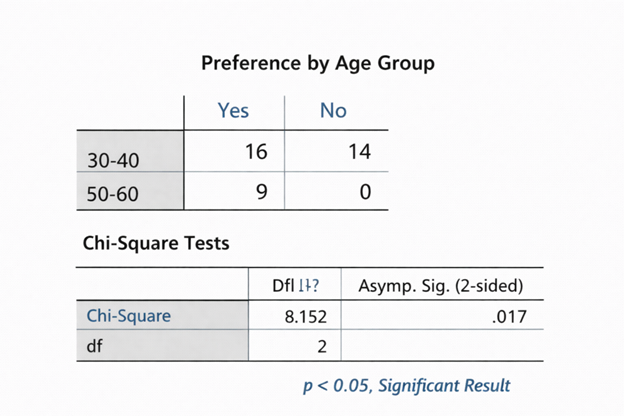
Statistical Interpretation services
-
- Sample Size Calculation Services
-
Sample Size Calculation Services
- Sample Work
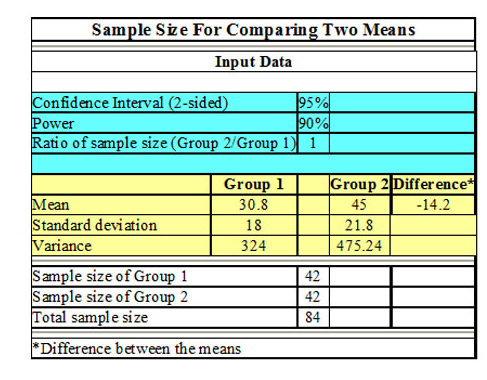
Sample Size Calculation Services
-
- AI & ML Services
-
Artificial Intelligence and Machine Learning Services
- Sample Work
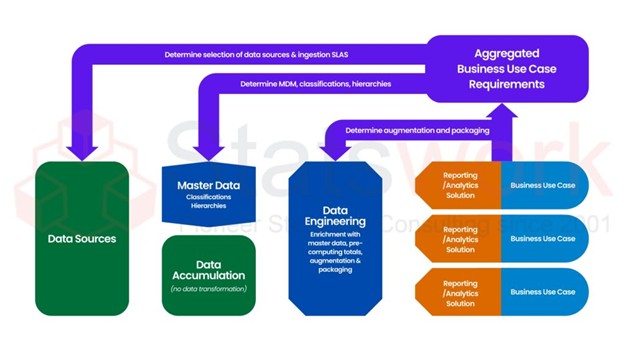
Artificial Intelligence and Machine Learning Services
-
- Meaningful Visualization Services
- Thought Leadership Services
- Report Generation Services
-
Report generation Service
- Sample Work
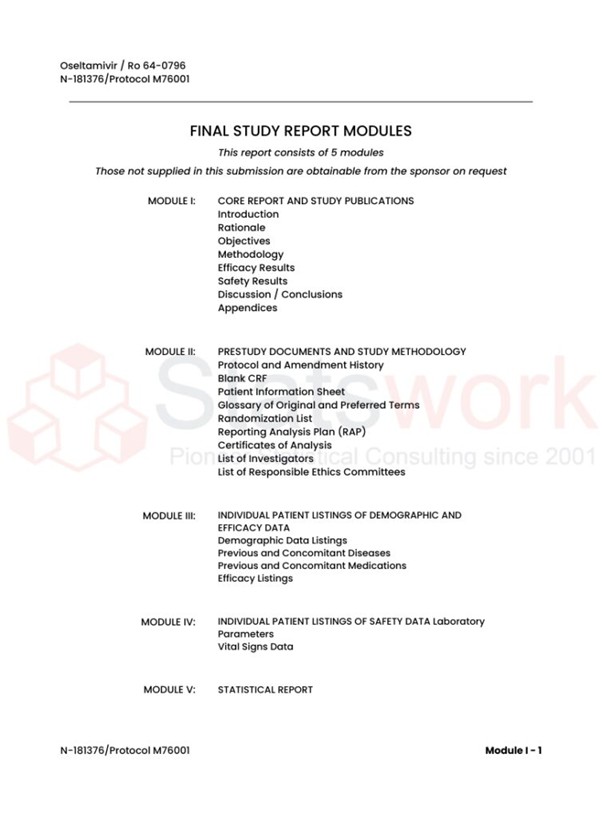
Report generation Services
-
- Data Analysis services
- Industries
- About Us
- Blog
- Insights
- Contact Us
- Services
- Data Analysis services
- Sample Work
Data Analysis services
- Secondary Qualitative Research Services
- Secondary Quantitative Research Services
- Meta-Analysis Research services
- Sample Work
Meta-Analysis Research Services
- Data Collection Services
- Sample Work
Data Collection Services
- Statistical & Biostatistics services
- Sample Work
Statistical Programming & Biostatistics services
- Data Management Services
- Sample Work
Data Management Services
- Research methodology services
- Sample Work
Research methodology services
- Tool Development Services
- Sample Work
Tool development services
- Statistical Interpretation services
-
Statistical Interpretation services
- Sample Work
Statistical Interpretation services
-
- Sample Size Calculation Services
-
Sample Size Calculation Services
- Sample Work
Sample Size Calculation Services
-
- AI & ML Services
-
Artificial Intelligence and Machine Learning Services
- Sample Work
Artificial Intelligence and Machine Learning Services
-
- Meaningful Visualization Services
- Thought Leadership Services
- Report Generation Services
-
Report generation Service
- Sample Work
Report generation Services
-
- Data Analysis services
- Industries
- About Us
- Blog
- Insights
- Contact Us
Unlocking Understanding: A Customized Research Tool for Transforming Data into Actionable Knowledge
- Home
- Insights
- Article
- Unlocking Understanding: A Customized Research Tool for Transforming Data into Actionable Knowledge
Qualitative Research Service
News & Trends
Recommended Reads
Contact us
Introduction
Introduction
The conversion of raw data into useful insights is an important aspect of making decisions based on that data in today’s information-driven society. Customised research tools are essential in providing researchers with the means of taking advantage of the many types of data available and turning them into something that can be acted upon.
Customised research tools assist organisations in providing better analytical capabilities, and this ultimately results in improved methods of making decisions using facts and increased ability to use data in a strategic manner.[1]
The Need for Customized Research Tools
- Customized Research Tools: Customize your Research Tools to fit the specific needs of the organization to ensure that the data collected are aligned with the organization’s goals and produce useful and actionable Intelligence.
- Supporting Knowledge Based Decision Making: Research tools produce meaningful insights that enable decision makers to make knowledge-based decision making, which improves the accuracy and efficiency of those decisions.
- Streamlined Processes & Improved Research Tool Development: Research Tool Development supports organizations in efficiently streamlining workflows to produce greater data-driven results from Knowledge based Decision Making.[1]
Understanding the Data Transformation Process
Data Collection | Determines the accuracy, reliability and relevance of the Data, for the specific purposes for which it was collected. |
Data Cleaning & Preprocessing | Optimizes Data Cleaning Processes, thereby eliminating errors and inconsistencies; to provide High Quality Data for Analysis. |
Data Analysis | Uncovering patterns and insights through Advanced Analytical Techniques such as Statistical and Machine Learning Techniques. |
Data Interpretation | Turns Results/Findings into clear and actionable insights to enable decision making based on knowledge. |
Outcome | Provides Data-Driven Decision-Making by converting Data into Knowledge & Actionable and Meaningful Insights.[2] |
How Customized Tools Improve Data Analysis and Decision Making
- Identify Needs: Evaluate the unique goals and requirements of the organization to create a research tool tailored to those goals and requirements.
- Develop Customized Tool: Build an analysis tool that can provide the ability to conduct specific types of analyses using advanced techniques and technologies, including machine learning and predictive analytics capabilities.
- Data Collection: Collect relevant and reliable data from a variety of sources, to ensure that the data collected is both valid and representative.
- Analyse Data: Utilize the developed research tool to perform statistical analyses and identify the key trends and insights that are of value to the organisation.
- Data Visualization: Present the results of the analysis using user-friendly visualisations, which allow non-technical stakeholders to easily understand the data.
- Empower Decision-Making: Provide to stakeholders the ability to make timely and informed decisions based upon meaningful data insights that are based upon data.[3]
Important Features of an Effective Research Tool
Data Integration | Integrates data from multiple sources to obtain comprehensive perspective, |
Advanced Analytics | Utilizes machine-learning and predictive modelling techniques for advance insight generation |
User-Friendliness | User-friendly design; customizable dashboard; easy to operate |
Scalability | Evolve with data trends; no effect on performance |
Real-Time Insights | Fast feedback loop for expedite decision making and actions.[4] |
Case Study: Real-world Applications of Customized Research Tools
- The use of customized research tools by health organizations to track the outbreak and analyse COVID-19 data helped facilitate a knowledge-based decision-making process.
- In addition, many companies in retail such as Amazon utilized data analysis tools to create better customer experiences and to help make data-driven decisions regarding their consumers.
- There is considerable value to an organization using customized research tools to improve organizational performance through data analysis, irrespective of the sector of the organization.
For example,
Customized Data Tools used by Toyota to Optimize Inventory and Reduce Waste, thus Increasing the Efficiency of the Manufacturing Process.
The Future of Data-Driven Decision Making with Custom Tools
Future data-driven decision-making will be influenced by the ongoing improvement and development of customized research tools. The tools mentioned above will improve as new technologies are developed, including artificial intelligence, analytics, blockchain, and IoT, which will allow these tools to have additional features such as automated decision-making, predictive modelling, and deeper integration with blockchain for enhanced data security.
In addition to providing meaningful insight into data how customized research tools can support knowledge-based decision-making, customized research tools will also support the advancement and development of customized research tools on an industry basis for improved data analysis.[5]
Conclusion
To access the complete potential of Data, Organisations must develop specific Research Tools. By having such Research Tools, Organisations can convert raw data (unrefined data) into insightful information, which can be used to make conscious, evidence-based decisions.
As economies change, the type and number of Research Tools that Organisations need will continue to grow Subsequently influencing how Organisations process their data. Therefore, by investing in custom Research Tools, Organisations can gain a “First Mover Advantage” allowing them to optimise their business and achieve Data-Driven Success in the increasingly Data-Driven World.
Transform your vision into reality with StatsWork’s Customised tool development!
Reference
- Elwyn, G., Quinlan, C., Mulley, A., Agoritsas, T., Vandvik, P. O., & Guyatt, G. (2015). Trustworthy guidelines–excellent; customized care tools–even better. BMC medicine, 13(1), 199. https://link.springer.com/article/10.1186/s12916-015-0436-y
- Bal, J. (1998). Process analysis tools for process improvement. The TQM Magazine, 10(5), 342-354. https://www.emerald.com/tqm/article-abstract/10/5/342/377015/Process-analysis-tools-for-process-improvement?redirectedFrom=fulltext
- Anshari, M., Almunawar, M. N., Lim, S. A., & Al-Mudimigh, A. (2019). Customer relationship management and big data enabled: Personalization & customization of services. Applied computing and informatics, 15(2), 94-101. https://www.sciencedirect.com/science/article/pii/S2210832718300735
- Bhatia, R. P. (2011). Features and Effectiveness of E-learning Tools. Global Journal of Business Management and Information Technology, 1(1), 1-7. https://d1wqtxts1xzle7.cloudfront.net/79796811/gjbmitv1n1_01-libre.pdf?1643446159=&response-content-disposition=inline
- Bousdekis, A., Lepenioti, K., Apostolou, D., & Mentzas, G. (2021). A review of data-driven decision-making methods for industry 4.0 maintenance applications. Electronics, 10(7), 828. https://www.researchgate.net/profile/Nsisong-Eyo-Udo/publication/380207624_Data-driven_decision_making_