
- Services
- Data Analysis services
- Sample Work
Data Analysis services
- Secondary Qualitative Research Services
- Secondary Quantitative Research Services
- Meta-Analysis Research services
- Sample Work
Meta-Analysis Research Services
- Data Collection Services
- Sample Work
Data Collection Services
- Statistical & Biostatistics services
- Sample Work
Statistical Programming & Biostatistics services
- Data Management Services
- Sample Work
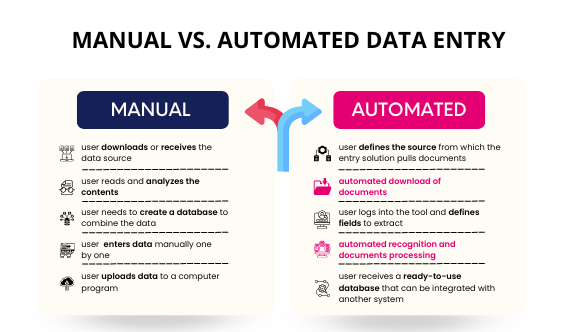
Data Management Services
- Research methodology services
- Sample Work
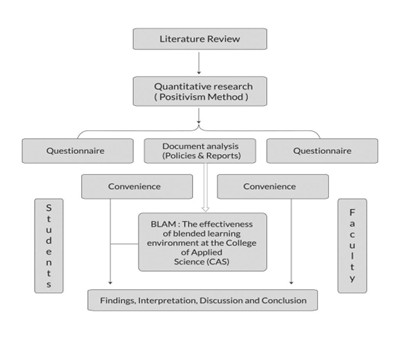
Research methodology services
- Tool Development Services
- Sample Work
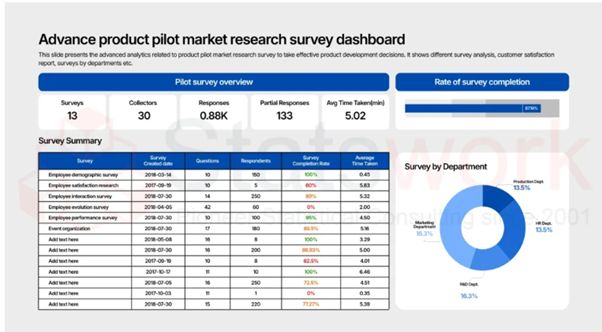
Tool development services
- Statistical Interpretation services
-
Statistical Interpretation services
- Sample Work
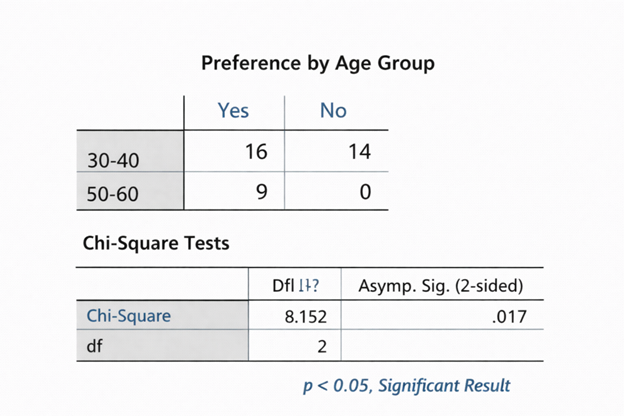
Statistical Interpretation services
-
- Sample Size Calculation Services
-
Sample Size Calculation Services
- Sample Work
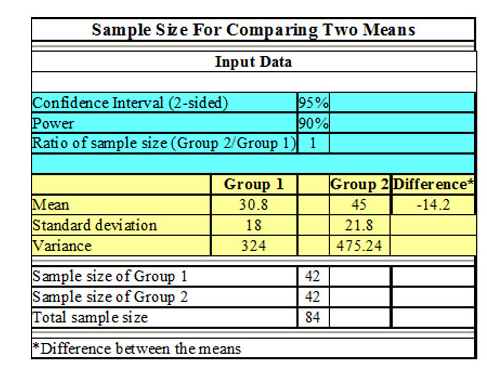
Sample Size Calculation Services
-
- AI & ML Services
-
Artificial Intelligence and Machine Learning Services
- Sample Work
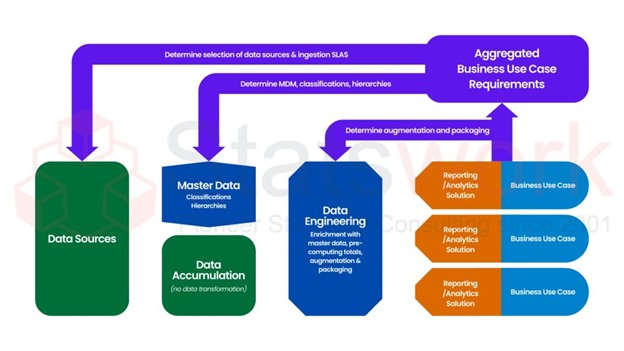
Artificial Intelligence and Machine Learning Services
-
- Meaningful Visualization Services
- Thought Leadership Services
- Report Generation Services
-
Report generation Service
- Sample Work
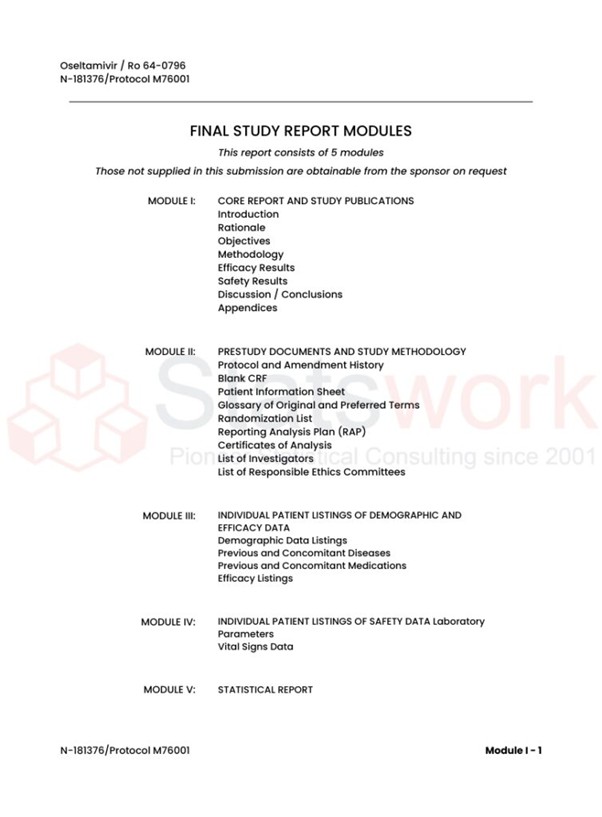
Report generation Services
-
- Data Analysis services
- Industries
- About Us
- Blog
- Insights
- Contact Us
- Services
- Data Analysis services
- Sample Work
Data Analysis services
- Secondary Qualitative Research Services
- Secondary Quantitative Research Services
- Meta-Analysis Research services
- Sample Work
Meta-Analysis Research Services
- Data Collection Services
- Sample Work
Data Collection Services
- Statistical & Biostatistics services
- Sample Work
Statistical Programming & Biostatistics services
- Data Management Services
- Sample Work
Data Management Services
- Research methodology services
- Sample Work
Research methodology services
- Tool Development Services
- Sample Work
Tool development services
- Statistical Interpretation services
-
Statistical Interpretation services
- Sample Work
Statistical Interpretation services
-
- Sample Size Calculation Services
-
Sample Size Calculation Services
- Sample Work
Sample Size Calculation Services
-
- AI & ML Services
-
Artificial Intelligence and Machine Learning Services
- Sample Work
Artificial Intelligence and Machine Learning Services
-
- Meaningful Visualization Services
- Thought Leadership Services
- Report Generation Services
-
Report generation Service
- Sample Work
Report generation Services
-
- Data Analysis services
- Industries
- About Us
- Blog
- Insights
- Contact Us
Advanced Likert Scale Survey Design for In-Depth Statistical Analysis and Data Interpretation
- Home
- Insights
- Article
- Advanced Likert Scale Survey Design for In-Depth Statistical Analysis and Data Interpretation
Qualitative Research Service
- What is a Likert Scale and How Does it Work in Practical Applications
- Why Advanced Likert Scale Design Matters
- How to Structure Likert Scale Surveys for Meaningful Outcomes
- Key Components of High-Impact Likert Scale Design
- How Are Likert Scale Surveys Used for Decision-Making
- How Do You Implement Hypothesis-Driven Surveys Successfully
- Conclusion
News & Trends
Recommended Reads
Contact us
Introduction
- 1. What is a Likert Scale and How Does it Work in Practical Applications
- 2. Why Advanced Likert Scale Design Matters
- 3. How to Structure Likert Scale Surveys for Meaningful Outcomes
- 4. Key Components of High-Impact Likert Scale Design
- 5. How Are Likert Scale Surveys Used for Decision-Making
- 6. What Analytical Techniques Unlock Deeper Insights
- 7. Conclusion
In today’s highly competitive and data-oriented world, organizations have to move past just gathering information and begin to analyse information in such a manner as to draw insights from their findings. Likert scale surveys allow an organization to gather opinions, gauge levels of satisfaction, and even determine behavioural intentions of its audience. The importance of Likert scale surveys comes not only in creating surveys but doing so effectively. [1]
What is a Likert Scale and How Does it Work in Practical Applications
Likert scale refers to a technique utilized in quantifying opinions and perception levels. It converts opinions into scalable data.
- Core Concept: Opinions in terms of agreement, satisfaction or frequencies are quantified by using a Likert scale.
- Scale Structure: It is usually created in the form of a 5 point or 7-point scale providing balance of positive and negative opinions.
- Response Flexibility: Respondents are able to rate their different levels of opinions as opposed to providing yes or no answers.
- Common Applications: It has been commonly used in various applications including employee engagement, customer satisfaction, products evaluation and market research.
- Analytical Value: Converting the perceptions into numeric values helps in using statistics in finding out trends, comparing outcomes and observing any changes. [1]
Why Advanced Likert Scale Design Matters
The basic survey is not usually capable of providing valid insights because of their confusing questions and lack of consistency. There are various ways in which the advanced use of the Likert scale helps in improving the quality of the data collected through surveys.
- Alignment of Survey Questions: Aligns each survey question to support the research purpose.
- Better Accuracy in Measurement: Captures sentiment and perception through structured and unbiased scales.
- Less Response Bias: Prevents the respondents from showing any bias during the survey owing to the clarity and consistency of questions and responses.
- Insight Generation Capability: Collects reliable data for drawing insights from them.
- Facilitate Smarter Decision Making: Enables the collection of data that is essential for making smart decisions.
How to Structure Likert Scale Surveys for Meaningful Outcomes
Surveys should be well-structured if they are meant to provide any useful insights. All steps in survey creation should be connected to each other and to the expected outcomes.
- Step 1: Define Objectives
First of all, define what is going to be measured by using this survey. This will make sure that all questions bring useful information. - Step 2: Create Statements That Are Single-Focus
It is important not to complicate questions and make them focus on a single problem for easier understanding. - Step 3: Use a Single Scale
In order to have a coherent set of answers, you need to use the same response scale consistently. - Step 4: Grouping Similar Questions Together
The questions should be grouped based on the similar topics they touch upon – satisfaction, usability, perception, etc. - Step 5: Balanced Answers
The answers provided to the questions should be balanced both in the number and the content. It is important to provide neutral answer option when needed. - Step 6: Survey Structure
The survey should be organized properly in order to allow efficient analysing at a later stage.
All these steps help in getting structured, clear, and consistent information from respondents. [3]
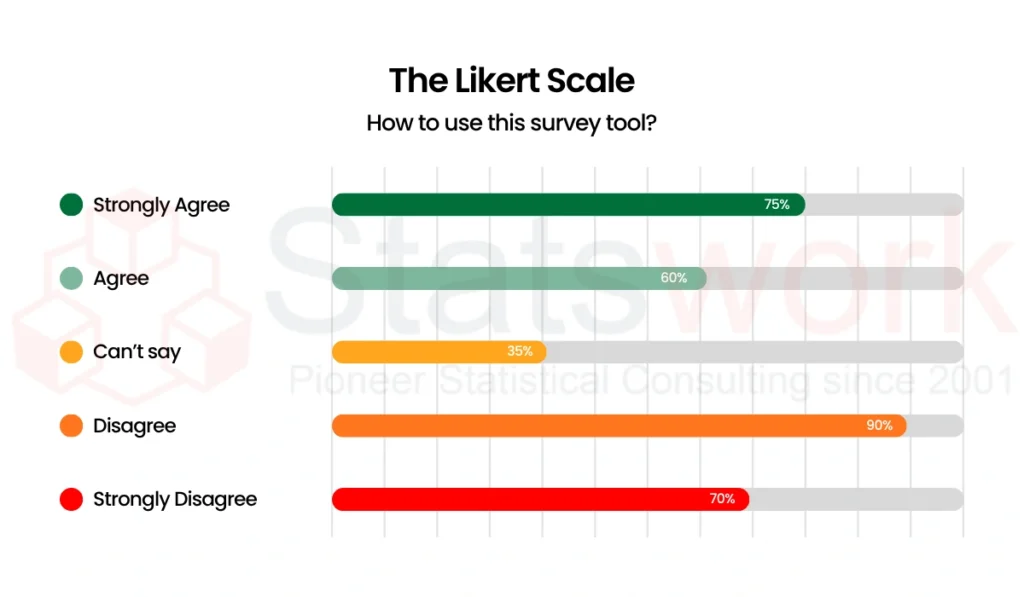
Key Components of High-Impact Likert Scale Design
| Component | Practical Application | Outcome Impact |
| Scale Consistency | Standardized response options across all questions | Enables comparison and trend analysis |
| Balanced Responses | Equal positive and negative choices | Reduces bias and improves accuracy |
| Neutral Midpoint | Captures undecided or neutral responses | Reflects realistic sentiment distribution |
| Reverse-Coded Questions | Includes negatively framed statements | Detects response patterns and bias |
| Thematic Grouping | Organizes questions into logical sections | Simplifies interpretation |
| Clear Wording | Uses simple and direct language | Enhances response clarity |
These enhance the validity of any quantitative research methodology used. [4]
How Are Likert Scale Surveys Used for Decision-Making
- Determines the degree of satisfaction and engagement in order to gauge sentiments and recognize trends in various engagements.
- Analyses the experience of users/customers through emphasizing their strong points, discovering their pain points, and making improvements to their quality and experience.
- Checks the performance of a product/service to find out its effectiveness, consistency, and the points that require improvement.
- Allows you to understand people’s perceptions and expectations by identifying the gap between what was meant to be achieved and what actually occurred.
- Allows spotting certain trends in the answers provided, thus facilitating timely actions and making data-driven decisions. [5]
What Analytical Techniques Unlock Deeper Insights
Through advanced Likert scale analysis, the information collected on the Likert scale becomes valuable because it allows for better statistical data interpretation.
- Descriptive Statistics: This approach employs indicators like average, dispersion, and standard deviation to describe overall response trends.
- Reliability testing: This uses concepts like Cronbach’s alpha to establish reliability of the scale.
- Factor analysis: The approach helps in identifying the hidden dimensions in responses to be able to categorize the variables.
- Correlation and regression analysis: This involves analysis of the relationship between two variables and how one variable predicts the other.
- Comparative analysis: It is used to compare the responses from different groups or sections.
This makes statistical survey data analysis more effective resulting in accurate conclusions. [5]
Conclusion
The more advanced form of survey questionnaire designing using the Likert scale is more than just getting people’s opinions; it is all about creating an approach that can help extract important information and achieve real improvements. It requires an emphasis on the elements of design, wordings, and analysis in order to make surveys work properly and become efficient means of achieving goals.
Using the Likert scale surveys effectively allows for a consistent improvement, enhances the user experience, and provides solid grounds for making decisions.
Turn questions into strategy with Statswork’s Questionnaire Structure Formation—the future of intelligent survey design.
Reference
- Chyung, S. Y., Roberts, K., Swanson, I., & Hankinson, A. (2017). Evidence‐based survey design: The use of a midpoint on the Likert scale. Performance improvement, 56(10), 15-23. https://onlinelibrary.wiley.com/doi/
- Ogden, J., & Lo, J. (2012). How meaningful are data from Likert scales? An evaluation of how ratings are made and the role of the response shift in the socially disadvantaged. Journal of health psychology, 17(3), 350-361. https://journals.sagepub.com/doi/
- Salleh, K. M., Sulaiman, N. L., Gloeckner, G., Ramli, R., & Al-Asfour, A. (2026). Analyzing Likert Scale type data and interpretation in TVET research: A guideline for the novice researcher. Architecture Image Studies, 7(1), 550-560. https://journals.ap2.pt/index.php/ais/
- Barua, A. (2013). Methods for decision-making in survey questionnaires based on Likert scale. journal of asian scientific research, 3(1), 35-38. https://www.academia.edu/