
- Services
- Data Analysis services
- Sample Work
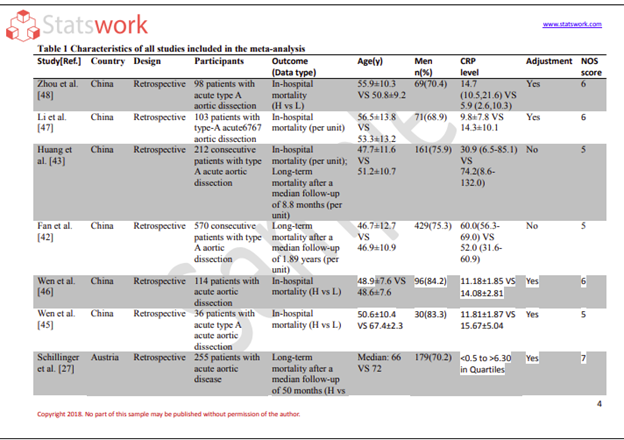
Data Analysis services
- Secondary Qualitative Research Services
- Secondary Quantitative Research Services
- Meta-Analysis Research services
- Sample Work
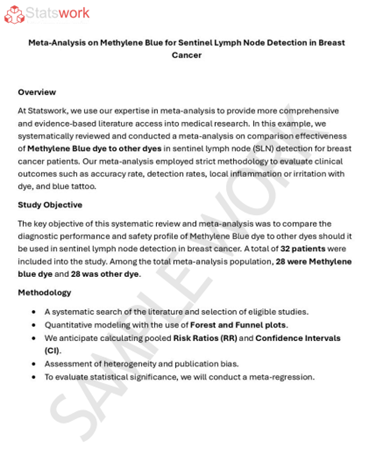
Meta-Analysis Research Services
- Data Collection Services
- Sample Work
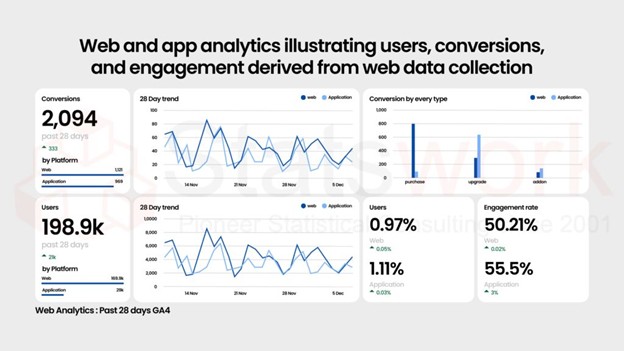
Data Collection Services
- Statistical & Biostatistics services
- Sample Work
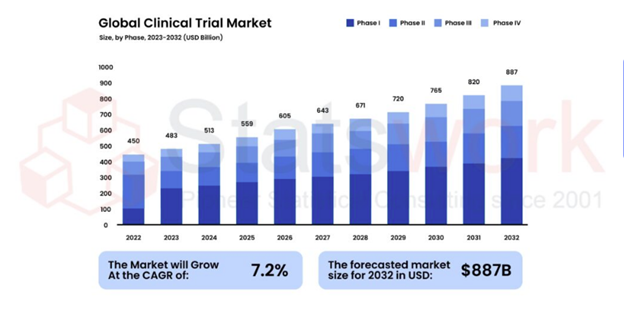
Statistical Programming & Biostatistics services
- Data Management Services
- Sample Work
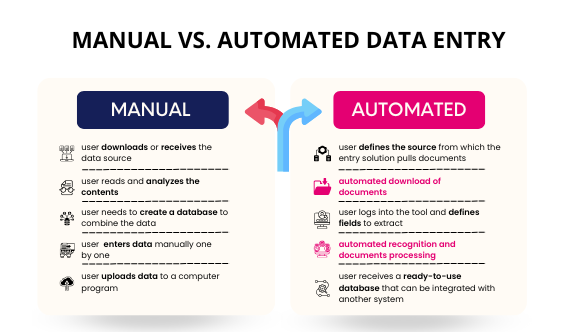
Data Management Services
- Research methodology services
- Sample Work
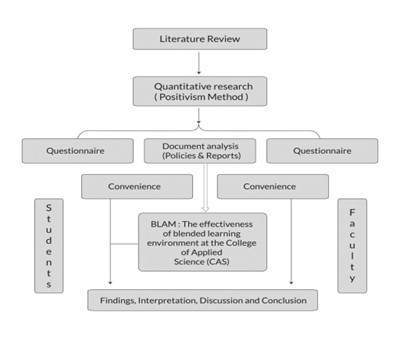
Research methodology services
- Tool Development Services
- Sample Work
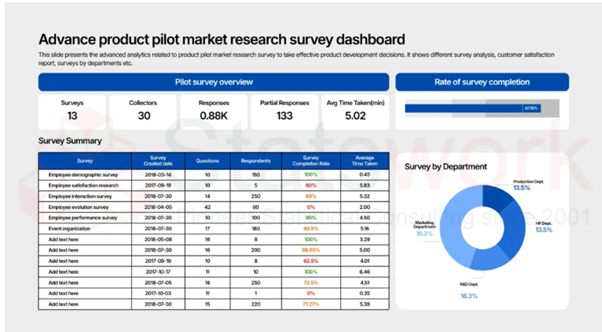
Tool development services
- Statistical Interpretation services
-
Statistical Interpretation services
- Sample Work
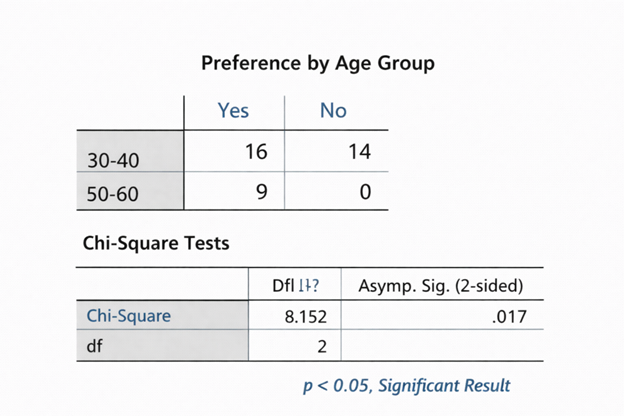
Statistical Interpretation services
-
- Sample Size Calculation Services
-
Sample Size Calculation Services
- Sample Work
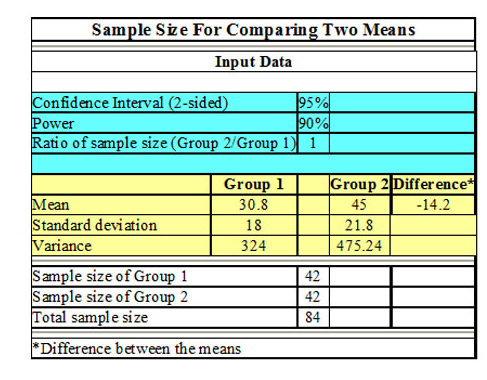
Sample Size Calculation Services
-
- AI & ML Services
-
Artificial Intelligence and Machine Learning Services
- Sample Work
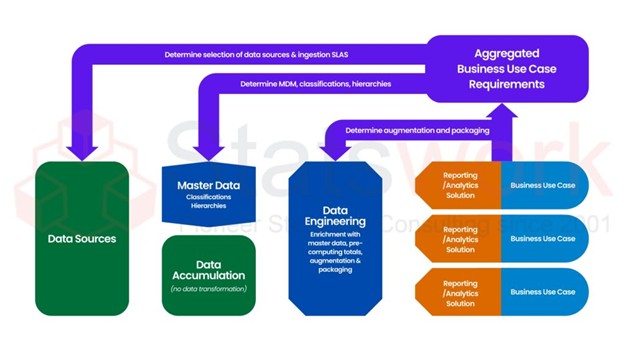
Artificial Intelligence and Machine Learning Services
-
- Meaningful Visualization Services
- Thought Leadership Services
- Report Generation Services
-
Report generation Service
- Sample Work
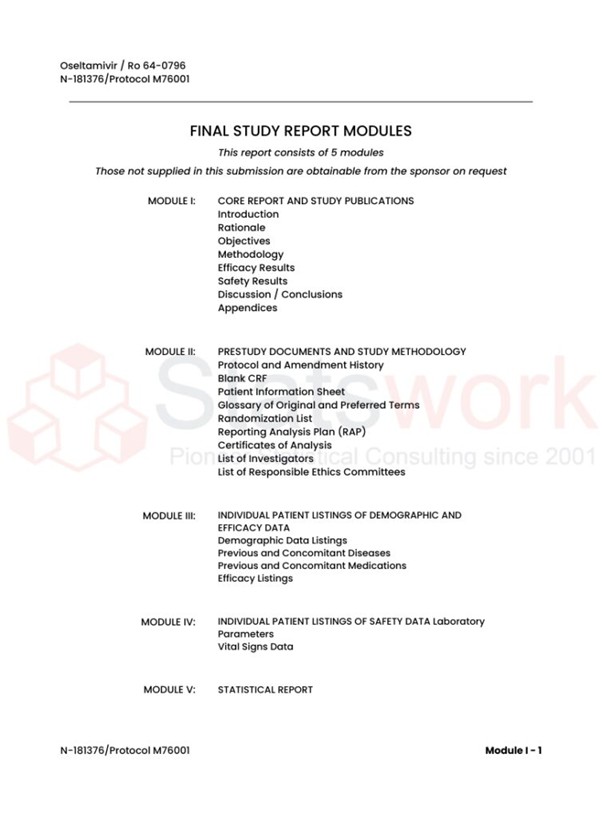
Report generation Services
-
- Data Analysis services
- Industries
- About Us
- Blog
- Insights
- Contact Us
- Services
- Data Analysis services
- Sample Work
Data Analysis services
- Secondary Qualitative Research Services
- Secondary Quantitative Research Services
- Meta-Analysis Research services
- Sample Work
Meta-Analysis Research Services
- Data Collection Services
- Sample Work
Data Collection Services
- Statistical & Biostatistics services
- Sample Work
Statistical Programming & Biostatistics services
- Data Management Services
- Sample Work
Data Management Services
- Research methodology services
- Sample Work
Research methodology services
- Tool Development Services
- Sample Work
Tool development services
- Statistical Interpretation services
-
Statistical Interpretation services
- Sample Work
Statistical Interpretation services
-
- Sample Size Calculation Services
-
Sample Size Calculation Services
- Sample Work
Sample Size Calculation Services
-
- AI & ML Services
-
Artificial Intelligence and Machine Learning Services
- Sample Work
Artificial Intelligence and Machine Learning Services
-
- Meaningful Visualization Services
- Thought Leadership Services
- Report Generation Services
-
Report generation Service
- Sample Work
Report generation Services
-
- Data Analysis services
- Industries
- About Us
- Blog
- Insights
- Contact Us
Quantitative Data Analysis Methods Every Researcher Should Know
Qualitative Research Service
- Understanding Research Methodology in Quantitative Studies
- Key Quantitative Data Analysis Methods Every Researcher Should Know
- Statistical Software Expertise at Statswork
- Common Mistakes That Lead to Journal Rejection
- Why Researchers Choose Statswork for Quantitative Data Analysis Services
- Ready to Strengthen Your Research?
News & Trends
Recommended Reads
Contact us
Introduction
Strong research outcomes depend on choosing the right research methodology and applying accurate data analysis techniques. Whether you are a postgraduate student, PhD scholar, or academic researcher, understanding quantitative data analysis is essential for producing valid, publishable research.
With professional research methodology services, researchers can ensure that their study design, data handling, and statistical interpretation meet academic and journal standards.
Understanding Research Methodology in Quantitative Studies
Research methodology refers to the systematic approach used to collect, analyze, and interpret data. In quantitative research, this involves numerical data, statistical models, and hypothesis testing.
Effective research methodology support services help researchers:
- Select appropriate research designs
- Choose correct statistical tools
- Avoid methodological errors
- Improve research credibility
What Is Statistical Analysis in Research Methodology?
Statistical analysis in research methodology involves applying mathematical techniques to interpret data and test hypotheses. It transforms raw data into meaningful insights that support or reject research assumptions.
Quantitative analysis is widely used in:
- Theses and dissertations
- Journal publications
- Survey-based research
- Experimental and observational studies
Key Quantitative Data Analysis Methods Every Researcher Should Know
1. Descriptive Statistics
Descriptive statistics summarize data using measures such as mean, median, mode, variance, and standard deviation.
- Describe sample characteristics
- Present initial data trends
- Support data interpretation
2. Inferential Statistics
Inferential methods allow researchers to draw conclusions about a population based on sample data.
- Hypothesis testing
- Confidence intervals
- Significance testing
These methods are central to quantitative research methodology services, especially for thesis and journal work.
3. Correlation Analysis
Correlation analysis measures the relationship between variables.
- Pearson correlation
- Spearman rank correlation
It is widely used in behavioral, social, and management research.
4. Regression Analysis
Regression analysis predicts outcomes and examines cause-and-effect relationships.
- Linear regression
- Multiple regression
- Logistic regression
Regression is a core component of advanced statistical analysis in research methodology.
5. Hypothesis Testing (t-test & z-test)
Hypothesis testing determines whether observed differences are statistically significant.
- Compare group means
- Validate experimental results
These tests are fundamental in quantitative academic research.
6. Analysis of Variance (ANOVA)
ANOVA compares means across three or more groups.
- Experimental studies
- Social science research
Medical and educational research
7. Chi-Square Test
The Chi-square test analyzes relationships between categorical variables.
- Survey analysis
- Questionnaire-based research
- Cross-tabulation studies
8. Non-Parametric Tests
Non-parametric tests are used when data does not meet normal distribution assumptions.
- Mann–Whitney U test
- Wilcoxon signed-rank test
- Kruskal–Wallis test
9. Factor Analysis
Factor analysis reduces multiple variables into underlying dimensions.
- Scale development
- Instrument validation
Behavioral and psychological research
10. Structural Equation Modeling (SEM)
SEM tests complex relationships between observed and latent variables.
This method is commonly supported through quantitative research methodology services for PhD and advanced research.
Statistical Software Expertise at Statswork
Our team works with leading statistical software, including:
- SPSS
- R
- Python
- Stata
- SAS
We ensure reproducible results, transparent reporting, and publication-ready output.
Common Mistakes That Lead to Journal Rejection
Many researchers struggle due to:
- Incorrect test selection
- Ignoring statistical assumptions
- Misinterpreting p-values
- Inadequate sample size calculation
- Poor data cleaning
These issues can significantly reduce research credibility.
Statswork’s Research Methodology Services help eliminate these risks by offering:
- End-to-end statistical consulting
- Data validation and cleaning
- Model diagnostics
- Academic reporting support
- Journal-ready statistical interpretation
Why Researchers Choose Statswork for Quantitative Data Analysis Services
- Experienced statisticians whohaveworkedon academic studies
- Provide support for thesis/dissertations and forpublishing/academic article manuscripts
- Use advanced statistical modeling and predictive analysis
- Documentallmethodological procedures in a transparent manner
- Strictlyadhere to ethical standardsandmaintainconfidentialityof your research
When you conduct survey research, clinical trials, experimental studies or perform business analytical assessments, we guarantee that your statistical analysis will be accurate and that your research will be of the highest quality.
Ready to Strengthen Your Research?
Your research work may include a dissertation, thesis, journal article, or institutional research project, but it will benefit greatly from having a professional who provides statistical data analysis as a support service for researchers.
Contact Statswork’s data analysis professionals for the most current information about how to conduct statistical analysis that is consistent with the academic standards of research-related methodologies and statistical analyses globally.