Technology Intelligence Secondary Data Research for Manufacturing and Tech Firms

Technology Intelligence Secondary Data Research for Manufacturing and Tech Firms

May 2025 | Source: News-Medical

Introduction

Companies in the technology space and manufacturing sector will need to be able to use both market intelligence and technology intelligence if they are to continue to be competitive as the business environment continues to change rapidly.

By utilizing tech intelligence and manufacturing data, companies can identify opportunities for innovation, better manage their operations, and obtain a sustainable competitive market advantage.[1]

The Role of Technology Intelligence in Driving Innovation and Growth

  • To create successful growth and strategic plans, businesses will need to create strategies based on technology intelligence to help them understand the direction that new technology will take and how to respond to emerging competitors.
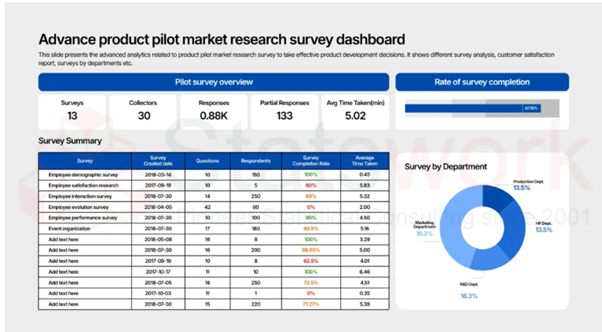
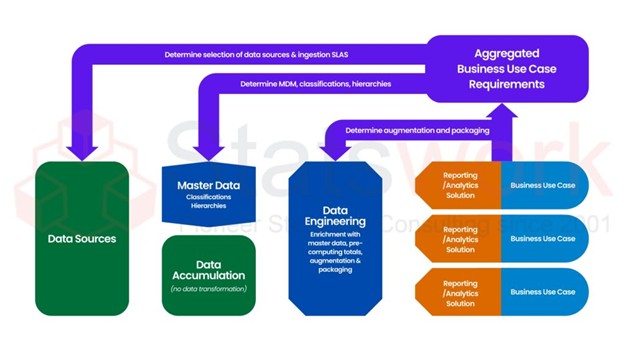
  • Market Intelligence and Secondary Data provide management with tools to monitor industry trends, review developing innovations, and make accurate market projections.
  • By collecting and analysing information from a variety of Secondary Data Sources, including Manufacturer websites, businesses will be able to improve their productivity and product design by utilising the information from the collection of these sources.
  • Using Technology Intelligence as well as Secondary Data Collection helps organizations make better business decisions resulting in increased competitiveness and improved opportunities to innovate.[2]
v1 - Secondary Data Research - Recreation Image - SW - 23948 - 29-12-2025

Key Sources of Secondary Data for Technology Intelligence

Market Intelligence Reports

Identify and report on emerging trends, competitive landscape, and market dynamics.

Academic Journals

Conduct in-depth investigation into technological advancements and innovation across multiple industries.

Industry Publications

Deliver sector-specific updates on technology, trends, and best practices applicable to businesses.

Patent Filings & Government Reports

Monitor and report on emerging technologies, regulatory changes, and patents that may affect the industry.

Manufacturing Data

Provide data on production, supply chain, and operational efficiency that inform tech intelligence.[3]

Applications of Technology Intelligence in the Manufacturing Sector

  • Optimizing Production Processes: Leverages new automation, artificial intelligence and Robotics Technologies to improve operational efficiency and decrease the cost of production, while also reducing the risk of human error.
  • Product Development and Innovation: Continually evaluates emerging trends within the Technology Sector to develop and improve products in order to provide superior user experience and maintain a competitive advantage.
  • Supply Chain Optimization: Monitors the disruptions occurring within the Supply Chain to apply modern day Logistic Methods for efficient Procurement & Storage of Inventory with Speed.
  • Predictive Maintenance: Employs the use of new Predictive Maintenance Technologies to track Machine Performance, predict Machine Failures, and reduce the amount of time during which Machines are Non/Inactive.
  • Sustainability and Energy Efficiency: Identifies and pursues new Green Technologies and Energy-Efficient Products, so that an organization can reduce its Environmental Impact and comply with Regulatory Requirements.[3]

Utilising Secondary Data for Competitive Intelligence in Tech Firms

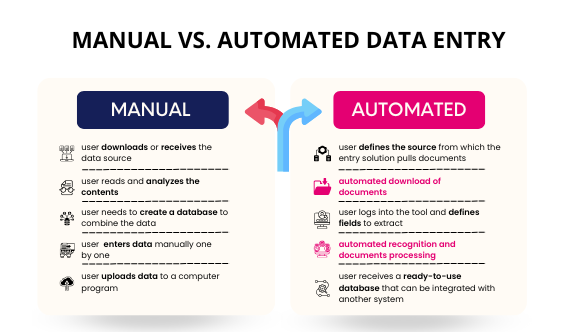
  • By using both technology intelligence and market intelligence to conduct secondary data research, allows them to keep track of their competitors’ innovative activities, new product launches, and strategic initiatives.
  • By analysing the technology intelligence and secondary data collected, tech firms can identify industry trends and changes in technology that may impact their competitive positioning.
  • Through the analysis of manufacturing data and other secondary data sources, tech firms can identify opportunities and potential gaps in the market.
  • Competitive intelligence from secondary data allows tech firms to create strategies for remaining competitive and to grow.[4]

Challenges in Using Secondary Data for Technology Intelligence


Data Reliability

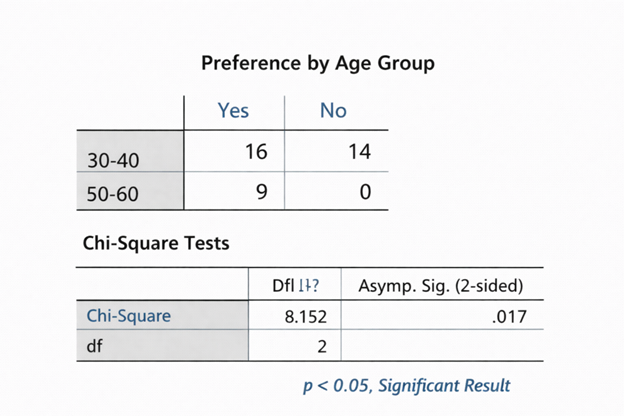
The accuracy of insights drawn using secondary data can be compromised if the data has been collected from unreliable or outdated sources.

Data Relevance

Secondary data may not be applicable to the specific circumstances of a company or its industry.

Data Overload

The volume of secondary data can overwhelm businesses, making it challenging to discern critical insights.

Inconsistent Data Formats

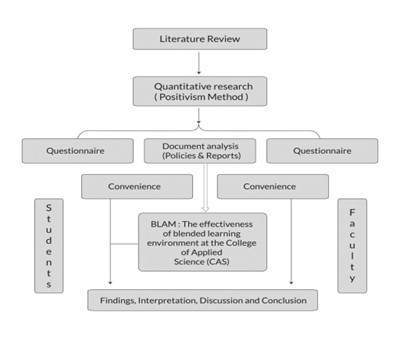
Secondary data from multiple sources may be collected in differing formats, making it difficult for the business to analyse and integrate the data.


Data Gaps

Businesses may have to rely on primary research or make assumptions about the missing information within the data used to derive insights.[4]


The Future of Technology Intelligence and Secondary Data Research

  • AI and Machine Learning Integration:AI and machine learning will improve the analysis of secondary data, leading to a greater level of insight.
  • Enhanced Market and Tech Intelligence: Researching secondary data allows firms to discover new trends and competitor approaches.
  • Real-Time Data Utilization: Firms can utilize real-time industry data and operational information to make quick business decisions.
  • Predictive Analytics: Use of advanced techniques for collecting secondary data drives business growth and helps predict future trends.[5]

Conclusion

To summarize, by leveraging technology-based intelligence and market-based intelligence through secondary sources of data, manufacturing and technology companies can remain competitive in the constantly changing landscape of today’s world.

When manufacturers collect data from different sources such as manufacturing records and the internet, they can identify emerging trends, optimise their operations and develop new innovative products and services.

“Unlock key insights with Statswork’s secondary data collection. Stay competitive and innovate faster. Get started now!”

References

  1. Ashton, W. B., & Stacey, G. S. (1995). Technical intelligence in business: understanding technology threats and opportunities. International journal of technology management10(1), 79-104. https://www.inderscienceonline.com/doi/pdf/10.1504/IJTM.1995.025615
  2. Yoon, B. (2008). On the development of a technology intelligence tool for identifying technology opportunity. Expert systems with applications35(1-2), 124-135. https://www.sciencedirect.com/science/article/abs/pii/S0957417407002175
  3. Liu, J., Chang, H., Forrest, J. Y. L., & Yang, B. (2020). Influence of artificial intelligence on technological innovation: Evidence from the panel data of china’s manufacturing sectors. Technological Forecasting and Social Change158, 120142. https://www.sciencedirect.com/science/article/abs/pii/S0040162520309689
  4. Chevallier, C., Laarraf, Z., Lacam, J. S., Miloudi, A., & Salvetat, D. (2016). Competitive intelligence, knowledge management and coopetition: the case of European high-technology firms. Business Process Management Journal22(6), 1192-1211. https://www.emerald.com/bpmj/article-abstract/22/6/1192/430849/Competitive-intelligence-knowledge-management-and?redirectedFrom=fulltext
  5. Shaffer, R. (2025). The future of intelligence studies: technology and data. Intelligence and National Security40(1), 196-201. https://www.tandfonline.com/doi/abs/10.1080/02684527.2024.2431389