
- Services
- Data Analysis services
- Sample Work
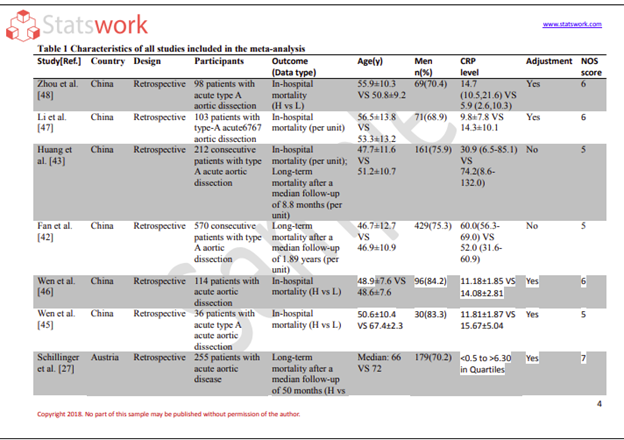
Data Analysis services
- Secondary Qualitative Research Services
- Secondary Quantitative Research Services
- Meta-Analysis Research services
- Sample Work
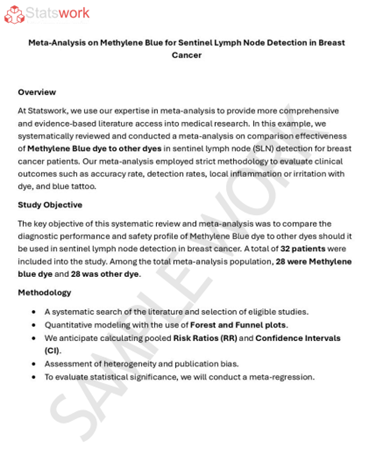
Meta-Analysis Research Services
- Data Collection Services
- Sample Work
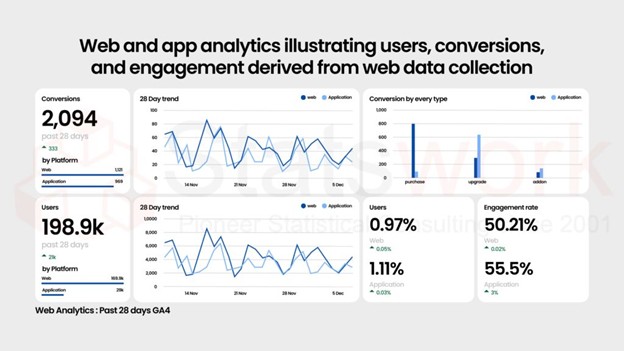
Data Collection Services
- Statistical & Biostatistics services
- Sample Work
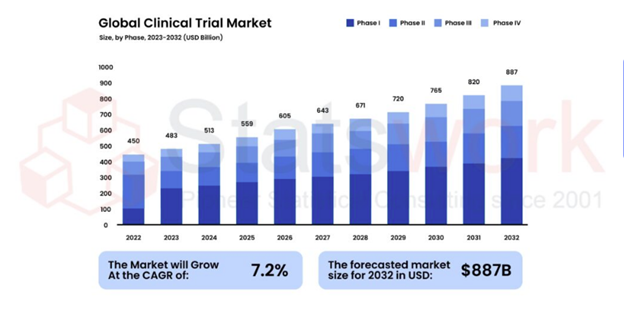
Statistical Programming & Biostatistics services
- Data Management Services
- Sample Work
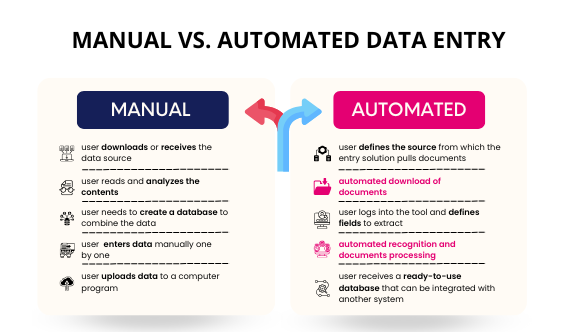
Data Management Services
- Research methodology services
- Sample Work
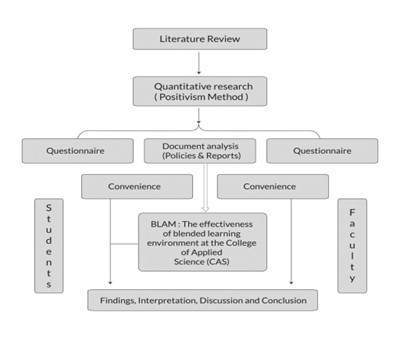
Research methodology services
- Tool Development Services
- Sample Work
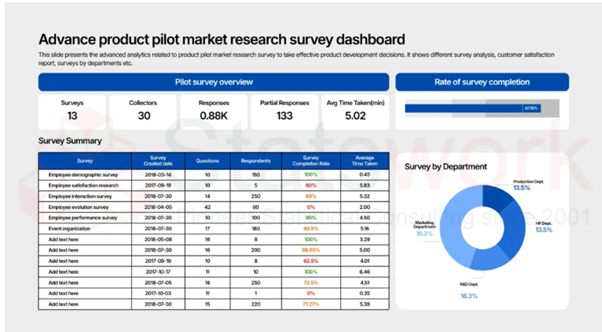
Tool development services
- Statistical Interpretation services
-
Statistical Interpretation services
- Sample Work
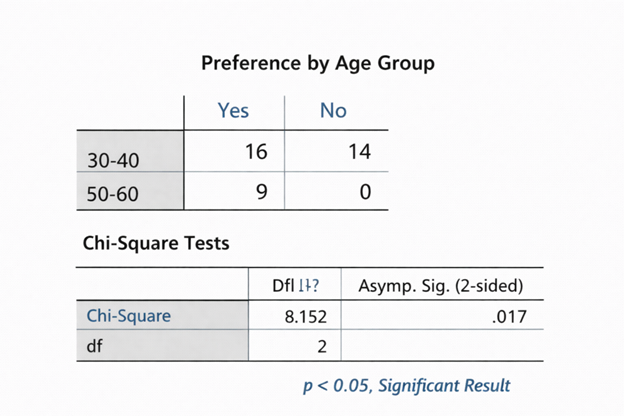
Statistical Interpretation services
-
- Sample Size Calculation Services
-
Sample Size Calculation Services
- Sample Work
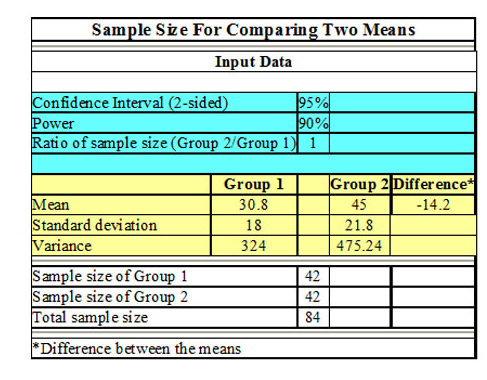
Sample Size Calculation Services
-
- AI & ML Services
-
Artificial Intelligence and Machine Learning Services
- Sample Work
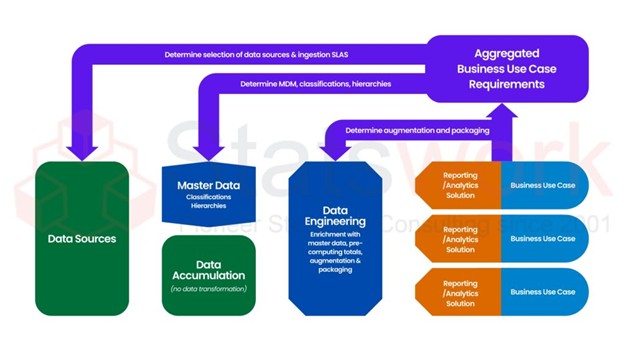
Artificial Intelligence and Machine Learning Services
-
- Meaningful Visualization Services
- Thought Leadership Services
- Report Generation Services
-
Report generation Service
- Sample Work
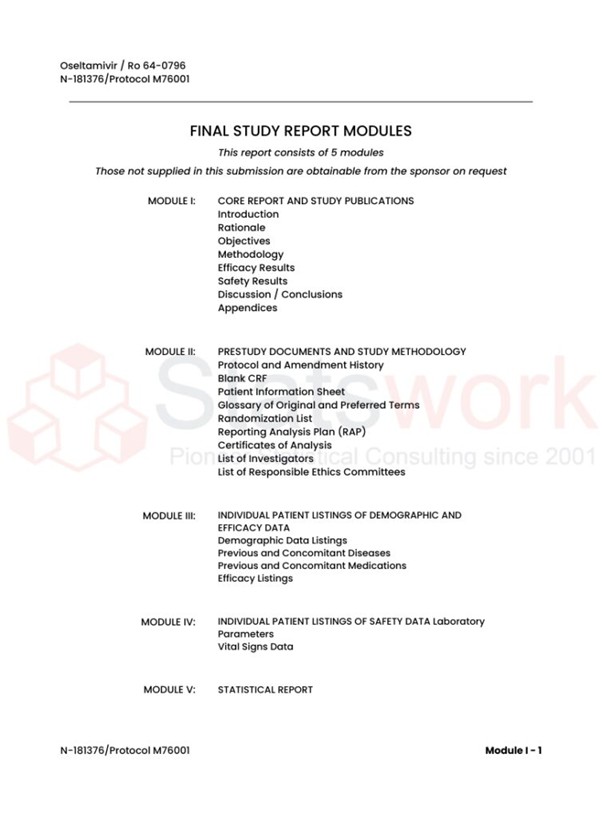
Report generation Services
-
- Data Analysis services
- Industries
- About Us
- Blog
- Insights
- Contact Us
- Services
- Data Analysis services
- Sample Work
Data Analysis services
- Secondary Qualitative Research Services
- Secondary Quantitative Research Services
- Meta-Analysis Research services
- Sample Work
Meta-Analysis Research Services
- Data Collection Services
- Sample Work
Data Collection Services
- Statistical & Biostatistics services
- Sample Work
Statistical Programming & Biostatistics services
- Data Management Services
- Sample Work
Data Management Services
- Research methodology services
- Sample Work
Research methodology services
- Tool Development Services
- Sample Work
Tool development services
- Statistical Interpretation services
-
Statistical Interpretation services
- Sample Work
Statistical Interpretation services
-
- Sample Size Calculation Services
-
Sample Size Calculation Services
- Sample Work
Sample Size Calculation Services
-
- AI & ML Services
-
Artificial Intelligence and Machine Learning Services
- Sample Work
Artificial Intelligence and Machine Learning Services
-
- Meaningful Visualization Services
- Thought Leadership Services
- Report Generation Services
-
Report generation Service
- Sample Work
Report generation Services
-
- Data Analysis services
- Industries
- About Us
- Blog
- Insights
- Contact Us
Ai technical Document data collection for b2b product catalogs & Machinery Intelligence
- Home
- Insights
- Article
- Ai technical Document data collection for b2b product catalogs & Machinery Intelligence
Data Collection
- AI-Driven Technical Document Data Collection for Product Catalogs
- Automating Extraction of Machinery Specifications and Manuals
- Enhancing Machinery Intelligence Through Advanced Analytics
- Enhancing Machinery Intelligence Through Advanced Analytics
- Incorporating AI Technologies for Better Catalogue Management & Product Onboarding
- Reference
News & Trends
Recommended Reads
Contact us
AI technical Document data collection for b2b product catalogs & Machinery Intelligence
Table of Content
May 2025 | Source: News-Medical
Overview: Growth of Artificial Intelligence within B2B Creation of Technical Documents
A successful organisation today must have exact, well-organised data to maintain its position in a highly competitive global market. The creation of multiple documents, such as product catalogues, machinery manuals, etc., provides organisations with ongoing synergies in decision-making, operational efficiencies, and customer/client service.[1]
Today, as products become increasingly complex, organisations are adopting AI technology and AI technical document data collection methods to automate the process of converting an unstructured document into a digital asset. Because more organisations are utilising B2B technical documentation services and AI data extraction to create new processes, these businesses will also develop better efficiencies in managing their information, better accuracy in maintaining their B2B product catalogs, as well as improved processes for gathering and analysing information for atheir various business intelligence and supply chain intelligence systems.
AI-Driven Technical Document Data Collection for Product Catalogs
Section | Description |
Challenge | PDF files and technical documents make it difficult to automatically extract product specifications for large business-to-business catalogues. |
Technology | The use of AI-driven Optical Character Recognition (OCR) and Natural Language Processing (NLP) enables the automatic extraction of attribute items, diagrams and specifications |
Outcome: | The data that gets generated provides a more accurate and uniform digital product catalog across any type of platform where products are sold. |
Benefits: |
|
Automating Extraction of Machinery Specifications and Manuals
Industrial machinery typically comes equipped with comprehensive manuals, warning information, Standard Operating Procedures (SOP) and specification documents.
Automated AI data collection services in UK for machine instructions converts all these conventional documents into structured electronic datasets.[3]
AI interprets industrial machine documents and provides structured data on key information like:
- Performance metrics
- Sizes of the machinery
- Individual information for parts
- Scheduled time for maintenance
- Means of operation
By using technology to provide machinery intelligence and making educated decisions, businesses can:
- Enhance after-sales support activities
- Perform predictive maintenance
- Create digital twins of their machinery
- Have technicians quickly and easily locate technical information.[4]
Standardising and Structuring Industrial Product Information with AI
Challenge: | Inconsistent product data formats, units and terminology. |
AI Role: | Aid in the standardisation and structuring of technical data. |
Capabilities: | Unify Attributes; Map Taxonomies; Structure Raw Data [5] |
Outcome: | Reliable, Consistent, and Searchable Industrial Catalogues. |
Enhancing Machinery Intelligence Through Advanced Analytics
Category | Description | Metric |
Data Digitization | data digitised and collected from machines for AI analysis | 90% manual entry has been replaced |
Optimizing Machinery | improving the efficiency of equipment by utilising AI | 25% increase in equipment uptime |
Machine Failure Analysis | ai can detect machine failure patterns and trends to help prevent downtime [3] | 30% decrease in unscheduled downtime |
Smarter Procurement Guidance | AI provides guidance on purchasing and inventory decisions | 15% decrease in procurement costs |
Increased Operational Efficiency | AI helps streamline operational processes and make good decisions – | 20% increase in operational efficiency |
Incorporating AI Technologies for Better Catalogue Management & Product Onboarding
The demands of today’s B2B market are for fast, precise, scalable onboarding of products. AI can enhance the capabilities of systems such as ERP, CRM, and PIM, enabling companies to automate the entire pipeline of product onboarding, from collecting technical documents all the way through publishing to the company’s catalog.
By using AI as a means of collecting product data, organisations can:
- Decreased amount of time spent on manual labour
- Reduced error rates
- Have a catalogue that is always up to date
- Provide rich content on products to both customers and sales teams [5]
This integration will create a streamlined process for providing seamless digital experiences through all of an organisation’s online platforms (websites, marketplaces, & Internal systems).
“Transform your B2B catalogs with StatsWork’s AI data collection services – Get Started Today!”
References
- Schreur, P. E. (2020). The use of linked data and artificial intelligence as key elements in the transformation of technical services. Cataloging & Classification Quarterly, 58(5), 473-485.https://www.tandfonline.com/doi/abs/10.1080/01639374.2020.1772434
- Wilson, R. D., & Stephens, A. M. (2023). The challenges of B2B innovation: using marketing analytics to plan and implement a successful digital catalog adoption. Journal of Business & Industrial Marketing, 38(2), 290-302.https://www.emerald.com/jbim/article-abstract/38/2/290/205051/The-challenges-of-B2B-innovation-using-marketing?redirectedFrom=fulltext
- Horstmann, N. (2025). Use of Artificial Intelligence in Global B2B Content Marketing. In B2B Marketing Guidebook-Vol. 2: Advanced B2B Marketing Tactics, AI, and Case Studies(pp. 355-378). Cham: Springer Nature Switzerland.https://link.springer.com/chapter/10.1007/978-3-031-91195-8_16
- Seebacher, U. (2025). The B2B Marketing Maturity Model in the Era of Predictive Intelligence. In B2B Marketing Guidebook-Vol. 1: The Strategic Foundations of Next Generation B2B Marketing(pp. 155-224). Cham: Springer Nature Switzerland.https://link.springer.com/chapter/10.1007/978-3-031-91183-5_4