
- Services
- Data Analysis services
- Sample Work
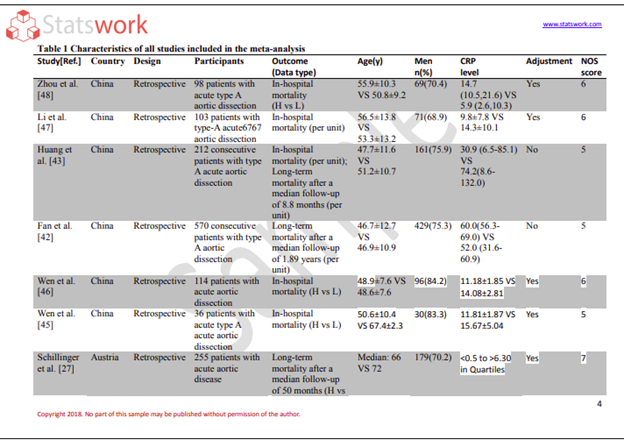
Data Analysis services
- Secondary Qualitative Research Services
- Secondary Quantitative Research Services
- Meta-Analysis Research services
- Sample Work
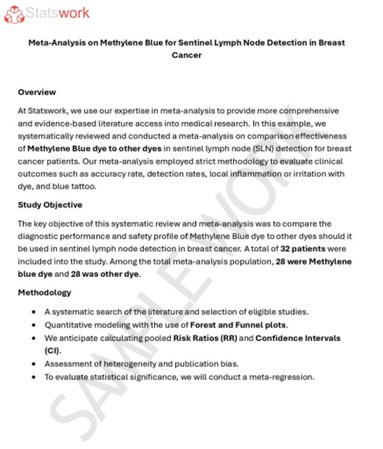
Meta-Analysis Research Services
- Data Collection Services
- Sample Work
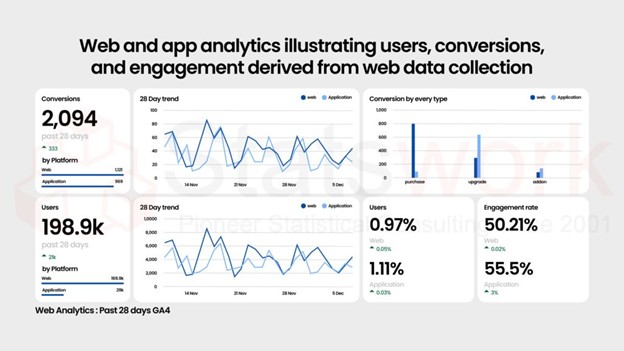
Data Collection Services
- Statistical & Biostatistics services
- Sample Work
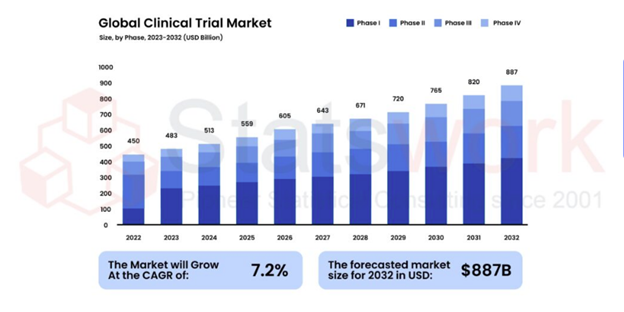
Statistical Programming & Biostatistics services
- Data Management Services
- Sample Work
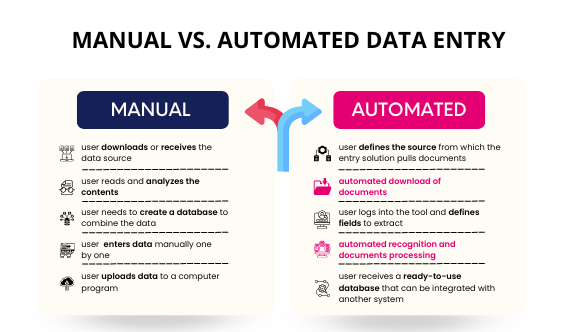
Data Management Services
- Research methodology services
- Sample Work
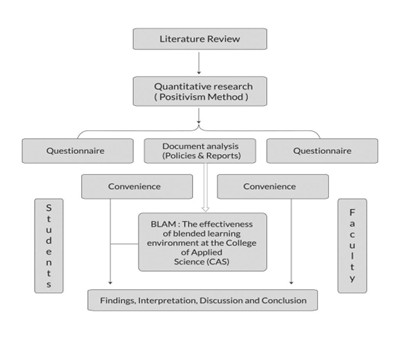
Research methodology services
- Tool Development Services
- Sample Work
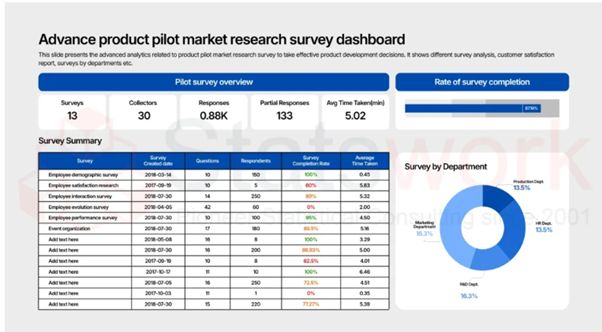
Tool development services
- Statistical Interpretation services
-
Statistical Interpretation services
- Sample Work
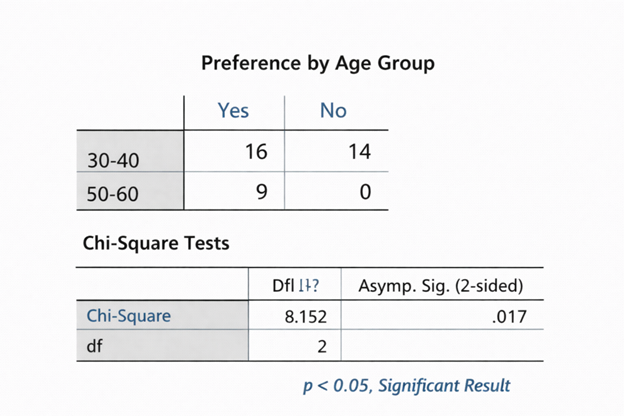
Statistical Interpretation services
-
- Sample Size Calculation Services
-
Sample Size Calculation Services
- Sample Work
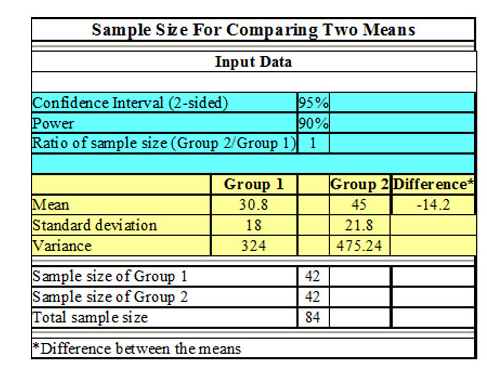
Sample Size Calculation Services
-
- AI & ML Services
-
Artificial Intelligence and Machine Learning Services
- Sample Work
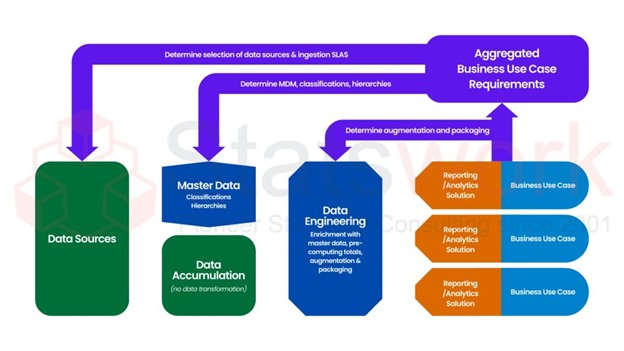
Artificial Intelligence and Machine Learning Services
-
- Meaningful Visualization Services
- Thought Leadership Services
- Report Generation Services
-
Report generation Service
- Sample Work
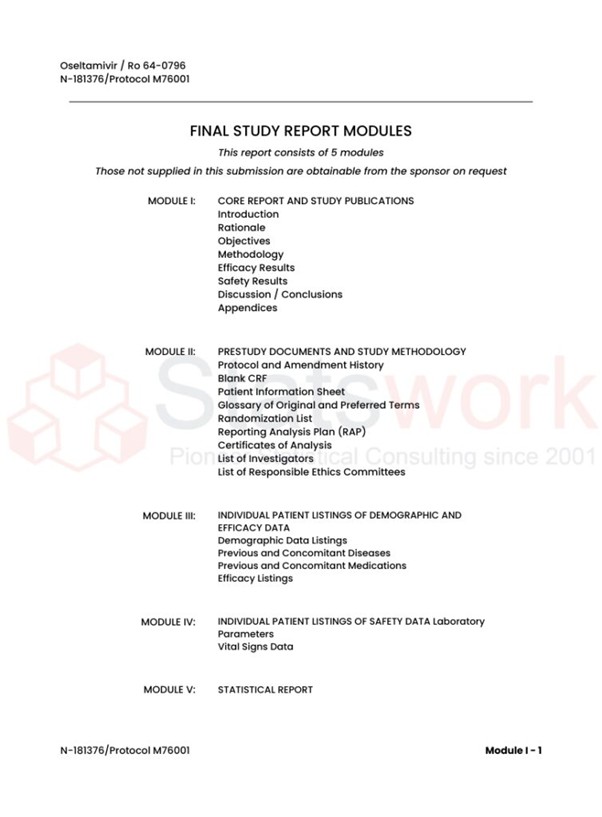
Report generation Services
-
- Data Analysis services
- Industries
- About Us
- Blog
- Insights
- Contact Us
- Services
- Data Analysis services
- Sample Work
Data Analysis services
- Secondary Qualitative Research Services
- Secondary Quantitative Research Services
- Meta-Analysis Research services
- Sample Work
Meta-Analysis Research Services
- Data Collection Services
- Sample Work
Data Collection Services
- Statistical & Biostatistics services
- Sample Work
Statistical Programming & Biostatistics services
- Data Management Services
- Sample Work
Data Management Services
- Research methodology services
- Sample Work
Research methodology services
- Tool Development Services
- Sample Work
Tool development services
- Statistical Interpretation services
-
Statistical Interpretation services
- Sample Work
Statistical Interpretation services
-
- Sample Size Calculation Services
-
Sample Size Calculation Services
- Sample Work
Sample Size Calculation Services
-
- AI & ML Services
-
Artificial Intelligence and Machine Learning Services
- Sample Work
Artificial Intelligence and Machine Learning Services
-
- Meaningful Visualization Services
- Thought Leadership Services
- Report Generation Services
-
Report generation Service
- Sample Work
Report generation Services
-
- Data Analysis services
- Industries
- About Us
- Blog
- Insights
- Contact Us
The Role of Snowball Sampling in Improving Research Data Quality
- Home
- Insights
- Article
- The Role of Snowball Sampling in Improving Research Data Quality
Qualitative Research Service
News & Trends
Recommended Reads
Contact us
Summary:
Researchers use snowball sampling to track down participants by asking friends for recommendations. This builds trust and makes the collected data more reliable. They then ask those recommended people to suggest even more folks, who tend to be trustworthy too. The process continues, making the data really dependable. It’s also easier to talk about sensitive issues since the participants already trust each other.
The quality of research relies heavily on the data gathered. No matter how advanced the stats methods get, if the data’s no good, the results will be flawed too. One big issue is finding and enrolling proper subjects, particularly for unique or specialised groups. For these cases, snowball sampling helps tons. It improves data quality by effectively reaching these hard-to-find folks [1].
Research quality hinges on having good data. No matter how sophisticated the stats, if the data’s flawed, it can point us in the wrong ways and mess up decision-making. A major challenge for researchers? Finding and getting the right folks to take part, particularly when looking at specific or less accessible groups. For these cases, snowball sampling helps out big time; it gets better info for studies.
Understanding Snowball Sampling
Snowball sampling starts by finding a few people in your target group, sort of like picking seeds. These people then suggest others for the study. The sample grows bigger, kind of like a snowball rolling downhill. It gathers more people as it moves.
This method works great for reaching hard-to-find groups – folks with rare conditions, unusual jobs, or members of secretive social groups. Plus, it helps track down migrants, small biz owners, and fresh products in the market. So, topics that would usually take ages to research become much easier [2].
But the biggest perk? It lets researchers get really specific, unique insights. While getting a larger sample is helpful, the real deal here is connecting with people who have amazing, relevant info that adds depth to the analysis.
How Snowball Sampling Improves Research Data Quality
Access to Specialized and Hidden Populations
One major benefit of snowball sampling is its ability to reach specialized and hidden groups that are tough to access via random or convenience sampling. Lots of research projects target hard-to-reach communities – folks who aren’t in any public database or easy to track down.
With trusted peer referrals, researchers can link up with people meeting their study criteria. This helps get relevant participants for their project, which improves the quality of the data gathered [3].
Enhanced Participant Trust and Cooperation
Enhanced trust between the researcher and the subjects. Participants often feel more at ease when they enter a study through a personal connection rather than cold recruitment.
This higher comfort level means people are generally more open and willing to give honest details, cutting down on bias. Ultimately, this leads to richer, more reliable information, which then supports solid analysis.
Improved Relevance of Collected Data
How well the people chosen for a research study correspond with the requirements of that research is the determining factor in data quality and whether or not those participants will produce answers to your research questions.
Researchers also use the technique of snowball sampling to more easily identify individuals that can serve as suitable participants for their study, as previous participants can then invite potential candidates from their social networks to participate in the study [4].
By using this technique, researchers are able to collect highly relevant and valuable data that fits the overall goals of the research project.
Increased Response Rates
Many studies have difficulty recruiting enough people to participate due to low response rates resulting from traditional recruitment methods (e.g., e-mail or advertising), while snowball sampling also addresses this issue by leveraging the relationships between people within their social networks and helps to create a greater sense of trust between prospective participants.
With greater participation rates in research studies, researchers have access to larger and more comprehensive datasets, allowing them to produce more accurate statistics and ultimately better results for their research project.
Better Understanding of Community Networks
Snowball sampling helps researchers understand social connections and community setups. As references spread through these networks, we learn more about how people interact and share.
This extra context makes data analysis richer and more thorough. In qualitative and mixed-methods research, knowing participant networks usually adds a lot of value to the results.
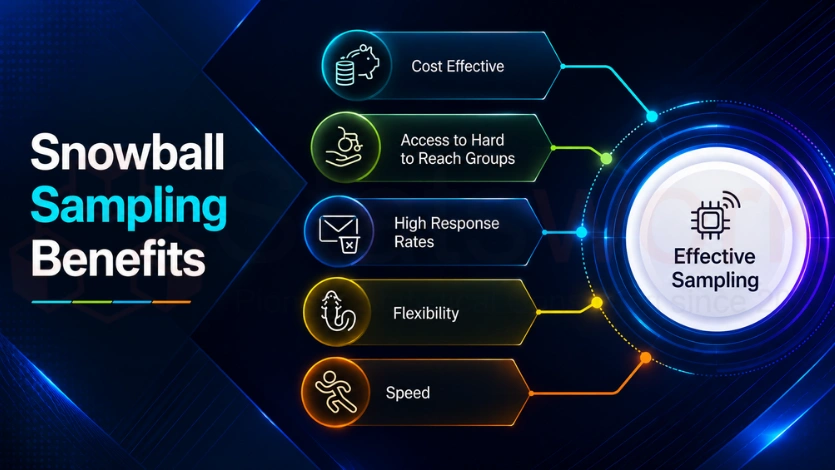
Applications of Snowball Sampling Across Research Fields
Healthcare Research
Healthcare researchers often use snowball sampling for rare diseases or specific health conditions. This method helps when finding participants is super tough through normal means.
With snowball sampling, researchers can reach those folks and collect vital health info.This leads to better analysis and solid, evidence-based results.
Social Science Research
In sociology, psychology, and anthropology, researchers often investigate sensitive topics involving marginalised or hidden populations. Snowball sampling helps establish trust and facilitates participant recruitment in these complex research environments [2].
The resulting data can provide valuable insights into behaviours, attitudes, social dynamics, and community experiences.
Business and Market Research
Organisations doing market research usually look for input from specific customer groups or industry pros. Snowball sampling helps find those with the right expertise.
This lets companies gather info from knowledgeable folks, leading to accurate market insights and smarter strategic choices.
Academic Research
Graduate students, doctoral researchers, and academic institutions often use snowball sampling to boost data collection. This approach is super helpful for small, spread-out, or hard-to-reach groups of people.
It leads to better recruiting and ends up giving us richer data sets and more dependable results.
Challenges and Considerations
Snowball sampling has some great benefits, but it also comes with drawbacks that researchers need to watch out for. Because people are responsible for finding others to join the study through their personal networks, the group participating can end up quite similar. They often have a lot in common since friends tend to be alike.
To deal with this, starting with a variety of initial subjects helps. Also, keeping an eye on how people are recruited is key. Mixing snowball sampling with different recruiting methods can make the results more dependable and diverse too.
Being open about how you gather your participants and tracking it thoroughly makes your work more trustworthy and repeatable.
Best Practices for Effective Snowball Sampling
To maximize data quality, researchers should:
- Clearly define participant eligibility criteria.
- Select diverse initial participants.
- Establish ethical recruitment procedures.
- Maintain participant confidentiality.
- Track referral pathways carefully.
- Monitor sample diversity throughout the study.
- Use appropriate statistical techniques to account for sampling limitations.
Following these best practices helps ensure that snowball sampling contributes positively to data collection and research quality.
Conclusion
Snowball sampling is a great way for researchers to reach special groups and gather relevant info. This technique uses trust networks to boost responses, keep people engaged, and get useful insights. If you want top-notch data and solid stats, Statswork Data Analysis Service can help. They optimise your sampling, boost data quality, and make sure your research really stands out for both academic and professional success [4].
Reference
- Ting, H., Memon, M. A., Thurasamy, R., & Cheah, J. H. (2025). Snowball sampling: A review and guidelines for survey research. Asian Journal of Business Research, 15(1).https://www.researchgate.net/profile/Mumtaz-Memon/publication/389738207_Snowball_Sampling_A_Review_and_Guidelines_for_Survey_Research/links/67df91f83ad6d174c4b82044/Snowball-Sampling-A-Review-and-Guidelines-for-Survey-Research.pdf?
- Zickar, M. J., & Keith, M. G. (2023). Innovations in sampling: Improving the appropriateness and quality of samples in organizational research. Annual Review of Organizational Psychology and Organizational Behavior, 10(1), 315-337.https://www.annualreviews.org/content/journals/10.1146/annurev-orgpsych-120920-052946
- Bhandari, K., Kumar, K., & Sangal, A. L. (2023). Data quality issues in software fault prediction: a systematic literature review. Artificial Intelligence Review, 56(8), 7839-7908.https://link.springer.com/article/10.1007/s10462-022-10371-6
- Daikeler, J., Fröhling, L., Sen, I., Birkenmaier, L., Gummer, T., Schwalbach, J., … & Lechner, C. (2025). Assessing data quality in the age of digital social research: A systematic review. Social Science Computer Review, 43(5), 943-979.https://journals.sagepub.com/doi/abs/10.1177/08944393241245395