
- Services
- Data Analysis services
- Sample Work
Data Analysis services
- Secondary Qualitative Research Services
- Secondary Quantitative Research Services
- Meta-Analysis Research services
- Sample Work
Meta-Analysis Research Services
- Data Collection Services
- Sample Work
Data Collection Services
- Statistical & Biostatistics services
- Sample Work
Statistical Programming & Biostatistics services
- Data Management Services
- Sample Work
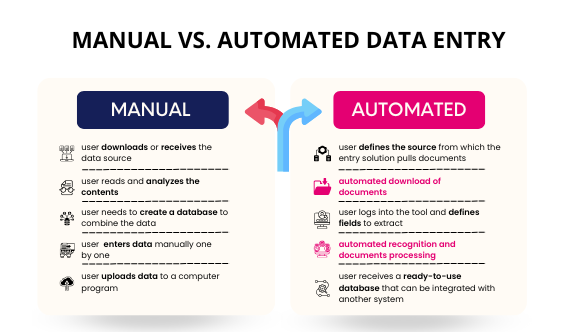
Data Management Services
- Research methodology services
- Sample Work
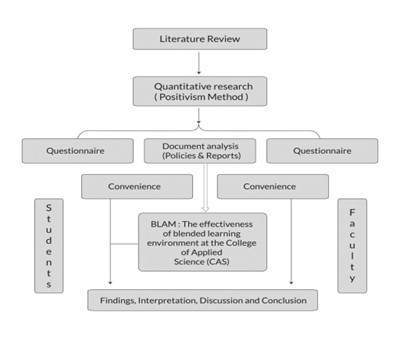
Research methodology services
- Tool Development Services
- Sample Work
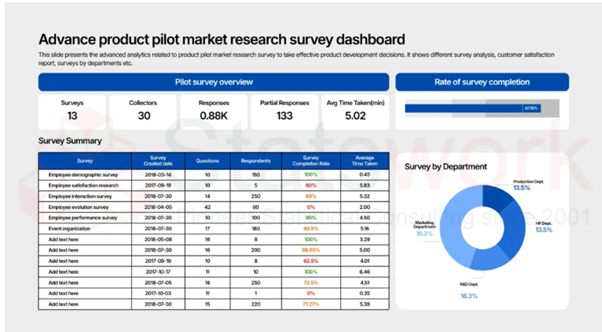
Tool development services
- Statistical Interpretation services
-
Statistical Interpretation services
- Sample Work
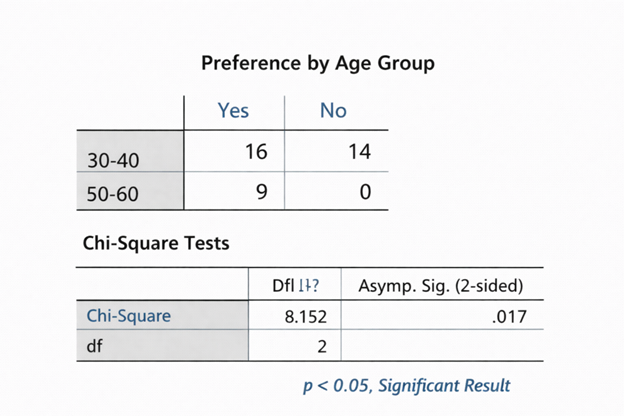
Statistical Interpretation services
-
- Sample Size Calculation Services
-
Sample Size Calculation Services
- Sample Work
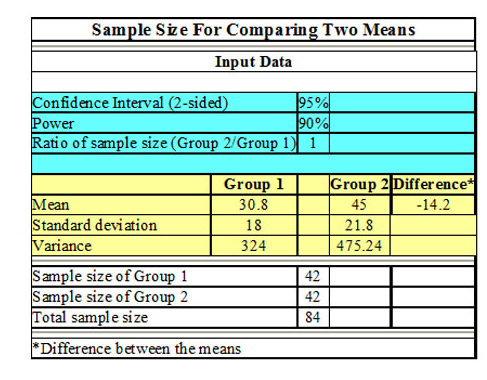
Sample Size Calculation Services
-
- AI & ML Services
-
Artificial Intelligence and Machine Learning Services
- Sample Work
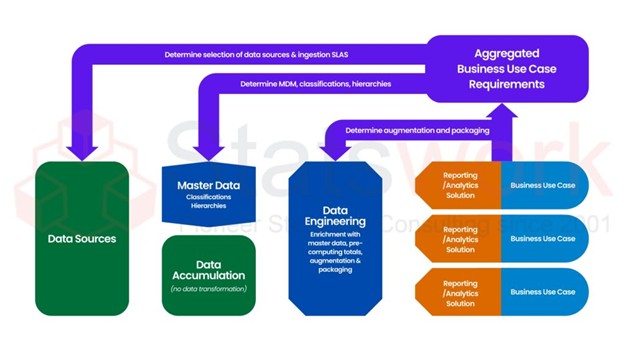
Artificial Intelligence and Machine Learning Services
-
- Meaningful Visualization Services
- Thought Leadership Services
- Report Generation Services
-
Report generation Service
- Sample Work
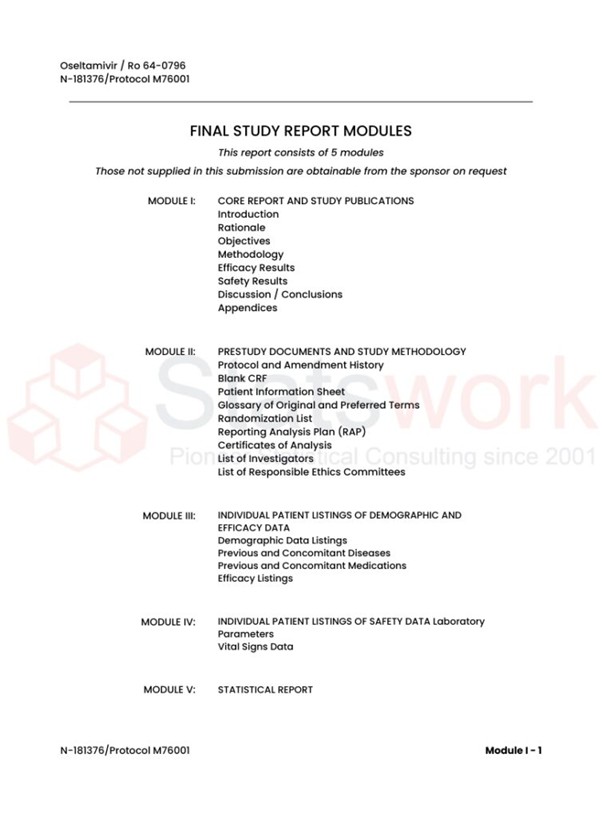
Report generation Services
-
- Data Analysis services
- Industries
- About Us
- Blog
- Insights
- Contact Us
- Services
- Data Analysis services
- Sample Work
Data Analysis services
- Secondary Qualitative Research Services
- Secondary Quantitative Research Services
- Meta-Analysis Research services
- Sample Work
Meta-Analysis Research Services
- Data Collection Services
- Sample Work
Data Collection Services
- Statistical & Biostatistics services
- Sample Work
Statistical Programming & Biostatistics services
- Data Management Services
- Sample Work
Data Management Services
- Research methodology services
- Sample Work
Research methodology services
- Tool Development Services
- Sample Work
Tool development services
- Statistical Interpretation services
-
Statistical Interpretation services
- Sample Work
Statistical Interpretation services
-
- Sample Size Calculation Services
-
Sample Size Calculation Services
- Sample Work
Sample Size Calculation Services
-
- AI & ML Services
-
Artificial Intelligence and Machine Learning Services
- Sample Work
Artificial Intelligence and Machine Learning Services
-
- Meaningful Visualization Services
- Thought Leadership Services
- Report Generation Services
-
Report generation Service
- Sample Work
Report generation Services
-
- Data Analysis services
- Industries
- About Us
- Blog
- Insights
- Contact Us
How to Verify Accuracy of Secondary Data for Research
Meta Analysis Service
- What Is Secondary Data, and Why Does Verification Matter?
- Primary vs Secondary Data for Market Research
- Key Methods to Verify Secondary Data Accuracy
- Evaluating a Market Research Report: A Quick Checklist
- Special Focus: Healthcare and High-Stakes Research
- Common Challenges When Validating Secondary Data
- Best Practices for Ensuring Secondary Data Reliability
- Data Verification and Validation
- Conclusion
Recommended Reads
Contact us
Brief Description:
Secondary data is very important for research and business decisions, but there is a need to authenticate the reliability of the data to arrive at valid conclusions. This blog post explains the process involved in assessing the credibility of the sources of the data, validating the datasets, cross verifying the data, and applying statistics to enhance the quality of the data. It also describes best practices and difficulties associated with validating secondary data.
The secondary data has been identified as the cornerstone of today’s research and business decision-making. No matter whether it is market analysis, competitive research, scientific research, or health care analysis, the common point here is that the researchers and analysts will never use any other data but secondary data. However, there is only one drawback to such convenient access; in case the initial data is inaccurate, all further analysis is invalid [1].
The capability of evaluating the accuracy of the secondary data has been identified as a must-have skill set for today’s researcher. The following guide will provide you with the knowledge necessary for assessing the accuracy of the secondary data.
What Is Secondary Data, and Why Does Verification Matter?
Secondary data is characterized as data that has been collected by another person or institution for an entirely different purpose at first and used later for another goal. Some common sources of secondary data are as follows:
- Data from government census and statistical agencies
- Data from peer-reviewed academic journals and literature
- Data from industry and trade associations
- Data from commercial research companies like Statista, IBISWorld, and Nielsen
- Data from company annual reports and filings
- Open data sets and health care databases [2]
There are obvious benefits in using secondary data – it costs less, it saves time and allows comparison to historical trends that cannot be done with primary research. However, as opposed to the primary data, you do not have any control over how it was collected. This is the exact reason why evaluating secondary data sources is so important:
- It helps maintain the validity and reliability of your analysis
- It helps in making evidence-based business decisions
- It helps to avoid distorted results in a market sizing or competitive intelligence process
- It helps to protect the validity of academic, clinical or business research
Put simply: data-driven decision making is only as strong as the data behind it.
Primary vs Secondary Data for Market Research
Even before verification takes place, it may be useful to look at how secondary data figures in the research toolbox. In terms of primary versus secondary data for market research, primary data is gathered firsthand using surveys, interviews, and experiments centered on the question being asked, whereas secondary data is recycled data. Research on business decisions through secondary sources is usually quicker and cheaper, and thus it is perfect for preliminary market sizing, benchmarking of industries, and competitive intelligence so long as the source passes the tests that follow [3].
Key Methods to Verify Secondary Data Accuracy
1. Evaluate Source Credibility
The first and foremost step to verify the accuracy of secondary data is to evaluate the source credibility.
Not all sources are the same, so you need to consider:
- The credibility of the publisher: is it an official data source, an academic source, or an authority in the field?
- The origin of the data: do you know where the figures came from?
- The transparency of the source about its method
- The fact that the data is taken from an authoritative source and not from some anonymous or unbiased data source without any backing information
Data from third party sources such as Statista and IBISWorld is credible but it may be useful to see whether their figures are based on primary data or government census data or other secondary sources.
2. Cross-Verification and Data Triangulation
No matter how reliable a single database is, it should be used sparingly. Comparing the numbers found in different databases is one of the best ways to ensure secondary data accuracy.
- Compare figures from no less than two or three different independent databases
- Detect inconsistencies and explain why they occurred (they may differ in period, methodology, definition etc.)
- Apply triangulation technique before including the figure in a market-sizing or competitive intelligence report [4]
3. Examine Research Methodology
Knowing how the data was collected gives you a lot of information on how you can validate your secondary datasets. Consider:
- Sample size and its statistical adequacy based on the claims made
- Response rate especially if the data was collected using surveys
- Probability sampling or non-probability sampling used in the study
- Methods of data collection such as online panels, field surveys or administrative data
- Limitations and biases associated with the research design that were stated [3]
4. Check Data Currency and Relevance
However, even an analytically sound dataset may be misleading when it is not anymore fresh enough. In evaluating data freshness:
- Look for dates of publication or last updates
- Beware of old data re-used in fresh publications without proper notification
- Make sure that the dataset is a representation of up-to-date market information, particularly in dynamic industries such as IT or healthcare
- Evaluate the connection between the dataset and the goals of the research: an absolutely accurate but irrelevant dataset will not help much
- Compare trends in the past to detect inconsistencies
5. Apply Data Cleaning and Validation Procedures
Prior to any statistical analysis, the following are essential steps that should be taken regarding the secondary datasets:
- Delete duplicated cases
- Address missing data cases properly without simply ignoring them
- Analyze the outliers
- Make sure there is standardization between the variables in the combined dataset [3]
This step is vital in any data validation list and is the basis of data quality assurance.
6. Use Statistical Validation Techniques
Statistics serve to validate your findings in a quantitative sense:
- Conducting descriptive statistics to test plausibility
- Detecting any outliers
- Trying out the correlation between the variables
- Comparing summary statistics with benchmarks or industrial research
7. Run Consistency and Logic Checks
The simple logic test identifies mistakes which statistics might fail to recognize:
- It recognizes impossible numbers (negative age or percentage greater than 100)
- Internal consistency of related variables is checked
- The relation between data points is logical
8. Review Metadata and Documentation
Metadata offers contextual information which cannot be gleaned from figures alone. A good review would be considered:
- Definitions and units of variables
- Assumptions and limitations
- History of revisions, if any, after its original publication.
Complete review of documents will help in verifying facts and prevent misinterpretations down the line [4].
Evaluating a Market Research Report: A Quick Checklist
If you are interested specifically in assessing the value of a market research report (regardless of whether it concerns market size, competitor analysis, or industry benchmarking), make sure that you have checked the following points on your list:
- Is the publishing organization a reputable authority in the field?
- Does the report mention the method of data gathering and sample size?
- Is there an independent verification of the numbers presented in the report?
- Is the information up-to-date and applicable to the current situation in the market?
- Are all definitions (market segmentation, geography, currency) specified?
Special Focus: Healthcare and High-Stakes Research
The consequences of inaccurate secondary data in healthcare research are particularly grave, as incorrect data could directly influence patient health and treatment decisions. The list of additional steps to take includes:
- Data cross-checking with medical databases and publications
- Evaluation whether the data corresponds to accepted medical and regulatory standards [2]
- Verification that ethical and data governance guidelines are followed
- Examining the methodology of data collection in the source healthcare organization
Common Challenges When Validating Secondary Data
Even seasoned researchers encounter consistent issues:
- Partially disclosed and incomplete sets of data
- Limited information about the original sources of data
- Different formatting while merging several sets of data
- Biased nature of the original data collection process which is not disclosed
To overcome all those challenges, the same approach should be applied.
Best Practices for Ensuring Secondary Data Reliability
- Begin with reliable and thoroughly researched sources of data
- Perform multiple methods of verification instead of doing only one method of verification [3]
- Be sure that each stage of your process of verification is thoroughly documented
- Apply statistical instruments for verification purposes
- Update your data sets from time to time instead of using just one set at once
Data Verification and Validation
- Excel/Google Sheets – easy cleaning and initial verification
- R/Python – advanced statistics, data cleaning, automation
- SPSS/SAS – professional structured data sets verification
- Open Refine – data cleaning and data standardization

Conclusion
Establishing the validity of the secondary data is not a one-time task; it is a process that involves source validation, cross-verification, data triangulation, methodology review, data cleansing, and statistical validation [4]. No matter whether you assess a commercial market research report, government census data, or industry benchmarking data, such a process will distinguish evidence-based business decisions from mere speculation.
In case you prefer the process to be carried out by professionals, Statswork’s Secondary Quantitative Research Services involve comprehensive secondary data validation — from source validation and data cleansing to statistical validation. Contact Statswork for reliable and research-quality secondary data.
Frequently asked question:
Secondary data can be verified by evaluating the credibility of the source, cross-checking information with multiple reliable sources, reviewing the research methodology, assessing data relevance and timeliness, and applying data validation techniques.
Data accuracy is verified by comparing information with trusted sources, checking for inconsistencies, validating calculations, removing errors or duplicates, and ensuring the data aligns with the research objectives.
The reliability of secondary data can be assessed by examining the reputation of the source, reviewing the data collection methods, checking publication dates, and confirming the findings through independent sources.
A secondary source is considered reliable if it is published by a reputable organization, provides transparent methodology, cites credible references, contains up-to-date information, and has been reviewed or validated by experts.
Secondary data is evaluated by assessing its credibility, accuracy, relevance, completeness, consistency, methodology, and suitability for the intended research or business objective.
Data can be validated and verified by cleaning the dataset, checking for missing or duplicate values, performing consistency and logic checks, comparing it with trusted sources, and using statistical methods to confirm its accuracy and reliability.
Reference:
- Hechavarria, D. M., Carsrud, A., & Pandey, P. (2025). Leveraging large-scale secondary data in entrepreneurship research. In Handbook of Research Methods and Applications in Entrepreneurship and Small Business, Second Edition(pp. 42-68). Edward Elgar Publishing. https://www.elgaronline.com/edcollchap/book/9781035345946/chapter4.xml
- Beecroft, A., Esmail, A., Vaikla, O., Duchaine, T., Engel, N., Liang, C., … & Pai, N. P. (2025). Exploring the diagnostic accuracy of an HIV self-test optimized by a digital app-based solution: Results from a secondary data analysis of a field trial in South Africa. PLOS Digital Health, 4(4), e0000791. https://journals.plos.org/digitalhealth/article?id=10.1371/journal.pdig.0000791
- Davenport, C. F., Rutjes, A. W., Mallett, S., Tomlinson, E., Yang, B., Holmes, J., … & Whiting, P. F. (2026). QUADAS-3 explanation and elaboration: guidance for quality assessment of diagnostic test accuracy studies. Annals of internal medicine, 179(4), e2504943.https://www.acpjournals.org/doi/full/10.7326/ANNALS-25-04943
- Chabrawi, A. M. R. O., de Andrade, J. M., Ugaya, C. M. L., & Traverso, M. (2025). Towards reliable primary data collection and harmonized set of indicators in S-LCA on the stakeholder worker. The International Journal of Life Cycle Assessment, 30(6), 1036-1054. https://link.springer.com/article/10.1007/s11367-024-02400-z