
What are Analytical Insights?
- Home
- Insights
- Article
- What are Analytical Insights?
Qualitative Research Service
News & Trends
Recommended Reads
Data Collection
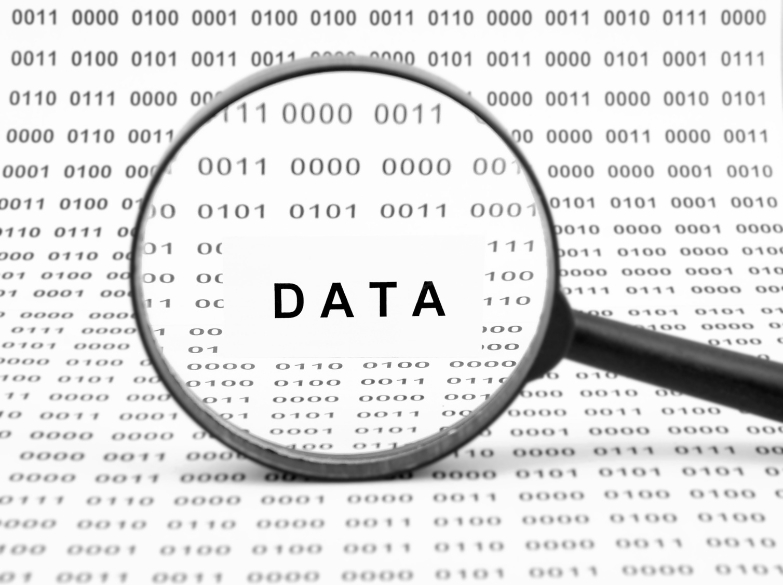
As the data collection methods have extreme influence over the validity of the research outcomes, it is considered as the crucial aspect of the studies
- 1. Introduction
- 2. DeepHealth’s Diagnostic Suite™: Revolutionizing Radiology Workflows
- 3. Key Features
- 4. AI Impact on National Screening Programs
- 5. SmartMammo™: Enhancing Breast Cancer Screening
- 6. DeepHealth AI Use Cases Across Specialties
- 7. Strategic Collaborations and Ecosystem Expansion
- 8. Impact and Adoption of DeepHealth’s AI Solutions
- 9. Conclusion: The Future of Radiology with AI
- 10. References
Understanding data and the value of data will continue to grow as we create more of it. Transforming raw data into meaningful and valuable information through analytical insights allows you to make confident, informed decisions. Analytical insights deliver the link between analysing the data collected and acting in the real world; therefore, the information becomes more valuable and usable.[1]
Core Meaning and Purpose
Analytical insights concentrate on using data to analyse trends, patterns, and relationships to explain outcomes and guide future actions.
- Interpretation over observation: Insights do not tell us what happened. They provide an explanation of why it happened, and what it means.
- Contextual understanding: Data is analysed with a reference to the business or research context in which the data was collected; this helps achieve relevant and actionable insights.
- Decision support: This supports in analytical insights for business decision making by reducing uncertainty and guesswork.[2]
How Insights Are Developed from Data
The procedure of turning data into analytical insights is done in a structured manner that helps in reliability and clarity.
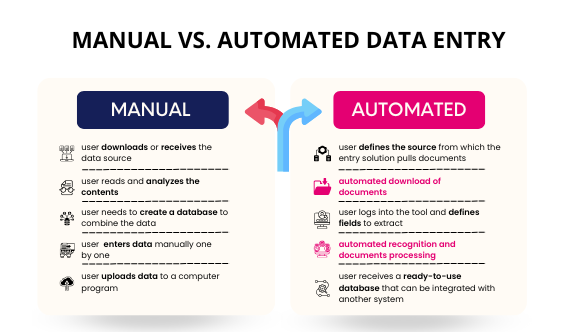
- Data collection: Data is collected from reliable internal and external sources.
- Data processing: Errors, duplicates, and inconsistencies are eliminated for accuracy.
- Analysis and evaluation: Statistical and analytical methods help in identifying trends and correlations, thus generating data analytics insights.
- Insight interpretation: Results are presented in data-driven insights that can be interpreted by the decision-makers.[3]
Types of Insights and Their Practical Role
This table gives an overview of frequently used types of insights and their impact on analytics-driven decision making.
Insight Type | Explanation | Business Relevance |
Descriptive | Summarizes previously recorded information to review past activity. | Monitors performance through constant observation. |
Diagnostic | Analyses reasoning behind results. | Detects issues or deficiencies. |
Predictive | Uses trends to infer probable future results. | Uses trend data to assist with budgeting and forecast activities. |
Prescriptive | Provides insights from analysis that will facilitate decision making. | Supplies actionable data-derived insight to make business decisions.[4] |
Value of Insights in Real-World Applications
Insights generated through analysis add value to various sectors by allowing organizations to make informed, confident, and strategic decisions.
- Improved decision quality: Evidence-based analysis helps eliminate guesswork and builds confidence in results.
- Operational efficiency: Insights help identify gaps in processes and areas where resources are wasted.
- Strategic alignment: Insights based on data ensure that business goals are in sync with actual performance.[5]
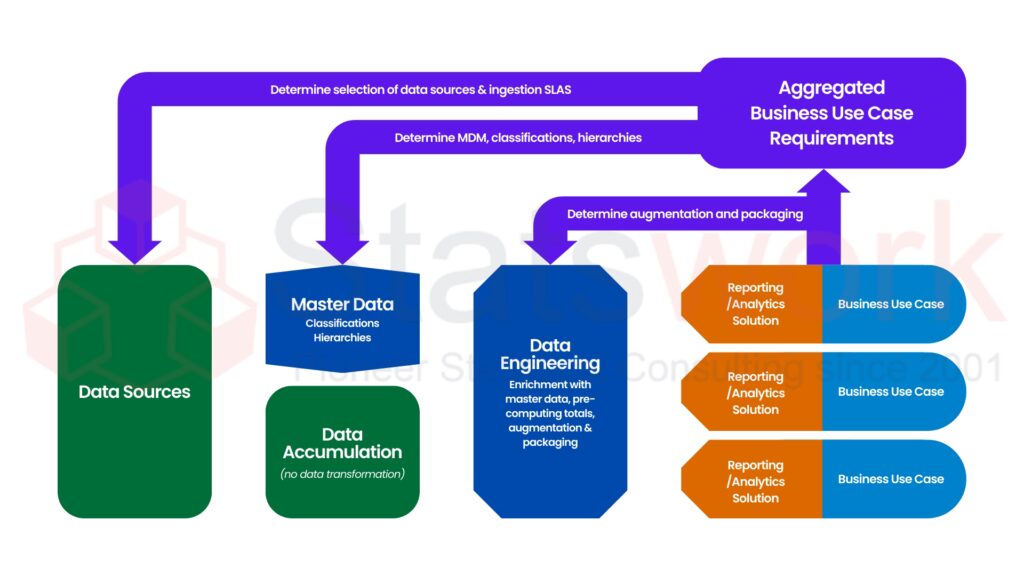
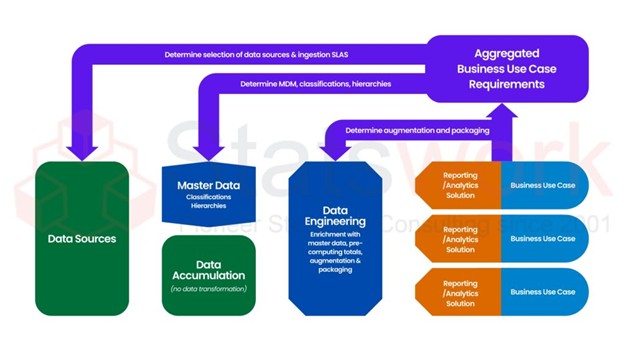
Fig 1 shows how data is transformed into actionable analytical insights for business use cases.
Turning Analytical Insights into Measurable Impact
The value of analytical insights is realized when organizations can translate the findings into practical actions that result in outcomes.
- Action-oriented mindset: Teams focus on execution by translating the findings of analysis into actions that are achievable.
- Continuous learning: Insights change with new data, allowing organizations to adapt and change strategies.
- Performance tracking: Results are monitored to ensure that actions taken are effective.[5]
Thus, The Analytical insights enable organizations to go beyond data collection by converting information into meaningful understanding, thus making it possible to make confident decisions and achieve success using actionable data insights.
Lead with clarity—use analytical insight through StatsWork’s Thoughtful Leadership to turn data into confident decisions.
Reference
- Alhadad, S. S. (2018). Visualizing data to support judgement, inference, and decision making in learning analytics: Insights from cognitive psychology and visualization science. Journal of Learning Analytics, 5(2), 60-85. https://learning-analytics.info/index.php/JLA/article/view/5815
- Richfield, J. (1954). An analysis of the concept of insight. The Psychoanalytic Quarterly, 23(3), 390-408. https://www.tandfonline.com/doi/pdf/10.1080/21674086.1954.11925954
- Whitney, H. (2012). Data insights: new ways to visualize and make sense of data. Newnes. https://books.google.com/books?hl=en&lr=&id=Fx61yiod_uwC&oi=fnd&pg=PP2&dq=How+Insights+Are+Developed
- Persson, M. (2024). Explore the Role of Insights and Insight-Driven Communication Within Strategy Processes: A Study of Swedish Communication Agencies. https://lup.lub.lu.se/student-papers/search/publication/9173537
- Liu, F., & Panagiotakos, D. (2022). Real-world data: a brief review of the methods, applications, challenges and opportunities. BMC Medical Research Methodology, 22(1), 287. https://link.springer.com/article/10.1186/s12874-022-01768-6