
What is Qualitative Data Management?
- Home
- Insights
- Article
- What is Qualitative Data Management?
Qualitative Research Service
News & Trends
Recommended Reads
Data Collection
As the data collection methods have extreme influence over the validity of the research outcomes, it is considered as the crucial aspect of the studies
- 1. Introduction
- 2. DeepHealth’s Diagnostic Suite™: Revolutionizing Radiology Workflows
- 3. Key Features
- 4. AI Impact on National Screening Programs
- 5. SmartMammo™: Enhancing Breast Cancer Screening
- 6. DeepHealth AI Use Cases Across Specialties
- 7. Strategic Collaborations and Ecosystem Expansion
- 8. Impact and Adoption of DeepHealth’s AI Solutions
- 9. Conclusion: The Future of Radiology with AI
- 10. References
Qualitative research helps in gaining in-depth information about experiences, perceptions, and social contexts. To retain the importance of the information, it is necessary to use effective Data Management techniques throughout the research process. Proper management of Qualitative Data helps in enhancing Data Quality.[1]
How to Organize Qualitative Research Data
Qualitative data organization is the key to trustworthy research results. A structured way of working helps to ensure accuracy in managing qualitative research data.
- Organizing files and naming them: Organized file names assist in easily accessing interview, transcript, and note files.
- Documenting metadata: Documenting dates, sites, and participant IDs helps in better analysis and traceability.
- Transcription accuracy: Accurate transcription of data helps to ensure that the original meaning is not misinterpreted.
- Anonymization procedures: Anonymization procedures ensure the confidentiality of data and the ethics of research.
- Version management: Version management helps to avoid duplication and ensures data integrity in qualitative research.[2]
Process Involved in Qualitative Data Management
A well-organized workflow helps to ensure a smooth flow of qualitative data from collection to analysis. The Qualitative data management process helps to ensure consistency and rigor in the process.
- Consistency in data collection: Standardized instruments help to ensure consistency in data collection.
- Data cleaning and verification: Transcripts and notes help to ensure accuracy in data cleaning and verification. Data Quality is enhanced.
- Preparation for analysis: Data preparation helps to ensure efficiency in analysis and synthesis.
- Documentation of decisions: Analytical decisions help to ensure transparency and reproducibility.
- Ongoing quality checks: Regular checks help to ensure accuracy throughout the research process.[3]
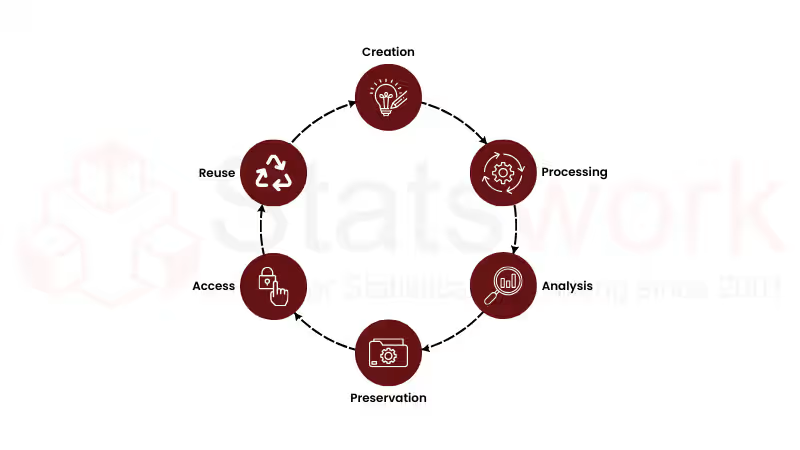
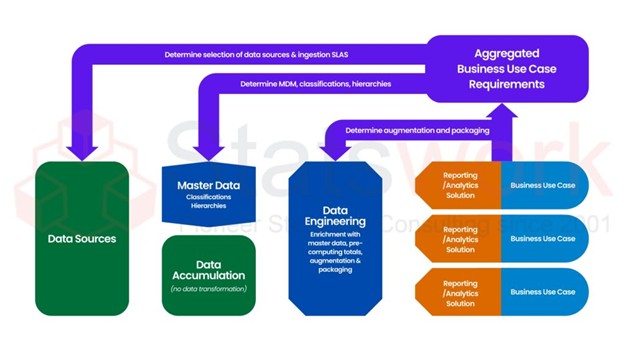
Fig 1 shows the qualitative data management lifecycle from data creation and processing to preservation, access, and reuse.
Ethical Storage and Governance of Qualitative Data
Securely handling research materials is critical for ethical compliance. Effective data storage for qualitative research can assist in protecting sensitive information and preserving research value over time.
- Secure storage systems: Encrypted servers and secured drives will help to prevent someone from accessing data without authorization.
- Controlled data access: Limiting permissions for using data is an important part of ethical and responsible data use.
- Retention and disposal policies: Clearly defined timelines can help to reduce the chances of exposing data unnecessarily.
- Backup and recovery planning: Regular data backups will help to protect data from technical failures.
- Governance oversight: Well-defined data governance policies will provide guidance for the ethical use of data and for controlled sharing of data.
A strong governance structure will promote the protection of research participants and the integrity of research.[4]
Structuring Qualitative Data Through Coding
Aspect | Description |
Purpose | Coding and categorizing data are ways of organizing unstructured qualitative materials |
Method | Coding can be created inductively, deductively or by using both methods combined |
Consistency | Using standard codes increases reliability |
Tools | Using software will help you manage large datasets |
Outcome | Patterns will be identified more easily allowing for greater depth of interpretation.[5] |
Conclusion
Good qualitative research requires disciplined practices in Data Management. Through careful organization of information, following a sound Qualitative Data management process, employing safe storage approaches, and coding, researchers can safeguard Qualitative Data effectively. Such approaches improve Data Quality, ensure privacy, and make way for authentic research results.
Power smarter decisions from qualitative insights with StatsWork’s Qualitative Data Management—reliable, organized, and analysis-ready.
Reference
- Lin, L. C. (2009). Data management and security in qualitative research. Dimensions of Critical Care Nursing, 28(3), 132-137. https://journals.lww.com/dccnjournal/fulltext/2009/05000/Data_Management_and_Security
- Briney, K. (2015). Data management for researchers: Organize, maintain and share your data for research success. Pelagic Publishing Ltd. https://books.google.com/books?hl=en&lr=&id=gw1iCgAAQBAJ&oi=fnd&pg=PT8&dq=Qualitative+Data+Management+-+Organizing+Qualitative+Research+Data&ots=oMUcn-S9Os&sig=si2Qy51mDXZ0sFFii94m0-9QS6o
- Bingham, A. J. (2023). From data management to actionable findings: A five-phase process of qualitative data analysis. International journal of qualitative methods, 22, 16094069231183620. https://journals.sagepub.com/doi/abs/10.1177/16094069231183620
- Prado, R., Prado, E. P., Grotta, A., & Barata, A. M. (2021). Benefits of the Enterprise Data Governance in Industry: A Qualitative Research. In ICEIS (2)(pp. 699-706). https://www.scitepress.org/PublishedPapers/2021/104186/104186.pdf
- Knafl, K. A., Webster, D. C., Benoliel, J. Q., & Morse, J. M. (1988). Managing and analyzing qualitative data: A description of tasks, techniques, and materials. Western journal of nursing research, 10(2), 195-218. https://journals.sagepub.com/doi/abs/10.1177/019394598801000207