
What is Medical Record Abstraction?
- Home
- Insights
- Article
- What is Medical Record Abstraction?
Qualitative Research Service
News & Trends
Recommended Reads

Data Collection
As the data collection methods have extreme influence over the validity of the research outcomes, it is considered as the crucial aspect of the studies
- 1. Introduction
- 2. DeepHealth’s Diagnostic Suite™: Revolutionizing Radiology Workflows
- 3. Key Features
- 4. AI Impact on National Screening Programs
- 5. SmartMammo™: Enhancing Breast Cancer Screening
- 6. DeepHealth AI Use Cases Across Specialties
- 7. Strategic Collaborations and Ecosystem Expansion
- 8. Impact and Adoption of DeepHealth’s AI Solutions
- 9. Conclusion: The Future of Radiology with AI
- 10. References
By utilizing a structured approach to make sense of extensive clinical documentation presents a challenge, making medical record abstraction necessary for extracting pre-defined patient data that supports healthcare research, quality improvement, and clinical/aided decision-making by providing a consistent, reliable, and analyzable dataset for use in decision-making processes.[1]
Essential Principles of Medical Record Abstraction
- Standardized frameworks: Abstraction adheres to established standards as well as standardized data dictionaries to provide consistent documentation for collecting data.
- Clinical expertise: Understanding how to interpret an accurate diagnosis, procedure performed, or result requires great expertise in medicine.
- Attention to detail: The thorough review of medical records can reduce errors and omissions.
- Data accuracy and consistency: Structured processes aid in assuring accurate and repeatable data sets.
- Privacy and compliance: All staff must comply with applicable laws, rules, and regulations regarding data protection and confidentiality.[1]
Sources of healthcare information
Combination of several different kinds of healthcare data from multiple sources will provide a complete and accurate healthcare abstraction.
- Digital records: Using Electronic Medical Records for abstraction has increased speed, consistency, and traceability.
- Paper and scanned files: Legacy Records provide important historical clinical data.
- Claims databases: Administrative data will help support healthcare data abstraction, particularly for longitudinal and retrospective studies.[2]
Types of data commonly extracted
This methodical way of collecting data from records allows for the use of clinical data abstraction in generating evidence while reducing variability across the records.
Data Category | Examples of Information Collected |
Patient details | Age, gender, dates of admission and discharge. |
Clinical history | Diagnoses and their comorbidities, as well as disease progression. |
Treatments | Any medications, procedures and therapy schedules. |
Diagnostics | Laboratory values, imaging (or X-ray) reports, Pathology (biopsy) reports. |
Outcomes | Recovery status and complications and follow-up data.[3] |
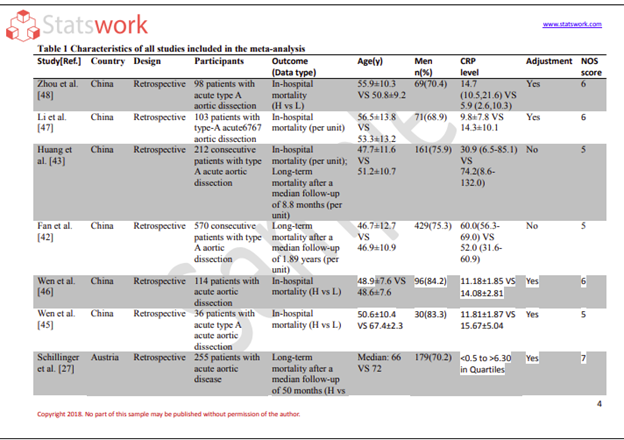
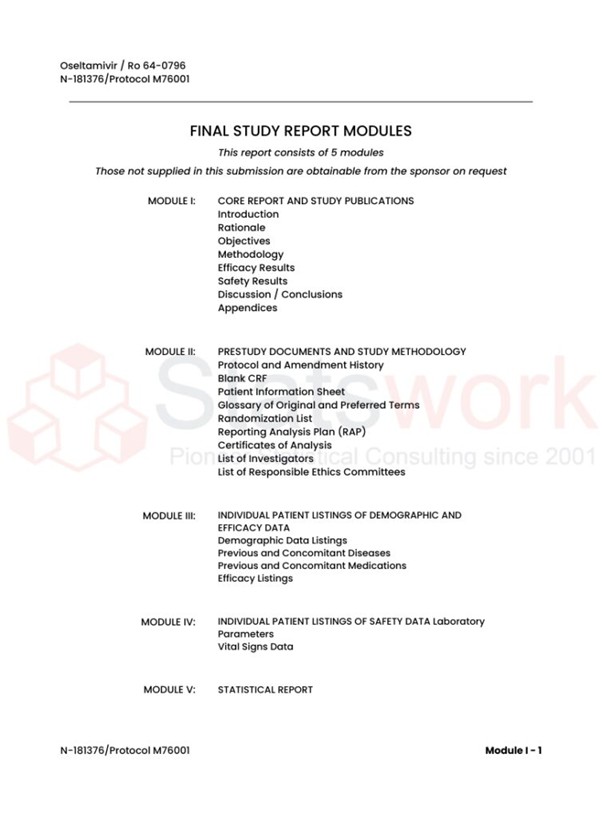
Fig 1 shows a form of structured medical record abstraction template used to systematically capture treatment and trial data for cancer screening studies.
Applications across healthcare
- Research and real-world evidence: Abstracted data validates observational studies, registries, and outcomes research.
- Quality improvement initiatives: Organizations measure compliance with standards of care and areas for improvement in practice.
- Regulatory and compliance needs: Accurate abstraction validates audits, safety reporting, and submissions.
- Analytics and population health: Aggregate data sets facilitate trend analysis and planning.
These uses demonstrate the increasing importance of medical record abstraction in a data-driven healthcare setting.[4]
Who performs abstraction and how quality is ensured
Many organizations now utilize Specialized Medical Record Abstraction Services to Scale but Remain Compliant and Maintain Integrity of Data.
- Trained Professionals (nurses, clinical researchers and Health Information Specialists).
- Use of Standardized Abstraction Guidelines with an accompanying Data Dictionary
- Multi-level Quality Checks to Maintain Consistency and Accuracy.
- Increasing Workflows with Technology Support Used Along with Human Review.[5]
Turn patient records into powerful insights with StatsWork’s precision-driven Medical Data Abstraction.
Reference
- Watzlaf, V. J., Sheridan, P. T., Alzu’bi, A. A., & Chau, L. (2021). Clinical data abstraction: a research study. Perspectives in health information management, 18(2), 1g. https://pmc.ncbi.nlm.nih.gov/articles/PMC8120675/
- Rosaci, D., Terracina, G., & Ursino, D. (2004). A framework for abstracting data sources having heterogeneous representation formats. Data & Knowledge Engineering, 48(1), 1-38. https://www.sciencedirect.com/science/article/pii/S0169023X03000922
- Stacey, M., & McGregor, C. (2007). Temporal abstraction in intelligent clinical data analysis: A survey. Artificial intelligence in medicine, 39(1), 1-24. https://www.sciencedirect.com/science/article/pii/S0933365706001345
- Maojo, V., Martin, F., Crespo, J., & Billhardt, H. (2002). Theory, abstraction and design in medical informatics. Methods of information in medicine, 41(01), 44-50. https://www.thieme-connect.com/products/all/doi/10.1055/s-0038-1634312
- Batet, M., Gibert, K., & Valls, A. (2007, July). The data abstraction layer as knowledge provider for a medical multi-agent system. In AIME Workshop on Knowledge Management for Health Care Procedures(pp. 87-100). Berlin, Heidelberg: Springer Berlin Heidelberg. https://link.springer.com/chapter/10.1007/978-3-540-78624-5_7