Contact Us

What are Data Analytics?

Meaningful Visualization

News & Trends

Recommended Reads

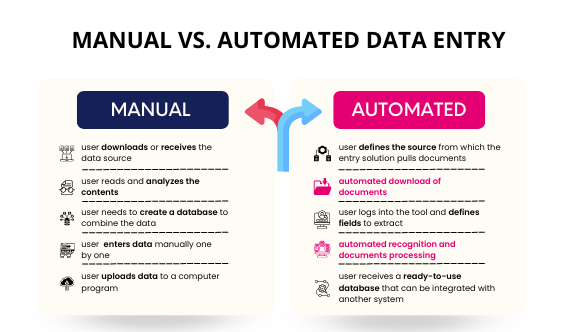
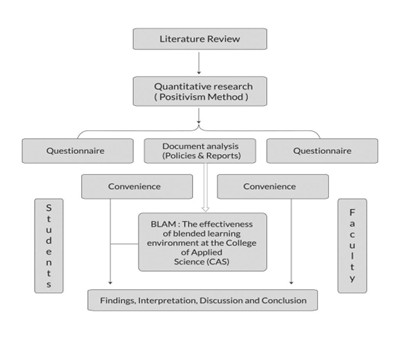
Data Collection

As the data collection methods have extreme influence over the validity of the research outcomes, it is considered as the crucial aspect of the studies

What are Data Analytics?

May 2025 | Source: News-Medical

How to Ensure Annotation Quality in Your AI Training Data

Data analytics combines statistical methods with computer science tools to assist industries in making better, more informed, and data-driven choices using raw data. Basic data analytics consists of collecting, cleaning, transforming, and analysing data through various software and ranges from simple reporting to the creation of complex predictive models.[1]

Core Dimensions of Data Analytics

  • Data interpretation: Through advanced analytics and the use of multiple sources of business data, derive complex data into simple insights across multiple departments.
  • Pattern intelligence: By applying large datasets and predicting patterns to identify business problems and opportunities.
  • Decision modelling: Develop confidence in making data-driven decisions utilizing tools, services, and consultants that provide data analytics solutions.
  • Performance tracking: Providing businesses with a way to monitor KPI’s in real-time and using analytics to maximize business growth
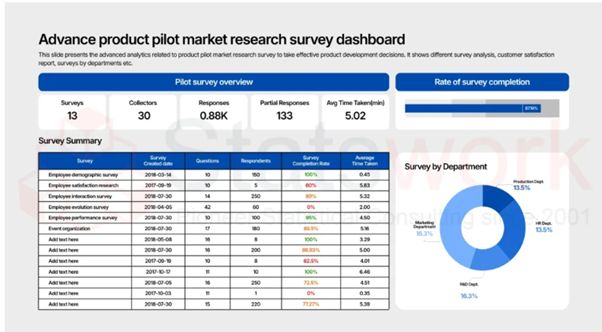
  • Insight communication: Transforming the result of business data analytics into reports and dashboards, which is delivered by a data analytics consulting.[2]

Evaluation and Assessment Methods

Depending on the business goals, the availability of data, and how complex the data is, the methods of data analytics are varied.

  • Exploratory analytics: Using statistical modelling, analytics, and data-derived evidence to create new opportunities for companies via the identification of hidden insights in their business
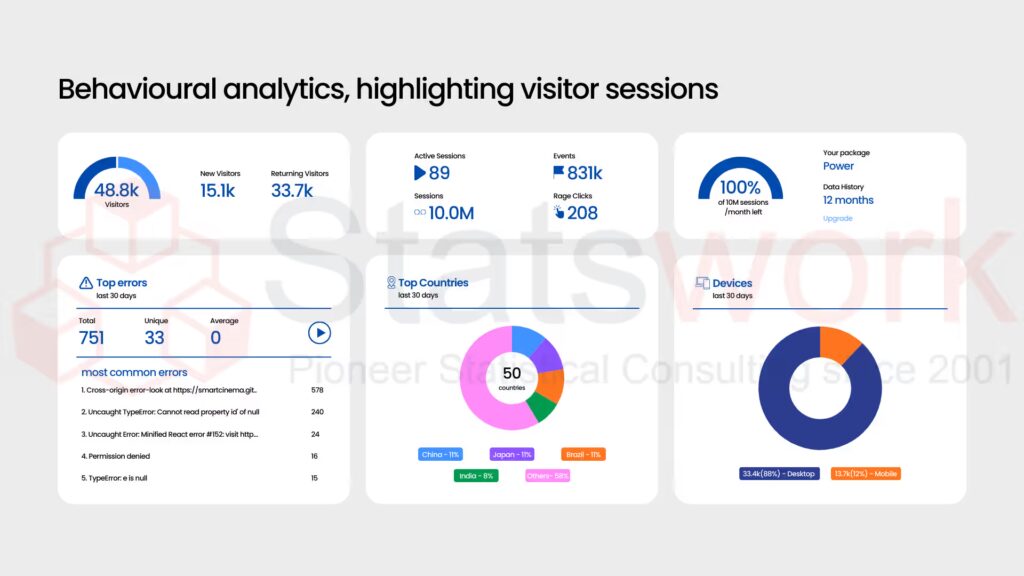
  • Behavioural analytics: Use of data science (e.g., machine learning, data visualisation, predictive modelling) to develop improved business strategies for predicting the future behaviour of customers, users and systems
  • Real-time analytics: Utilises near real-time data analysis and uses available analytical resources (including hardware, software, analytics tools) at the point of need
  • Advanced analytics: Creates new insights generated by new technologies that allow for new ways to drive business decisions and manage risk per an access and delivery framework.[3]
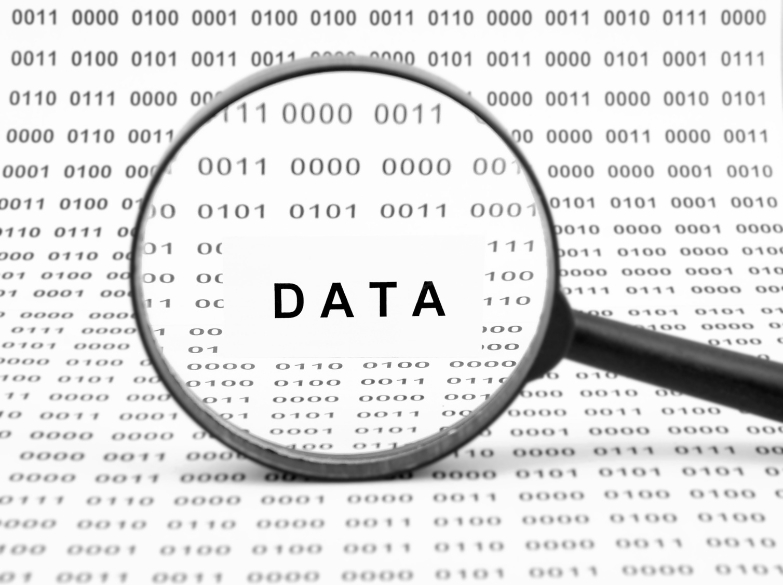
Data Analytics - Recreation Image - SW

Strategic Value of Data Analytics

Business operations are improved as data analytics allow for better data-driven decision making, improved efficiency and improved growth.

  • Improved Decision-Making: Predictive data analytics make it easier for companies to utilize data to make proactive instead of reactive decisions.
  • Enhanced Planning: Data analysis tools and services give businesses timely and accurate information to develop effective strategies with confidence.
  • Operational Efficiency: Business data analytics and big data analytics help businesses streamline operations and maximize efficiencies.
  • Innovation & Opportunity: Advanced analytics and service offerings provide insights into new areas of growth for businesses.
  • Risk Management: Timely data analysis from a data analytics service enables businesses to identify-and-fix problems in “real-time.”
  • Competitive Advantage: Data analytics Service providers and businesses use analytics to remain agile and flexible in meeting today’s market demands.[4]

Operational Application Framework

Industry / Sector Applications
Transportation & Logistics Predictive Maintenance, route optimization and demand forecasting.
Healthcare Patient outcome and resource planning, predictive diagnosis.
Agriculture Crop monitoring, yield forecasting and resource optimization are all examples of using.
Finance Risk analysis, fraud detection and investment forecasting.
Media & Telecommunications Customer experience and content personalization to predict churn.
Manufacturing Predictive maintenance, production efficiency and supply chain optimization.
Smart Infrastructure Energy management, traffic optimization and the monitoring of IoT data.[ 5 ]

Conclusion

Advanced Data Analytics Apply across all industries to increase the productivity of all industries by maximizing Innovative Decision Making and Operational Performance through Innovative Software and Advanced Analytical Tools and Solutions to implement Resilience, Intelligence, and Future Readiness into Organizational Systems.


Drive real business impact with StatsWork: Data Analytics meets Visualization for clarity, precision, and smarter strategies.

References

  1. Chong, D., & Shi, H. (2015). Big data analytics: a literature review. Journal of Management Analytics2(3), 175-201. https://www.tandfonline.com/doi/abs/10.1080/23270012.2015.1082449
  2. Shu, H. (2016). Big data analytics: six techniques. Geo-spatial Information Science19(2), 119-128. https://www.tandfonline.com/doi/full/10.1080/10095020.2016.1182307
  3. Andriosopoulos, D., Doumpos, M., Pardalos, P. M., & Zopounidis, C. (2019). Computational approaches and data analytics in financial services: A literature review. Journal of the Operational Research Society70(10), 1581-1599. https://www.tandfonline.com/doi/abs/10.1080/01605682.2019.1595193
  4. Sheikh, R. A., Bhatia, S., Metre, S. G., & Faqihi, A. Y. A. (2022). Strategic value realization framework from learning analytics: a practical approach. Journal of Applied Research in Higher Education14(2), 693-713. https://www.emerald.com/jarhe/article-abstract/14/2/693/434826/Strategic-value-realization-framework-from?redirectedFrom=fulltext
  5. Vassakis, K., Petrakis, E., & Kopanakis, I. (2017). Big data analytics: applications, prospects and challenges. Mobile big data: A roadmap from models to technologies, 3-20. https://link.springer.com/chapter/10.1007/978-3-319-67925-9_1