
What is Data Security and Privacy?
- Home
- Insights
- Article
- What is Data Security and Privacy?
Qualitative Research Service
News & Trends
Recommended Reads
Data Collection
As the data collection methods have extreme influence over the validity of the research outcomes, it is considered as the crucial aspect of the studies
- 1. Introduction
- 2. DeepHealth’s Diagnostic Suite™: Revolutionizing Radiology Workflows
- 3. Key Features
- 4. AI Impact on National Screening Programs
- 5. SmartMammo™: Enhancing Breast Cancer Screening
- 6. DeepHealth AI Use Cases Across Specialties
- 7. Strategic Collaborations and Ecosystem Expansion
- 8. Impact and Adoption of DeepHealth’s AI Solutions
- 9. Conclusion: The Future of Radiology with AI
- 10. References
In today’s digital-first world, organizations are dealing with enormous amounts of sensitive data daily—from personal identifiers to financial and research data. As the value of data continues to grow, so do the risks associate with misuse, breaches, and unethical use. Data security and privacy are no longer a nice-to-have, but a must-have. It is important to understand how data is protected and how it should be used responsibly.
Protecting Information from Digital Threats
This topic focuses on how organizations protect data from emerging cyber threats and unauthorized access.
- Preventing unauthorized access: Data security guarantees that only authorized personnel have access to the data.
- Defending against cyberattacks: Data security measures such as firewalls, intrusion detection systems, and encryption protect data from viruses, hacking, and ransomware attacks.
- Maintaining data integrity: Data security measures ensure that the data is accurate and not modified or corrupted by unauthorized individuals.
- Ensuring availability of information: Secure system designs and data backups ensure that the data is accessible to authorized personnel when needed.
- Adapting to evolving threats: Organizational resilience is improved by aligning data protection and security strategies with current threats.[2]
Responsible Use of Personal and Sensitive Data
This is particularly concerned with the handling of personal information in a careful, fair, and accountable manner.
- Clear and open data practices: Data privacy involves organizations being open about the type of data collected and how it will be processed.
- Purpose-driven data usage: Personal data should only be collected and processed for particular and legitimate purposes, and not unnecessarily.
- Trust and regulatory alignment: Protecting privacy rights can help in ensuring compliance with requirements while also promoting user trust.[3]
Security vs Responsible Data Handling
Security and privacy are commonly misunderstood as each other. The table below illustrates their separate functions while demonstrating how they complement each other.
Aspect | Focus Area | Primary Objective |
Data handling | Ethical and lawful use | Protect individual rights |
Technical safeguards | Systems and controls | Prevent unauthorized access |
Risk addressed | Misuse of information | Breaches and cyber threats |
All these components create a balanced approach where cybersecurity and data privacy operate side by side rather than independently.[4]
Why Effective Data Safeguards Are Essential Now
- The importance of data security and privacy transcends mere compliance and is of prime importance for the long-term sustainability of organizations.
- Data breaches may lead to substantial financial losses, legal troubles, and irreparable harm to reputation.
- Loss of trust among consumers, business associates, and stakeholders is often the most harmful effect of irresponsible data behavior.
- The organizations that practice responsibility and secure data strategies are better poised to innovate and collaborate.
- Good data security measures help organizations grow and scale with confidence in the competitive digital environment.[4]
Practical Steps for Sustainable Protection
A systematic method will also enable organizations to ensure consistent and effective data protection.
- Promote data awareness: Train staff on how to handle data in a secure and responsible manner to reduce risks that come with daily operations.
- Review risks periodically: Carry out periodic reviews to determine and close any security and privacy gaps that may exist.
- Manage access carefully: Limit data access according to staff roles to avoid misuse or exposure of the data.
- Define governance rules: Develop data collection, storage, and sharing policies among teams.
- Integrate protection into work: Implement data security and privacy best practices as part of daily operations to make data protection a collective responsibility.

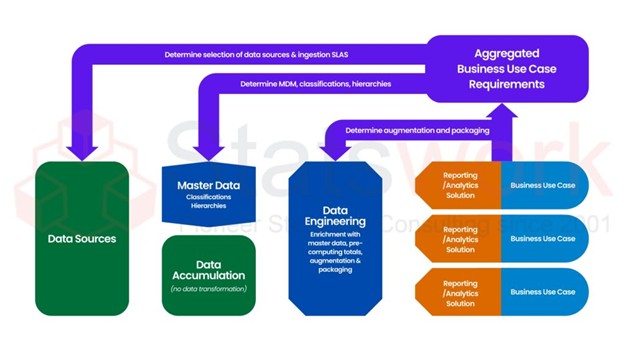
Fig 1 shows the workflow for identifying, analysing, and mitigating data security incidents.
In conclusion, Data security and privacy are effective in protecting sensitive data, ensuring ethical use, and establishing trust. Organizations can handle data confidently by using robust safeguards, policies, and awareness to minimize risks and ensure compliance with regulations.
Ensure complete data protection and compliance with StatsWork’s Data Management—smart, secure, and reliable solutions for your critical information.
Reference
- Li, Y., & Saxunová, D. (2020). A perspective on categorizing Personal and Sensitive Data and the analysis of practical protection regulations. Procedia Computer Science, 170, 1110-1115. https://www.sciencedirect.com/science/article/pii/S187705092030497X
- Stoyanovich, J., Howe, B., & Jagadish, H. V. (2020). Responsible data management. Proceedings of the VLDB Endowment, 13(12). https://par.nsf.gov/biblio/10184625