
Q & A
Data Management
Q: What tools and technologies do your Data Management service utilize to streamline data collection and processing?

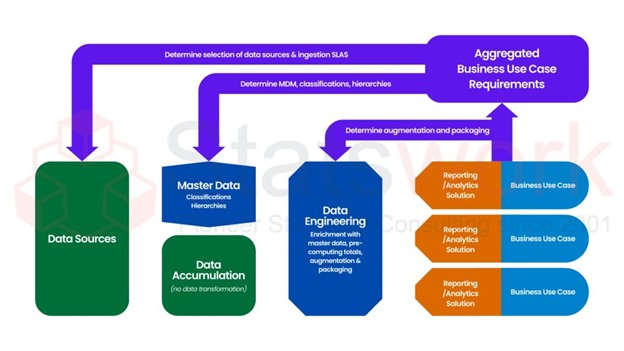
We use the latest tools for collecting and processing data through our data management services to make the process more efficient and scalable. Below are some examples of how we will achieve this:
1. Data Ingestion of the Following Types
Utilising Streaming Tools such as Apache Kafka and AWS Kinesis for ingesting data into our System globally, to collect large quantities of Data from varied locations.
2. ETL Toolsets
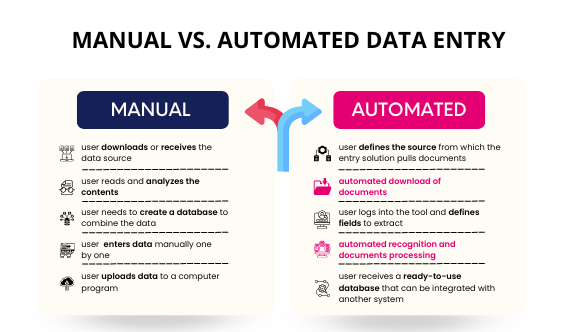
Using an ETL tool such as Apache nifi or Talend will allow us to Transform our Data using ETL processes, Extracting Data from Source(s), Transformation (convert to proper format), Loading Data into Target Storage. The Process described above can be Automated which significantly increases the speed/consistency of Data Processing.
3. Data Storage
Data Storage options are based on highly Secure Scalable Data Storage provided to the end user, via the Amazon S3 Platform (data object storage service offered by Amazon), Google Cloud Storage Platform (data object storage service offered by Google) and the other Structured & Semi-Structured Database services (like MySQL and MongoDB), which can be stored securely within the data storage option.
4. Data Processing
Huge datasets are processed in parallel with a High-Performance Computing Environment (distributed computing nature of Apache Spark and Apache Hadoop). They enable the parallel processing of numerous blocks of big data in less than the time it takes for traditional Data Processing Techniques–as well as with a much higher degree of Computational Efficiency.
5. Data Science
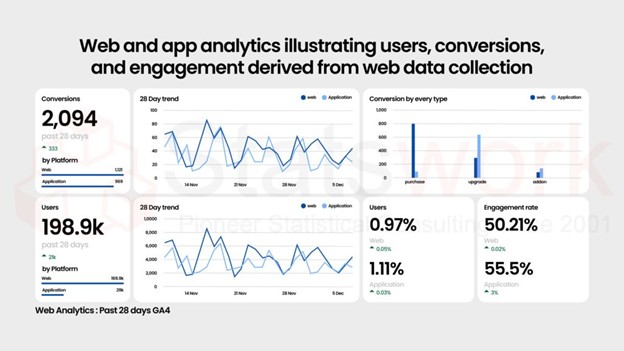
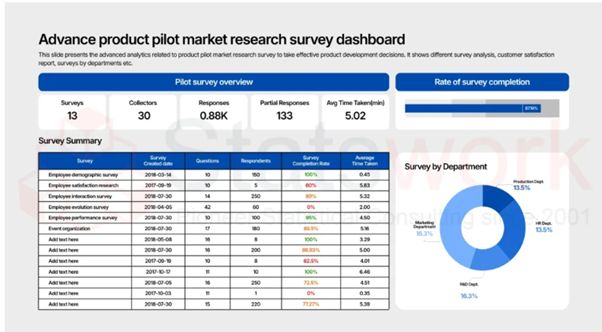
Advanced analytics and Reporting are accomplished using Analytics Application Software such as Tableau, Power BI, and Industry-standard Analytics Software platforms (Pandas and NumPy) based on Python programming language. Analytics Software is designed to enable Data-Analysts to Analyse, Visualize and Report on data—aiding Data Teams in creating actionable insights from their findings, ultimately driving Data-Driven Decisions for the organization.