
- Services
- Data Analysis services
- Sample Work
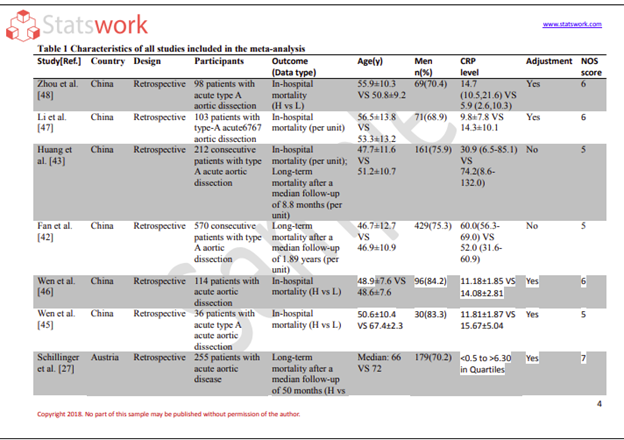
Data Analysis services
- Secondary Qualitative Research Services
- Secondary Quantitative Research Services
- Meta-Analysis Research services
- Sample Work
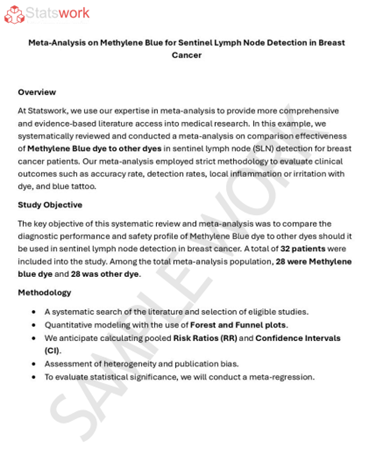
Meta-Analysis Research Services
- Data Collection Services
- Sample Work
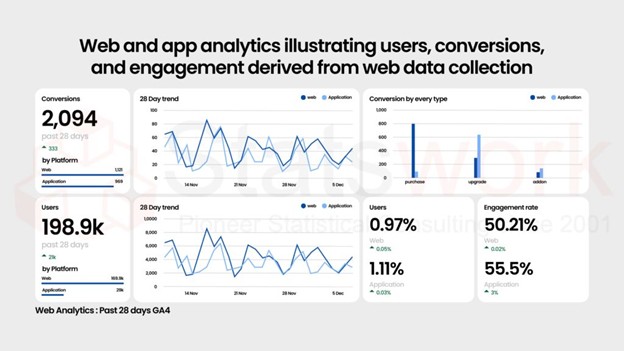
Data Collection Services
- Statistical & Biostatistics services
- Sample Work
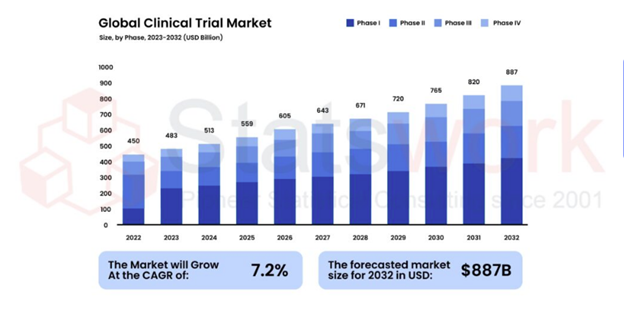
Statistical Programming & Biostatistics services
- Data Management Services
- Sample Work
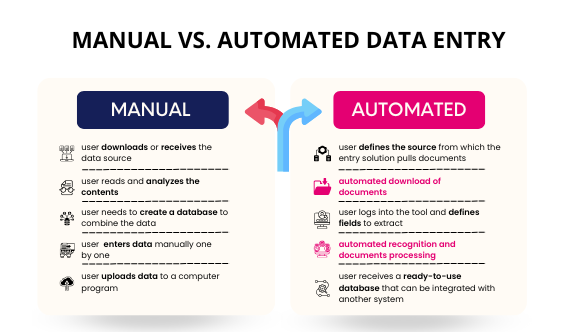
Data Management Services
- Research methodology services
- Sample Work
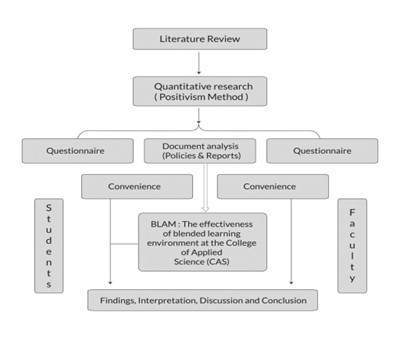
Research methodology services
- Tool Development Services
- Sample Work
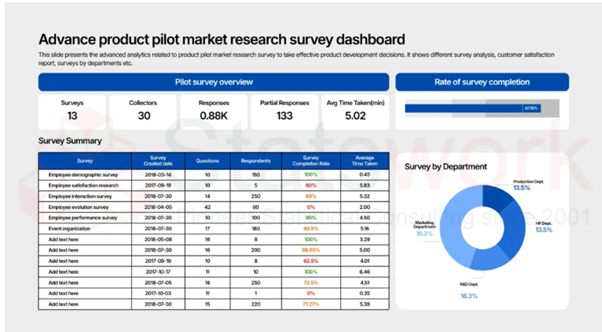
Tool development services
- Statistical Interpretation services
-
Statistical Interpretation services
- Sample Work
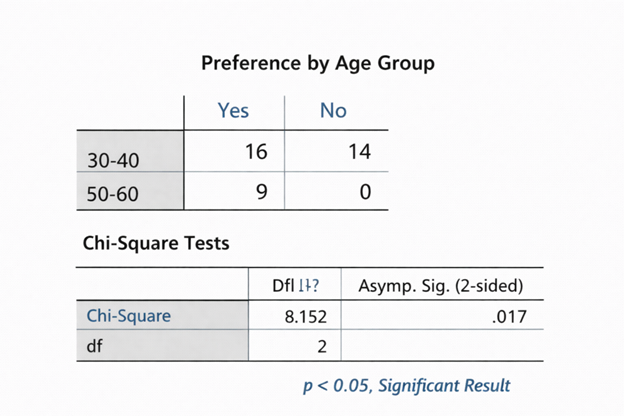
Statistical Interpretation services
-
- Sample Size Calculation Services
-
Sample Size Calculation Services
- Sample Work
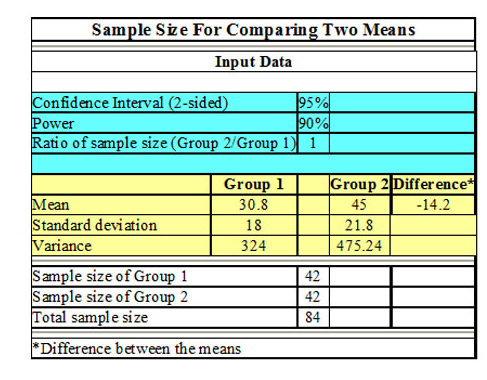
Sample Size Calculation Services
-
- AI & ML Services
-
Artificial Intelligence and Machine Learning Services
- Sample Work
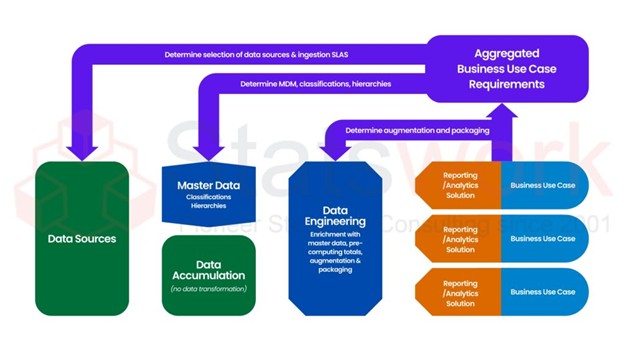
Artificial Intelligence and Machine Learning Services
-
- Meaningful Visualization Services
- Thought Leadership Services
- Report Generation Services
-
Report generation Service
- Sample Work

Report generation Services
-
- Data Analysis services
- Industries
- About Us
- Blog
- Insights
- Contact Us
- Services
- Data Analysis services
- Sample Work
Data Analysis services
- Secondary Qualitative Research Services
- Secondary Quantitative Research Services
- Meta-Analysis Research services
- Sample Work
Meta-Analysis Research Services
- Data Collection Services
- Sample Work
Data Collection Services
- Statistical & Biostatistics services
- Sample Work
Statistical Programming & Biostatistics services
- Data Management Services
- Sample Work
Data Management Services
- Research methodology services
- Sample Work
Research methodology services
- Tool Development Services
- Sample Work
Tool development services
- Statistical Interpretation services
-
Statistical Interpretation services
- Sample Work
Statistical Interpretation services
-
- Sample Size Calculation Services
-
Sample Size Calculation Services
- Sample Work
Sample Size Calculation Services
-
- AI & ML Services
-
Artificial Intelligence and Machine Learning Services
- Sample Work
Artificial Intelligence and Machine Learning Services
-
- Meaningful Visualization Services
- Thought Leadership Services
- Report Generation Services
-
Report generation Service
- Sample Work
Report generation Services
-
- Data Analysis services
- Industries
- About Us
- Blog
- Insights
- Contact Us
Ensuring Quality Clinical Trials with ICH-GCP Compliance
- Home
- Insights
- Article
- Ensuring Quality Clinical Trials with ICH-GCP Compliance
Qualitative Research Service
- Introduction
- What is ICH-GCP Compliance?
- Why ICH-GCP Matters in Clinical Trials
- Advantages of Following ICH-GCP
- Role of Biostatistics in ICH-GCP Compliance
- Common Biostatistics Deliverables
- Importance of Statistical Programming in Clinical Trials
- Common Challenges in ICH-GCP Compliance
- How Expert Statistical & Biostatistical Programming Services Help
- Industries That Need ICH-GCP Statistical Support
- What Should Readers Do Next?
- Why Choose Statswork for ICH-GCP Statistical Services?
- Final Thoughts
News & Trends
Recommended Reads
Contact us
- 1. Introduction
- 2.What is ICH-GCP Compliance?
- 3. Why ICH-GCP Matters in Clinical Trials
- 4. Advantages of Following ICH-GCP
- 5.Role of Biostatistics in ICH-GCP Compliance
- 6. Common Biostatistics Deliverables
- 7. Importance of Statistical Programming in Clinical Trials
- 8. Common Challenges in ICH-GCP Compliance
- 9. How Expert Statistical & Biostatistical Programming Services Help
- 10. Industries That Need ICH-GCP Statistical Support
- 11. What Should Readers Do Next?
- 12. Why Choose Statswork for ICH-GCP Statistical Services?
- 13. Final Thoughts
Introduction
The development of medicines, vaccines, and medical devices involves extensive clinical research that is conducted according to the protocol. For clinical research to be successful, it is crucial not only to collect data but also to ensure its quality and safety. This is when ICH-GCP compliance is necessary [1].
For pharmaceutical companies, CROs, biotech companies, and research institutes, adherence to International Conference for Harmonization – Good Clinical Practice (ICH-GCP) standards are mandatory because this will help to conduct the research responsibly and scientifically prove its validity. Simultaneously, there is a need for high-quality biostatistics and statistical programming services to analyze the collected information and draw correct conclusions based on the data obtained.
In this article, we will talk about ICH-GCP compliance in detail, its significance, and the next steps to take to achieve the quality of clinical trials with the help of expert biostatistics and statistical programming services.
What is ICH-GCP Compliance?
ICH-GCP is a globally recognized quality assurance system for clinical trial research with human subjects. It ensures the safety of the trial participants and guarantees that the results achieved are credible and acceptable to regulators around the world, such as the following:
- The U.S. Food and Drug Administration
- The European Medicines Agency
- The Medicines and Healthcare products Regulatory Agency
- The Central Drugs Standard Control Organization
The ICH-GCP guidelines address all aspects of clinical trial research, which include but are not limited to:
- Trial protocol design
- The role of investigators
- Informed consent
- Results data and monitoring
- Safety reports
- Documentations and audit
- Statistical analysis and report writing [2]
Why ICH-GCP Matters in Clinical Trials
Clinical studies deal with patient safety issues, as well as large amounts of money invested into them. Poor clinical trial management could cause distorted results which cannot be used. The purpose of ICH-GCP is to minimize risks related to trial mismanagement.
Advantages of Following ICH-GCP
1. Provides Patient Safety
Participant safety, as well as their rights and health should always be the primary concerns during a trial.
2. Ensures Accuracy of Results
Proper recording and documentation allow achieving reliable data which can be trusted.
3. Easier Global Regulatory Approvals
Regulatory agencies require certain levels of data quality from clinical studies. ICH-GCP promotes data acceptance worldwide.
4. Minimizes Trial Risks
Correct documentation prevents mistakes and problems [3].
5. Enhances Research Credibility
Reputations of organizations known for compliant trials grow rapidly.

Role of Biostatistics in ICH-GCP Compliance
Even the most well-planned study will fall apart without proper statistical design. Biostatistics services are essential since they decide on how to collect, analyze, and interpret data.
Biostatistics ensures regulatory compliance through:
- Sample size determination
- Randomization techniques
- End-point selection
- Interim analysis plan
- Statistical analysis plan (SAP)
- Results interpretation
- Conclusions drawn from evidence [4]
Good biostatistics for clinical trials lead to unbiased conclusions.
Common Biostatistics Deliverables
- Statistical sections of protocols
- Power and sample size calculations
- Randomization plans
- Interim and final analysis reports
- Survival analysis
- Regression modeling
- Safety data analysis
Importance of Statistical Programming in Clinical Trials
Modern studies produce huge amounts of data collected at various sources, including sites, laboratories, wearables, ePRO systems, and safety databases. Handling this amount of information requires qualified statistical programming services [5].
Statistical programmers translate raw clinical data into submission-ready outputs with the help of software packages such as:
- SAS
- R
- Python
Main Areas of Work for Statistical Programmers
- SDTM datasets programming
- ADaM datasets programming
- Table, Listing, Figure (TLFs) development
- Data validation
- Prepare Define.xml
- Regulatory submission datasets
- Recurring report automation
SAS programming is highly important in clinical trials to speed up the process [3].

Next, organizations may wonder what actions they can take next. The following is a simple roadmap.
- Create a Clear Study Protocol
- Hire Biostatisticians at an Early Stage
- Collect Data Consistently
- Adopt Risk-Based Monitoring
Implement risk-based monitoring of critical processes, patient safety information, and protocol deviations.
- Proper Documentation
- Statistical Programming Should Be Validated
- Independent Quality Checks
The protocol will outline clear objectives, inclusion/exclusion criteria, endpoints, schedule, and statistical analysis plans.
Hire qualified biostatisticians when designing clinical trials, not later in the process when the process has already been started.
Data should be collected using validated data collection instruments and standardized CRFs/ eCRFs.
Maintain thorough trial master files, audit trail information, approvals, training information, and dataset version control [2].
Datasets and reports should be generated using controlled programming process.
Quality check is critical for ensuring data outputs, datasets, tables, and statistical analyses are correct.
Common Challenges in ICH-GCP Compliance
Many sponsors and CROs encounter the following challenges:
- Delays in achieving database lock
- Data missing or not consistent
- Protocol deviation
- Inadequate documentation
- Invalid assumptions
- Delays in finalizing SAP
- TLF error
- Reworking submissions
These difficulties may result in increased costs and delayed product launch.
How Expert Statistical & Biostatistical Programming Services Help
Experience in outsourcing experts will make your processes more efficient [5].
Benefits:
- Shorter time from database to reports
- Expert SAS and R coders
- High-quality SDTM and ADaM datasets
- Enhanced audit readiness
- Lightened internal burden
- Scalability from Phase I to IV studies
- Quality regulatory submission package
This is highly beneficial for small and medium-sized biotech firms.
Industries That Need ICH-GCP Statistical Support
- Pharmaceutical companies
- Biotechnology companies
- Medical equipment makers
- Contract Research Organizations (CROs)
- School-based research centers
- Vaccine makers
- Healthcare research networks
What Should Readers Do Next?
In case your company is designing or administering clinical trials, you should now evaluate whether your current trial procedures can satisfy the requirements of ICH-GCP.
- Action Items Right Away
- Evaluate trial protocols
- Evaluate statistical analysis plans
- Evaluate clinical datasets
- Conduct documentation audits
- Elevate reporting process flows
- Secure expert biostatistics consultation services
- Preparations for submission standards
Why Choose Statswork for ICH-GCP Statistical Services?
Statswork offers exclusive biostatistics support, SAS programming, and statistical programming services for worldwide clinical research organizations.
The Areas We Cover Include:
- Sample size and protocol statistics
- SAP development
- SDTM/ADaM programming
- Table listing figure creation
- Interim and final analysis
- Regulatory submission assistance
- Quality control & validation
With our in-depth knowledge and accuracy-driven process, Statswork assists clinical trial organizations in carrying out successful clinical trials [4].
Final Thoughts
Quality clinical trials that meet the requirements of ICH-GCP guidelines are not just about compliance – they are about patient safety, data credibility, and driving innovation forward. Combined with biostatistical and statistical programming capabilities, organizations can raise their level of trial efficiency and move towards success [5].
For those who strive for success in contemporary clinical research, compliance and data expertise make the perfect tandem.
Reference
- Klein, J. S., & Edgerton, S. T. (2024). Principles of Good Clinical Practice (GCP). In Good Clinical Practices in Pharmaceuticals(pp. 23-38). CRC Press. https://www.taylorfrancis.com/
- Tritsmans, L. (1993). Good clinical trials and good clinical practice. Revista portuguesa de cardiologia: orgao oficial da Sociedade Portuguesa de Cardiologia= Portuguese journal of cardiology: an official journal of the Portuguese Society of Cardiology. https://www.academia.edu/
- Kaliaev, A. O., & Malikova, M. A. (2020). Risk-based quality and compliance management in clinical trials with combination products in changing global regulatory environment. Therapeutic Innovation & Regulatory Science, 54(4), 803-813. https://link.springer.com/article/10.10
- Zgheib, N., Branch, R., & Buch, S. (2009). Good clinical practice and good laboratory practice. In Clinical and Translational Science(pp. 345-360). Academic Press. https://www.sciencedirect.com/
- Khosla, R., & Srivastava, V. (2021). Historical Overview of Quality Assurance in Biological Research. In Quality Assurance Implementation in Research Labs(pp. 1-14). Singapore: Springer Singapore. https://link.springer.com/chapter/10.1