How Competitor Data–Driven Secondary Research Helps Brands Innovate Faster

How Competitor Data–Driven Secondary Research Helps Brands Innovate Faster

May 2025 | Source: News-Medical

Introduction

In today’s rapidly evolving business environment, understanding competitors and utilizing those insights in your own unique way is critical as 2025 approaches. Companies can utilize information and insights gathered from various other sources as well as secondary data, which aids them in shaping their product innovation strategies.

Competitor data collection provides a means of measuring how direct competitors and the industry are performing in their markets. By using competitor secondary data, companies can develop new products and innovate more quickly than the rest of the market, making decisions based on data rather than instinct to maintain the lead.[1]

Why Competitor Data Matters for Innovation Success

By analysing their competitors within the same market, companies will be able to collect and analyse data about their competitors’ business processes, product/service offerings, customer base, pricing strategy, distribution model.[1]

  • Business Model Understanding: Competitor Analysis assists Businesses in the creation of their Companies’ Business Models compared to Industry standards to assist in identifying their Strengths/Gaps.
  • Evaluating Customer Needs: Competitor Analysis also assists Organizations in identifying customer needs, ensuring that Innovations to meet Market demand.
  • Identifying Technology Gaps: Through Competitor Analysis, Businesses can help identify technological gaps in the Market and help identify potential Innovation Opportunities.
  • Identifying Opportunities and Trends: Competitor Analysis worked together with various secondary data sources can quickly identify relevant
  • Measuring Innovation Effectiveness: Competitor Analysis provides Organizations with visibility into the effectiveness of current Innovations and assists Organizations in refining Organizational Strategy and improving overall results.[2]
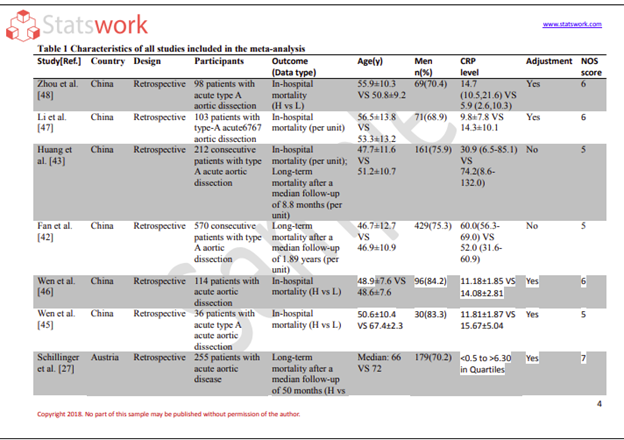
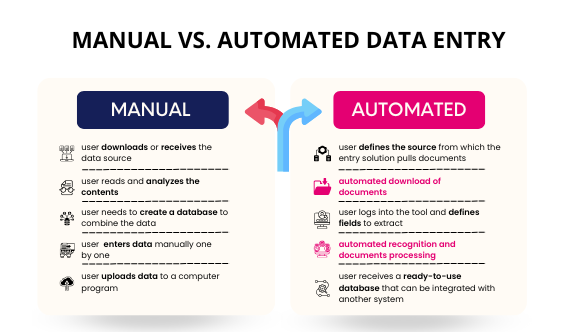
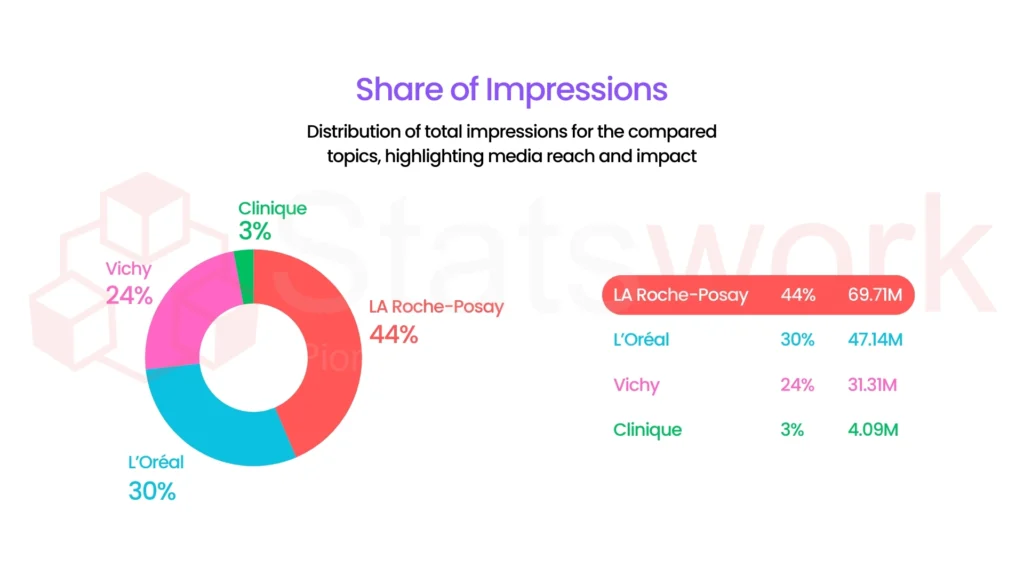
Figure 1 shows competitor impression share, helping benchmark market visibility for strategic decisions

Figure 1: shows competitor impression share, helping benchmark market visibility for strategic decisions.

How Secondary Data Collection Accelerates Competitor Research

Businesses utilize existing competitor research data from other companies who have reported on how much their competitors have sold (primary research) as well as secondary data collection existing data to be able to find out what products and services will be successful.

By gathering and analyzing existing market research data from other sources, businesses can then quickly make informed decisions and effectively benchmark themselves against competitors to ensure that their products and services meet the appropriate customer requirements.[3]

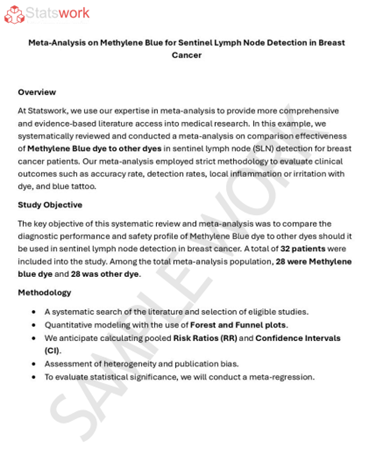
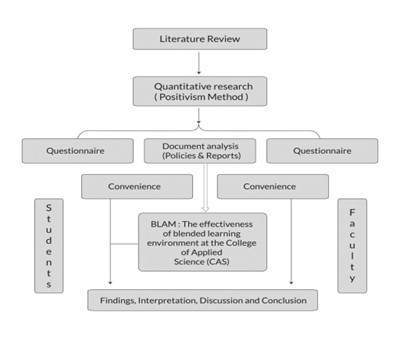
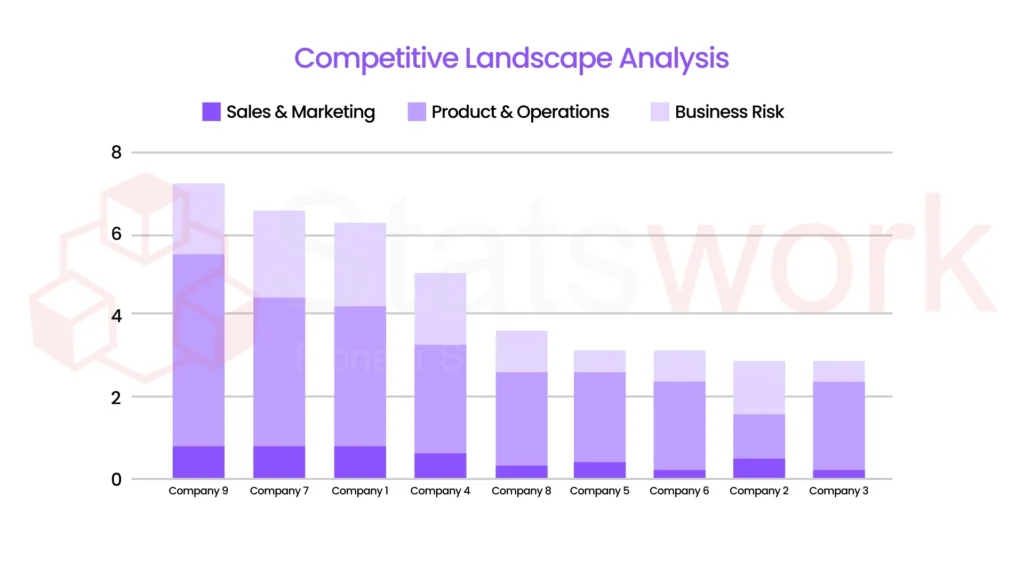
Figure 2 Shows a competitive analysis, demonstrating how secondary data helps businesses benchmark competitors

Fig 2 Shows a competitive analysis, demonstrating how secondary data helps businesses benchmark competitors.

Turning Competitor Insights into Innovation Opportunities

Competitors’ data can be transformed into opportunities to create innovative products by utilizing competition information to identify where there are gaps in the marketplace, determine what type of feedback you receive from customers, and improve products through enhancements to product features.

Competitor Insights

Innovation Opportunities

Actionable Step


Competitor Research


Improve Product Design & Customer Experience

Analyse innovation data from market research competitor data to enhance the user experience of your products.


Competitor Data Collection


Identify market gaps

Use secondary data to pinpoint missing features or unmet customer needs.

Sales & Performance Data

Optimize Product Portfolio

To identify areas for portfolio expansion or improvement.

Market Research Competitor Data

Refine Market Positioning and Targeting

To optimize your positioning and find unaddressed market segments.


Partnerships and Collaborations


Expand Strategic Partnerships

Secondary data can highlight potential partners and networks that competitors are utilizing.

How Competitor data Collection Enhances Product and Service innovation

  • Collecting information about competitors can help companies find many new ways to create innovative products or services.
  • This includes understanding what innovations are already on the market and utilizing information from outside to develop innovative products/services that are more closely aligned to what customers want.
  • Competitor data collection will allow companies to see the entire market as it exists today, allowing them to determine where their innovative efforts are.
  • Competitor data allows companies to offer a wider range of products/services that are more competitively positioned than those of their competition.[4]

The Future of Competitor research: AI-driven secondary data & Real Time Innovation

Aspect

Normal method

AI-driven method


Data Collection

Manual, limited data collected at specific times

Continuous, real-time data collection from multiple external sources


Data Analysis

Basic analysis based on available data

AI-powered analysis, leveraging predictive analysis and NLP


Insight Generation

Limited insights based on gathered data

Comprehensive insights into business strategies and methodologies


Emerging Trends & Threats


Difficult to identify in real-time

AI-driven identification of emerging trends and potential threats

Technology used

Limited to manual methods and basic tools

AI, NLP, and predictive analysis

Conclusion

Organizations can use competitor analysis as a foundation for secondary research, enabling them to innovate more rapidly by understanding the market, identifying product gaps, and enhancing customer experience based on insights gathered from competitor data.

Additionally, insights derived from secondary research on competitors can speed up product development, allow for quicker and more effective decision-making to optimize R&D spending, and increase the overall rate of innovation by enabling product development that closely aligns with customer requirements to be created more quickly.

CTA- Unlock real-time insights with AI-driven secondary data collection at Statswork to outpace your competitors

References

  1. Eriksson, T., & Heikkilä, M. (2023). Capabilities for data-driven innovation in B2B industrial companies. Industrial Marketing Management111, 158–172. https://doi.org/10.1016/j.indmarman.2023.04.005
  2. Russo, M., & Albert, M. (2018). How IoT data ecosystems will transform B2B competition. Boston Consulting Group. https://boston-consulting-group-brightspot.s3.amazonaws.com/img-src/BCG-How-IoT-Data-Ecosystems-Will-Transform-B2B-Competition-July-2018_tcm9-197926.pdf
  3. Johnston, M. P. (2014). Secondary data analysis: A method of which the time has come. Qualitative and quantitative methods in libraries3(3), 619-626. https://www.qqml-journal.net/index.php/qqml/article/view/169
  4. Troilo, G., De Luca, L. M., & Guenzi, P. (2017). Linking data‐rich environments with service innovation in incumbent firms: A conceptual framework and research propositions.Journal of Product Innovation Management34(5), 617-639. https://onlinelibrary.wiley.com/doi/abs/10.1111/jpim.12395
  5. Kalganov, N. (2024). AI-Driven Real-Time Intelligence for Proactive Business Strategy. In Proceedings of FIKUSZ Symposium for Young Researchers(pp. 265-282). Óbuda University Keleti Károly Faculty of Economics. https://www.researchgate.net/profile/Nikita-Kalganov/publication/392195206_AI-Driven_Real-Time_Intelligence_for_Proactive_Business_Strategy/links/68387735df0e3f544f5bcdee/AI-Driven-Real-Time-Intelligence-for-Proactive-Business-Strategy.pdf