AI Image & Label Data Collection for Packaging, Compliance & Product Benchmarking

AI Image & Label Data Collection for Packaging, Compliance & Product Benchmarking

May 2025 | Source: News-Medical

Introduction

AI Image Data Collection and Data Labelling are critical components of product packaging analysis and compliance. With Product Label Data Collection and Product Label Data Set Creation, companies can provide accurate Data Labelling & Annotation, ensure compliance with regulation, and provide the foundation for Visual Benchmarking of products.

These AI-powered insights allow brands to conduct their analysis of all aspects of packaging quality, including labelling accuracy and competitive positioning, on a large scale.[1]

Role of AI in Image & Label Data Collection

  • Automation & Accuracy: The use of AI provides a smarter way to automate data collection through computer vision which allows for improved accuracy and consistency in reviewing the packaging and product label information.
  • Data Labelling & Compliance: With the Help of AI, labels can be created with a large amount of time savings during this process, allowing for more thorough regulatory checks, validating compliance with their regulations as well creating datasets created into structured databases.
  • Benchmarking & Insights: AI provides an option to compare multiple products side by side allowing for detailed analysis of visual product comparison as well as packaging design comparison.[2]

Primary Data Extracted from Packaging Images

Product Information

Identifying product names, brands, and variants through image data collection using AI

Label Content

Extracting ingredient information, nutritional data, and claims through label data collection

Regulatory Elements

Using barcodes, symbols, and certifications found on product packaging to analyse packaging data

Visual Attributes

Using logos, colours, and layout in visual product benchmarking


Structured Datasets

Creating annotated fields to create a data label and annotation dataset for use in product label data collection.[2]

AI-Powered Packaging Analysis

  • Automated Data Capture: AI Image Data Collection and Label Data Collection allow for the extraction of visual and textual packaging information at scale for fast and efficient Product Packaging Analysis.
  • Structured Insights: Data Labelling and Annotation provide accurate Product Label Dataset Creation which improves consistency and quality of Product Label Data.
  • Competitive Evaluation: Clean and structured data provide Visual Benchmarks on products for Regulatory Compliance as well as continuous Product Label Data Collection for Market Analysis.[3]
v1 - Data Collection for Packaging - Recreation Image - SW - 23948 - 05-01-2026

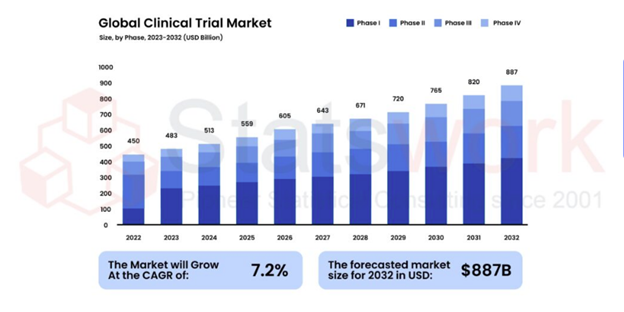
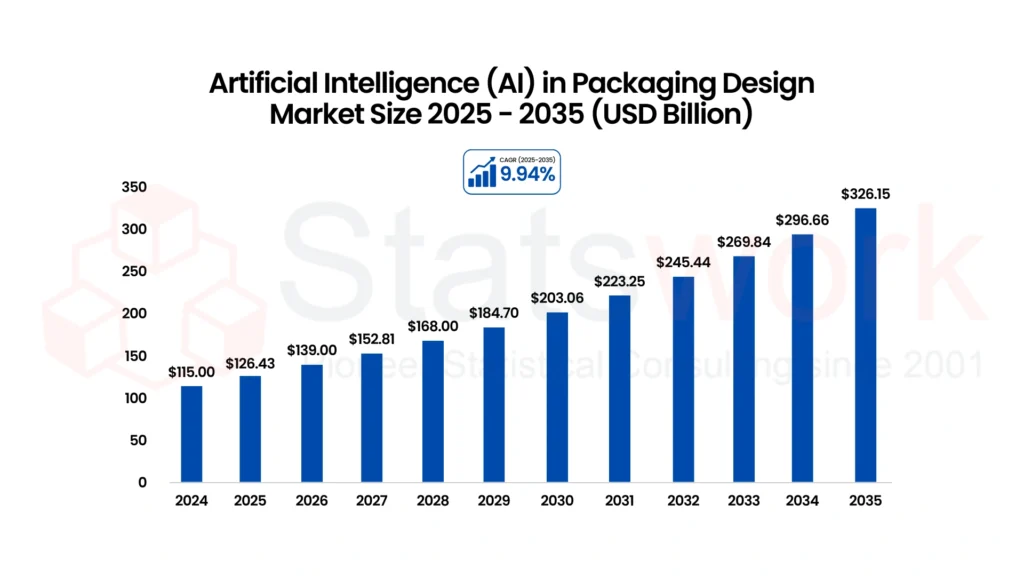
Fig 1 shows structured AI-powered insights into the rapid growth of the packaging design market through data-driven analysis.

Ensuring Regulatory Compliance with AI

  • Data Capture: Utilizing AI to collect and label images of packaging.
  • Validation: Review of product packaging plus Data Labelling & Annotations for Compliance
  • Monitoring: Creation of Product Label Dataset to support Product Label Data Collection and Visual Benchmarking of a product.[3]

Product Benchmarking Using Image & Label Intelligence

  • The collection of AI image data and data labelled and annotated for product labels captures extensive information about competitors’ packaging and labels.
  • Structuring and organizing the data labelled & annotated, provides a structured dataset for analysing.
  • Through visual benchmarking of products, we can compare everything from designs through to claims and compliance providing strategic insight.[4]

Use Cases Across Industries

Industry

Use Case

FMCG

Analyse and ensure that products comply with the relevant packaging regulations.

Pharmaceuticals

Collecting and annotating product labels provides companies with accurate information about their products.

Retail & E-commerce

Visual benchmarking of product categories creates product image datasets.

Food & Beverage

Collect nutritional information, the expiration date and brands from product labels to determine compliance.

Cosmetics & Personal Care

Review packaging design, ingredient list and labels to ensure accuracy.

Benefits and Challenges in AI-Driven Image & Label Data Collection

Aspects Benefits Challenges
Efficiency & Speed AI image data collection and label data collection support the accelerated collection of data.
  • Scalability
  • Complexity
  • Coordination
Accuracy & Reliability Data labelling and annotation supports the accurate creation of product label datasets.
  • Quality issues
  • Inaccuracy
  • Inconsistency
Insights & Analysis Support product packaging analysis and visual product benchmarking for strategic decision-making.
  • Design Complexity
  • Algorithm Demand
  • Variation
Compliance Support the monitoring and tracking of regulatory compliance across the marketplace.
  • High Costs
  • Investment
  • Setup Expense.

Future Trends in AI for Packaging & Label Intelligence

  • Robotic Collection: Use AI image data acquisition (basically algorithms), and labelled image acquisition to speed up the collection of product labels to conduct an analysis.
  • Creation of a Dataset: By simply providing annotated labels, datasets can be created of different product labels.
  • Information: Regulatory Compliance and Market Analysis can be visualised through Products Label Data.[5]

Conclusion

In conclusion, through accurate Data Labelling & Annotation, solutions like AI Image Data Collection and Label Data Collection provide more accurate product packaging analysis than through traditional means alone.

Solutions also combine to create a comprehensive Product Label Dataset for use within Visual Product Benchmarking; optimizes Brand Comparison, provides compliance with laws, and provides the basis for data to empower Brands to improve their Packaging Strategies and Market Position.

“Collect, organize, and analyse product data faster and smarter with StatsWork.”

References

  1. Wigness, M., Draper, B. A., & Ross Beveridge, J. (2015). Efficient label collection for unlabeled image datasets. In Proceedings of the IEEE Conference on Computer Vision and Pattern Recognition(pp. 4594-4602). https://openaccess.thecvf.com/content_cvpr_2015/
  2. Drukker, K., Chen, W., Gichoya, J., Gruszauskas, N., Kalpathy-Cramer, J., Koyejo, S., … & Giger, M. (2023). Toward fairness in artificial intelligence for medical image analysis: identification and mitigation of potential biases in the roadmap from data collection to model deployment. Journal of Medical Imaging10(6), 061104-061104. https://www.spiedigitallibrary.org/journals/journal-of-medical-imaging/volume-10/issue-6/061104/Toward-fairness-in-artificial-intelligence-for-medical-image-analysis/10.1117/1.JMI.10.6.061104.full
  3. Kumar, L., Dutt, R., & Gaikwad, K. K. (2025). Packaging 4.0: Artificial Intelligence and Machine Learning Applications in the Food Packaging Industry. Current Food Science and Technology Reports3(1), 19. https://link.springer.com/article/10.1007/s43555-025-00064-w
  4. Shao, Z., Yang, K., & Zhou, W. (2018). A Benchmark Dataset for Performance Evaluation of Multi-Label Remote Sensing Image Retrieval. Remote Sensing10(6).https://pdfs.semanticscholar.org/0524/2
  5. Oladele, O. K. (2024). AI-powered medical imaging: a comprehensive review of applications, benefits, and challenges. https://www.researchgate.net/profile/Oluwaseyi-Oladele-3/publication/385074391