AI-Driven Scientific Literature Data Collection for Evidence, Claim And R&D Decision Making

Claim And R&D Decision Making

News & Trends

Recommended Reads

Data Collection

As the data collection methods have extreme influence over the validity of the research outcomes, it is considered as the crucial aspect of the studies

AI-Driven Scientific Literature Data Collection for Evidence, Claim And R&D Decision Making

May 2025 | Source: News-Medical

Introduction

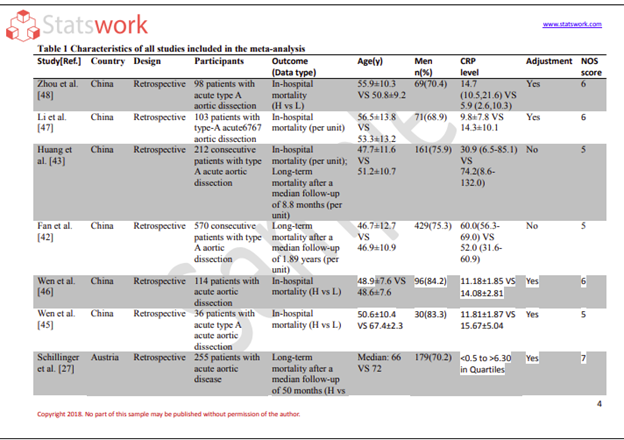
Scientific journals are growing so quickly that it is increasingly difficult for R&D departments to locate useful research data. However, by automating the research/ data gathering and analysis processes, the two main products that assist with dealing with the massive amount of incoming research material are AI Data Collection and Scientific Data Collection. Using AI tools to perform Literature Data Mining, Evidence Data Collection and R&D Data Collection, you can obtain the major claims made by various authors, confirm their findings, and determine patterns that exist in all the data collected by the various authors. By utilising AI Literature Review and R&D Intelligence Solutions, businesses can convert their unstructured data into useful data that will improve their productivity, minimise risk, and make more intelligent, evidence-based decisions regarding R&D.[1]

AI-Driven Literature collection:

  • AI Data Collection and Scientific Data Collection will help organizations’ R&D initiatives to organize the vast amount of information generated by the literature as the amount of fine scientific and technical writing increases dramatically.
  • AI will help R&D teams extract summaries and overall interpretations of published research contained in the literature. [2]
  • In addition, through AI Evidence Data Collection and R&D Data Collection, companies will be able to determine the credibility of their own content as well as determine general trends and keep track of R&D Intelligence Solutions
  • An AI Literature Review creates an overview of complex research and helps convert previously unstructured data into actionable knowledge for an organization’s purposes.
  • As mentioned above, AI-based methods increase the accuracy of research findings, reduce time spent processing data, and support organizations in creating solid evidence-based and well-informed R&D decisions.

Ensuring Data Quality and Reliability:

Aspects

Quality

Reliability


Core focus

Ensuring Accuracy and importance of extracted information

Ensuring Consistency, Trustworthiness and reliability of insights


AI data collection

Filters and gathers high quality scientific content from multiple credible sources

Validates data across study to confirm dependable results


Scientific Data collection

Improves precision by avoiding noises and irrelevant data

Confirms findings through cross verification with trusted scientific sources


Literature data mining

Extracts key insights, identifies errors, and corrects inconsistencies

Ensures patterns and claims are consistently supported by multiple studies


R&D Intelligence solutions

Organizes research outputs into structured, high-quality datasets

Provides stable, verified information to support strategic R&D choices

optimal drug dosage

Benefits Of AI Data Collection:

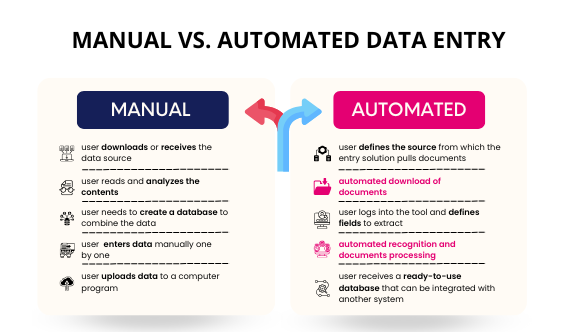
  • The AI-based data collection process allows researchers to automate the process of collecting and studying information, so that they can concentrate more fully on the development of insights.
  • Researchers can quickly locate studies, extract key data from those studies, and present important studies in a way that is easy to read and understand.
  • One major benefit of AI-based data collection is that the process of collecting evidence-based data helps researchers build connections between their assertions and research results, thereby providing the researcher with a higher level of confidence when making a research-based decision.
  • AI-based collection of scientific literature facilitates the acceleration of research; the accuracy of the information derived from research and minimizes the potential for missing critical evidence.[3]

How It Supports R&D Decision Making:

  • The complexity of AI data collection creates an unprecedented opportunity for organizations to make use of these tools, as they allow for systematic and methodical collection and analysis of large volumes of data (both from various sources) using scientific and literature data mining[1]
  • With AI technology, it is possible to perform text processing on thousands or even millions of documents to extract relevant findings and trends from those sources.
  • This also allows researchers to focus their attention on higher value insights rather than spending countless hours reviewing information manually.
  • By ensuring accurate mapping of claims to studies, evidence data collection allows organizations and researchers alike to build trust in their decisions through reliable and trustworthy evidence of experimental results.
  • Using the AI-based methods and technologies available to companies today provides an opportunity to make quicker, more accurate decisions in research and development, based on the best available evidence.[4]


CONVENIENCE ON B-2-B BRAND


Quik and effective research

As a result, B2B businesses can be more agile in their ability to react to changes in the marketplace, thus creating a competitive edge over other businesses within the same field.

Increased accuracy and reliability

This will enhance a brand’s credibility and make its insights more trustworthy for clients/partners.


Complete data of knowledge

Collection of scientific data by businesses can be used to find developing technologies, areas of research that are lacking, and relationships that cross disciplines.


Efficient Literature analysis

Provides B2B Companies with a tool to create a coherent and effective strategy backed by the best available data regarding their client’s needs, partners, and product positioning.


Global scope and Scalable insights

Offers B2B Companies with an affordable, scalable solution for managing the knowledge generated by their global teams – allowing them to enhance their brand image through effective global knowledge management.


Improved competitive intelligence

By “Mining” the scientific literature, you can determine how Competitors are conducting their Research, and therefore, you can determine which direction their Research is headed.


Conclusion:

The collection of scientific literature data using AI has been developed to enable companies to collect and utilize evidence-based information to make R&D decisions.

Companies can collect and evaluate multiple sources of research by utilizing the technology of AI and scientific literature data mining. Evidence-based collection of data enhances reliability of findings, allowing R&D teams to make evidence-based decisions with confidence.

The role of human expertise will always be important; however, the application of AI in decision-making will help companies to remain competitive, innovative and responsive in today’s rapid pace of technological change within the scientific sector.[5]

CTA- Unlock deeper insights with smarter data collection At Statswork, our expert data collection services give you to create accurate, consistent, and countable outcomes for your technology.

References

  1. 1.Khalifa, M., & Albadawy, M. (2024). Using artificial intelligence in academic writing and research: An essential productivity tool. Computer Methods and Programs in Biomedicine Update5(100145), 100145. https://doi.org/10.1016/j.cmpbup.2024.100145
  2. Pangandaman, H. K. (2024). Advantages and Challenges in Using AI (Artificial Intelligence) in Research: A Literature Review.SCOPE, 14(2), 1709-1721
  3. Bolaños, F., Salatino, A., Osborne, F. et al.Artificial intelligence for literature reviews: opportunities and challenges. Artif Intell Rev57, 259 (2024). https://doi.org/10.1007/s10462-024-10902-3
  4. Al-Surmi, A., Bashiri, M., & Koliousis, I. (2022). AI based decision making: combining strategies to improve operational performance. International Journal of Production Research60(14), 4464–4486. https://doi.org/10.1080/00207543.2021.1966540
  5. Kenchakkanavar, D. A. (2023). Exploring the Artificial Intelligence Tools: Realizing the Advantages in Education and Research. Journal of Advances in Library and Information Science. https://doi.org/10.5281/ZENODO.10251142