
- Services
- Data Analysis services
- Sample Work
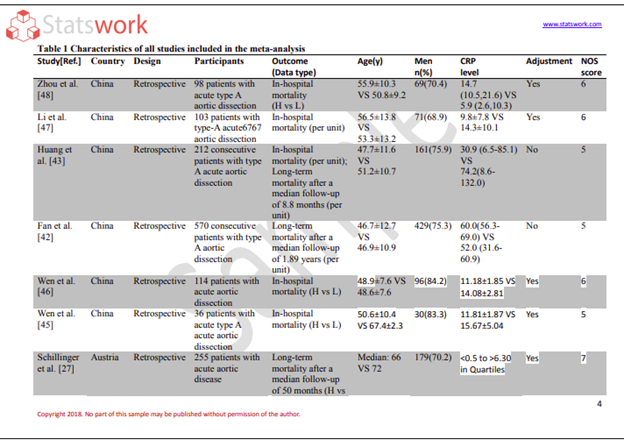
Data Analysis services
- Secondary Qualitative Research Services
- Secondary Quantitative Research Services
- Meta-Analysis Research services
- Sample Work
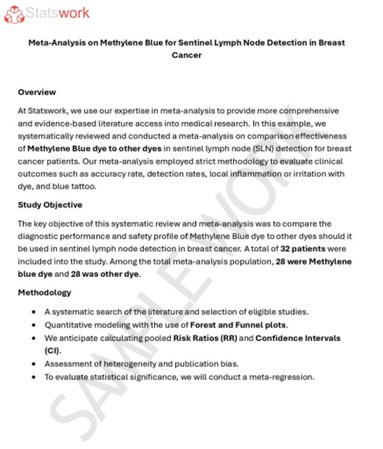
Meta-Analysis Research Services
- Data Collection Services
- Sample Work
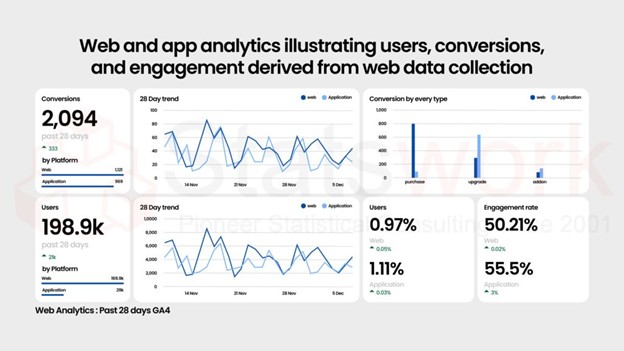
Data Collection Services
- Statistical & Biostatistics services
- Sample Work
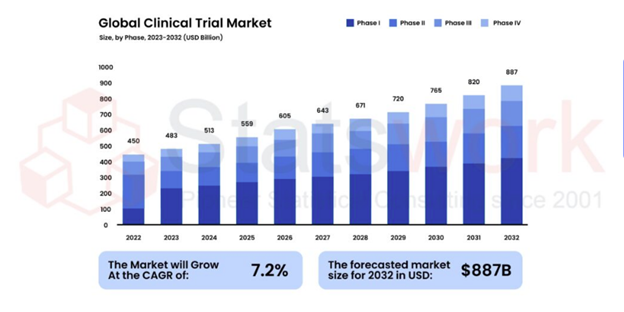
Statistical Programming & Biostatistics services
- Data Management Services
- Sample Work
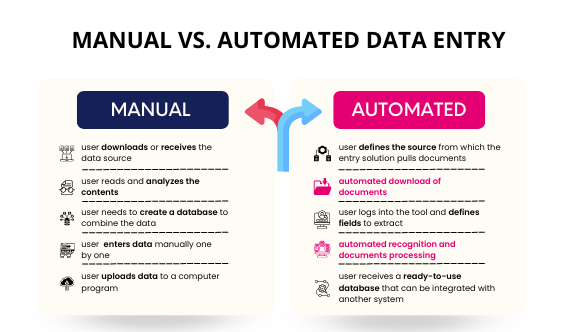
Data Management Services
- Research methodology services
- Sample Work
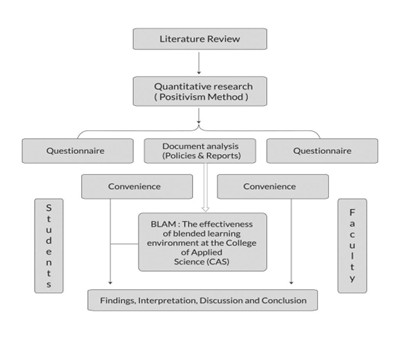
Research methodology services
- Tool Development Services
- Sample Work
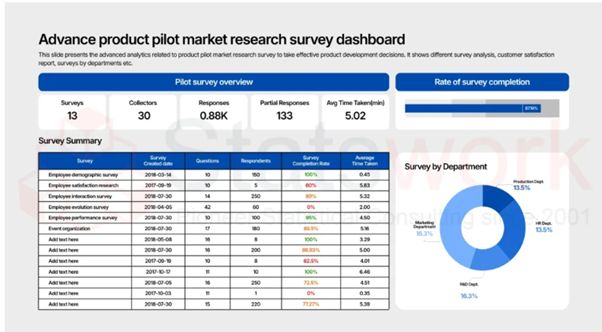
Tool development services
- Statistical Interpretation services
-
Statistical Interpretation services
- Sample Work
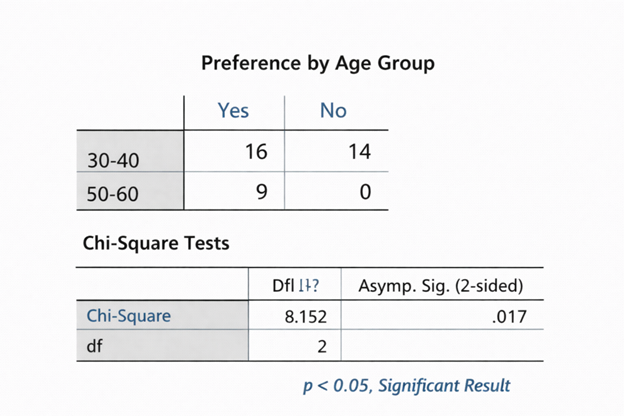
Statistical Interpretation services
-
- Sample Size Calculation Services
-
Sample Size Calculation Services
- Sample Work
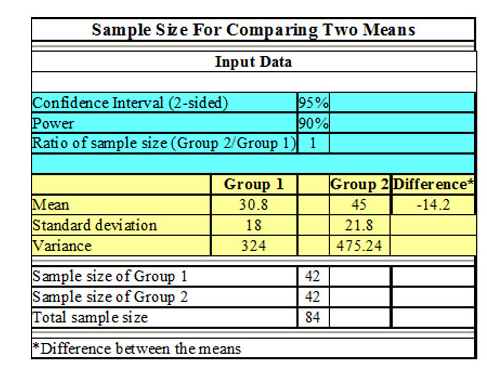
Sample Size Calculation Services
-
- AI & ML Services
-
Artificial Intelligence and Machine Learning Services
- Sample Work
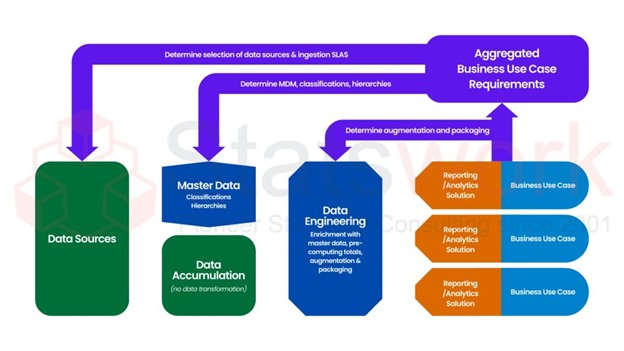
Artificial Intelligence and Machine Learning Services
-
- Meaningful Visualization Services
- Thought Leadership Services
- Report Generation Services
-
Report generation Service
- Sample Work
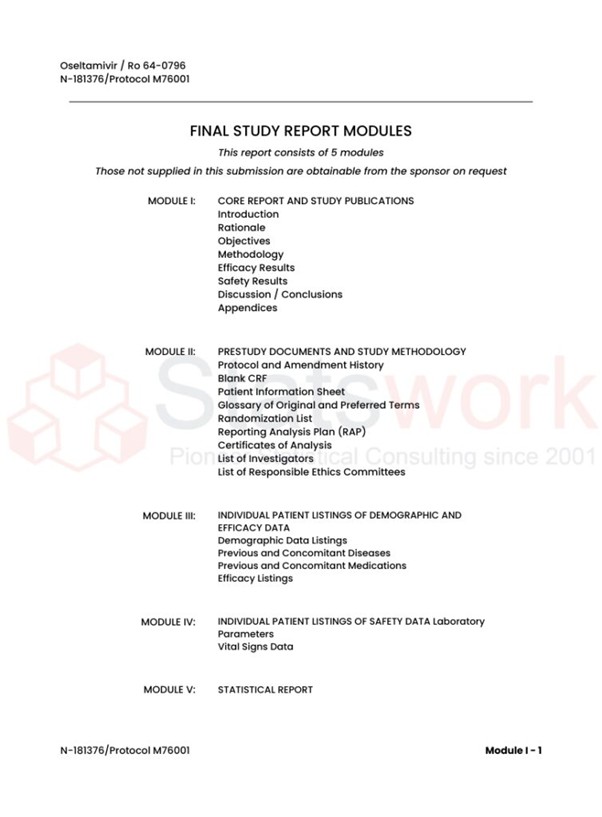
Report generation Services
-
- Data Analysis services
- Industries
- About Us
- Blog
- Insights
- Contact Us
- Services
- Data Analysis services
- Sample Work
Data Analysis services
- Secondary Qualitative Research Services
- Secondary Quantitative Research Services
- Meta-Analysis Research services
- Sample Work
Meta-Analysis Research Services
- Data Collection Services
- Sample Work
Data Collection Services
- Statistical & Biostatistics services
- Sample Work
Statistical Programming & Biostatistics services
- Data Management Services
- Sample Work
Data Management Services
- Research methodology services
- Sample Work
Research methodology services
- Tool Development Services
- Sample Work
Tool development services
- Statistical Interpretation services
-
Statistical Interpretation services
- Sample Work
Statistical Interpretation services
-
- Sample Size Calculation Services
-
Sample Size Calculation Services
- Sample Work
Sample Size Calculation Services
-
- AI & ML Services
-
Artificial Intelligence and Machine Learning Services
- Sample Work
Artificial Intelligence and Machine Learning Services
-
- Meaningful Visualization Services
- Thought Leadership Services
- Report Generation Services
-
Report generation Service
- Sample Work
Report generation Services
-
- Data Analysis services
- Industries
- About Us
- Blog
- Insights
- Contact Us
AI Supply Chain Data Collection for Forecasting, Risk Alerts & Vendor Intelligence
AI Data Collection
News & Trends
Recommended Reads
Contact us
AI Supply Chain Data Collection for Forecasting, Risk Alerts & Vendor Intelligence
Introduction
By integrating AI into supply chain management, firms have changed their methods of obtaining and processing information to make more precise forecasts, learn of potential risks, and find suppliers.
AI-based approaches to collecting information include utilizing predictive analytics for supply chain decisions, as well as using AI training data for supply chain models use in the decision-making process.
In addition, as AI continues to develop, it gives supply chains the ability to predict potential issues, create better forecasts than ever before, and manage supplier relationships effectively, ultimately creating operationally agile and sustainable supply chains in today’s digital economy.[1]
AI-Powered Data Collection Methods for Supply Chain Forecasting
AI-powered supply chain data collection allows businesses to collect large amounts of data from many different sources to make more accurate forecasts.
AI supply chain data collection uses real-time data from a variety of sources, such as
- AI Supply Chain Data Collection: Combines data from various sources into a single repository.
- Predictive Supply Chain Data: To build on the established patterns, machine learning uses historical sales and inventory statistics to create models to calculate future sales.
- AI Trains Supply Chain Data Collection: AI on historical sales, supplier performance, and other outside variables to continue improving its accuracy.
- Vendor Intelligence’s Data Collection: Compiles data regarding the suppliers’ historical product qualities, expected lead times and prices.
- Real-time Data Integration: Uses external inputs such as market conditions and weather to establish and modify the forecasts.
AI-Driven Real-Time Risk Monitoring and Alerts in Supply Chains
| Risk | Alerts |
AI Monitoring | AI supply chain management constantly analyses inventory levels, transportation and scheduling to identify anomalies on an instantaneous basis. |
| Predictive Analytics | AI uses historical data and market trends to build an AI model that will use predictive analytics to offer an indication of potential disruptions. |
Risk Notification | Whenever there is a disruption in the supply chain, AI provides urgent notifications to those who need to act quickly and mitigate the impact of the disruption before it becomes worse. |
Proactive Decision-Making | Identifying early warning signs gives decision makers the ability to adapt their strategy or find other potential options to manage disruptions. |
| Vendor Intelligence | By evaluating the vendor’s performance, AI can detect risks related to supplier reliability faster than an industry professional can. |
Smart Vendor Analytics: AI-Driven Data Collection for Supply Chain Flexibility
- Using AI technology for vendor data collection, companies can gain insight into vendor activities in their Supply Chain.
- With AI technology for Vendor Intelligence Data Collection, organizations have access to past data and real-time metrics that allows the identification of both potential risk and potential opportunity.
- This capability allows organizations to operate within a more flexible environment by being able to react quickly to changes and to disruptions within their Supply Chain Operations.[4]
Key AI Techniques Used in Supply Chain Data Collection
| AI Technique | Description |
| Machine Learning (ML) | Analyses Data Sets to Identify Future Trends and Improve Forecasting Accuracy Through Data Analytics. |
| Natural Language Processing (NLP) | To Evaluate Vendors, Conduct Analyses of Unstructured Data Sources. |
| Predictive Analytics | Use Historical Information to Predict Future Demand, Disruptions and Vendor Risk. |
| IoT Integration | Real-Time Data Collection – including Shipment Tracking and Environmental Conditions, as well as the surrounding Areas of Logistics Facilities. |
| Deep Learning | Analysis of More Complex Datasets for Increased Accuracy in Forecasting and Identifying Risks. |
Benefits and Challenges in AI Supply Chain Data Collection
| Benefits | Challenges |
| Enhances accuracy can forecast demand and detect risk. | Difficulty to bring together various data types and their locations. |
| Utilizing real-time data and insights through AI helps optimize supplier performance. | To train effective models, data quality must be consistently maintained. |
| Proactively resolving issues leads to increased operational flexibility. | Managing the intricate nature of leveraging highly sophisticated AI systems and interpreting data generated through predictive analytics |
| Enhance Decision Making by leveraging Models that predict outcomes | Many times, Highly Trained Professionals are necessary to operate and maintain the AI Framework. |
| Improved responsiveness and increased efficiency in supply Chain Management because of AI | Solutions driven by AI will perform poorly when utilizing incomplete Data Sets.[5] |
Conclusion
With AI-enabled data collection transforming supply chains, it is now possible for firms to increase their ability to predict outcomes accurately. Real-time analytics and advanced predictive analytics provide businesses with the opportunity to making better choices regarding the creation and management of product service. As advances continue to improve AI technologies, there will be increasing supply chain efficiencies that will create more environmentally friendly and efficient supply chains.
CTA- Boost your supply chain with Statswork AI Data Collection! Real-time insights, smarter decisions.
References
- Rainy, T. A., & Chowdhury, A. R. (2022). The Role Of Artificial Intelligence In Vendor Performance Evaluation Within Digital Retail Supply Chains: A Review Of Strategic Decision-Making Models. American Journal of Scholarly Research and Innovation, 1(01), 220-248. https://researchinnovationjournal.com/index.php/AJSRI/article/view/39/28
- Balasubramanian, A., & Gurushankar, N. (2020). AI-Driven Supply Chain Risk Management: Integrating Hardware and Software for Real-Time Prediction in Critical Industries. International Journal of Innovative Research in Engineering & Multidisciplinary Physical Sciences, 8(3), 1-11. https://www.researchgate.net
- Venumuddala, V. R., & Kamath, R. (2024). Evolving Client–Vendor Relationship: As Manifested Through an Artificial Intelligence Research Unit of an Indian IT Organization. Vikalpa, 49(2), 157-166. https://journals.sagepub.com/doi
- Ahmed, A. A., Abdullahi, A. U., Gital, A. Y. U., & Dutse, A. Y. (2024). Application of artificial intelligence in supply chain management: A review on strengths and weaknesses of predictive modeling techniques. Scientific Journal of Engineering, and Technology, 1(2), 1-18. https://journals.stecab.com/sjet/