
- Services
- Data Analysis services
- Sample Work
Data Analysis services
- Secondary Qualitative Research Services
- Secondary Quantitative Research Services
- Meta-Analysis Research services
- Sample Work
Meta-Analysis Research Services
- Data Collection Services
- Sample Work
Data Collection Services
- Statistical & Biostatistics services
- Sample Work
Statistical Programming & Biostatistics services
- Data Management Services
- Sample Work
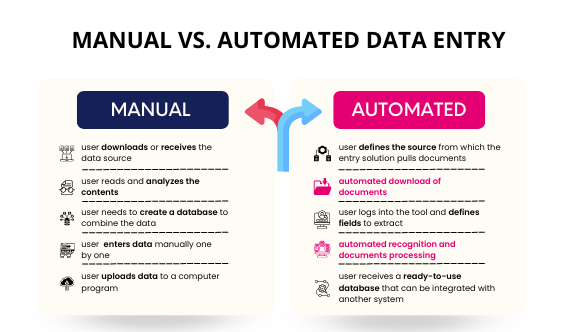
Data Management Services
- Research methodology services
- Sample Work
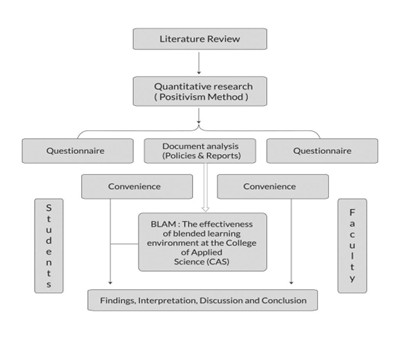
Research methodology services
- Tool Development Services
- Sample Work
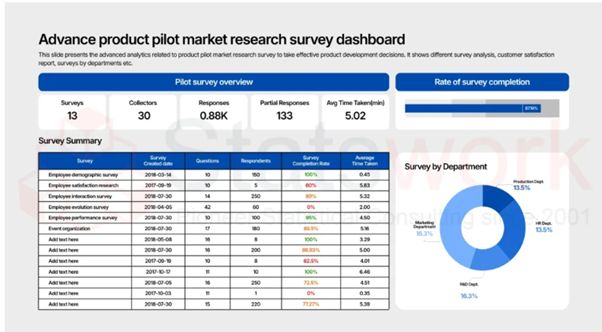
Tool development services
- Statistical Interpretation services
-
Statistical Interpretation services
- Sample Work
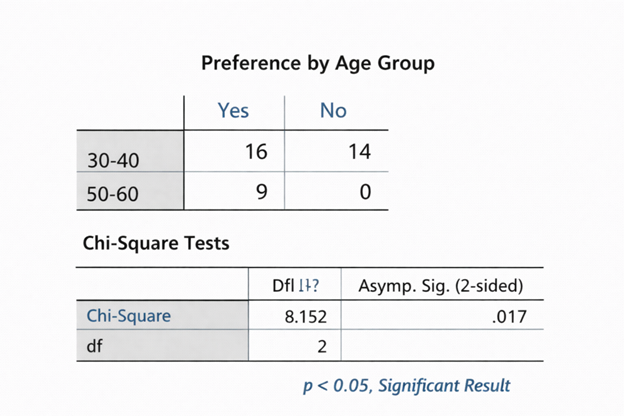
Statistical Interpretation services
-
- Sample Size Calculation Services
-
Sample Size Calculation Services
- Sample Work
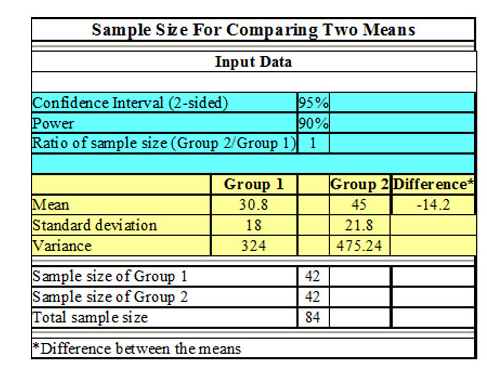
Sample Size Calculation Services
-
- AI & ML Services
-
Artificial Intelligence and Machine Learning Services
- Sample Work
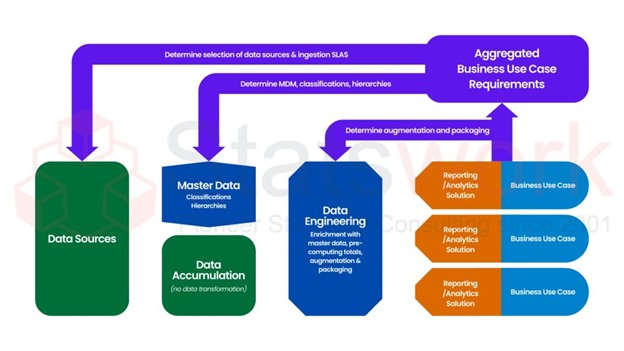
Artificial Intelligence and Machine Learning Services
-
- Meaningful Visualization Services
- Thought Leadership Services
- Report Generation Services
-
Report generation Service
- Sample Work
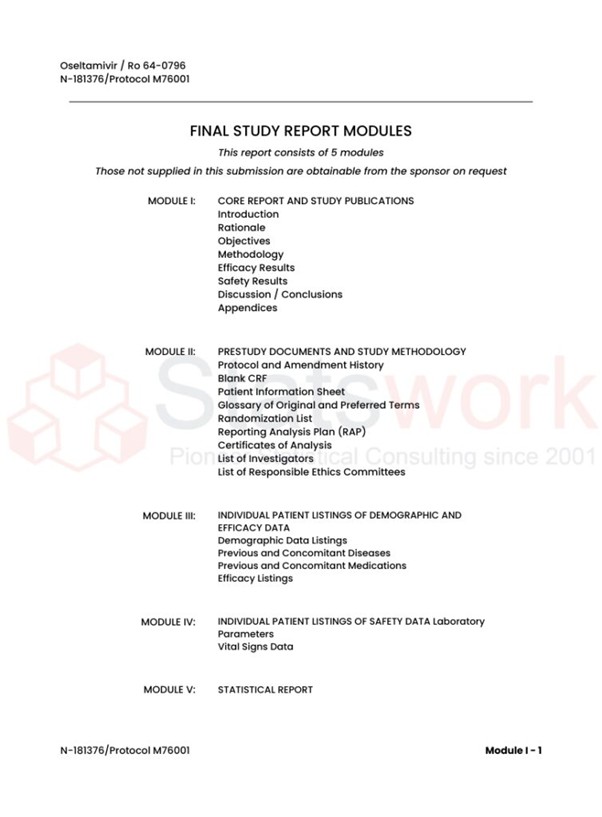
Report generation Services
-
- Data Analysis services
- Industries
- About Us
- Blog
- Insights
- Contact Us
- Services
- Data Analysis services
- Sample Work
Data Analysis services
- Secondary Qualitative Research Services
- Secondary Quantitative Research Services
- Meta-Analysis Research services
- Sample Work
Meta-Analysis Research Services
- Data Collection Services
- Sample Work
Data Collection Services
- Statistical & Biostatistics services
- Sample Work
Statistical Programming & Biostatistics services
- Data Management Services
- Sample Work
Data Management Services
- Research methodology services
- Sample Work
Research methodology services
- Tool Development Services
- Sample Work
Tool development services
- Statistical Interpretation services
-
Statistical Interpretation services
- Sample Work
Statistical Interpretation services
-
- Sample Size Calculation Services
-
Sample Size Calculation Services
- Sample Work
Sample Size Calculation Services
-
- AI & ML Services
-
Artificial Intelligence and Machine Learning Services
- Sample Work
Artificial Intelligence and Machine Learning Services
-
- Meaningful Visualization Services
- Thought Leadership Services
- Report Generation Services
-
Report generation Service
- Sample Work
Report generation Services
-
- Data Analysis services
- Industries
- About Us
- Blog
- Insights
- Contact Us
How to Navigate the Challenges of Overlapping Speech and Accents in Transcription and Coding
Qualitative Research Service
News & Trends
Recommended Reads
Contact us
Summary:
Data Analytics in 2026 is an essential component of doing business in B2B environment and carrying out research work. By using business intelligence, performance dashboards, data visualization and predictive analytics companies gain an ability to make timelier and evidence-based decisions, increase efficiency, decrease risks and find new sources of growth. In the same way, data analytics in research provides a more accurate, credible and effective research result through structured data analysis.
In terms of B2B businesses, 2026 is when data will transition from being an activity carried out in the back office to becoming an activity undertaken in the boardroom. Business analytics is now the central pillar of how businesses strategize, market, and compete; transforming operational data into strategic information that business leaders use daily.
For businesses that are vetting vendors, entering new markets, and scaling up, data analytics in business is no longer a choice. It is the method by which businesses that rely on gut feelings are distinguished from those relying on evidence. The same trend is happening in the world of research where data analytics in research 2026 has become increasingly important.
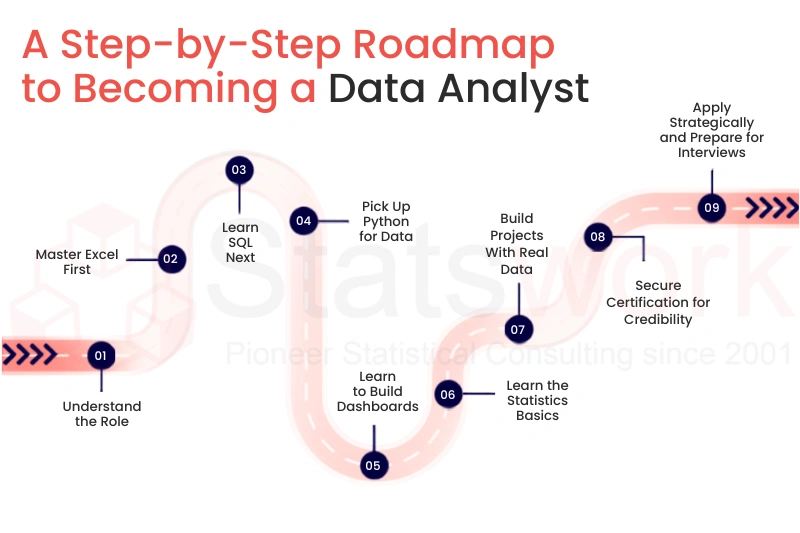
The Importance of Data Analytics in Business
Decision-making based on data eliminates the element of guesswork. In the case of business to business, it means that all decisions made will be based on measurable data as opposed to assumptions. It also means that it will take less time for all the departments to agree on a common point because all of them will be using the same data.
Here’s what that looks like in practice:
- The use of business intelligence and analytics turns the operational data collected into actionable reports for the executive team
- Performance dashboards provide real-time insights about the key performance indicators in terms of sales, operations, and finances
- Data visualization tools turn data sets into visual models and graphics that can be analyzed by all stakeholders instantly
- Predictive analytics help spot changes in demand, customer churn, and new market opportunities before the competition catches up
- The frameworks that are used to mitigate risks are based on historical data and real-time data
Why Data Analytics Is Important for Business Growth
The organizations pulling ahead in 2026 share one trait: they treat analytics as a growth engine, not a reporting exercise.
| Area of Focus | What It Does for the Business | Advantage |
| Data-Driven Decisions | Replaces assumptions with evidence-based insights derived from data. | Reduces risk and enables more accurate strategic decisions. |
| Business Intelligence | Transforms raw data into meaningful reports and actionable insights. | Supports faster and more informed executive decision-making. |
| Performance Dashboards | Monitors KPIs and operational performance metrics in real time. | Improves operational efficiency and organizational accountability. |
| Data Visualization | Converts complex datasets into intuitive charts and visual reports. | Enhances collaboration and understanding across teams. |
| Predictive Analytics | Forecasts demand, customer behavior, and market trends using historical data. | Provides a competitive advantage through proactive decision-making. |
| Strategic Insights | Reveals hidden opportunities and patterns within business data. | Supports sustainable long-term business growth. |
This is where competitive advantage is won: not by collecting more data, but by converting it into decisions faster than the competition. Businesses that build this discipline into daily operations — rather than treating it as a quarterly review exercise — see compounding gains in efficiency, client retention, and market responsiveness.
Predictive Analytics and Strategic Insights in Action
Predictive analytics leverages past trends and statistics to predict what is going to happen next, thereby moving an organization from reactionary to strategic planning.
Example: A B2B distributor leverages historical purchasing data to make predictions about demand cycles to buy supplies before running into a shortage.
Strategic insights based on business intelligence and dashboards can assist an organization’s leadership in making decisions about where to focus their efforts.
Example: A SaaS firm determines its most loyal customer base using the dashboard and deploys its sales force accordingly.
This strategy then builds on itself as each decision results in data that helps make future decisions.
Importance of Data Analytics in Research (2026)
The field of research data analytics is revolutionizing the process by which institutions, consultancies, and research-oriented companies verify their results and go from mere data to something that is ready to be published.
- Increases the reliability and validity of results through thorough and evidence-based research
- Discovers patterns and correlations that help make breakthrough discoveries and innovations
- Simulates the outcome of certain research scenarios using predictive modeling
- Bolsters the credibility of B2B research reports and feasibility studies as well as academically sound analyses
The depth of research data analytics is exactly what will make your B2B report a business case.
Conclusion
By 2026, business intelligence and data analytics is not an advantage anymore; they become the requirement for survival in business world. Organizations which focus on decision-making through data, performance dashboarding, and predictive analytics perform much better than organizations which depend on intuition only. Teams of researchers, who conduct structured analysis, provide conclusions which can be defended.
Statswork Data Analytics Services help B2B organizations and research teams translate complex, high-volume data into clear, decision-ready insights — from dashboard design and predictive modeling to full-scale research data analysis.
Ready to turn your data into your next competitive advantage? Talk to Statswork’s data analytics experts today and see what your data has been trying to tell you all along.
Frequently asked question:
Yes, data analytics is highly relevant in 2026 as businesses use data, AI, and predictive insights to make faster decisions, improve efficiency, and stay competitive.
Data analytics helps businesses make informed decisions, understand customer needs, optimize operations, reduce costs, and identify new growth opportunities.
The best practices include ensuring data quality, using AI-powered analytics, leveraging real-time insights, maintaining data security, and aligning analytics with business goals.
Key trends include AI-driven analytics, real-time data processing, self-service analytics, cloud-based platforms, predictive modeling, and stronger data governance.
Data analytics improves decision-making, enhances customer experiences, increases operational efficiency, reduces business risks, identifies new opportunities, and supports long-term growth.
No, AI will automate routine analytical tasks, but data analysts will remain essential for interpreting insights, solving complex business problems, and supporting strategic decisions.
Reference
- Islam, M. A. (2026). A Systematic Review of AI-Driven Business Intelligence Architectures for Data-Informed Strategic Decision-Making Methods (2019–2026). American Journal of Advanced Technology and Engineering Solutions, 6(01), 583-621. Erickson, G. S. (2026). https://ajates-scholarly.com/index.php/ajates
- Marketing research to marketing analytics. Teaching Marketing Analytics, 1-24. https://www.elgaronline.com/edcoll
- Smina, N., Gahi, Y., & Gharib, J. (2025). Data Management in Smart Manufacturing Supply Chains: A Systematic Review of Practices and Applications (2020–2025). Information, 17(1), 19. https://www.mdpi.com/2078-2489/17/1/19
- Bhardwaj, V., Anooja, A., Vermani, L. S., & Dhaliwal, B. K. (2024). Smart cities and the IoT: An in-depth analysis of global research trends and future directions. Discover Internet of Things, 4(1), 19. https://www.proquest.com/openview