
- Services
- Data Analysis services
- Sample Work
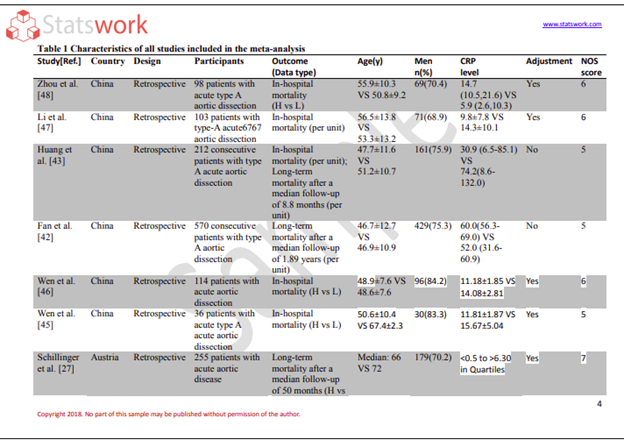
Data Analysis services
- Secondary Qualitative Research Services
- Secondary Quantitative Research Services
- Meta-Analysis Research services
- Sample Work
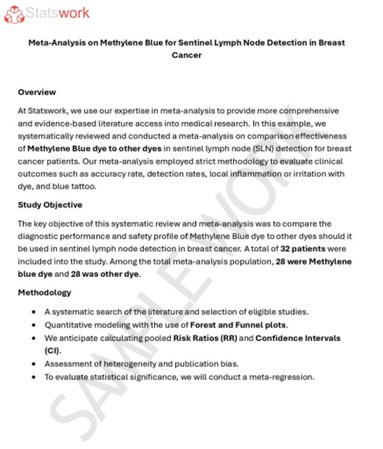
Meta-Analysis Research Services
- Data Collection Services
- Sample Work
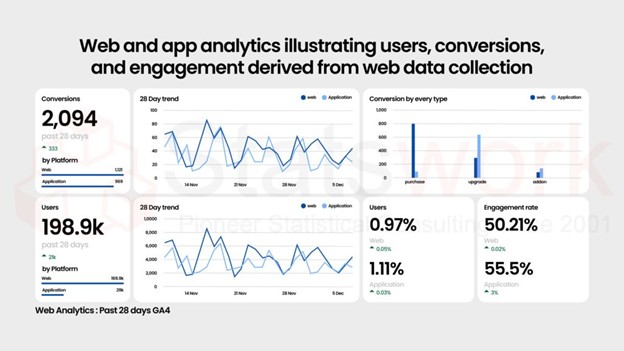
Data Collection Services
- Statistical & Biostatistics services
- Sample Work

Statistical Programming & Biostatistics services
- Data Management Services
- Sample Work
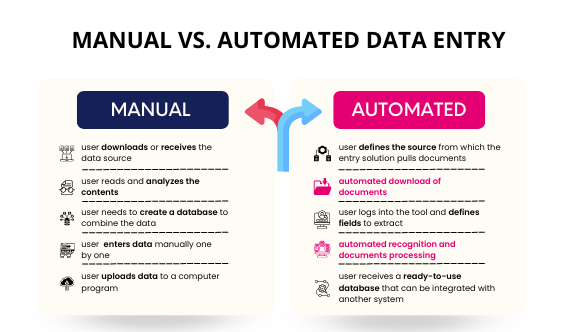
Data Management Services
- Research methodology services
- Sample Work
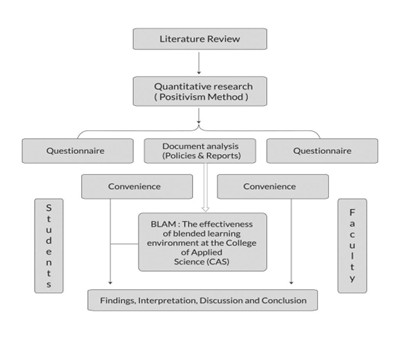
Research methodology services
- Tool Development Services
- Sample Work
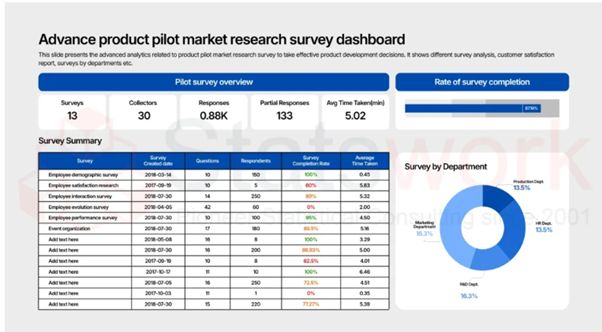
Tool development services
- Statistical Interpretation services
-
Statistical Interpretation services
- Sample Work
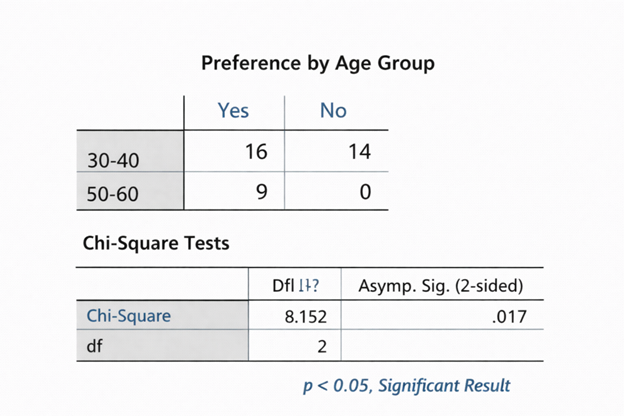
Statistical Interpretation services
-
- Sample Size Calculation Services
-
Sample Size Calculation Services
- Sample Work
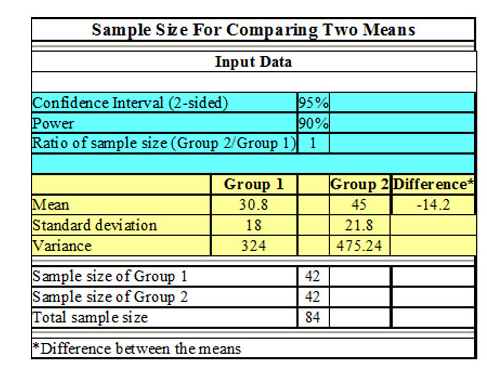
Sample Size Calculation Services
-
- AI & ML Services
-
Artificial Intelligence and Machine Learning Services
- Sample Work
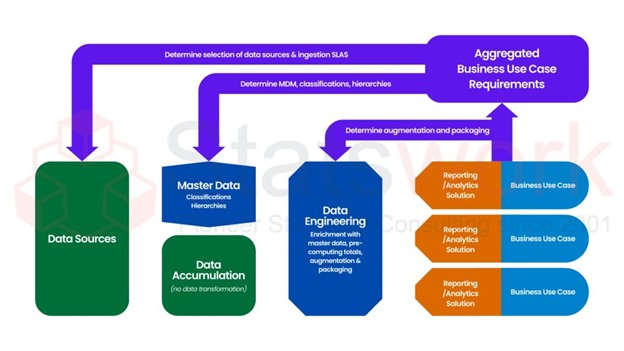
Artificial Intelligence and Machine Learning Services
-
- Meaningful Visualization Services
- Thought Leadership Services
- Report Generation Services
-
Report generation Service
- Sample Work
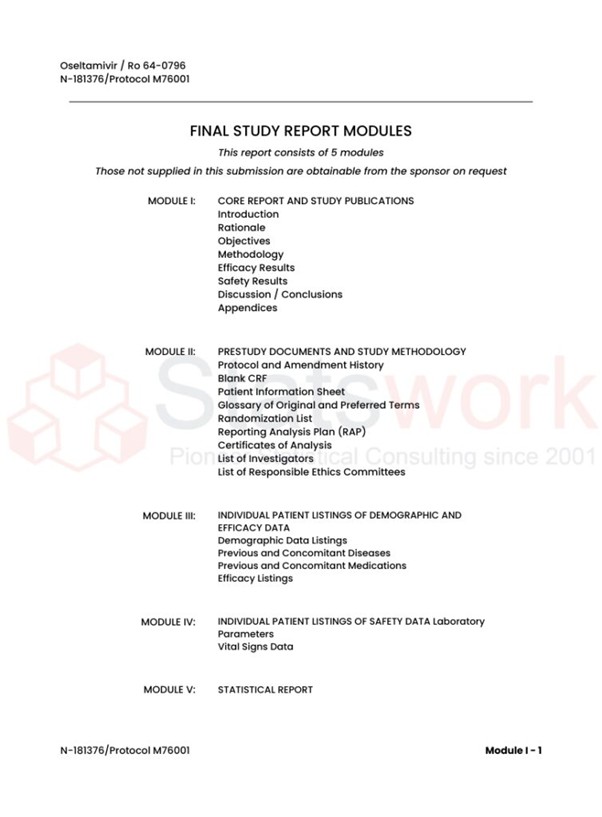
Report generation Services
-
- Data Analysis services
- Industries
- About Us
- Blog
- Insights
- Contact Us
- Services
- Data Analysis services
- Sample Work
Data Analysis services
- Secondary Qualitative Research Services
- Secondary Quantitative Research Services
- Meta-Analysis Research services
- Sample Work
Meta-Analysis Research Services
- Data Collection Services
- Sample Work
Data Collection Services
- Statistical & Biostatistics services
- Sample Work
Statistical Programming & Biostatistics services
- Data Management Services
- Sample Work
Data Management Services
- Research methodology services
- Sample Work
Research methodology services
- Tool Development Services
- Sample Work
Tool development services
- Statistical Interpretation services
-
Statistical Interpretation services
- Sample Work
Statistical Interpretation services
-
- Sample Size Calculation Services
-
Sample Size Calculation Services
- Sample Work
Sample Size Calculation Services
-
- AI & ML Services
-
Artificial Intelligence and Machine Learning Services
- Sample Work
Artificial Intelligence and Machine Learning Services
-
- Meaningful Visualization Services
- Thought Leadership Services
- Report Generation Services
-
Report generation Service
- Sample Work
Report generation Services
-
- Data Analysis services
- Industries
- About Us
- Blog
- Insights
- Contact Us
Standard Statistical Techniques Every Researcher Should Know
Qualitative Research Service
- Understanding the Role of Statistical Techniques in Research Analysis
- Descriptive Statistics: The First Step to Understanding Your Data
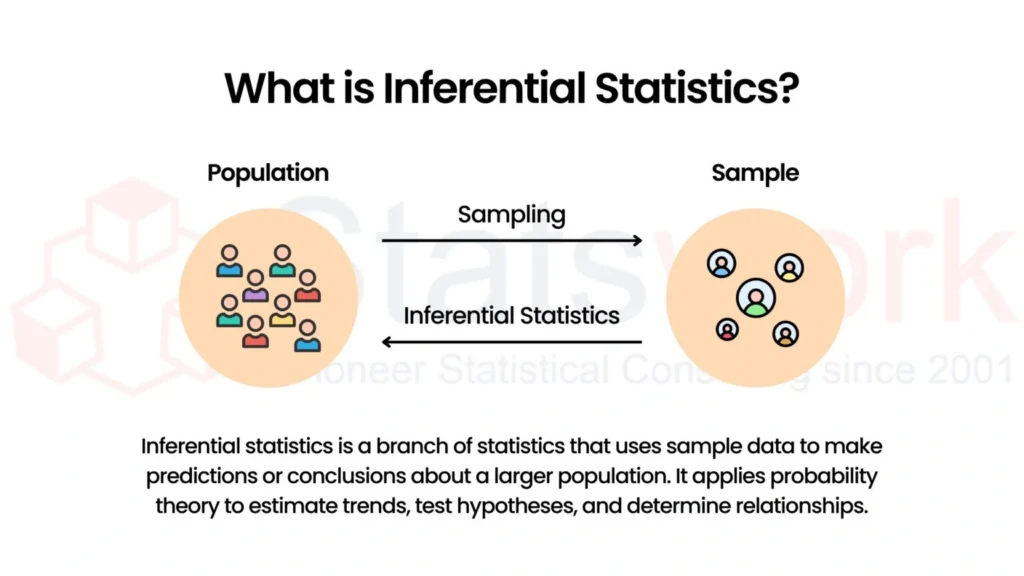
- Inferential Statistics: Drawing Conclusions from Research Data
- Hypothesis Testing: How Researchers Validate Their Assumptions
- Correlation and Regression: Identifying Relationships Between Variables
- ANOVA: Comparing Multiple Groups in Research Studies
- Common Statistical Errors and How Researchers Can Avoid Them
- Statistical Tools and Software Used in Modern Research
- Applying Statistical Knowledge to Improve Research Outcome
Recommended Reads
Contact us
Introduction
Standard statistical procedures are essential in the performance of accurate and precise research. Learning the statistical methods for research and various statistical tests used in research is important for better analysis of the data and arriving at conclusions from the analysis. These are the statistics used in research that play an important part in enhancing statistical analysis in the performance of the research and the use of effective statistics in the quantitative research methods.
Understanding the Role of Statistical Techniques in Research Analysis
Standard statistical techniques contribute to the enhancement of the accuracy and reliability of the research findings. Proper statistical methods adopted for research are supportive in three respects: data organization, interpretation, and evaluation. A set of commonly used statistical tests in research serves the purpose of seeking to identify patterns, establishing relationships, and showing differences within data sets; therefore, these are the essential statistics for researchers.
All these techniques of research data analysis techniques support effective decision-making and ensure the accuracy of statistical analysis in research. Statistical tools for researchers, coupled with well-planned quantitative research methods, make applied statistics an important constituent of strong and reliable research methodology statistics.
Descriptive Statistics: The First Step to Understanding Your Data
Descriptive statistics help in summarizing and organizing the data so that the data is easily interpreted regarding the pattern and trend that the data is following. These basic statistical analyses are the backbone of the statistical analysis used in the research.
- It comprises elements like mean, median, mode, and standard deviation that are used in statistics for research purposes.
- These data analysis techniques help to present the data in charts, tables, and graph formats for better understanding.
- Descriptive analysis is one of the most vital statistics for the researcher before using other complex tests.
- It supports an accurate approach to quantitative research methods with its clear overview of the data set.[2]
- Using these statistical tools for researchers will lead to better decisions and outcomes.
Inferential Statistics: Drawing Conclusions from Research Data
| Key Area | What Researchers Gain |
| Understanding Data | “Help researchers draw conclusions about a population based on information collected from samples.” |
| Decision Making | Supports informed decision making through the application of statistical techniques for research. |
| Common Techniques | Contains t-tests, ANOVA, regression, etc., which are commonly used statistical techniques in research. |
| Research Importance | Forms part of the essential statistics for researchers. [3] |
| Data Interpretation | Improves statistical analysis in the research process. |
| Application | Used widely in quantitative methods of research and statistics. |
Hypothesis Testing: How Researchers Validate Their Assumptions
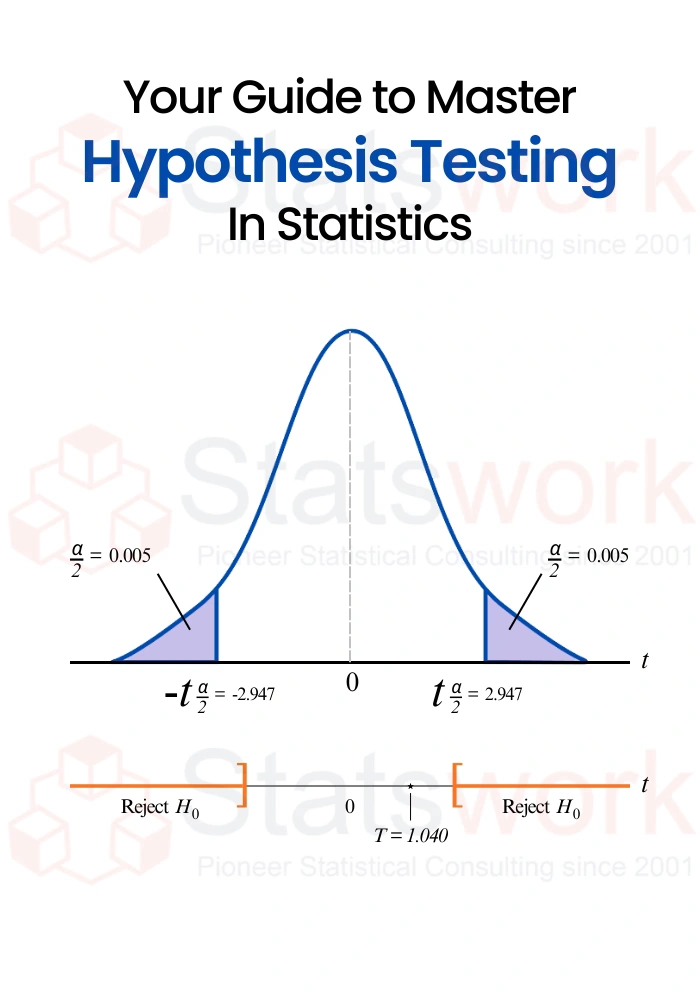
Hypothesis testing is one of the well-known techniques of statistical analysis, which helps in determining whether the assumption of the research is right or not. Hypothesis testing plays an important role in the statistical approach used for research.
- It entails the development of a null hypothesis and an alternative hypothesis within research methodology statistical concepts.
- It has often been found that tests like t-test, chi-square tests, ANOVA are used in hypothesis testing.[4]
- This approach forms the vital statistics that the researcher must be aware of to obtain correct results.
- It supports effective techniques of research data analysis and enhances statistical analysis in research.
- Hypotheses tested by hypothesis testing are common in quantitative research methods or statistical analysis applied in research to validate findings.
Correlation and Regression: Identifying Relationships Between Variables
| Component | Details |
| Overview | Correlation and regression are statistical procedures commonly employed to measure relationships among variables in research studies. |
| Correlation Analysis | It is the study of the strength and nature of relationships in statistical analysis in the research. |
| Regression Analysis | Apply statistical techniques in conducting research to forecast results based upon related data.[5] |
| Importance in Research | Regarded as one of the fundamental statistics to be grasped by researchers to comprehend the patterns in the data. |
| Role in Data Analysis | Improves research data analysis methods, enhancing accuracy during interpretation. |
| Practical Application | Used in quantitative research methods and applications of statistics in research and decision-making. |
ANOVA: Comparing Multiple Groups in Research Studies
ANOVA is one of the main standard statistical techniques for comparison between three or more groups in the research field. It provides appropriate statistical tests for accurate statistical analysis in the field of research. It is one of the most important sets of basic statistics that forms part of the quantitative research methodology for the application of statistics in the field of research.
Example: Comparing the performance of students taught using different teaching methods to determine if their average scores differ significantly.
Common Statistical Errors and How Researchers Can Avoid Them
Statistical error, in case it is not properly addressed, may result in inaccuracy and unreliability in the results obtained. By learning about common statistical tests in research mistakes, it is easier to apply standard techniques in statistical analysis.[4]
- Applying wrong statistical methods to research could result in wrong conclusions.
- Failure to factor in sample size and quality leads to variations in the application of data analysis techniques.
- The misinterpretation of p-values is a widely occurring phenomenon in most statistical tests carried out during research.
- Quantitative research is compromised by the absence of effective data visualization.
- Not using proper statistical tools for researchers might affect the accuracy of the analysis.
- Avoiding these mistakes will improve the credibility of applied statistics for research as well as research reliability itself.
Applying Statistical Knowledge to Improve Research Outcome
| Area | Description |
| Accurate Analysis | By using statistical techniques, researchers can analyze the data correctly. |
| Right Methods | The use of the right statistical methods by the researcher helps to ensure the accuracy and reliability of research results. |
| Data Handling | Well-developed techniques of research data analysis help improve the interpretation of results. |
| Research Tools | Assertion: The use of appropriate statistical tools strengthens the quality of the analysis. |
| Research Approach | Strong quantitative research methods will increase the quality of statistics used in research.[2] |
| Better Outcomes | Knowledge of applied statistics for research and research methodology statistics results in valuable research outcomes. |
Conclusion
Knowledge of standard statistical procedures and statistical methods of research assists in the accurate analysis of study results. Employing the appropriate data analysis techniques in research, accurate “quantitative research methods,” and “statistical tools for researchers” is essential to attain accurate “statistical analysis in research.”
Reference:
- Erceg-Hurn, D. M., & Mirosevich, V. M. (2008). Modern robust statistical methods: an easy way to maximize the accuracy and power of your research. American Psychologist, 63(7), 591.https://psycnet.apa.org/buy/2008-14338-002
- Mishra, P., Pandey, C. M., Singh, U., Keshri, A., & Sabaretnam, M. (2019). Selection of appropriate statistical methods for data analysis. Annals of cardiac anaesthesia, 22(3), 297-301.https://journals.lww.com/aoca/fulltext/2019/22030/selection_of_appropriate_statistical
- Sullivan, L. M., Weinberg, J., & Keaney Jr, J. F. (2016). Common statistical pitfalls in basic science research. Journal of the American Heart Association, 5(10), e004142.https://www.ahajournals.org/doi/full/10.1161/JAHA.116.004142