
- Services
- Data Analysis services
- Sample Work
Data Analysis services
- Secondary Qualitative Research Services
- Secondary Quantitative Research Services
- Meta-Analysis Research services
- Sample Work
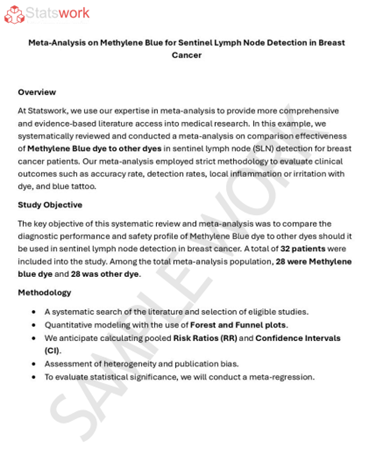
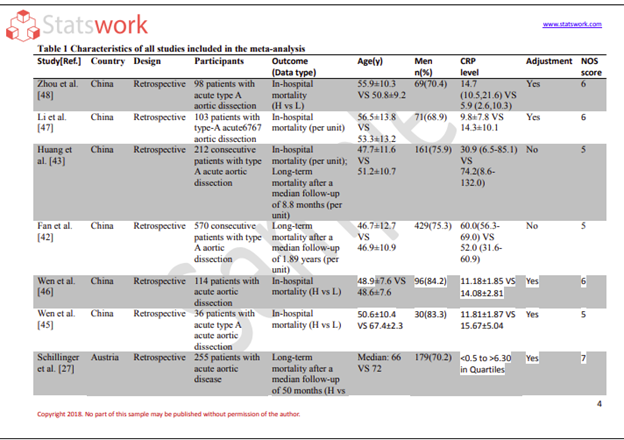
Meta-Analysis Research Services
- Data Collection Services
- Sample Work
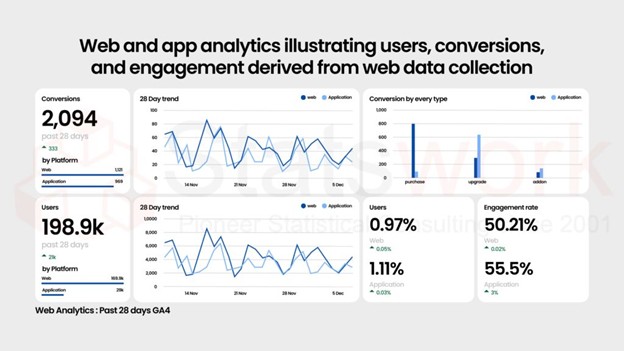
Data Collection Services
- Statistical & Biostatistics services
- Sample Work
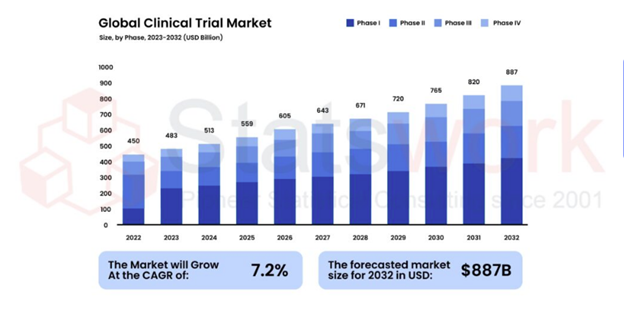
Statistical Programming & Biostatistics services
- Data Management Services
- Sample Work
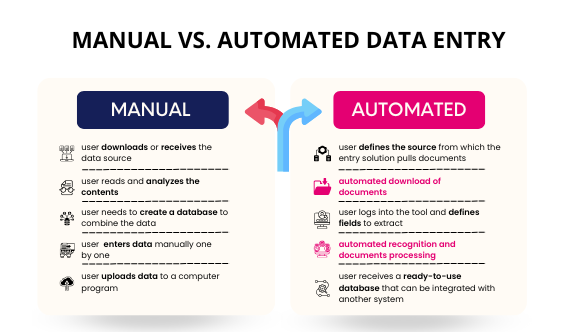
Data Management Services
- Research methodology services
- Sample Work
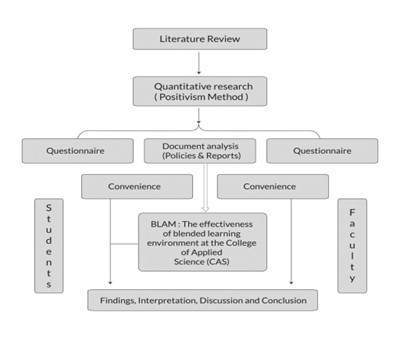
Research methodology services
- Tool Development Services
- Sample Work
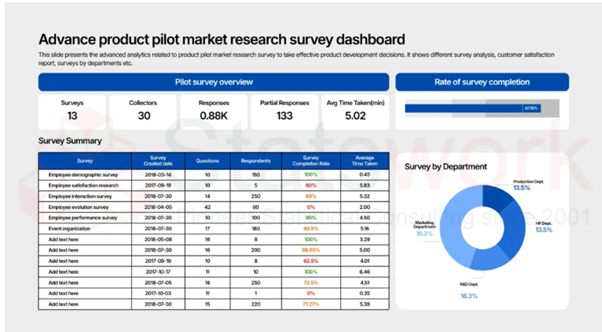
Tool development services
- Statistical Interpretation services
-
Statistical Interpretation services
- Sample Work
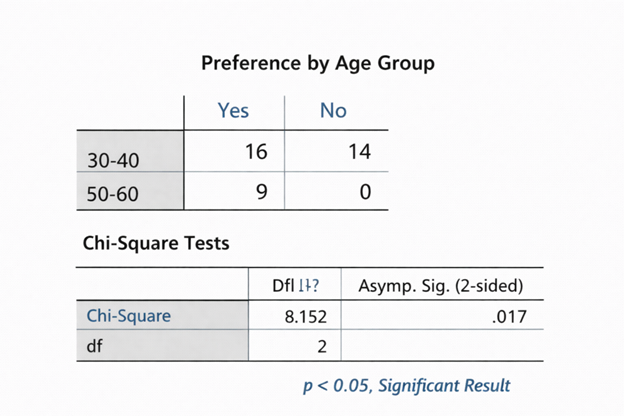
Statistical Interpretation services
-
- Sample Size Calculation Services
-
Sample Size Calculation Services
- Sample Work
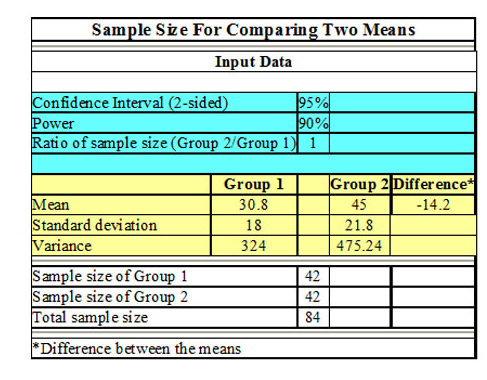
Sample Size Calculation Services
-
- AI & ML Services
-
Artificial Intelligence and Machine Learning Services
- Sample Work
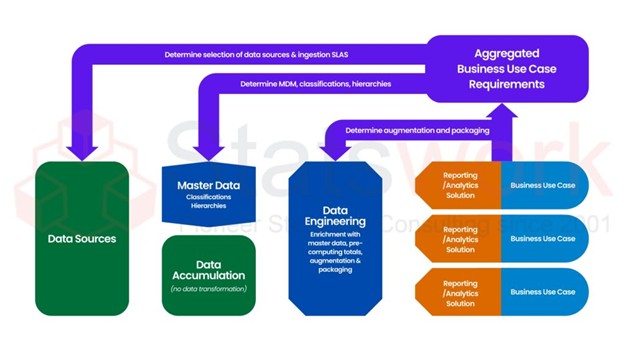
Artificial Intelligence and Machine Learning Services
-
- Meaningful Visualization Services
- Thought Leadership Services
- Report Generation Services
-
Report generation Service
- Sample Work
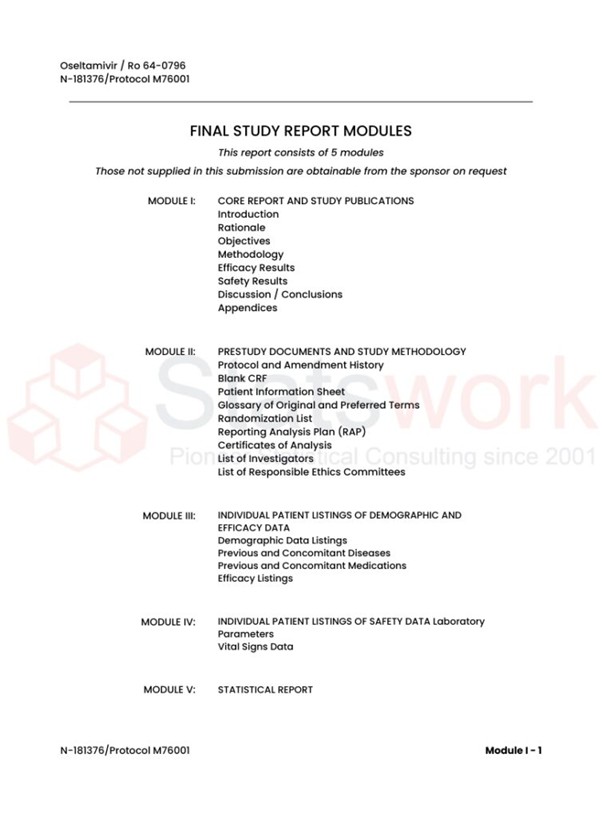
Report generation Services
-
- Data Analysis services
- Industries
- About Us
- Blog
- Insights
- Contact Us
- Services
- Data Analysis services
- Sample Work
Data Analysis services
- Secondary Qualitative Research Services
- Secondary Quantitative Research Services
- Meta-Analysis Research services
- Sample Work
Meta-Analysis Research Services
- Data Collection Services
- Sample Work
Data Collection Services
- Statistical & Biostatistics services
- Sample Work
Statistical Programming & Biostatistics services
- Data Management Services
- Sample Work
Data Management Services
- Research methodology services
- Sample Work
Research methodology services
- Tool Development Services
- Sample Work
Tool development services
- Statistical Interpretation services
-
Statistical Interpretation services
- Sample Work
Statistical Interpretation services
-
- Sample Size Calculation Services
-
Sample Size Calculation Services
- Sample Work
Sample Size Calculation Services
-
- AI & ML Services
-
Artificial Intelligence and Machine Learning Services
- Sample Work
Artificial Intelligence and Machine Learning Services
-
- Meaningful Visualization Services
- Thought Leadership Services
- Report Generation Services
-
Report generation Service
- Sample Work
Report generation Services
-
- Data Analysis services
- Industries
- About Us
- Blog
- Insights
- Contact Us
The Critical Role of Quantitative Data Analysis and Analytical Tools in Research
Qualitative Research Service
- From Raw Numbers to Research Insights: How Quantitative Analysis Works
- Why Modern Research Fails Without Strong Quantitative Foundations
- The Analytical Toolbox Every Researcher Should Know
- Statistical Techniques That Turn Data into Evidence
- Making Sense of Complexity: Data Visualization and Interpretation That Drives Decisions
- Common Quantitative Analysis Mistakes and How to Avoid Them
- Turning Analysis into Action: Building Skills for Data-Driven Research
News & Trends
Recommended Reads
Contact us
Introduction
In today’s world, which is guided by data, the credibility of research relies on the ability to provide both evidence and logic that can be tested, validated, and reproduced. In the various fields of research (medical/health, social science, business, and life sciences), quantitative research methods are crucial to transforming raw data into reliable evidence. Researchers can identify trends, evaluate results, and therefore make confident, data-driven decisions, aided by modern analytical technologies.[1]
From Raw Numbers to Research Insights: How Quantitative Analysis Works
Through Quantitative analysis in research, Researchers take raw numerical Data and create Insight that will assist in their Evidence-based Research. When researchers utilize structured Methods and Analytical Techniques, they discover Patterns, validate Hypotheses, and can make informed Decisions.
- Collect Structured Data: Collect accurate Numerical Data from various sources (Experiments, Surveys, Observations).
- Clean and Organize: Eliminate Errors and Inaccuracies from your Data before analysing it.
- Apply Analytical Techniques: Utilize research data analysis techniques, Correlations and Comparisons to showcase your Data Trends.
- Interpret Findings: Convert your analysed Data into clear Insight that answers to your Research Questions.
- Draw Evidence-Based Conclusions: Ensure that Outcomes are measurable, repeatable and provide reliable evidence for you to make informed Decisions.[1]
Why Modern Research Fails Without Strong Quantitative Foundations
The scientific method relies heavily on robust quantitative methodologies to create scientifically credible and reproducible research.
- Ensure Credibility: The more robust your quantitative analysis is, the more reliable and trustworthy your research outcome will be.
- Enable Reproducibility: By validating your research numerically, you enable other researchers to reproduce and verify your results.
- Reduce Bias: Careful analysis of quantitative data reduces the likelihood of subjective interpretation and error in reaching conclusions.
- Support Decision-Making: Statistical analysis in research is used for testing hypotheses, measuring uncertainty, and establishing significance for research studies.
- Enhance Research Impact: Appreciating the importance of quantitative data analysis in research builds confidence for all stakeholders, researchers, publishers, and decision-makers about the validity of your findings.[2]
The Analytical Toolbox Every Researcher Should Know
Today’s research requires efficiency and accuracy, and this is why analytical software has become an essential part of research. Choosing the appropriate data analysis tools for research depends on the complexity of the data and the research goal.
| Tool Category | Purpose in Research | Typical Use Cases |
| Spreadsheet Tools | Basic data handling and summaries | Small datasets, initial exploration |
| Statistical Software | Advanced statistical testing | Academic and clinical research |
| Programming-Based Tools | Custom analysis and automation | Large datasets, predictive modelling |
| Visualization Platforms | Data interpretation and reporting | Dashboards, presentations |
The analytical tool for research help in minimizing errors, saving time, and allowing the researcher to concentrate on analysis rather than calculations.[3]
Statistical Techniques That Turn Data into Evidence
Statistical methods provide the basis for sound research and enable the translation of unrefined data into accurate findings. The application of appropriate statistical methods enables the generation of valid and practical conclusions.
- Descriptive Statistics: Data can be summarized by using measures such as mean, median, and standard deviation to determine the overall trends.
- Inferential Methods: Regression analysis, hypothesis testing, and correlation analysis can be used to generate conclusions about a population based on sample data.
- Advanced Analysis: Advanced statistical tool for research can be used for multivariate analysis, forecasting, and risk analysis.
- Improve Decision-Making: These methods improve the link between mathematical outcomes and informed, research-driven decisions.
- Ensure Reliability: `The proper application of statistical methods improves the accuracy, reliability, and validity of research results.[4]
Making Sense of Complexity: Data Visualization and Interpretation That Drives Decisions
Large data sets can be hard to interpret without proper visualization and analysis. By integrating visualization with analysis, data can be interpreted into meaningful insights.
- Simplify Complex Data: Data visualization should be done using charts, graphs, and dashboards to effectively show data patterns.
- Enhance Understanding: Data visualization assists in interpreting large or complex data sets for all stakeholders.
- Support Communication: Data visualization can effectively communicate insights to both technical and non-technical stakeholders.
- Enable Actionable Insights: Data visualization, when integrated with quantitative data analysis services, assists in making informed decisions.
- Increase Research Impact: Proper interpretation of data ensures that the results of analysis are meaningful and actionable.[4]

Fig 1 shows how data visualization simplifies complex data to enable clear, data-driven decisions.
Common Quantitative Analysis Mistakes and How to Avoid Them
Despite the use of modern tools, errors in quantitative analysis can affect research results. Awareness and appropriate approaches are necessary to ensure accuracy and credibility.
| Mistake | How to Avoid |
| Poor Data Quality | Verify the accuracy, completeness, and consistency of data before analysis. |
| Wrong Statistical Methods | Employ proper approaches according to research objectives and statistical analysis in research. |
| Misinterpretation of Results | Analyse and present research results correctly to avoid misleading conclusions. |
| Neglecting Best Practices | Adhere to research data analysis techniques, such as data cleaning, validation, and consistency with research questions. |
| Ethical Oversights | Treat data responsibly to ensure trust, reproducibility, and credibility of research results.[ 5] |
Turning Analysis into Action: Building Skills for Data-Driven Research
- Acquire hands-on abilities to Implement Quantitative Concepts Practically.
- Follow the step-by-step guide to quantitative data analysis such as Preparing Data, Selecting Method, Using Tools, Interpreting, and Verifying Data.
- Use the Appropriate Analytical Tool for Research to Manage and Analyse Complex Data Representations Efficiently.
- Augment Internal Knowledge, Expertise, Resource Availability and/or Product Development with Quantitative Data Analysis Services as Necessary.
- Invest in Continual Development of Skills for Production of High Quality, Data-Based Outcomes from Research.
Conclusion
Data analysis and tools have become the need of the hour in research; they are no longer a choice. By using quantitative data analysis in research, doing proper statistical analysis in research, and using the right tools, one can have accurate, credible, and actionable research insights. The way ahead is clear: it is time to adopt structured research analysis, improve quantitative skills, and bring data-driven thinking into the research lifecycle.
Elevate your data to actionable insights with StatsWork’s expert quantitative analysis services.
Reference
- Sheard, J. (2018). Quantitative data analysis. Research Methods: Information, Systems, and Contexts,, 429-452. https://books.google.com/books?hl=en&lr=&id=GVPXDgAAQBAJ&oi=fnd&pg=PA429&dq=quantitative+data+analysis&ots=6U5X
- Cramer, D. (2003). Advanced quantitative data analysis. McGraw-Hill Education (UK). https://books.google.com/books?hl=en&lr=&id=4Wx5Pf9uPmcC&oi=fnd&pg=PP1&dq=quantitative+data+analysis&ots=o0Ipg
- Knezek, G. A., & Christensen, R. (2013). Tools for analyzing quantitative data. In Handbook of research on educational communications and technology(pp. 203-220). New York, NY: Springer New York. https://link.springer.com/chapter/10.1007/978-1-4614-3185-5_17
- Bryman, A., & Cramer, D. (2004). Quantitative data analysis with SPSS 12 and 13: A guide for social scientists. Routledge. https://www.taylorfrancis.com/books/mono/10.4324/9780203498187/quantitative-data-analysis-spss-12-13-alan-bryman-duncan-cramer
- Shockley, K. R. (2015). Quantitative high-throughput screening data analysis: challenges and recent advances. Drug discovery today, 20(3), 296-300. https://www.sciencedirect.com/science/article/pii/S1359644614004012