
- Services
- Data Analysis services
- Sample Work
Data Analysis services
- Secondary Qualitative Research Services
- Secondary Quantitative Research Services
- Meta-Analysis Research services
- Sample Work
Meta-Analysis Research Services
- Data Collection Services
- Sample Work
Data Collection Services
- Statistical & Biostatistics services
- Sample Work
Statistical Programming & Biostatistics services
- Data Management Services
- Sample Work
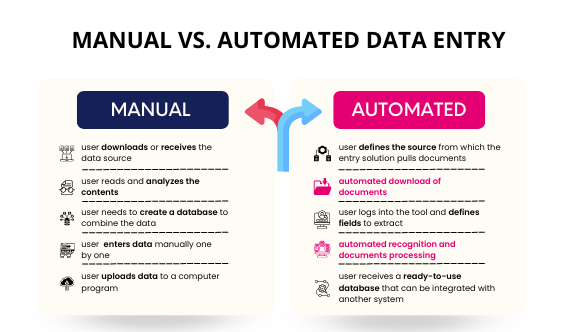
Data Management Services
- Research methodology services
- Sample Work
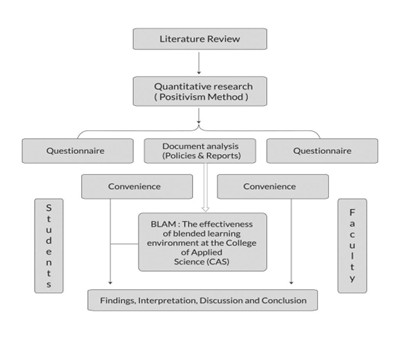
Research methodology services
- Tool Development Services
- Sample Work
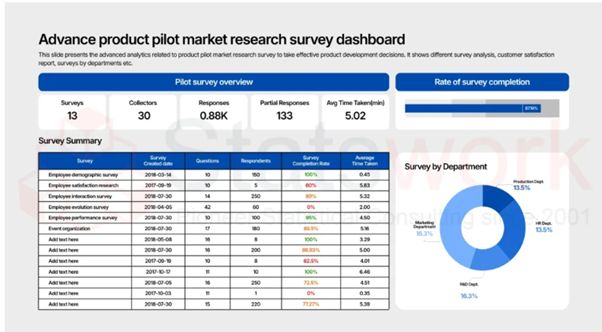
Tool development services
- Statistical Interpretation services
-
Statistical Interpretation services
- Sample Work
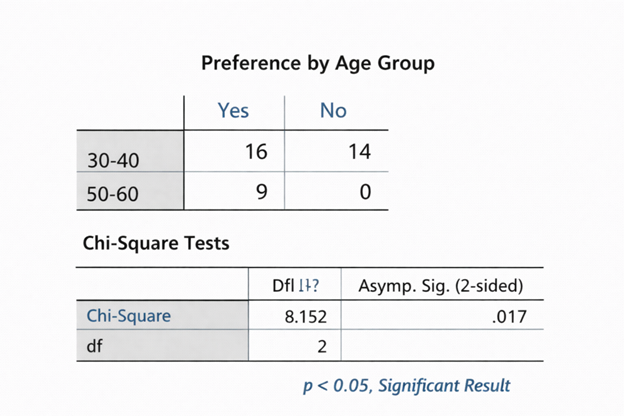
Statistical Interpretation services
-
- Sample Size Calculation Services
-
Sample Size Calculation Services
- Sample Work
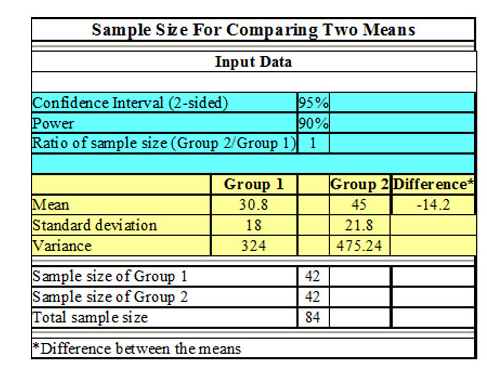
Sample Size Calculation Services
-
- AI & ML Services
-
Artificial Intelligence and Machine Learning Services
- Sample Work
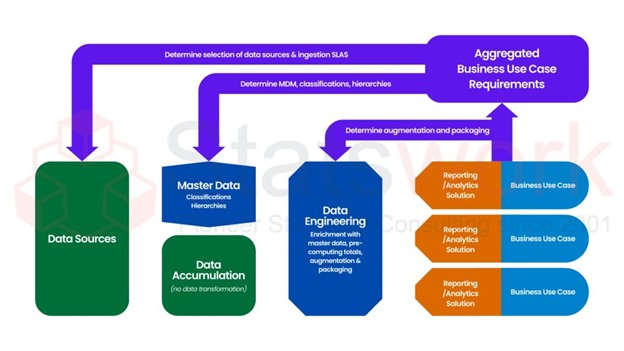
Artificial Intelligence and Machine Learning Services
-
- Meaningful Visualization Services
- Thought Leadership Services
- Report Generation Services
-
Report generation Service
- Sample Work
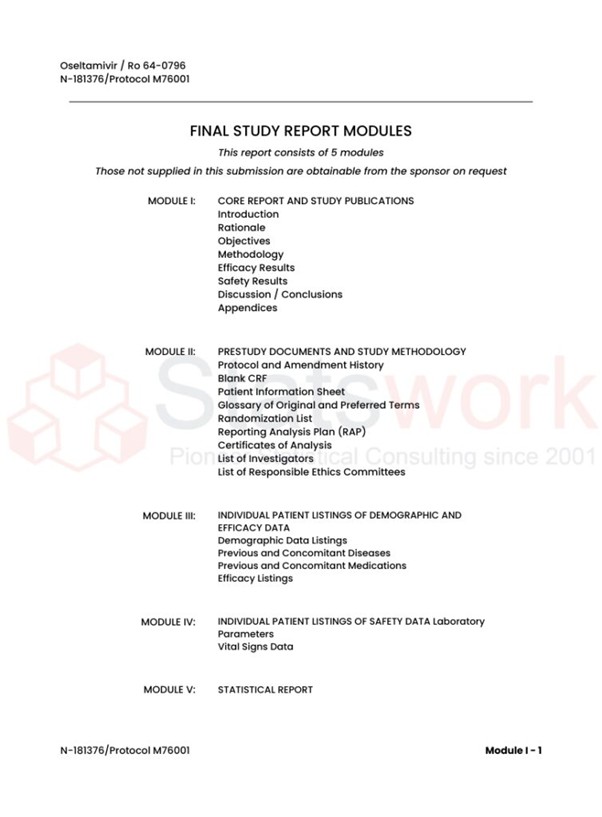
Report generation Services
-
- Data Analysis services
- Industries
- About Us
- Blog
- Insights
- Contact Us
- Services
- Data Analysis services
- Sample Work
Data Analysis services
- Secondary Qualitative Research Services
- Secondary Quantitative Research Services
- Meta-Analysis Research services
- Sample Work
Meta-Analysis Research Services
- Data Collection Services
- Sample Work
Data Collection Services
- Statistical & Biostatistics services
- Sample Work
Statistical Programming & Biostatistics services
- Data Management Services
- Sample Work
Data Management Services
- Research methodology services
- Sample Work
Research methodology services
- Tool Development Services
- Sample Work
Tool development services
- Statistical Interpretation services
-
Statistical Interpretation services
- Sample Work
Statistical Interpretation services
-
- Sample Size Calculation Services
-
Sample Size Calculation Services
- Sample Work
Sample Size Calculation Services
-
- AI & ML Services
-
Artificial Intelligence and Machine Learning Services
- Sample Work
Artificial Intelligence and Machine Learning Services
-
- Meaningful Visualization Services
- Thought Leadership Services
- Report Generation Services
-
Report generation Service
- Sample Work
Report generation Services
-
- Data Analysis services
- Industries
- About Us
- Blog
- Insights
- Contact Us
Struggling to Choose the Right Qualitative Data Analysis Method?
Meta Analysis Service
- Why Pharmaceutical Data Analytics Is Non-Negotiable for Modern Pharma Organizations
- Strategic Benefits of Data Analytics in the Pharmaceutical Industry
- Comparative Performance: Analytics vs. Traditional Approaches
- Core Applications of Data Analytics in Pharma
- Future Trajectory: Healthcare Analytics Innovation
- Bottom-Line Value: Why Pharma Leaders Prioritize Analytics Investments
- Conclusion: Data Analytics as a Competitive Imperative
Recommended Reads
Contact us
Summary:
The pharmaceuticals industry is now at an important point of inflection. Pharmaceutical data analytics has helped companies that are making these investments earn competitive advantages amounting to billions in revenues by way of quickening the process of developing drugs, efficient R&D expenses, and sound commercialization processes based on data. In this research, the effect of healthcare and predictive analytics on pharma industry is examined.
Why Pharmaceutical Data Analytics Is Non-Negotiable for Modern Pharma Organizations
The need for speed and accuracy in the international pharmaceutical industry is unparalleled. The role of data analytics in the pharmaceutical industry helps achieve this reality.
Important Business Reality: Companies who use data analytics in the pharmaceutical industry see improvements in the following areas:
- 30-40% time savings on clinical trials
- 25-35% increase in ROI from drug development
- 50%+ increase in regulatory submission accuracy
- Better forecast for product launches [1]
Strategic Benefits of Data Analytics in the Pharmaceutical Industry
1. Accelerated Drug Development Through Predictive Analytics
The process of data analysis in drug development helps companies to:
- Discover good candidates for molecules before undergoing expensive Phase II/III trials
- Project on which patients will respond positively to medication
- Limit expensive trial failures by early detection of risks
- Fine tune molecule selection according to real life effectiveness.
Results: Drug development timelines shortened from an average of 10-15 years down to 7-9 years.
2. Optimized Clinical Trial Performance
Data analytics in pharmaceuticals improves clinical trials results by:
- Stratification of patients with predictive models
- Adverse events tracking in real-time and risk management
- Improvement of protocols on interim data analyses
- Better patient recruiting and retention
3. Regulatory Compliance and Risk Management
Healthcare analytics services provide:
- Data quality checks on automated submission
- Risk-based approach to regulatory requirements identification
- Decreased number of audit findings and delays
- Shortened FDA and EMA approval processes [2]
4. Commercial Strategy Optimization
Pharmaceutical R&D and commercialization units are enabled by:
- Market demand forecasting for new drugs
- Intelligence regarding competitive landscape
- Behavioral insights into doctors and patients
- Territory/resource optimization
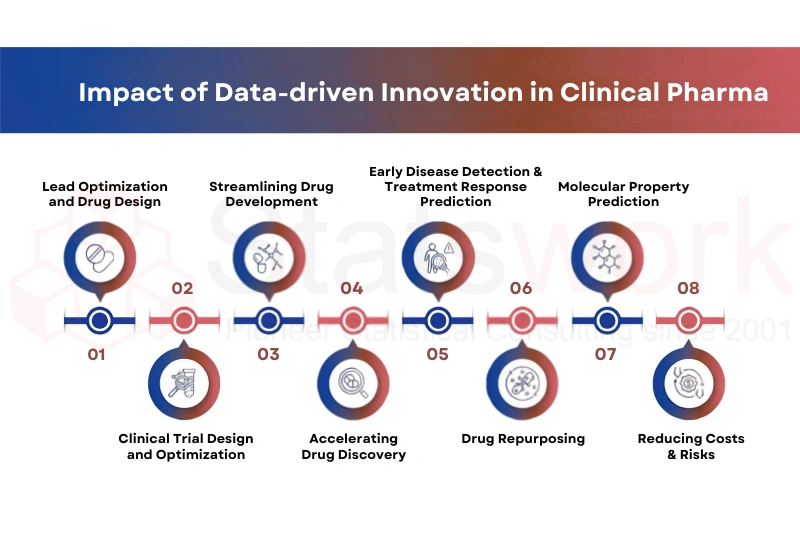
Comparative Performance: Analytics vs. Traditional Approaches
| Metric | Treatment Development Process (Pharmaceuticals) | Analytical Treatment Development Process |
| Duration of Drug Development Process | 10-15 years | 7-9 years |
| Success Rate of Clinical Trials | 8-15% | 20-28% |
| Time Required for Regulatory Approval | 18-24 months | 10-14 months |
| Development Costs Per Each Drug on Market | $2.6-3.5 billion | $1.8-2.4 |
| Duration of Drug Development Process | 10-15 years | 7-9 years |
Core Applications of Data Analytics in Pharma
Drug Development & Discovery
- Optimizing compound library screening
- Target identification & validation
- Biomarker-based drug discovery pathways
- Predictive toxicology models
Clinical Research Excellence
- Cohort patient selection & matching
- Adverse events prediction & prevention
- Comparative effectiveness
- Real world evidence
Growth Drivers for the Pharma Industry
- Launch readiness assessment
- Market penetration forecasting
- Pricing optimization
- Lifecycle management analytics [3]
Addressing Implementation Challenges
| Issue | Solution | Business Impact |
| Complexity of Data Integration | Cloud-based analytics software with API support | Ability to create integrated data environment |
| Data Security for Regulatory Purposes | HIPAA/GDPR compliant systems with encryption techniques | Mitigation of risks |
| Lack of Skills in the Team | Partnering with pharmaceutical analytics specialists | Avoidance of overhead costs when accessing expertise |
| Constraints of Legacy Systems | Stepwise system modernization with interoperable layers | Enhancement of capabilities continuously |
Future Trajectory: Healthcare Analytics Innovation
Emerging Trends Reshaping Pharmaceutical Data Analytics
1. AI-Powered Drug Discovery
Machine learning driving molecule design
Deep learning enhancing clinical trials design
Literature mining using natural language processing
2. Real-World Data Inclusion
EHRs collection for post-market drug monitoring
Product strategy based on patient registry analysis
Outcome metrics using wearable devices data
3. Personalized Medicine Development
Utilization of genomic data for personalized medicine
Integration of pharmacogenomics into trials design
Biomarker-based patient selection optimization [2]
Bottom-Line Value: Why Pharma Leaders Prioritize Analytics Investments
Companies that have put in place pharmaceutical analytics see benefits such as:
- Revenues: 15-25% margin improvement for marketed products
- Time to market: 40% faster go-to-market process
- Reduced risk: 50% fewer regulatory submissions that need resubmission
- Competitive edge: First mover advantage in developing therapies
- Recruitment: Attracting talent through innovative reputation
Strategic Recommendations for Pharmaceutical Executives
- Creating a specialized governance framework for analytics and having senior-level involvement.
- Buying integrated technology that provides timely and real-time insights.
- Hiring pharmaceutical analytics experts from partners or internal employees.
- Beginning pilot projects in most valuable therapeutic areas.
- Incentives coordination in R&D, commercial and regulatory departments for data driven decision making [3].
Conclusion: Data Analytics as a Competitive Imperative
The future of the pharmaceutical industry rests on the companies which are smart enough to utilize pharmaceutical data analytics for making better decisions, accelerating research, optimizing resources, and handling increased regulatory requirements. With drug discovery becoming more complex by the day, the use of analytics solutions is becoming an imperative for the healthcare industry rather than just being a competitive advantage.
The question is no longer whether pharmaceutical companies need to use data analytics or not, but how will they be able to do that and get results. Statswork offers the assistance of experienced data analysts and statisticians to help the pharmaceutical and healthcare industries use their complex data to derive insights.
Ready to turn pharmaceutical data into actionable insights? Reach out to Statswork today and get expert analytics support tailored to your research and business objectives.
Frequently Asked Questions (FAQs)
Data analytics in the pharmaceutical industry involves analysing research, clinical, commercial, and operational data to identify patterns and generate actionable insights. It supports drug development, clinical research, forecasting, risk management, and evidence-based decision-making.
Data analytics helps researchers analyse compound data, identify potential drug targets, evaluate biomarkers, and prioritise promising candidates. Predictive models can also support early assessment of efficacy and toxicity, helping researchers make more informed development decisions.
Predictive analytics can support patient selection, recruitment, retention, and risk identification during clinical trials. By analysing available clinical data, researchers can identify patterns that may help improve trial planning, monitor potential adverse events, and support more efficient decision-making.
Pharmaceutical data analytics is applied across drug discovery, clinical trials, real-world evidence, regulatory activities, market forecasting, pricing, and lifecycle management. It can also support patient stratification, adverse-event analysis, predictive toxicology, and commercial strategy.
Data analytics can help pharmaceutical organisations improve data quality, identify potential risks, monitor regulatory information, and support accurate reporting. Analytics can also strengthen audit readiness and help teams identify inconsistencies or issues before regulatory submissions.
References:
- Suriyaamporn, P., Pamornpathomkul, B., Ngawhirunpat, T., Akkaramongkolporn, P., & Opanasopit, P. (2026). The future trends of artificial intelligence and innovative technologies in the new era of pharmaceutical sciences and industry 4.0. Drug development and industrial pharmacy, 52(2), 183-196. https://www.tandfonline.com/doi/abs
- Herdiana, Y., Mohammed, A. F. A., Kautsar, A. P., Sopyan, I., & Wathoni, N. (2026). Artificial intelligence as a disruptive force in pharmaceutical innovation: transforming discovery, development, and manufacturing. Drug Design, Development and Therapy, 588295. https://www.tandfonline.com/doi/full
- Al-Nuimat, S. S., Al-Zu’bi, Z. B. M., & Abdallah, A. B. (2026). How does big data analytics drive supply chain resilience in pharmaceuticals? Exploring the roles of supply chain risk and ambidexterity. Logistics, 10(1), 14. https://www.mdpi.com/2305-6290/10/1/14