
- Services
- Data Analysis services
- Sample Work
Data Analysis services
- Secondary Qualitative Research Services
- Secondary Quantitative Research Services
- Meta-Analysis Research services
- Sample Work
Meta-Analysis Research Services
- Data Collection Services
- Sample Work
Data Collection Services
- Statistical & Biostatistics services
- Sample Work
Statistical Programming & Biostatistics services
- Data Management Services
- Sample Work
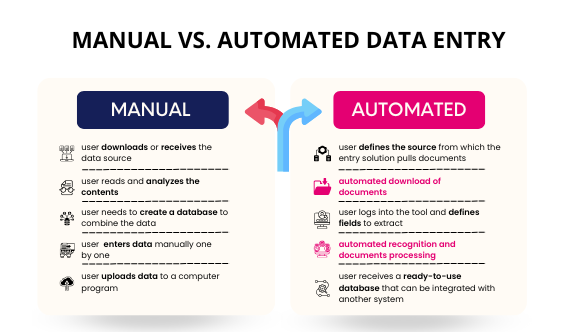
Data Management Services
- Research methodology services
- Sample Work
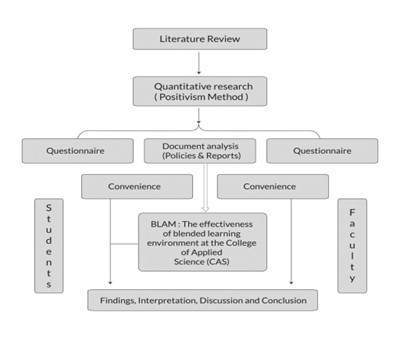
Research methodology services
- Tool Development Services
- Sample Work
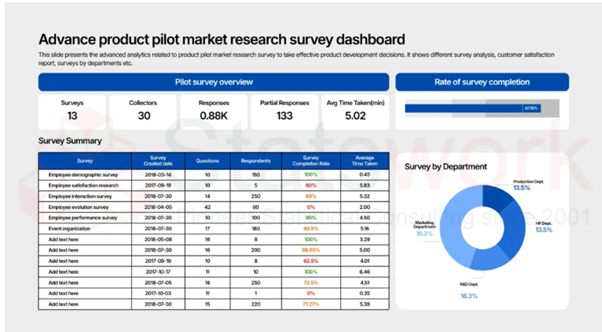
Tool development services
- Statistical Interpretation services
-
Statistical Interpretation services
- Sample Work
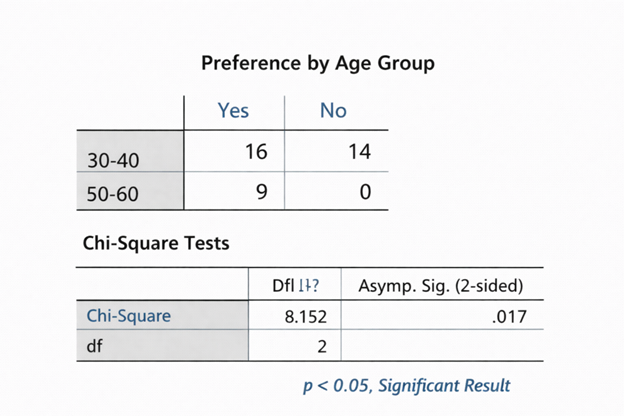
Statistical Interpretation services
-
- Sample Size Calculation Services
-
Sample Size Calculation Services
- Sample Work
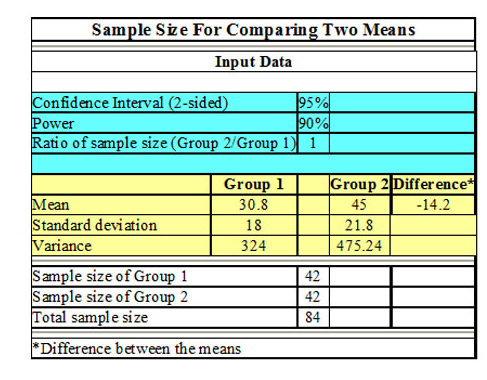
Sample Size Calculation Services
-
- AI & ML Services
-
Artificial Intelligence and Machine Learning Services
- Sample Work
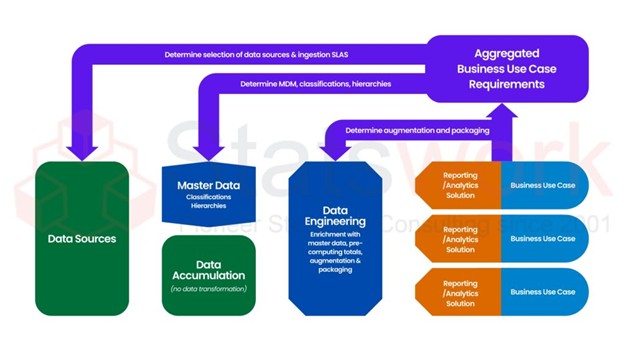
Artificial Intelligence and Machine Learning Services
-
- Meaningful Visualization Services
- Thought Leadership Services
- Report Generation Services
-
Report generation Service
- Sample Work
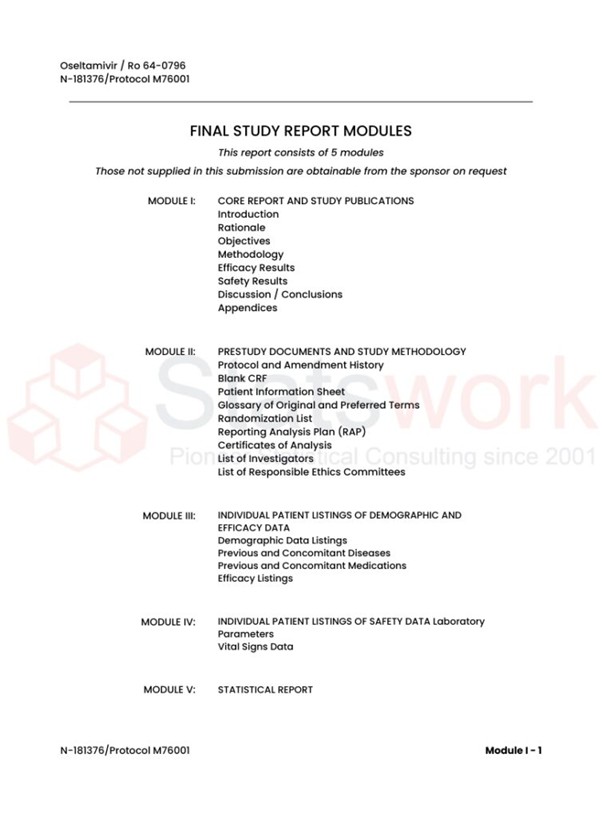
Report generation Services
-
- Data Analysis services
- Industries
- About Us
- Blog
- Insights
- Contact Us
- Services
- Data Analysis services
- Sample Work
Data Analysis services
- Secondary Qualitative Research Services
- Secondary Quantitative Research Services
- Meta-Analysis Research services
- Sample Work
Meta-Analysis Research Services
- Data Collection Services
- Sample Work
Data Collection Services
- Statistical & Biostatistics services
- Sample Work
Statistical Programming & Biostatistics services
- Data Management Services
- Sample Work
Data Management Services
- Research methodology services
- Sample Work
Research methodology services
- Tool Development Services
- Sample Work
Tool development services
- Statistical Interpretation services
-
Statistical Interpretation services
- Sample Work
Statistical Interpretation services
-
- Sample Size Calculation Services
-
Sample Size Calculation Services
- Sample Work
Sample Size Calculation Services
-
- AI & ML Services
-
Artificial Intelligence and Machine Learning Services
- Sample Work
Artificial Intelligence and Machine Learning Services
-
- Meaningful Visualization Services
- Thought Leadership Services
- Report Generation Services
-
Report generation Service
- Sample Work
Report generation Services
-
- Data Analysis services
- Industries
- About Us
- Blog
- Insights
- Contact Us
What Are Data Analysis Services: A Complete Guide for Research and Business
Qualitative Research Service
- What Are Data Analysis Services?
- Types of Data Analysis: Quantitative, Qualitative, and Statistical Analysis
- Data Cleaning and Research Reporting in Data Analysis Services
- How Data Analysis Improves Research and Academic Outcomes
- Data Analysis Services for Healthcare Research
- Data Analysis Services for Business Projects
- When and Why to Use Professional Analytics Services
- Conclusion
Recommended Reads
Contact us
Introduction
In the current data-driven era, unprocessed data needs to be converted into valuable insights. Data analysis services and professional data analysis services can be used for this purpose through data cleaning, statistical analysis, quantitative analysis, qualitative analysis, and research reporting.
Knowing what data analysis services are and how data analysis can enhance research is critical for obtaining accurate results. This may range from data analysis services in healthcare research to data analysis services in business research [1].
What Are Data Analysis Services?
Data analysis services are professional services that assist researchers and organizations in analyzing and interpreting data to create valuable insights. Rather than working with data, professionals use structured approaches to convert complex data into meaningful results.
Data analysis services involve data cleaning, statistical analysis, quantitative analysis, qualitative analysis, and research reporting. The purpose of these services is to enhance accuracy and minimize errors [2].
Data analysis services can be used in academic research, data analysis services for healthcare research, and data analysis services for business research. These services enable organizations to better understand their data and make informed decisions.
Types of Data Analysis: Quantitative, Qualitative, and Statistical Analysis
| Type of Analysis | Definition | Function of Statistical Analysis |
| Quantitative Analyses | Analyze numeric data to assess correlation and/or trend relationships | Used extensively in Data Analysis Service for business-based projects and in Data Analysis Service, specifically for research in the health sector where results are based on numerical data. |
| Qualitative Analyses | Analyze ABA style (no numeric) type of data to obtain client, consumer or customer opinions and behaviors | Uses Qualitative Analysis as a second-tier non-numeric added value to quantitative analyses. |
| Statistical Analyses | Using statistical processes derived from mathematics to assess descriptive statistics and test hypotheses | Provides a critical component in Data Analysis and Analytics Services and ensures quality and robustness of the data and final research report results. |
Data Cleaning and Research Reporting in Data Analysis Services
Data cleaning and research reporting are essential components of professional data analysis services. They ensure that the raw data being processed is accurate, ordered, and in a format that can be used to make sound decisions [4].
Data Cleaning:
- Discovering and correcting mistakes, missing data, and inconsistencies within large datasets
- Preparing data for statistical, quantitative, and qualitative analysis
- Increasing the reliability of data and demonstrating how to improve research outcomes through data analysis
Research Reporting:
- Providing researchers with a simple way to present their findings using summaries, graphics, and other means
- Allowing researchers to turn their findings into insights through use of professional analytical services [5].
- Supporting those that use data analysis services to make decisions about healthcare or related business projects.
The Role of Heterogeneity Testing and Bias Assessment
The use of Heterogeneity Tests and Bias Assessment is essential in Meta-Analysis to ensure that the statistical results from the Meta-Analysis are accurate and trustworthy. These tests confirm that the effect size from the Meta-Analysis represents evidence that is reliable.
- Heterogeneity is measured with Cochran’s Q Test, I² and Tau-squared (τ²).
- These Statistical techniques will provide information about variability among individual studies included in the Meta-Analysis [5].
- The use of statistical techniques allows researchers to have confidence in the validity of their findings when conducting Meta-Analyses.
Advanced Statistical Techniques: Subgroup Analysis and Meta-Regression
Advanced statistical techniques in conducting meta-analysis studies enable the exploration of the variation in the pooled results.
| Technique | Purpose | Importance |
| Subgroup Analysis | To divide the studies into groups and calculate the effect size for each | To find the sources of variation |
| Meta-Regression | To find the influence of the studies on the results | To find the variation in the results |
| Software Tools | To use statistical tools for conducting meta-analysis studies using programming languages like R and Stata | To ensure accurate and reliable results |
How Data Analysis Improves Research and Academic Outcomes
Data analysis improves the accuracy, validity, and results of research. Professional data analysis services and analytics services assist in converting raw data into valid research findings.
- Increases accuracy by using proper data cleaning, statistical analysis, quantitative analysis, and qualitative analysis.
- Removes biases and increases the validity of research.
- Supports clear and professional research reporting
- Explains how data analysis can improve research by assisting in making informed academic decisions.

Data Analysis Services for Healthcare Research
| Service Area | Description | Benefit |
| Clinical Data Analysis | Uses statistical analysis and quantitative analysis on clinical data. | Supports accurate treatment evaluation and medical decisions. |
| Public Health Analysis | Apply professional data analysis services to population data. | Identifies health trends and risk factors. |
| Biostatistical Support | Advanced modeling through analytics services [2]. | Improves research validity. |
| Data Cleaning & Research Reporting | Prepares and presents healthcare data clearly. | Ensures accuracy and reliable outcomes. |
These data analysis services for healthcare research enhance accuracy and enable evidence-based healthcare decisions.
Data Analysis Services for Business Projects
Business data analysis services assist companies in converting unprocessed data into valuable insights by leveraging expert data analysis services.
- Market Analysis: It applies both quantitative analysis and qualitative analysis to determine customer trends.
- Financial & Risk Analysis: It applies statistical analysis to measure performance and predict growth.
- Operational Improvement: It applies data analysis to improve efficiency.
- Data Cleaning & Research Reporting: It provides accurate data and insights for decision-making [4].
When and Why to Use Professional Analytics Services
| Aspect | Summary |
| When to Use | For complex datasets, advanced statistical analysis, proper data cleaning, and projects like data analysis services for healthcare research or data analysis services for business projects. |
| Why to Use | To improve accuracy, reduce errors, enhance research reporting, and demonstrate how data analysis improves research through expert analytics services. |
Conclusion:
Professional data analysis services and analytics services help convert raw data into credible insights by using data cleaning, statistical analysis, quantitative analysis, qualitative analysis, and research reporting [5].
Data analysis services for healthcare research or data analysis services for business projects help demonstrate how data analysis helps in research and makes credible decisions based on data.
Reference:
- Sun, Z., Sun, L., & Strang, K. (2018). Big data analytics services for enhancing business intelligence. Journal of Computer Information Systems, 58(2), 162-169.https://www.tandfonline.com/doi/abs/10.1080/08874417.2016.1220239
- Jones, S., Pryor, G., & Whyte, A. (2013). How to Develop Research Data Management Services-a guide for HEIs.https://www.dcc.ac.uk/sites/default/files/documents/publications/How-to-develop-RDM-services_finalMay2013rev.pdf
- Watson, H. J. (2014). Tutorial: Big data analytics: Concepts, technologies, and applications. Communications of the Association for Information Systems, 34(1), 65.k https://aisel.aisnet.org/cais/vol34/iss1/65/
- Mariani, M. M., & Wamba, S. F. (2020). Exploring how consumer goods companies innovate in the digital age: The role of big data analytics companies. Journal of Business Research, 121, 338-352.https://www.sciencedirect.com/science/article/abs/pii/S0148296320305956