
- Services
- Data Analysis services
- Sample Work
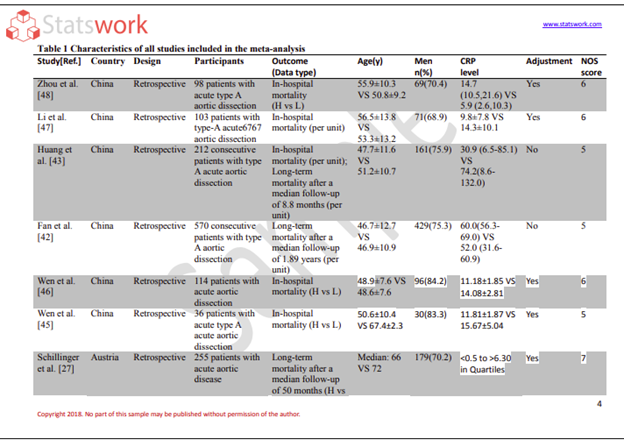
Data Analysis services
- Secondary Qualitative Research Services
- Secondary Quantitative Research Services
- Meta-Analysis Research services
- Sample Work
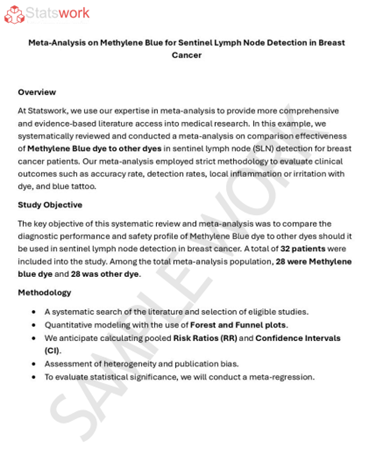
Meta-Analysis Research Services
- Data Collection Services
- Sample Work
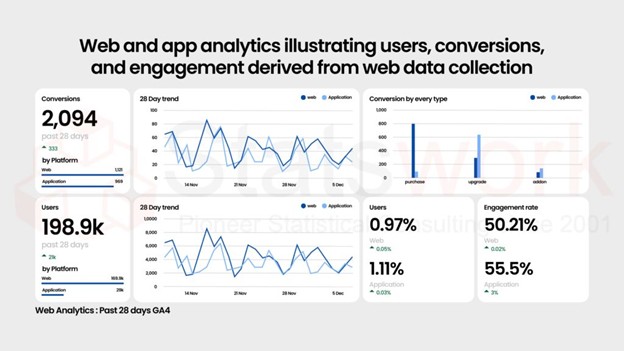
Data Collection Services
- Statistical & Biostatistics services
- Sample Work
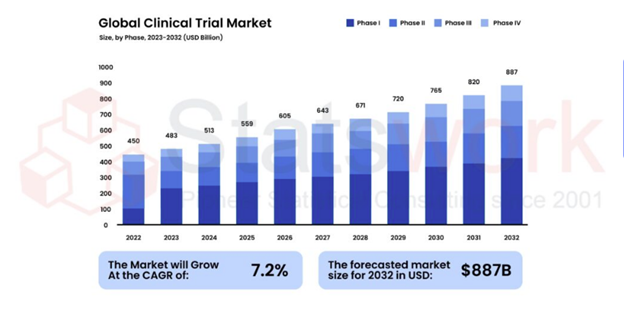
Statistical Programming & Biostatistics services
- Data Management Services
- Sample Work
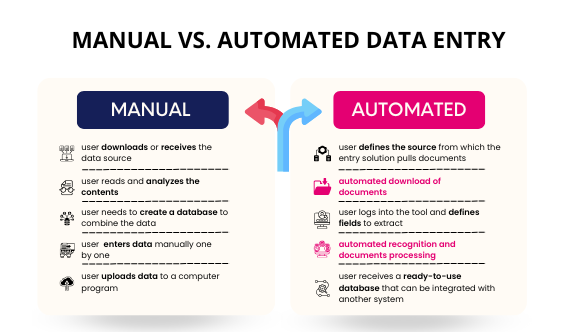
Data Management Services
- Research methodology services
- Sample Work
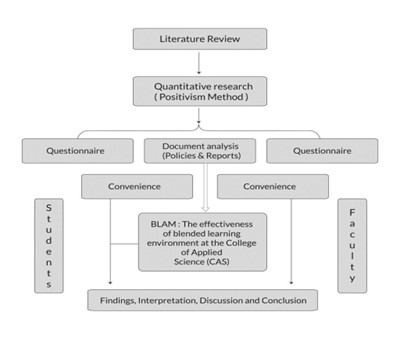
Research methodology services
- Tool Development Services
- Sample Work
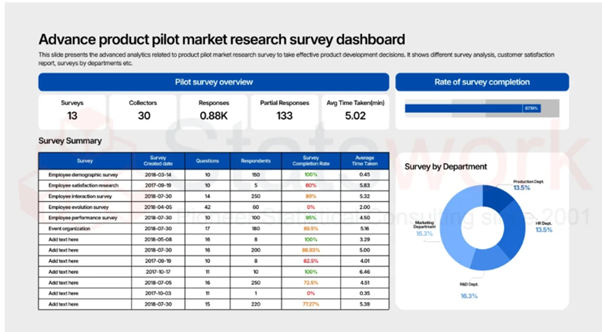
Tool development services
- Statistical Interpretation services
-
Statistical Interpretation services
- Sample Work
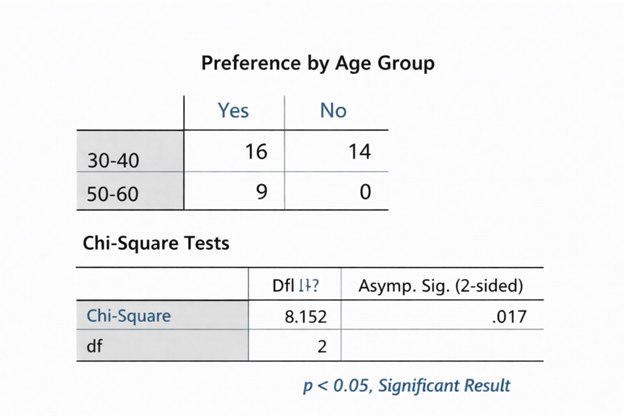
Statistical Interpretation services
-
- Sample Size Calculation Services
-
Sample Size Calculation Services
- Sample Work
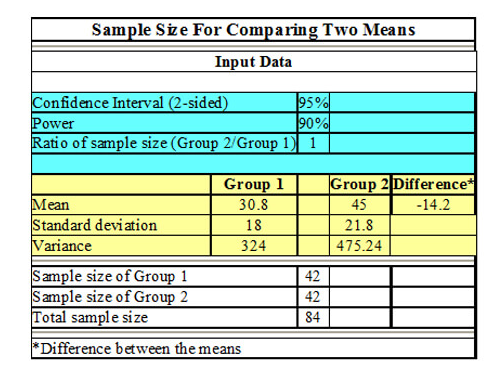
Sample Size Calculation Services
-
- AI & ML Services
-
Artificial Intelligence and Machine Learning Services
- Sample Work
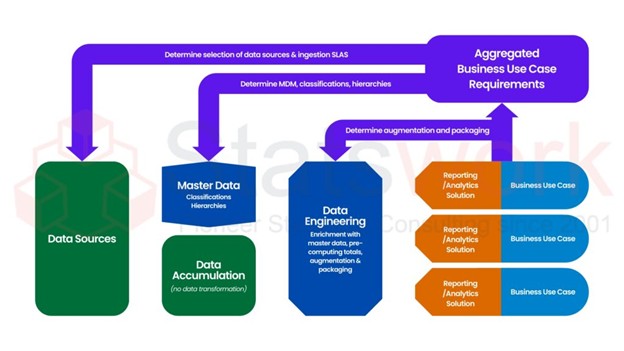
Artificial Intelligence and Machine Learning Services
-
- Meaningful Visualization Services
- Thought Leadership Services
- Report Generation Services
-
Report generation Service
- Sample Work
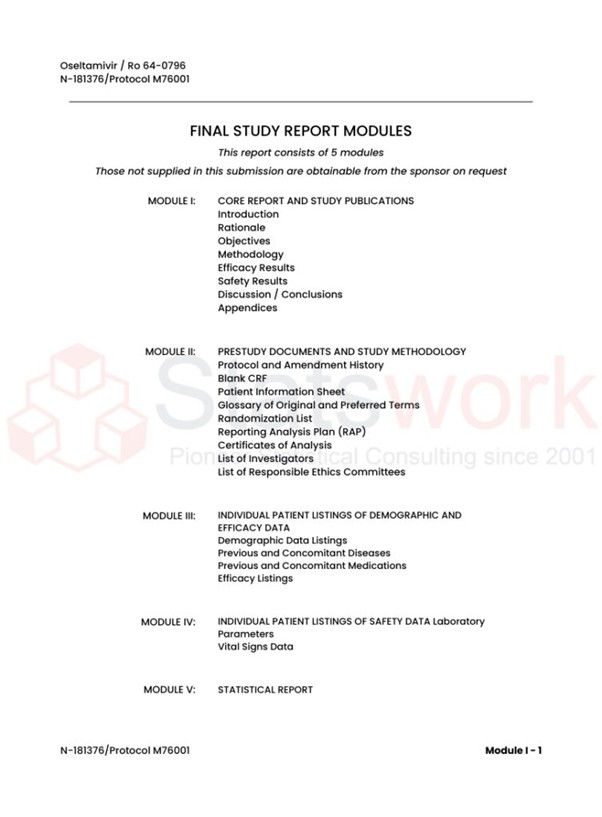
Report generation Services
-
- Data Analysis services
- Industries
- About Us
- Blog
- Insights
- Contact Us
- Services
- Data Analysis services
- Sample Work
Data Analysis services
- Secondary Qualitative Research Services
- Secondary Quantitative Research Services
- Meta-Analysis Research services
- Sample Work
Meta-Analysis Research Services
- Data Collection Services
- Sample Work
Data Collection Services
- Statistical & Biostatistics services
- Sample Work
Statistical Programming & Biostatistics services
- Data Management Services
- Sample Work
Data Management Services
- Research methodology services
- Sample Work
Research methodology services
- Tool Development Services
- Sample Work
Tool development services
- Statistical Interpretation services
-
Statistical Interpretation services
- Sample Work
Statistical Interpretation services
-
- Sample Size Calculation Services
-
Sample Size Calculation Services
- Sample Work
Sample Size Calculation Services
-
- AI & ML Services
-
Artificial Intelligence and Machine Learning Services
- Sample Work
Artificial Intelligence and Machine Learning Services
-
- Meaningful Visualization Services
- Thought Leadership Services
- Report Generation Services
-
Report generation Service
- Sample Work
Report generation Services
-
- Data Analysis services
- Industries
- About Us
- Blog
- Insights
- Contact Us
How Do You Search German, French and Italian Swiss Literature Without Introducing Language Bias into Your Meta-Analysis?
Meta Analysis Services
Recommended Reads
Contact us
Summary
Swiss healthcare meta-analyses can miss relevant evidence when searches rely on English terminology or overlook German-, French- and Italian-language publications. A reproducible strategy combines translated concepts, suitable databases, regional sources, citation searching and documented screening. Sensitivity analyses then assess whether additional studies change pooled effects, uncertainty, heterogeneity or conclusions relevant to Swiss healthcare decisions.
Switzerland’s multilingual environment creates an evidence-synthesis challenge: relevant studies may use different languages, terminology and publication channels. English-only retrieval can reduce coverage, but an incomplete search does not prove language bias. Bias is a concern when language-related publication or selection patterns influence included evidence and potentially the estimated effect. [6,7]
Distinguish retrieval gaps from language bias
Define eligible populations, interventions, comparators, outcomes, study designs and publication criteria before searching. Do not exclude studies solely because they are written in German, French or Italian unless a justified restriction is prespecified.
Three issues should remain distinct:
- Retrieval gap: eligible studies are not found.
- Selection bias: records are excluded inconsistently or because of language.
- Potential language bias: language-related publication or inclusion patterns may influence the synthesis.
Broader searching addresses retrieval; consistent eligibility rules address selection; sensitivity analyses assess whether additional evidence changes conclusions.
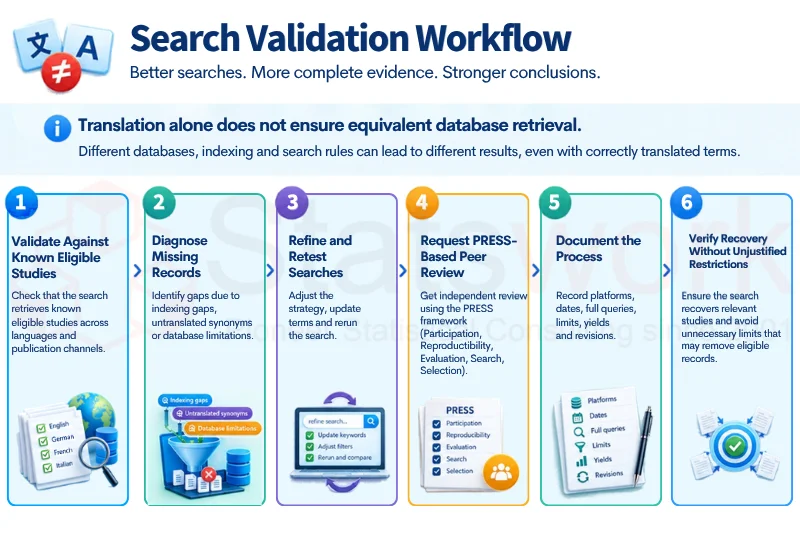
Build and validate multilingual searches
Translate concepts, not just isolated words. Combine controlled vocabulary, free-text synonyms, spelling variants, abbreviations and local clinical terminology in German, French, Italian and English. [2,3]
For a heart-failure review, search concepts may include Herzinsuffizienz, insuffisance cardiaque and insufficienza cardiaca, alongside relevant subject headings and English terms. Build the search around the review question. Combine population and condition terms with intervention or outcome concepts when this improves precision but avoid adding so many restrictive concepts that eligible studies disappear. Adapt syntax, field codes, subject headings and proximity operators to each platform rather than copying one query unchanged.
Select sources for the clinical question
Do not search regional sources merely to demonstrate multilingual coverage. Choose them because the topic, study design or publication history makes relevant records plausible. For Swiss care-pathway or health-services questions, the Swiss Medical Weekly archive may be worth assessing for relevant clinical research; for studies linked to Swiss university hospitals, institutional repositories such as Zurich Open Repository and Archive may also be considered. Check each source’s scope and search functionality first; neither is automatically necessary or comprehensive for every review.
Source or approach | Purpose | Key limitation |
MEDLINE and Embase | Biomedical studies and indexed terminology | Coverage and indexing differ |
CENTRAL and trial registries | Controlled trials and registered studies | Records may be incomplete or unpublished |
Swiss or regional sources | Local research, journals and reports | Scope and search functions vary |
Citation and reference searching | Finds related or poorly indexed studies | Depends on seed records selected |
Multilingual free-text terms | Captures language-specific wording | Translation alone cannot ensure sensitivity |
Select regional sources according to the question, eligible study designs, publication years and likely evidence gaps. Check whether each source covers the relevant literature, supports reproducible searching and may identify records missed by major databases. Explain its purpose and limitations in the protocol. Record the source, language, access date, search method, yield (including zero results) and any deviations. Distinguish searchable records from manual journal or webpage screening because their reproducibility differs. [2,4]
Keep screening and extraction consistent
Apply identical eligibility criteria regardless of publication language. Use reviewers competent in the source language or qualified translation support where feasible. Machine translation can support triage, but verify ambiguous eligibility criteria, outcome definitions, adverse events and methods before inclusion.
Conduct pilot screening, resolve disputes using pre-specified processes, and record the reasons for exclusion. When performing extraction, check population characteristics, intervention and comparison groups, outcomes, follow-up duration, and effects and their uncertainties. Translation errors in outcome definitions or time points can create apparent clinical heterogeneity even when study selection is consistent.
Report identification, deduplication, screening and exclusions transparently. PRISMA 2020 guides review reporting; PRISMA-S adds detail for reproducible search reporting. Neither guarantees an exhaustive search. [4,5]
Test the impact of additional studies
More records do not automatically mean a more reliable estimate. Compare a prespecified core analysis with an expanded analysis that adds eligible studies found through multilingual terms or additional sources. Keep eligibility criteria, outcome definitions and statistical methods consistent where appropriate. Explain any model changes.
For a pooled effect expressed on the log scale, calculate:

Interpret the change alongside confidence intervals, study characteristics, risk of bias and clinical relevance.
Illustrative sensitivity analysis (not empirical data):
Analysis | Pooled RR (95% CI) | Interpretation |
Core search | 0.80 (0.65–0.98) | Interval excludes 1 |
Expanded multilingual search | 0.84 (0.70–1.01) | Interval includes 1 |
The RR shifts from 0.80 to 0.84, indicating a smaller estimated benefit. The expanded confidence interval is wider and includes 1, but this does not prove language bias or a statistically significant difference between analyses. Because the analyses share studies, their estimates are dependent. Added studies may differ in precision, populations or risk of bias.
Interpret the change across three dimensions: effect magnitude, precision and clinical decision. Prespecify a clinically meaningful difference or defensible decision threshold where evidence supports one. A confidence interval crossing 1 does not automatically imply a clinically important change, and remaining on the same side of 1 does not guarantee clinical equivalence. If no credible threshold exists, report the magnitude, uncertainty and decision implications without imposing a post hoc definition of importance.
Compare heterogeneity measures such as I² and τ². A change in I² alone does not demonstrate bias: it depends on study precision and the mix of included studies. Explore plausible clinical or methodological explanations when enough studies are available, avoiding unsupported subgroup analyses. Report direction, size and uncertainty, not only whether a p-value crosses 0.05.
Assess relevance to Swiss healthcare
Language coverage and Swiss applicability are separate dimensions. A German-, French- or Italian-language study is not automatically more applicable to Swiss patients; an English-language study may be highly relevant. Assess differences in patient characteristics, care pathways, clinical practice, comparators, outcome definitions and treatment settings.
Distinguish language from clinical factors that may modify treatment effects. Describe transferability concerns and their possible implications. For Swiss decisionmakers, report which sources and languages were searched, what remains uncertain, and whether additional studies materially changed the estimate or its clinical meaning. Do not claim that multilingual searching eliminates bias or guarantees complete evidence.
How Statswork can support multilingual meta-analysis
Statswork supports systematic literature search and evidence synthesis through multilingual search development, source selection, screening documentation, extraction checks and sensitivity analyses. These methods help researchers assess whether missing studies or search decisions affect pooled estimates and the reliability of conclusions.
Planning a Swiss healthcare meta-analysis? Share your protocol, target outcomes and existing search strategy with Statswork to identify potential retrieval gaps and develop a transparent assessment of statistical robustness.
Conclusion
A defensible multilingual meta-analysis shows whether broader retrieval changes pooled estimates, uncertainty or clinical interpretation. Its credibility rests on reproducible methods and evidence-based conclusions, not simply the number of languages searched.
Frequently Asked Questions (FAQs)
No. Search languages should reflect the review question, likely evidence sources and a justified protocol.
No. It creates a potential retrieval limitation; bias depends on the missing evidence and its influence.
Test retrieval of known eligible studies, review translated concepts and indexing, and document peer review and revisions.
A prespecified sensitivity analysis can show how their inclusion affects pooled effects, uncertainty and heterogeneity.
No. Applicability also depends on populations, care settings, comparators, outcomes and clinical practice.
References:
- Swiss Confederation. Federal Act on the National Languages and Understanding between the Linguistic Communities (Languages Act). https://www.fedlex.admin.ch/eli/cc/2009/821/en
- Lefebvre C, et al. Chapter 4: Searching for and selecting studies. In: Cochrane Handbook for Systematic Reviews of Interventions, version 6.5.1. Cochrane; 2025. https://www.cochrane.org/authors/handbooks-and-manuals/handbook/current/chapter-04
- McGowan J, et al. PRESS Peer Review of Electronic Search Strategies: 2015 Guideline Statement. Journal of Clinical Epidemiology. 2016;75:40–46. https://doi.org/10.1016/j.jclinepi.2016.01.021
- Rethlefsen ML, et al. PRISMA-S: an extension to the PRISMA Statement for Reporting Literature Searches in Systematic Reviews. Systematic Reviews. 2021;10:39. https://doi.org/10.1186/s13643-020-01542-z
- Page MJ, et al. The PRISMA 2020 statement: an updated guideline for reporting systematic reviews. 2021;372. https://doi.org/10.1136/bmj.n71
- Morrison A, et al. The effect of English-language restriction on systematic review-based meta-analyses: a systematic review of empirical studies. International Journal of Technology Assessment in Health Care. 2012;28(2):138–144. https://doi.org/10.1017/s0266462312000086
- Egger M, et al. Language bias in randomised controlled trials published in English and German. The Lancet. 1997;350(9074):326–329. https://doi.org/10.1016/S0140-6736(97)02419