
- Services
- Data Analysis services
- Sample Work
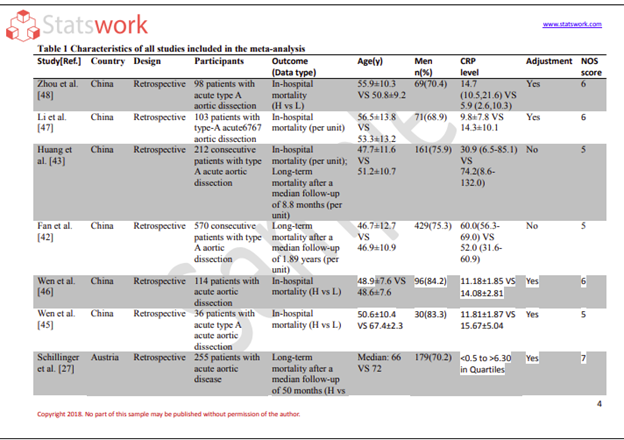
Data Analysis services
- Secondary Qualitative Research Services
- Secondary Quantitative Research Services
- Meta-Analysis Research services
- Sample Work
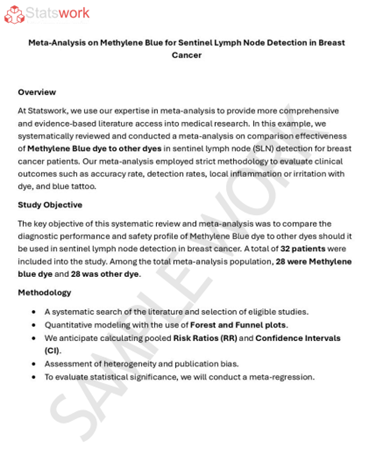
Meta-Analysis Research Services
- Data Collection Services
- Sample Work
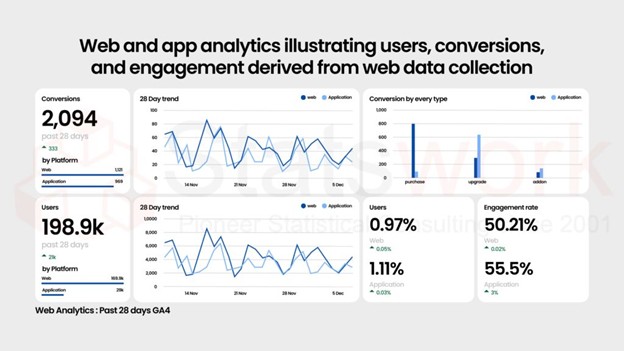
Data Collection Services
- Statistical & Biostatistics services
- Sample Work
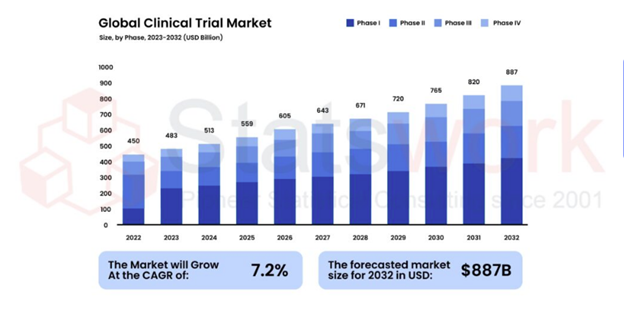
Statistical Programming & Biostatistics services
- Data Management Services
- Sample Work
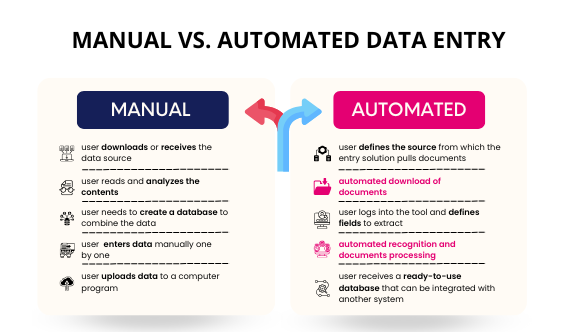
Data Management Services
- Research methodology services
- Sample Work
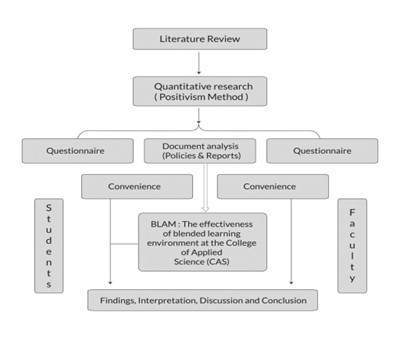
Research methodology services
- Tool Development Services
- Sample Work
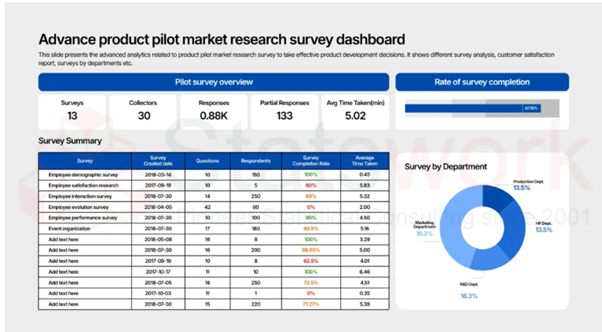
Tool development services
- Statistical Interpretation services
-
Statistical Interpretation services
- Sample Work
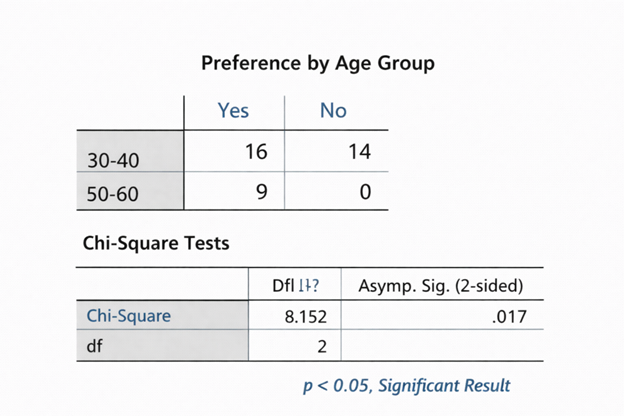
Statistical Interpretation services
-
- Sample Size Calculation Services
-
Sample Size Calculation Services
- Sample Work
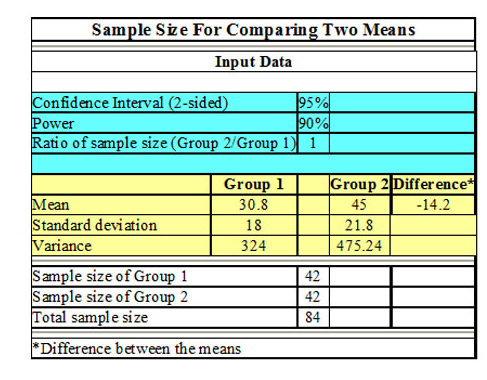
Sample Size Calculation Services
-
- AI & ML Services
-
Artificial Intelligence and Machine Learning Services
- Sample Work
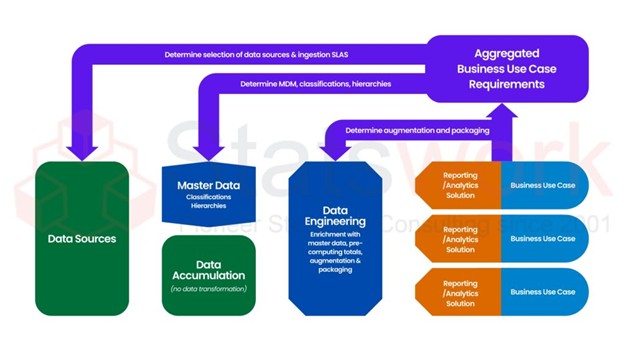
Artificial Intelligence and Machine Learning Services
-
- Meaningful Visualization Services
- Thought Leadership Services
- Report Generation Services
-
Report generation Service
- Sample Work
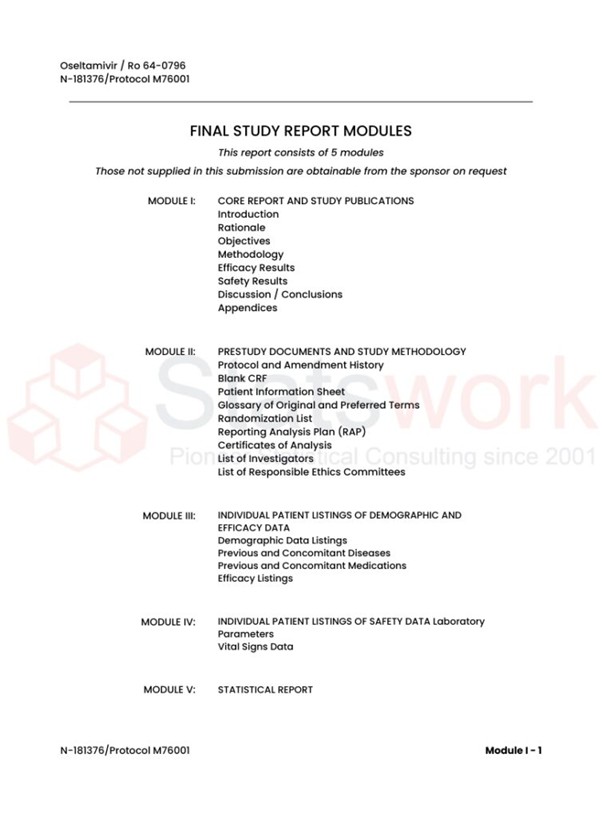
Report generation Services
-
- Data Analysis services
- Industries
- About Us
- Blog
- Insights
- Contact Us
- Services
- Data Analysis services
- Sample Work
Data Analysis services
- Secondary Qualitative Research Services
- Secondary Quantitative Research Services
- Meta-Analysis Research services
- Sample Work
Meta-Analysis Research Services
- Data Collection Services
- Sample Work
Data Collection Services
- Statistical & Biostatistics services
- Sample Work
Statistical Programming & Biostatistics services
- Data Management Services
- Sample Work
Data Management Services
- Research methodology services
- Sample Work
Research methodology services
- Tool Development Services
- Sample Work
Tool development services
- Statistical Interpretation services
-
Statistical Interpretation services
- Sample Work
Statistical Interpretation services
-
- Sample Size Calculation Services
-
Sample Size Calculation Services
- Sample Work
Sample Size Calculation Services
-
- AI & ML Services
-
Artificial Intelligence and Machine Learning Services
- Sample Work
Artificial Intelligence and Machine Learning Services
-
- Meaningful Visualization Services
- Thought Leadership Services
- Report Generation Services
-
Report generation Service
- Sample Work
Report generation Services
-
- Data Analysis services
- Industries
- About Us
- Blog
- Insights
- Contact Us
Designing and Implementing Hypothesis-Driven Survey Solutions for Data-Backed Decision Making
- Home
- Insights
- Article
- Designing and Implementing Hypothesis-Driven Survey Solutions for Data-Backed Decision Making
Qualitative Research Service
- What is a Hypothesis-Driven Survey Approach
- Why is Hypothesis-Driven Survey Design Important
- Designing an Effective Hypothesis-Driven Survey
- Key Components of a Hypothesis-Driven Survey
- Challenges Might You Face and How to Overcome Them
- How Do You Implement Hypothesis-Driven Surveys Successfully
- Conclusion
News & Trends
Recommended Reads
Contact us
Introduction
- 1. What is a Hypothesis-Driven Survey Approach
- 2. Why is Hypothesis-Driven Survey Design Important
- 3. Designing an Effective Hypothesis-Driven Survey
- 4. Key Components of a Hypothesis-Driven Survey
- 5. Challenges Might You Face and How to Overcome Them
- 6. How Do You Implement Hypothesis-Driven Surveys Successfully
- 7. Conclusion
The current data-driven world presents many challenges in decision-making for organizations. The best way to do so in such a case is by making use of questionnaire hypothesis surveys. These involve combining critical thinking with the gathering of information to test your ideas and theories. Rather than simply collecting any form of information, organizations can now focus their energy on asking questions that would enable them to collect useful information for their strategic thinking. [1]
What is a Hypothesis-Driven Survey Approach
The hypothesis-driven survey research involves having a defined hypothesis or an assumption that must be tested, for example, what contributes to customer satisfaction.
- Targeted Survey Questions: Survey questions are not vague but instead very targeted so that each one can help to prove or disprove the hypothesis.
- Goal-Oriented Survey Questions: The survey questions have defined goals that involve proving or disproving the hypothesis.
- Minimized Irrelevancy: Irrelevant information is kept to the bare minimum by targeting survey questions on certain aspects of the hypothesis.
- Data-Backed Decision Making: Hypothesis-driven surveys help to avoid guesswork since decisions are made through data-driven findings. [1]
Why is Hypothesis-Driven Survey Design Important
It is crucial to conduct a hypothesis-driven survey since it enables effective collection of meaningful and targeted data for businesses.
- Yields Specific and Quality Insights: Such type of research methodologies ensures that all the data collected is pertinent, significant, and valuable for further analysis purposes.
- Saves from Unnecessary Data Collection: Hypothesis-driven surveys help minimize unnecessary data that usually characterizes regular surveys.
- Provides Clarity for Objectives and Results: Each question in the survey is related to an objective; therefore, the organization remains focused on achieving its business objectives.
- Helps Make Quality Decisions: Data-driven decision making is made possible by hypothesis-driven surveys that are structured and oriented towards the goals.
- Makes Businesses More Effective: Incorporation of hypothesis-driven surveys in an organization’s operations makes its strategy solid and well-grounded in data. [2]
Designing an Effective Hypothesis-Driven Survey
To design an effective survey, it is important to follow a particular methodology which should be structured in order to ensure effective decision-making based on collected information. The following actions need to be taken into account:
- Step 1: Identification of the Problem or Decision Area
In this case, it is necessary to identify the problem for which the survey needs to be conducted or make a particular decision. - Step 2: Formation of a Testable Hypothesis
A testable hypothesis should be developed in order to validate or refute it based on gathered data. - Step 3: Defining Measurable Variables
Specify the independent variable as well as the dependent one in order to be able to test the hypothesis. - Step 4: Designing Precise Survey Questions
Prepare questions that correspond to your hypothesis and variables for a better understanding of your target audience. - Step 5: Deciding on a Response Scale
Decide whether respondents should provide responses in the form of rating, open-ended or multiple choices. - Step 6: Aligning Questions with the Hypothesis
Ask those survey questions that contribute directly to testing the hypothesis without asking unnecessary questions. - Step 7: Validation by an Example
For example, if the hypothesis concerns customers’ satisfaction, develop survey questions on measuring satisfaction, service quality and determinants.
These steps will help to create an efficient survey leading to making data-backed decisions. [3]
Key Components of a Hypothesis-Driven Survey
- Hypothesis: It is the formulation of a testable statement that explains what the survey is going to explore.
- Variables: These include the determination of independent and dependent variables that are necessary for testing the hypothesis.
- Questionnaire: This includes the formulation of relevant questions that relate to the stated hypothesis and the overall research goals.
- Data Collection Method: This entails the choice of the right method or instrument that will be used to collect data effectively.
- Data Analysis: This involves the adoption of an analysis strategy that will involve the use of appropriate methods of survey analysis.
- Conclusion Making: This involves the interpretation of results obtained from data analysis. [4]
Challenges Might You Face and How to Overcome Them
Hypothesis-based surveys have several strengths, but they also present some difficulties that may affect the validity and results of their findings. These difficulties and possible solutions are presented in the table below:
| Challenges | How to Overcome Them |
| Biased responses | Use neutral and unbiased question wording to avoid influence |
| Unclear hypotheses | Ensure hypotheses are specific, clear, and easily testable |
| Low response rates | Offer incentives and simplify participation to encourage responses |
| Lengthy or complex surveys | Keep surveys concise, simple, and engaging for better completion rates |
| Inaccurate or inconsistent data | Validate and clean data carefully before analysis to ensure accuracy |
With a proper solution to these difficulties, companies can make their survey studies more reliable and valuable. [5]
How Do You Implement Hypothesis-Driven Surveys Successfully
The execution process is a significant step in guaranteeing the success of a survey. Despite being designed effectively, a survey can be rendered useless through poor execution. Effective survey execution includes:
- Selection of appropriate respondents
- Proper use of sampling methods
- Effective use of technology in distributing the survey
- Response rate analysis
- Data quality maintenance
Analysing data from surveys can prove useful by providing automation and analytics platforms that allow for real-time monitoring of the survey’s progress. [4]
Conclusion
A hypothesis-based survey is one of the best ways to get and analyse information to make decisions. With the help of such an approach, companies are able to exclude any assumptions and receive valuable insight that will have a direct effect on their performance. Each step performed during designing, collecting, and analysing data is equally important.
Using tools such as customer feedback surveys, business intelligence surveys, and proper methodology will allow businesses to fully benefit from data they possess. With the competitive nature of the business environment, hypothesis-driven approach will become a necessity.
Elevate your research strategy with Statswork’s Questionnaire Hypothesis Survey and make every response count.
Reference
- Martin, E. (2006). Survey questionnaire construction. Survey methodology, 13, 1-13. https://www.census.gov/content/
- Boitano, L. T., & Chang, D. C. (2017). A review for clinical outcomes research: Hypothesis generation, data strategy and hypothesis-driven statistical analysis. In Vascular Surgery(pp. 89-96). CRC Press. https://www.taylorfrancis.com/
- Kalinichenko, L. A., Kovalev, D. Y. E., Kovaleva, D. A., & Malkov, O. Y. E. (2015). Methods and tools for hypothesis-driven research support: a survey. Информатика и её применения, 9(1), 28-54. https://www.mathnet.ru/eng/ia355
- Previdelli, Á. N., De Andrade, S. C., Fisberg, R. M., & Marchioni, D. M. (2016). Using two different approaches to assess dietary patterns: hypothesis-driven and data-driven analysis. Nutrients, 8(10), 593. https://www.mdpi.com/2072-6643/8/10/593
- Ghasemi, A., Hosseinpanah, F., Kashfi, K., & Bahadoran, Z. (2025). Research hypothesis: a brief history, central role in scientific inquiry, and characteristics. Addiction & health, 17, 1623. https://pmc.ncbi.nlm.nih.gov/articles/