
- Services
- Data Analysis services
- Sample Work
Data Analysis services
- Secondary Qualitative Research Services
- Secondary Quantitative Research Services
- Meta-Analysis Research services
- Sample Work
Meta-Analysis Research Services
- Data Collection Services
- Sample Work
Data Collection Services
- Statistical & Biostatistics services
- Sample Work
Statistical Programming & Biostatistics services
- Data Management Services
- Sample Work
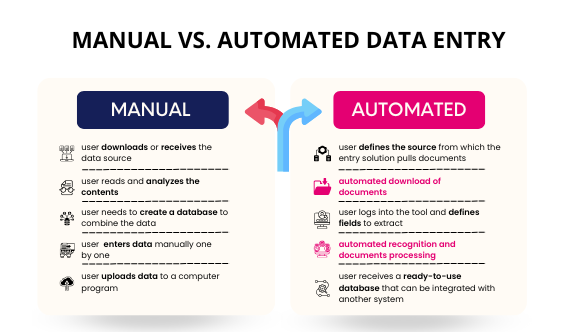
Data Management Services
- Research methodology services
- Sample Work
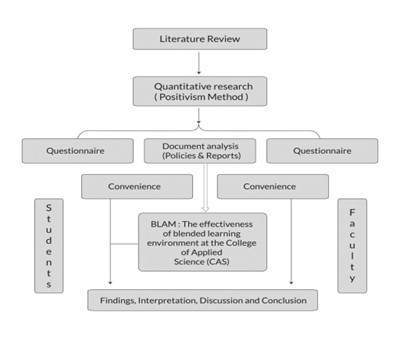
Research methodology services
- Tool Development Services
- Sample Work
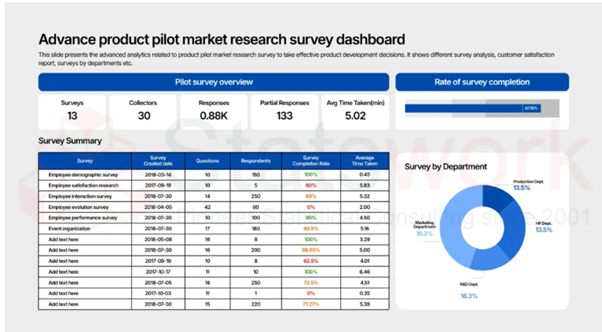
Tool development services
- Statistical Interpretation services
-
Statistical Interpretation services
- Sample Work
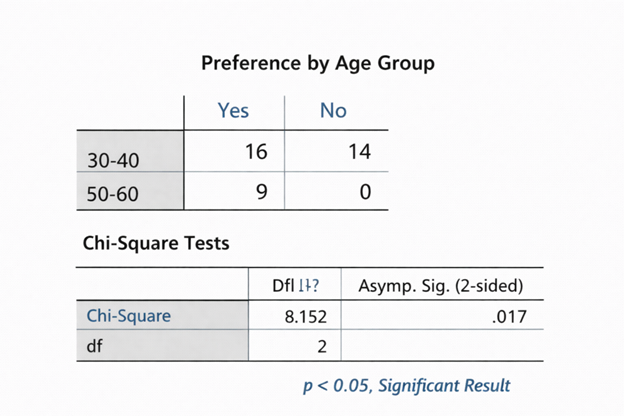
Statistical Interpretation services
-
- Sample Size Calculation Services
-
Sample Size Calculation Services
- Sample Work
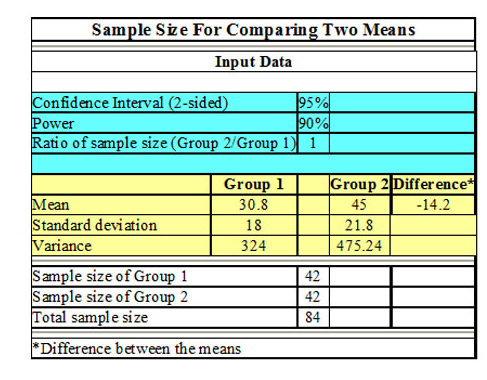
Sample Size Calculation Services
-
- AI & ML Services
-
Artificial Intelligence and Machine Learning Services
- Sample Work
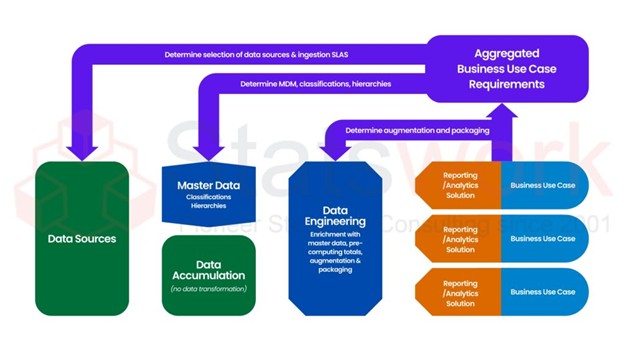
Artificial Intelligence and Machine Learning Services
-
- Meaningful Visualization Services
- Thought Leadership Services
- Report Generation Services
-
Report generation Service
- Sample Work
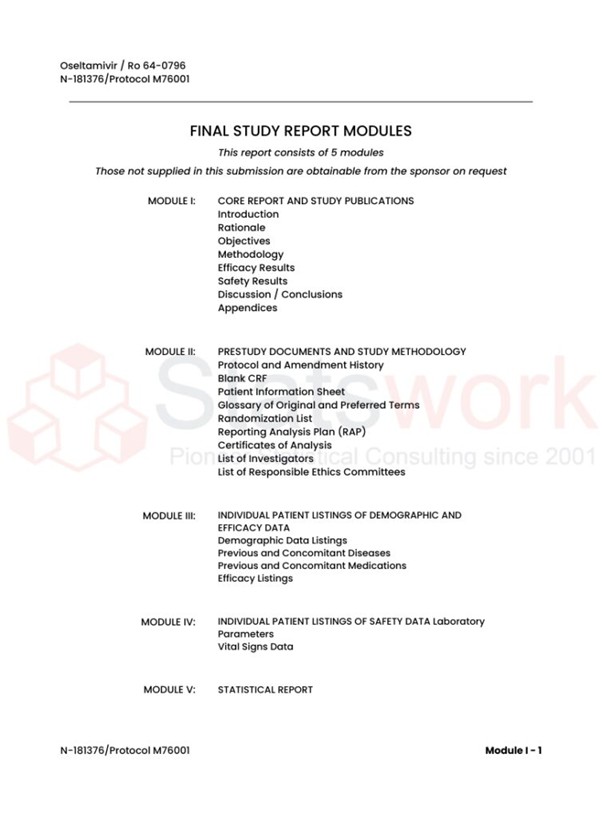
Report generation Services
-
- Data Analysis services
- Industries
- About Us
- Blog
- Insights
- Contact Us
- Services
- Data Analysis services
- Sample Work
Data Analysis services
- Secondary Qualitative Research Services
- Secondary Quantitative Research Services
- Meta-Analysis Research services
- Sample Work
Meta-Analysis Research Services
- Data Collection Services
- Sample Work
Data Collection Services
- Statistical & Biostatistics services
- Sample Work
Statistical Programming & Biostatistics services
- Data Management Services
- Sample Work
Data Management Services
- Research methodology services
- Sample Work
Research methodology services
- Tool Development Services
- Sample Work
Tool development services
- Statistical Interpretation services
-
Statistical Interpretation services
- Sample Work
Statistical Interpretation services
-
- Sample Size Calculation Services
-
Sample Size Calculation Services
- Sample Work
Sample Size Calculation Services
-
- AI & ML Services
-
Artificial Intelligence and Machine Learning Services
- Sample Work
Artificial Intelligence and Machine Learning Services
-
- Meaningful Visualization Services
- Thought Leadership Services
- Report Generation Services
-
Report generation Service
- Sample Work
Report generation Services
-
- Data Analysis services
- Industries
- About Us
- Blog
- Insights
- Contact Us
Why Regulatory Compliance is Critical for Modern Health Information Systems
Qualitative Research Service
- Regulatory Compliance in Health Information Systems
- Why is Patient Data Protection a Top Priority
- How Does Compliance Improve Healthcare Quality
- Major Regulations Impacting Health Information Systems
- The Impact of Non-Compliance in Healthcare Systems
- How Can Organizations Ensure Compliance Effectively
- Technology-Driven Approaches to Compliance Management
- Conclusion
News & Trends
Recommended Reads
Contact us
- Home
- Insights
- Article
- Why Regulatory Compliance is Critical for Modern Health Information Systems
Introduction
- 1. Regulatory Compliance in Health Information Systems
- 2. Why is Patient Data Protection a Top Priority
- 3. How Does Compliance Improve Healthcare Quality
- 4. Major Regulations Impacting Health Information Systems
- 5. The Impact of Non-Compliance in Healthcare Systems
- 6. How Can Organizations Ensure Compliance Effectively
- 7. Technology-Driven Approaches to Compliance Management
- 8. Conclusion
The healthcare industry continues to experience rapid changes, and technology is becoming one of the most important tools used in data handling, care provision, and operational processes. Health Information System (HIS) represents one of the most popular solutions implemented in this process. Still, along with the development of the field in terms of technology comes one of the most important aspects to be considered—the issue of regulatory compliance.
Regulatory compliance in healthcare involves the need to comply with all the necessary regulations concerning the protection of patients’ data and ethical treatment of patients. The aim of this paper is to analyse the importance of regulation compliance for modern HISs. [1]
Regulatory Compliance in Health Information Systems
HIS regulatory compliance refers to the adherence to various standards and guidelines such as data privacy, security and health information. The purpose of the guidelines is to guarantee that the patient’s data is protected from misuse in terms of both privacy and security issues.
Important components of regulatory compliance of HIS include:
- Confidentiality
- Data accuracy
- Security
- Legal and ethical requirements
Implementation of health information systems compliance can be advantageous for healthcare institutions. [1]
Why is Patient Data Protection a Top Priority
- Confidentiality of Personal Information: Information pertaining to personal data involves health history, diagnosis, treatment, and even financial aspects. Hence, the sensitive nature of such information calls for proper management.
- Negative Impact on Health: Consequences of any leak can prove to be very negative and damaging both for the patients as well as the organization.
- Importance of Compliance: Healthcare regulatory compliance results in effective data privacy in healthcare because it is a structured and formal process with clear rules that are to be followed.
- Data Security and Audits: Regulatory compliance requires implementation of strong access control procedures and encryption techniques along with periodic audits.
- Penalties for Non-compliance: Poor management of personal data may lead to identity thefts and financial frauds. Thus, regulatory compliance is an unavoidable practice.
How Does Compliance Improve Healthcare Quality
Compliance is not limited to evading penalties because it positively impacts health care outcomes. The compliance with standard procedures will help health care organizations to achieve the following:
- Increase data accuracy
- Increase compatibility of the systems
- Decrease medical mistakes
- Provide high-quality care
Health care regulations require adherence to the best practices, thus making operations more efficient. Implementation of security measures will ensure reliable functioning of health care systems.

Major Regulations Impacting Health Information Systems
| Regulation/Standard | Purpose | Impact on HIS |
| HIPAA (USA) | Protects patient health information | Enforces privacy and security rules |
| GDPR (EU) | Data protection and privacy | Requires strict consent and data handling |
| ISO 27001 | Information security management | Promotes risk management and controls |
| HITECH Act | Promotes EHR adoption | Strengthens data breach notifications |
The above-discussed frameworks assist organizations in ensuring EHR compliance and system integrity. [3]
The Impact of Non-Compliance in Healthcare Systems
- Legal Penalties and Financial Fines: Non-compliance with healthcare regulations may lead to serious financial penalties and legal implications.
- Increased Risk of Data Breaches and Cyberattacks: Those organizations that do not follow compliance rules do not have the proper security, leaving them open to cybersecurity risks and data breaches.
- Loss of Patient Trust: Not complying with the regulations related to data security may lower the level of trust among patients for their healthcare providers.
- Operational Disruptions and System Inefficiencies: Old technology and non-compliance may hinder processes within an organization.
- Long-Term Reputational and Financial Damage: Non-compliance with healthcare regulations may lead to irreversible reputational, financial and operational damage to the organization. [3]
How Can Organizations Ensure Compliance Effectively
Compliance is an activity that needs a structured approach from the start. Here are some approaches that organizations may use to ensure compliance:
- Routine auditing and risk assessment
- Training of employees
- Use of secure technology
- Monitoring and updating
The use of sophisticated mechanisms assists in ensuring compliance without undermining the laws governing the medical data protection.
Another key step for achieving compliance includes incorporating the concept of compliance into the organization’s culture.
Technology-Driven Approaches to Compliance Management
- Modern technology helps health organizations to be able to meet various complex regulations much more efficiently and precisely.
- Artificial Intelligence helps improve security by examining large volumes of data, recognizing unusual activity, and helping detect any threats that could lead to data breaches.
- Blockchain technology improves the integrity of data by securing the data record and making it reliable and safe from alteration.
- The use of cloud technology allows for flexible scalability of the provided solution and integration of security controls into cloud storage systems.
- Thus, all the discussed innovations can help improve healthcare information governance through data monitoring and tracking. [5]
Conclusion
Regulatory compliance is one of the key foundations of contemporary health information systems since it helps protect the confidentiality of patient records, increases quality of medical services, and provides accountability from the ethical and legal perspectives.
As the evolution of technological tools for processing data in healthcare systems becomes a continuous trend, the complexity of handling health data will inevitably grow. Thus, the necessity of compliance is increasing with time, which means that regulatory compliance must be viewed as an integral part of a healthcare system.
Elevate your data standards and stay audit-ready with Statswork’s Regulatory and Ethical compliance solutions.
Reference
- Siena, A., Armellin, G., Mameli, G., Mylopoulos, J., Perini, A., & Susi, A. (2010, November). Establishing regulatory compliance for information system requirements: An experience report from the health care domain. In International Conference on Conceptual Modeling(pp. 90-103). Berlin, Heidelberg: Springer Berlin Heidelberg. https://link.springer.com/chapter/10.1
- Adjerid, I., Acquisti, A., Telang, R., Padman, R., & Adler-Milstein, J. (2016). The impact of privacy regulation and technology incentives: The case of health information exchanges. Management Science, 62(4), 1042-1063. https://pubsonline.informs.org/doi/ab
- Jahan, I., & Nashid, S. (2025). Strategic Digital Transformation: Reviewing AI-Driven Frameworks for Risk Management, Regulatory Compliance, and Sustainability. Pacific Journal of Business Innovation and Strategy, 2(4), 210-220. https://scienceget.org/index.php/pjbi