
- Services
- Data Analysis services
- Sample Work
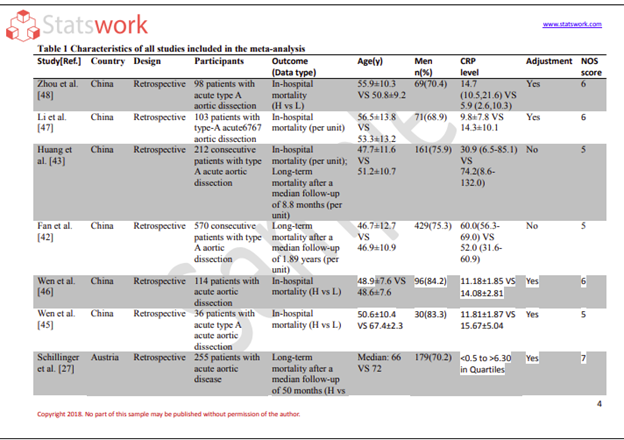
Data Analysis services
- Secondary Qualitative Research Services
- Secondary Quantitative Research Services
- Meta-Analysis Research services
- Sample Work

Meta-Analysis Research Services
- Data Collection Services
- Sample Work
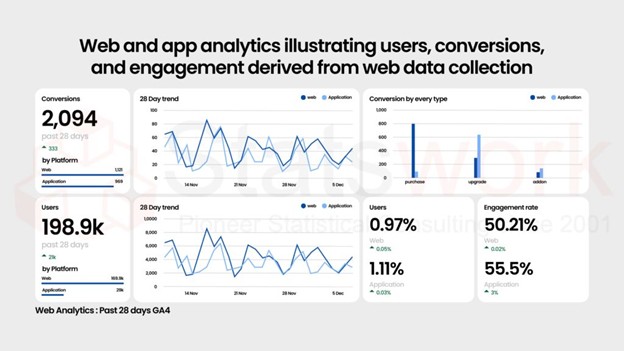
Data Collection Services
- Statistical & Biostatistics services
- Sample Work
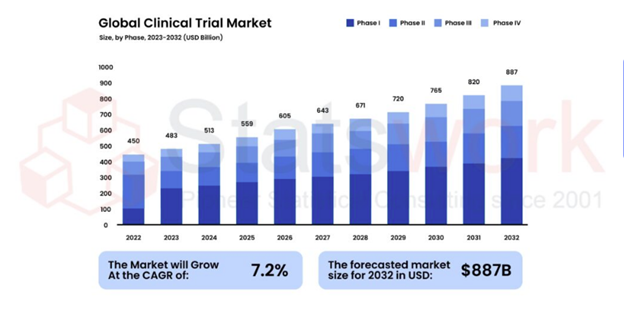
Statistical Programming & Biostatistics services
- Data Management Services
- Sample Work
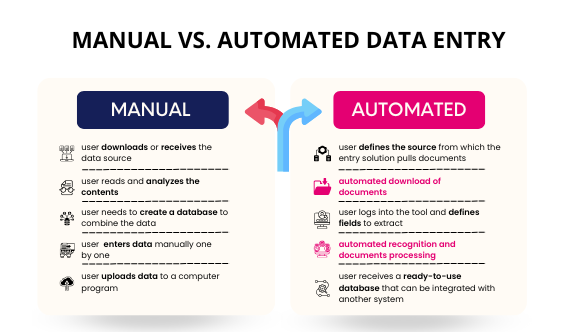
Data Management Services
- Research methodology services
- Sample Work
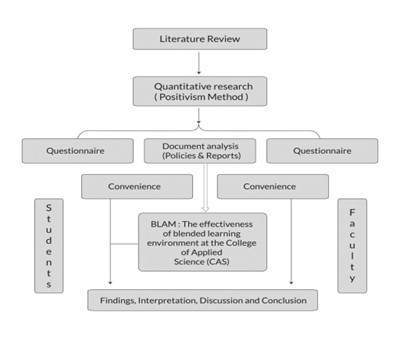
Research methodology services
- Tool Development Services
- Sample Work
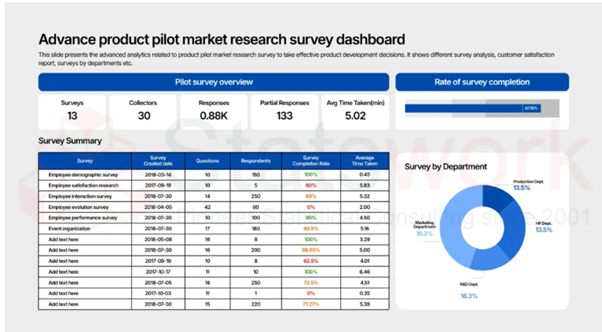
Tool development services
- Statistical Interpretation services
-
Statistical Interpretation services
- Sample Work
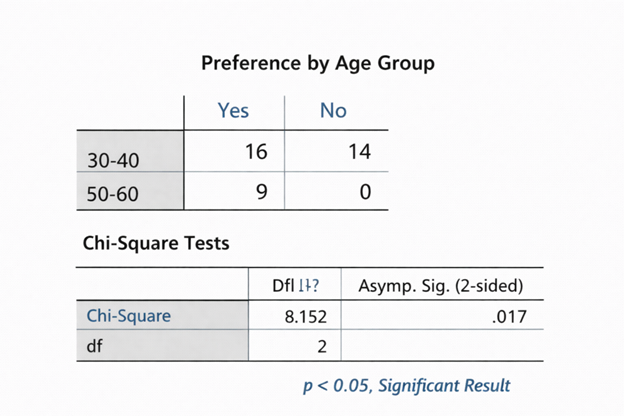
Statistical Interpretation services
-
- Sample Size Calculation Services
-
Sample Size Calculation Services
- Sample Work
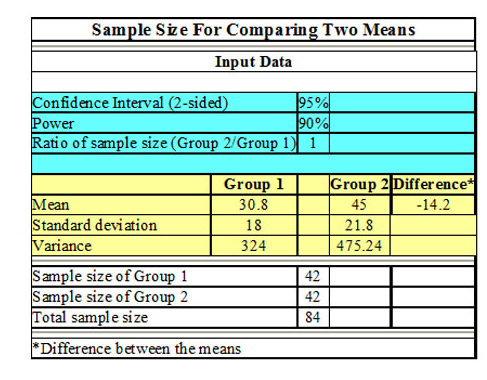
Sample Size Calculation Services
-
- AI & ML Services
-
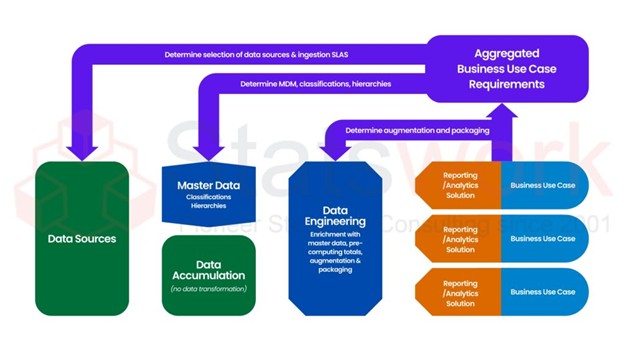
Artificial Intelligence and Machine Learning Services
- Sample Work
Artificial Intelligence and Machine Learning Services
-
- Meaningful Visualization Services
- Thought Leadership Services
- Report Generation Services
-
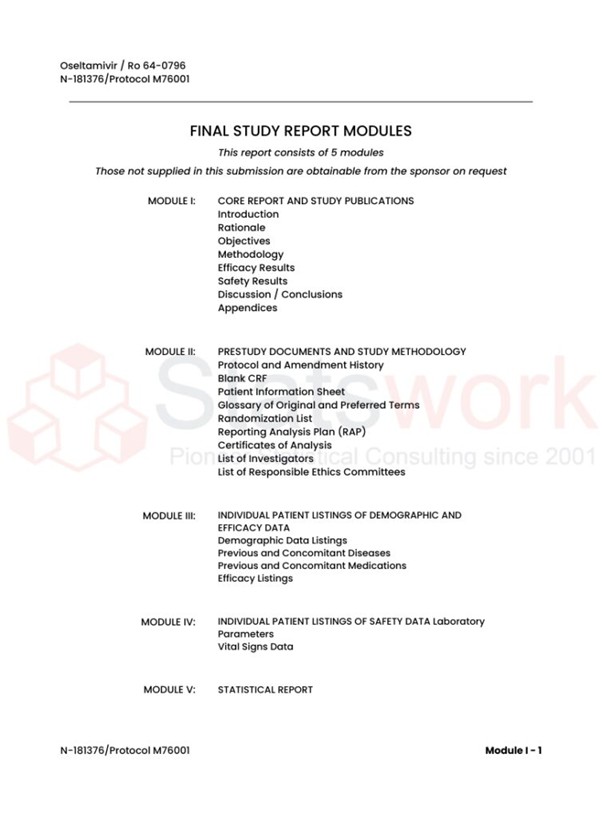
Report generation Service
- Sample Work
Report generation Services
-
- Data Analysis services
- Industries
- About Us
- Blog
- Insights
- Contact Us
- Services
- Data Analysis services
- Sample Work
Data Analysis services
- Secondary Qualitative Research Services
- Secondary Quantitative Research Services
- Meta-Analysis Research services
- Sample Work
Meta-Analysis Research Services
- Data Collection Services
- Sample Work
Data Collection Services
- Statistical & Biostatistics services
- Sample Work
Statistical Programming & Biostatistics services
- Data Management Services
- Sample Work
Data Management Services
- Research methodology services
- Sample Work
Research methodology services
- Tool Development Services
- Sample Work
Tool development services
- Statistical Interpretation services
-
Statistical Interpretation services
- Sample Work
Statistical Interpretation services
-
- Sample Size Calculation Services
-
Sample Size Calculation Services
- Sample Work
Sample Size Calculation Services
-
- AI & ML Services
-
Artificial Intelligence and Machine Learning Services
- Sample Work
Artificial Intelligence and Machine Learning Services
-
- Meaningful Visualization Services
- Thought Leadership Services
- Report Generation Services
-
Report generation Service
- Sample Work
Report generation Services
-
- Data Analysis services
- Industries
- About Us
- Blog
- Insights
- Contact Us
Custom Survey Design with Statistical Validation for High-Quality Research Outcomes
- Home
- Insights
- Article
- Custom Survey Design with Statistical Validation for High-Quality Research Outcomes
Qualitative Research Service
- What is Custom Survey Design
- Why Statistical Validation is Essential in Survey Research
- Statistical Techniques used in Survey Validation
- How to Design Effective Questionnaires
- Key Components of a High-Quality Survey Framework
- Applications of Custom Survey Design and Validation
- Challenges and Future Trends in Survey Research
News & Trends
Recommended Reads
Contact us
Introduction
- 1. What is Custom Survey Design
- 2. Why Statistical Validation is Essential in Survey Research
- 3. Statistical Techniques used in Survey Validation
- 4. How to Design Effective Questionnaires
- 5. Key Components of a High-Quality Survey Framework
- 6. Applications of Custom Survey Design and Validation
- 7. Challenges and Future Trends in Survey Research
In today’s world where information is the main driver of success, companies use surveys to derive meaningful information for decision-making purposes. However, if not done right, the surveys may result in incorrect data which lowers their usefulness and effectiveness.
Tailored surveys that involve statistical validation guarantee accurate and useful data. Properly structured data collection processes, questionnaires, and goals help mitigate risks and achieve desired research results.
What is Custom Survey Design
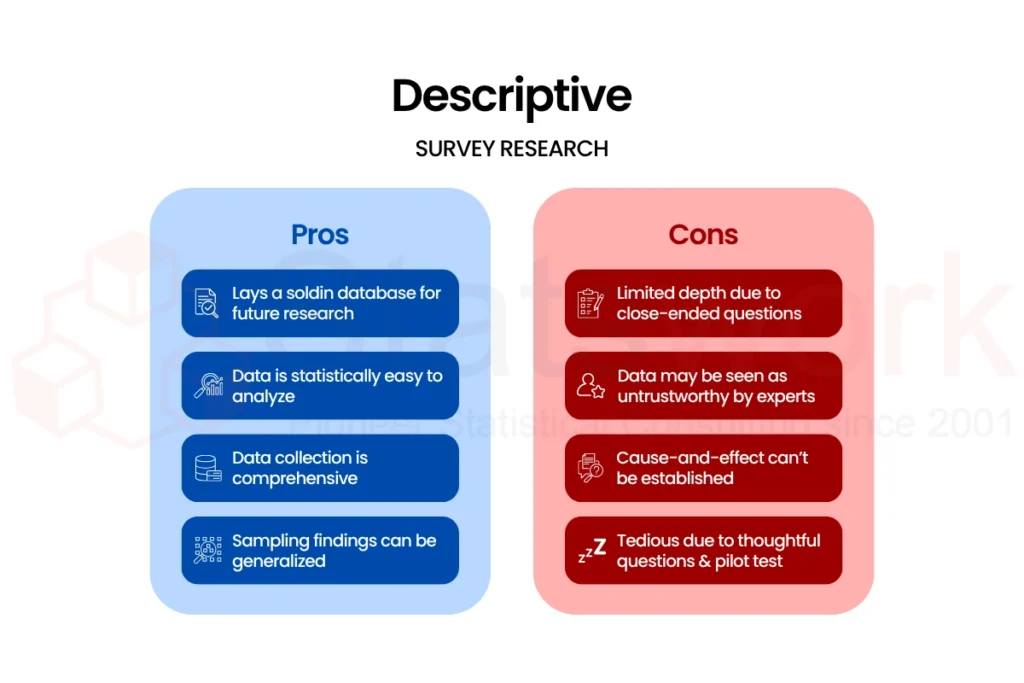
Custom-designed surveys involve developing surveys according to certain objectives and the target audience.
- Definition and scope of custom survey design: Development of surveys based on their purposes and gathering data.
- Differences between standardized and tailored questionnaires: Surveys are pre-designed, whereas custom-designed surveys have flexibility according to their purpose.
- Importance of audience-focused question framing: Questionnaire questions depend on the demographic characteristics of respondents.
- Role of survey logic and branching: Respondents go through a survey that asks relevant questions.
- Enhancing engagement through personalization: Personalized surveys result in increased participation of respondents. [1]
Why Statistical Validation is Essential in Survey Research
Statistical validation will guarantee the accuracy, reliability, and consistency of the survey results, thus providing a solid basis for decision-making and research.
- Consistency and reliability of information: This helps ensure consistency and stability when measuring various factors.
- Detection of any bias: Statistical validation enables the detection of any form of sampling bias that may lead to incorrect results.
- Validation of the construction of questions and scaling: This will help validate the construction of questions to meet the research objectives.
- Accuracy of research findings: Statistical validation helps improve the quality of the data collected through increased accuracy.
- Making evidence-based decisions: This makes it easier for the organisation to base its decisions on valid findings. [2]
Statistical Techniques used in Survey Validation
These methods are crucial to ensure statistical significance and reliability of survey data that can serve as basis for decision-making. Using the optimization of research methodology through such methods increases the accuracy and credibility of survey results.
| Technique | Purpose |
| Cronbach’s Alpha | Assesses the consistency of the survey items to determine if there are similar questions measuring the same aspect. |
| Factor Analysis | Reveals patterns among variables and determines if the grouping of questions reflects a certain dimension. |
| Regression Analysis | Analyzes the connection of the dependent variable and the independent variable in order to reveal any trends. |
| T-Test / ANOVA | Determines the statistical significance of the results obtained from different groups of respondents. |
| Sampling Validation | Guarantees that the chosen sample reflects the actual target audience. [2] |
How to Design Effective Questionnaires
In designing questionnaires that will be capable of collecting valid data, there should be an organized process of ensuring that each step is followed to the letter. This includes having all questions related to the research purpose, yet being simple to understand.
- Setting clear and measurable research objectives: This provides a basis upon which the questionnaire is formulated.
- Using correct question types (open or closed questions): The type of question to use will determine the nature of the response received from respondents.
- Following a logical sequence and flow of questions: The questionnaire is designed in such a manner that it flows smoothly.
- Not using leading questions: Leading questions will create confusion in the questionnaire design.
- Performing a pilot test: Helps one to perfect the process. [3]
Key Components of a High-Quality Survey Framework
The effective survey structure involves the optimization of the research methodology, which guarantees that all steps are geared towards gaining useful and actionable insights.
| Component | Description |
| Objective Definition | Specifies the reason why the survey was carried out and the end result that should be accomplished |
| Audience Targeting | The correct people who will answer the survey will be selected to achieve credible results |
| Question Design | Questions are formulated clearly, meaningfully, and according to the research objectives. |
| Survey Flow | There is a coherent flow in the questions. |
| Validation Techniques | Uses statistical techniques to check the validity of the information obtained [3] |
Applications of Custom Survey Design and Validation
Surveys accompanied by statistical analysis are common practices in solving complex issues in industries and deriving insights. They are employed to enhance efficiency and decision making within organizations.
This list provides some evidence of how surveys designed effectively can provide practical benefits.
- Consumer Survey Analysis: Facilitates understanding of consumer attitudes, enhances services, and increases customer satisfaction
- Market Research Data: Allows discovering trends, consumer preferences, and competitive advantage in the marketplace
- Workforce Satisfaction Surveying: Helps determine employee attitude towards their work and organizational performance
- Product Development Analysis: Acquires feedback on products for improvement purposes
- Business Risk Evaluation: Assists in the discovery of possible risks in businesses
Application of data quality management methods ensures the accuracy and reliability of these insights. [4]
Challenges and Future Trends in Survey Research
Even with developments, there are still issues faced by organizations during the process of survey research and analysis, which need to be considered to ensure that there is no compromise on the quality of data collection and analysis processes.
On the other hand, new technologies have a major impact on the future of surveys.
- General problems such as non-responsiveness and bias
- Complexities in formulating universally comprehensible questions
- Handling large amounts of data efficiently
- Application of artificial intelligence in survey analysis
- Importance of real-time data
The use of survey analytics and quantitative research solutions helps organizations conduct their surveys in a much better way and make well-informed decisions. [5]
Conclusion
The combination of customized survey design along with statistical validation is necessary for obtaining excellent research results. Through customized surveys and validation, it will be ensured that the data gathered is not only precise and reliable but also meets organizational goals.
Through the use of proper methodologies and more sophisticated analysis, organizations can extract maximum benefit from their data. This brings to light the significance of customized survey design, validation for obtaining credible data, and structuring frameworks for decision making and future research opportunities.
Build validated and reliable questionnaires for better decision-making with Statswork— Begin your Survey Design Now!
Reference
- Hoare, R., Besterfield-Sacre, M., Shuman, L., Shields, R., & Johnson, T. (2001, October). Cross-institutional assessment with a customized Web based survey system. In 31st Annual Frontiers in Education Conference. Impact on Engineering and Science Education. Conference Proceedings (Cat. No. 01CH37193)(Vol. 3, pp. S3C-11). IEEE. Cross-institutional assessment with a customized Web based survey system | IEEE Conference Publication | IEEE Xplore
- Kleijnen, J. P. (1999, December). Validation of models: statistical techniques and data availability. In Proceedings of the 31st conference on winter simulation: Simulation—a bridge to the future-volume 1(pp. 647-654). https://dl.acm.org/doi/abs/10.1145
- von Niederhäusern, B., Schandelmaier, S., Mi Bonde, M., Brunner, N., Hemkens, L. G., Rutquist, M., … & Briel, M. (2017). Towards the development of a comprehensive framework: Qualitative systematic survey of definitions of clinical research quality. PLoS One, 12(7), e0180635. https://journals.plos.org/plosone/
- Venigalla, M., Chalumuri, S., & Mandapati, R. (2005). Developing custom tools for deriving complex data from travel survey databases. Transportation research record, 1917(1), 80-89. https://journals.sagepub.com/doi/
- Alshareef, H. N. (2023). Current development, challenges, and future trends in cloud computing: A survey. International Journal of Advanced Computer Science and Applications, 14(3). https://search.proquest.com/open