
- Services
- Data Analysis services
- Sample Work
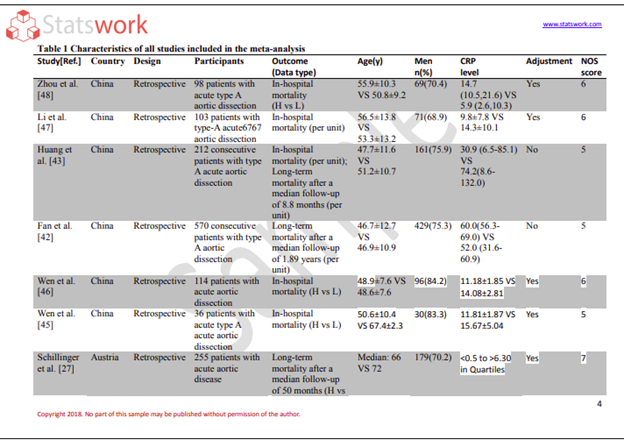
Data Analysis services
- Secondary Qualitative Research Services
- Secondary Quantitative Research Services
- Meta-Analysis Research services
- Sample Work
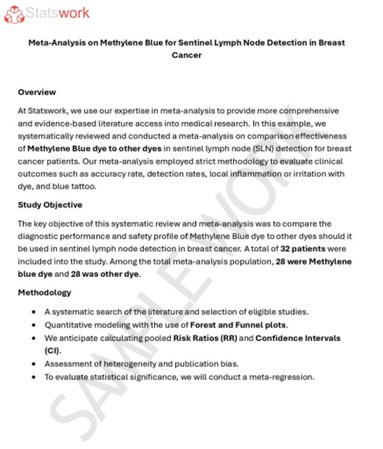
Meta-Analysis Research Services
- Data Collection Services
- Sample Work
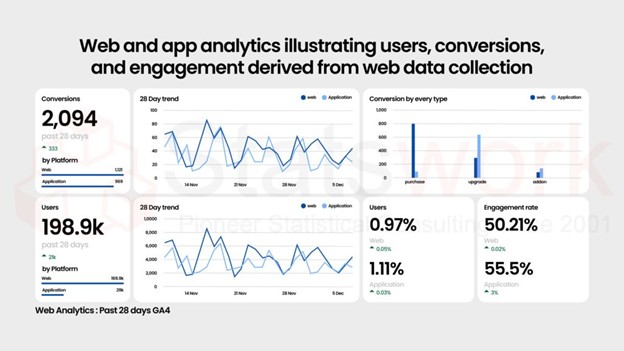
Data Collection Services
- Statistical & Biostatistics services
- Sample Work
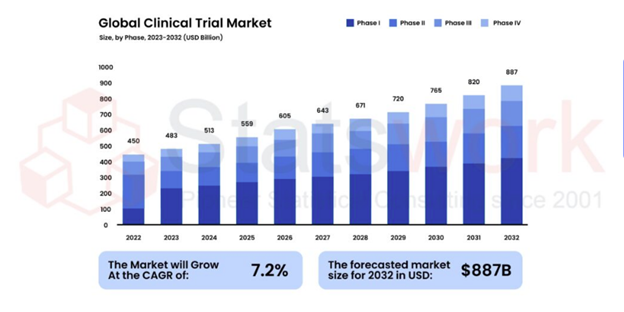
Statistical Programming & Biostatistics services
- Data Management Services
- Sample Work
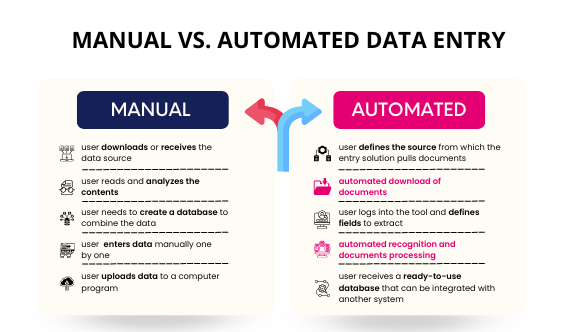
Data Management Services
- Research methodology services
- Sample Work
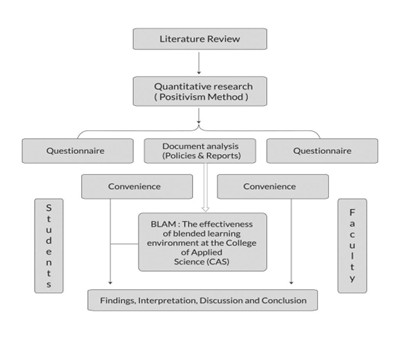
Research methodology services
- Tool Development Services
- Sample Work
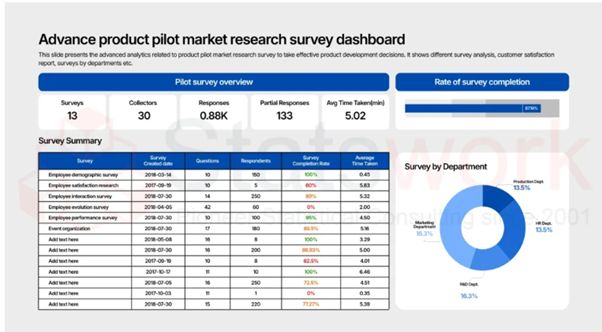
Tool development services
- Statistical Interpretation services
-
Statistical Interpretation services
- Sample Work
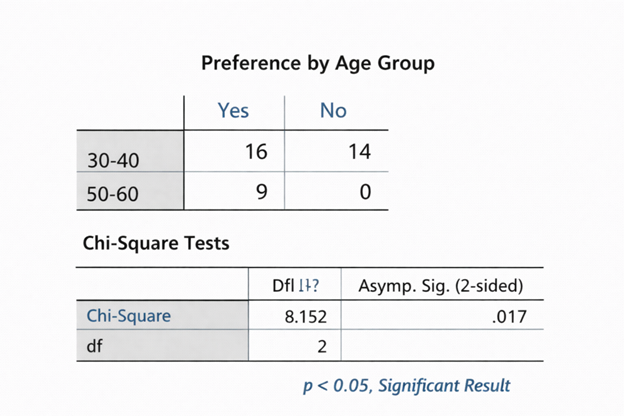
Statistical Interpretation services
-
- Sample Size Calculation Services
-
Sample Size Calculation Services
- Sample Work
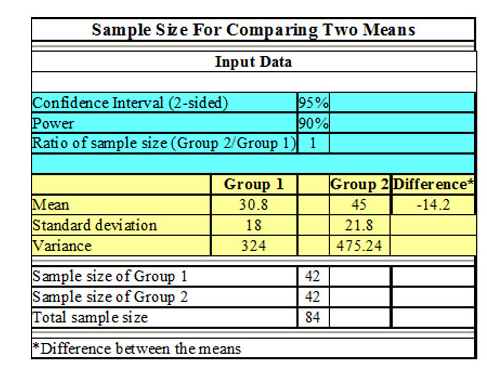
Sample Size Calculation Services
-
- AI & ML Services
-
Artificial Intelligence and Machine Learning Services
- Sample Work
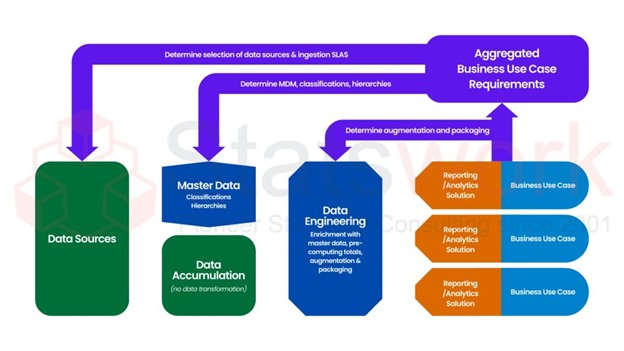
Artificial Intelligence and Machine Learning Services
-
- Meaningful Visualization Services
- Thought Leadership Services
- Report Generation Services
-
Report generation Service
- Sample Work
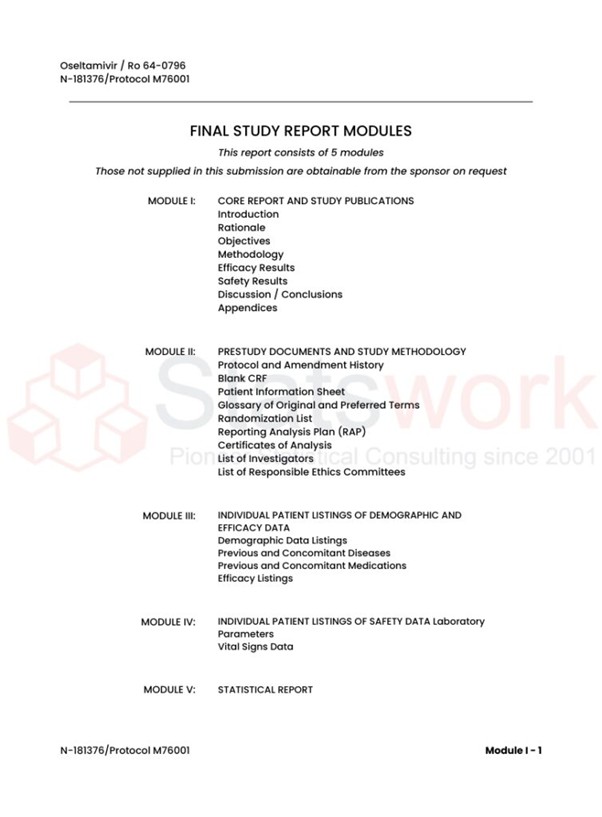
Report generation Services
-
- Data Analysis services
- Industries
- About Us
- Blog
- Insights
- Contact Us
- Services
- Data Analysis services
- Sample Work
Data Analysis services
- Secondary Qualitative Research Services
- Secondary Quantitative Research Services
- Meta-Analysis Research services
- Sample Work
Meta-Analysis Research Services
- Data Collection Services
- Sample Work
Data Collection Services
- Statistical & Biostatistics services
- Sample Work
Statistical Programming & Biostatistics services
- Data Management Services
- Sample Work
Data Management Services
- Research methodology services
- Sample Work
Research methodology services
- Tool Development Services
- Sample Work
Tool development services
- Statistical Interpretation services
-
Statistical Interpretation services
- Sample Work
Statistical Interpretation services
-
- Sample Size Calculation Services
-
Sample Size Calculation Services
- Sample Work
Sample Size Calculation Services
-
- AI & ML Services
-
Artificial Intelligence and Machine Learning Services
- Sample Work
Artificial Intelligence and Machine Learning Services
-
- Meaningful Visualization Services
- Thought Leadership Services
- Report Generation Services
-
Report generation Service
- Sample Work
Report generation Services
-
- Data Analysis services
- Industries
- About Us
- Blog
- Insights
- Contact Us
Regression Analysis Explained for Research Scholars
Meta Analysis Service
- What is Regression Analysis?
- Why Regression Analysis is Important in Research
- Types of Regression Analysis Used in Research
- Regression Analysis in Meta Analysis Research
- Regression Analysis in Clinical Research
- Role of Data Analysis Companies in Regression Research
- Steps to Conduct Regression Analysis in Research
- Challenges in Regression Analysis
- Future of Regression Analysis in Academic Research
Recommended Reads
Contact us
Regression analysis is one of the most powerful statistical methods employed in today’s research world. This tool helps researchers establish relationships between variables, predict results, and derive meaningful conclusions from data. Whether it is social sciences, healthcare, business analytics, or engineering, regression analysis plays an important role in today’s advanced research methodology.
Nowadays, many researchers are working in association with meta analysis services or data analysis companies to conduct accurate statistical modeling. Regression analysis plays an important role in conducting research activities such as meta analysis research, reviews, and clinical research.
The article discusses regression analysis in simpler terms and its significance for research scholars.
What is Regression Analysis?
Regression analysis is a statistical technique for exploring the relationship between a dependent variable and one or more independent variables.
For instance, researchers may wish to investigate the following relationships:
- How education level relates to income
- How treatment dosage relates to patients’ recovery
- How marketing spending relates to sales growth
Using regression analysis, researchers can spot trends, relationships, and even forecast outcomes.
Researchers undertaking meta analysis research use regression models to investigate their data.
Why Regression Analysis is Important in Research
One of the main reasons regression analysis is widely used is because it helps researchers transcend simple observations. Regression analysis offers mathematical models to explain the relationships between variables.
Understanding Relationships Between Variables: Regression analysis helps researchers identify the variables that impact the results the most.
Making Predictions: Regression analysis helps researchers use the existing data to make predictions on what might happen in the future.
Supporting Research Hypotheses: Regression testing helps researchers test their hypotheses with the strong research methodology framework.
Enhancing Meta Analysis Studies: For more complex and advanced research, regression models are used in the Meta Analysis Data Synthesis Services, which combines and analyzes the results of various research studies.
Types of Regression Analysis Used in Research
The different types of regression analysis are employed according to the research objectives and data types.
1. Linear Regression
Linear regression is the most commonly employed form of regression analysis by research scholars. This form of regression analysis helps to understand the relationship between two variables, considering them to be linear in nature.
Example:
- Impact of study hours on exam performance.
Researchers employed by Systematic Review and Meta Analysis Services often use linear regression to understand the relationship between variables of different ressearch papers.
2. Multiple Regression
Multiple regression is a regression that uses multiple independent variables.
For instance,
A researcher may wish to find out how income is affected by:
- Education level
- Work experience
- Age
Multiple regression models are common in professional meta analysis services in analyzing research data.
3. Logistic Regression
Logistic regression is applied in scenarios where the data is not numerical but rather categorical.
Example:
- Prediction of whether the patient will recover or not after receiving treatment.
This regression is very important in Meta-Analysis Services for Clinical Studies.
4. Polynomial Regression
This is normally applied when there is a non-linear relationship between data.
This helps in uncovering more complex data relationships.
Advanced Meta Analysis Data Synthesis Services normally applies polynomial regression in uncovering patterns from data.
Regression Analysis in Meta Analysis Research
In modern academic research, meta analysis research is gaining popularity. Meta analysis is defined as the use of multiple independent research works to identify overall trends.
Regression analysis is crucial in meta analysis research as it enables the researcher to:
- Analyze relationships in various data sets
- Identify research patterns
- Evaluate effect sizes
- Identify publication biases
Professional systematic review and meta analysis services use regression analysis to ensure proper interpretation of data.
Regression Analysis in Clinical Research
Regression analysis is commonly applied in healthcare research. Medical researchers often use regression analysis to study treatment results, risk factors, and behavior.
With Meta-Analysis Services for Clinical Studies, researchers may be able to study results from clinical trials and determine any statistically significant relationships.
Some of its common applications include:
- Investigating the effects of medication dosage on rates of recovery
- Predicting risk factors of diseases
- Assessing new treatment results
A data analysis company may be able to assist researchers with complex data analysis.
Role of Data Analysis Companies in Regression Research
Conducting regression analysis is a complex task that requires high statistical skills and data analysis tool proficiency. Research scholars often hire a data analysis company to get accurate results.
- The professional services of a meta analysis company include:
- Advanced Statistical Expertise
- Skilled professionals use appropriate regression models according to the study design.
- Accurate Data Interpretation
- Statistical experts assist in interpreting regression analysis results.
- Data Visualization
- Skilled analysts use data visualization techniques like graphs, charts, and statistical reports.
- Support for Systematic Reviews
- Experts offer Systematic Review and Meta Analysis Services for research projects.
Steps to Conduct Regression Analysis in Research
Research scholars generally follow these steps while carrying out regression analysis.
Step 1: Define Research Question
The research question has to be clearly defined.
Step 2: Collect Data
Data has to be collected, and the data must be reliable, which can be obtained from experiments, surveys, or prior research studies.
Step 3: Choose Regression Model
The appropriate regression method has to be chosen, depending on the data type.
Step 4: Perform Statistical Analysis
Statistical analysis has to be done with the help of appropriate software like SPSS, R, or Stata, which runs regression models on the data.
Step 5: Interpret Results
The results obtained from the regression analysis have to be interpreted.
Step 6: Present Research Findings
Research reports and statistical results must be clearly presented. Meta Analysis Data Synthesis Services can be sought for the efficient execution of the above steps.
Challenges in Regression Analysis
Although regression analysis is powerful in its application, it is not without its challenges.
Some of the challenges that come with regression analysis include:
- Multicollinearity of variables
- Lack of sufficient sample size
- Lack of proper model selection
- Misinterpretation of statistical output
Working with experienced meta analysis services helps in avoiding all these challenges.
Future of Regression Analysis in Academic Research
With the emergence of big data and advanced analytics technologies, regression analysis is becoming even more vital in research.
Some of the new developments in regression analysis include:
- Machine learning model
- AI-based statistical analysis
- Advanced research techniques in meta analysis
This is transforming regression analysis in various ways.
Researchers often seek the services of Meta-Analysis Services for Clinical Studies and data analysis companies.