
- Services
- Data Analysis services
- Sample Work
Data Analysis services
- Secondary Qualitative Research Services
- Secondary Quantitative Research Services
- Meta-Analysis Research services
- Sample Work
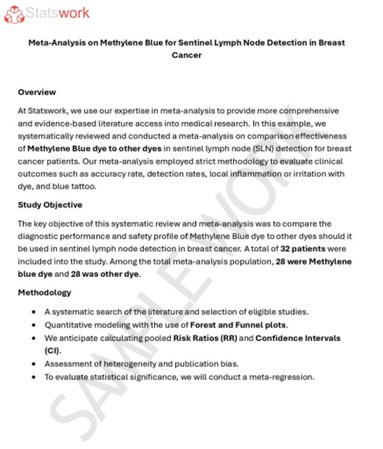
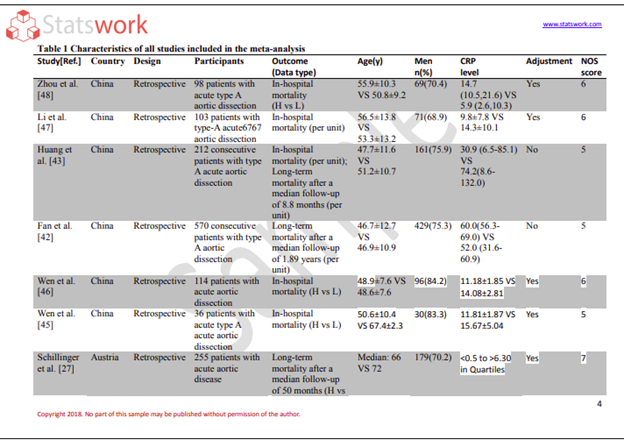
Meta-Analysis Research Services
- Data Collection Services
- Sample Work
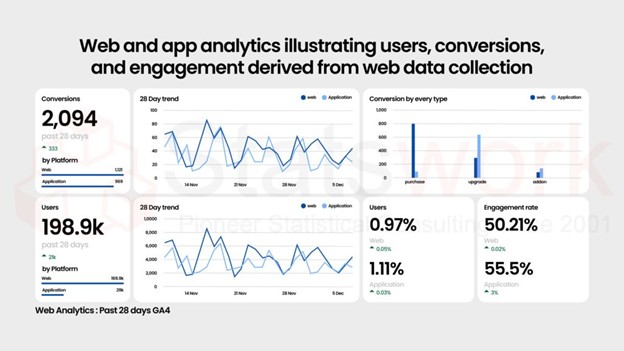
Data Collection Services
- Statistical & Biostatistics services
- Sample Work
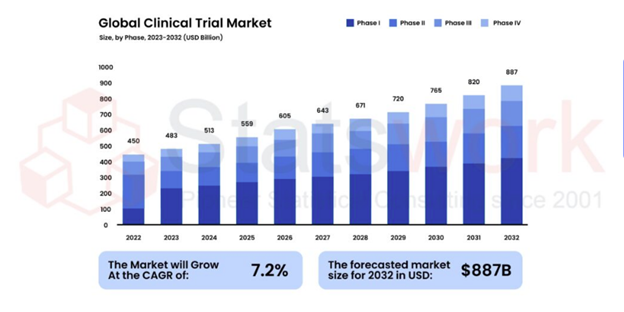
Statistical Programming & Biostatistics services
- Data Management Services
- Sample Work
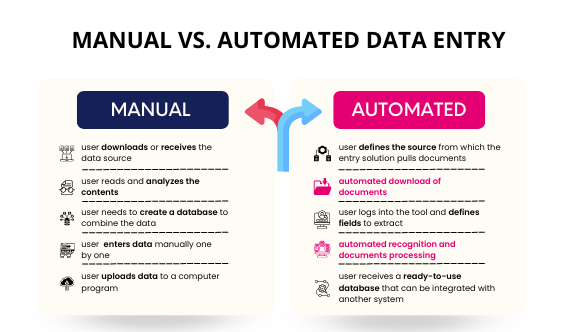
Data Management Services
- Research methodology services
- Sample Work
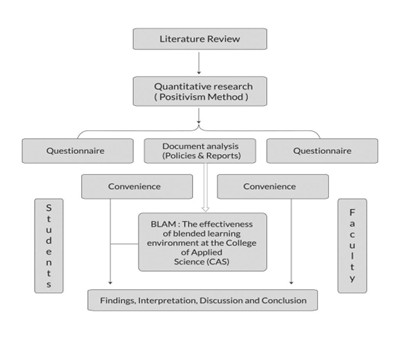
Research methodology services
- Tool Development Services
- Sample Work
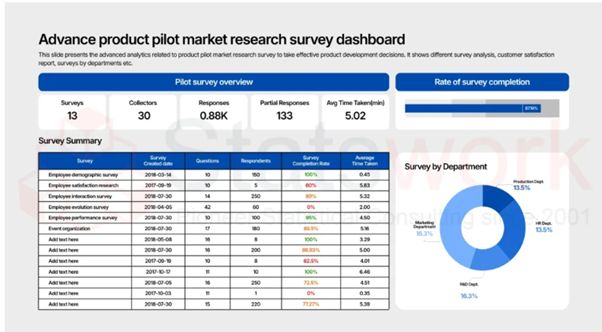
Tool development services
- Statistical Interpretation services
-
Statistical Interpretation services
- Sample Work
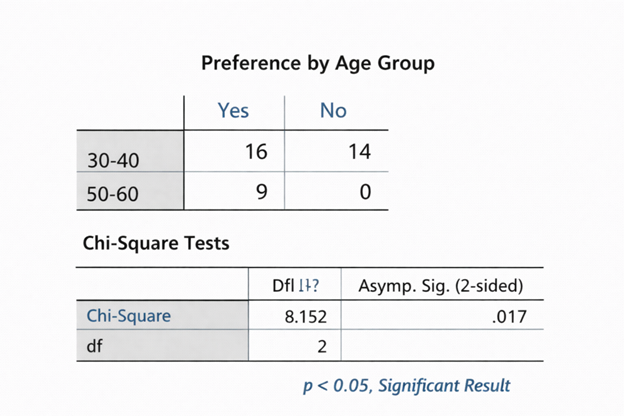
Statistical Interpretation services
-
- Sample Size Calculation Services
-
Sample Size Calculation Services
- Sample Work
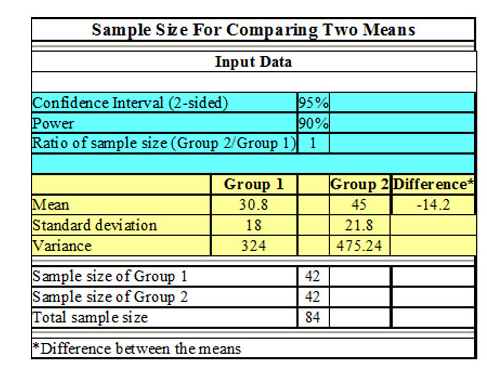
Sample Size Calculation Services
-
- AI & ML Services
-
Artificial Intelligence and Machine Learning Services
- Sample Work
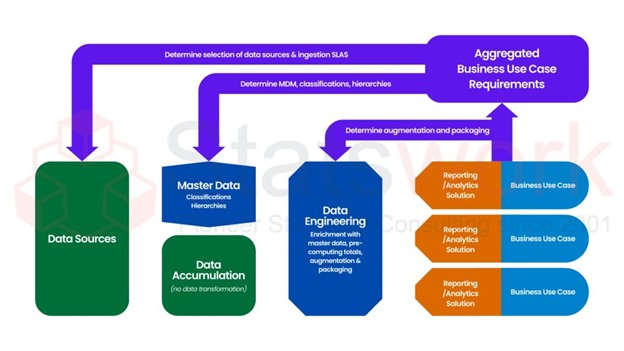
Artificial Intelligence and Machine Learning Services
-
- Meaningful Visualization Services
- Thought Leadership Services
- Report Generation Services
-
Report generation Service
- Sample Work
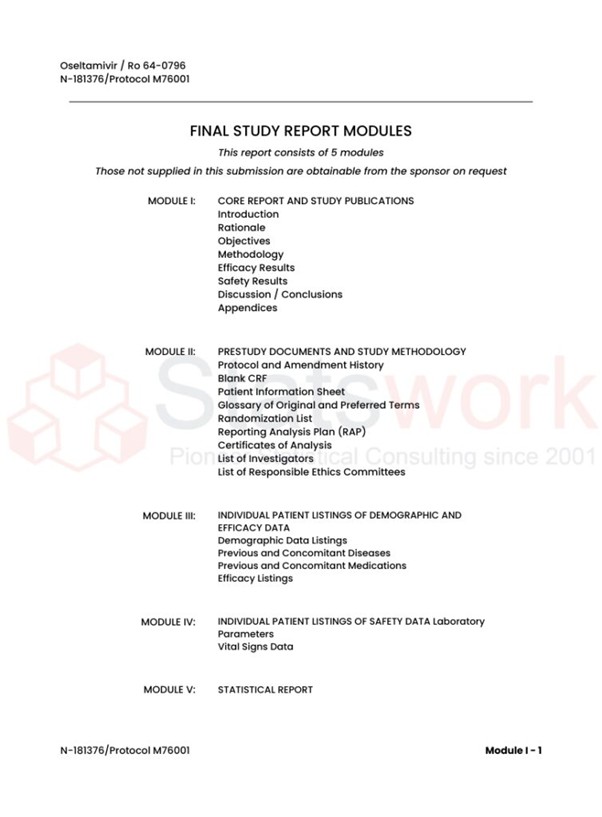
Report generation Services
-
- Data Analysis services
- Industries
- About Us
- Blog
- Insights
- Contact Us
- Services
- Data Analysis services
- Sample Work
Data Analysis services
- Secondary Qualitative Research Services
- Secondary Quantitative Research Services
- Meta-Analysis Research services
- Sample Work
Meta-Analysis Research Services
- Data Collection Services
- Sample Work
Data Collection Services
- Statistical & Biostatistics services
- Sample Work
Statistical Programming & Biostatistics services
- Data Management Services
- Sample Work
Data Management Services
- Research methodology services
- Sample Work
Research methodology services
- Tool Development Services
- Sample Work
Tool development services
- Statistical Interpretation services
-
Statistical Interpretation services
- Sample Work
Statistical Interpretation services
-
- Sample Size Calculation Services
-
Sample Size Calculation Services
- Sample Work
Sample Size Calculation Services
-
- AI & ML Services
-
Artificial Intelligence and Machine Learning Services
- Sample Work
Artificial Intelligence and Machine Learning Services
-
- Meaningful Visualization Services
- Thought Leadership Services
- Report Generation Services
-
Report generation Service
- Sample Work
Report generation Services
-
- Data Analysis services
- Industries
- About Us
- Blog
- Insights
- Contact Us
Strategies for Effective Bioinformatics Experiment Design and Data Analysis
Qualitative Research Service
News & Trends
Recommended Reads
Contact us
Summary:
The following piece provides a guide to effective ways of conducting bioinformatics experiments and analysing biological data. The following includes tips on how to properly conduct experiments based on good experiment design fundamentals, an overview of the process that includes setting objectives, performing experiments, validation and much more. Furthermore, it details how multi-omics integration, quality control and computation helps in obtaining accurate data in NGS/sequencing, RNA-Seq, ChIP-Seq, and ATAC-Seq experiments.
Introduction
Data generated by modern-life science research comes in the huge amounts of biological information – from genomics to proteomics and beyond. The ability to turn these amounts of raw information into reliable scientific conclusions completely relies on the design of an experiment which the bioinformatics data analysis is based upon. The lack of proper experiment design will inevitably make any computational techniques fail in coping with this challenge [1]. The present paper provides information on the background and workflow behind bioinformatics data analysis.
Foundations of Effective Bioinformatics Experiment Design
A solid foundation differentiates reproducibility from studies that cannot be verified and replicated. It’s imperative to establish certain basic aspects prior to any computational analysis:
| Foundation | Importance |
|---|---|
| Research objectives well defined |
Defined biological questions and hypotheses ensure the entire study is goal oriented. |
| Selection of right data types |
Appropriate choice of data types (genomics, transcriptomics, proteomics or multi-omics) based on the goals of the study [3]. |
| Reproducibility and validation |
Experimental designs that facilitate consistency and verification of the results. |
| Scaling of study | Study design taking into consideration the increasing complexity of data. |
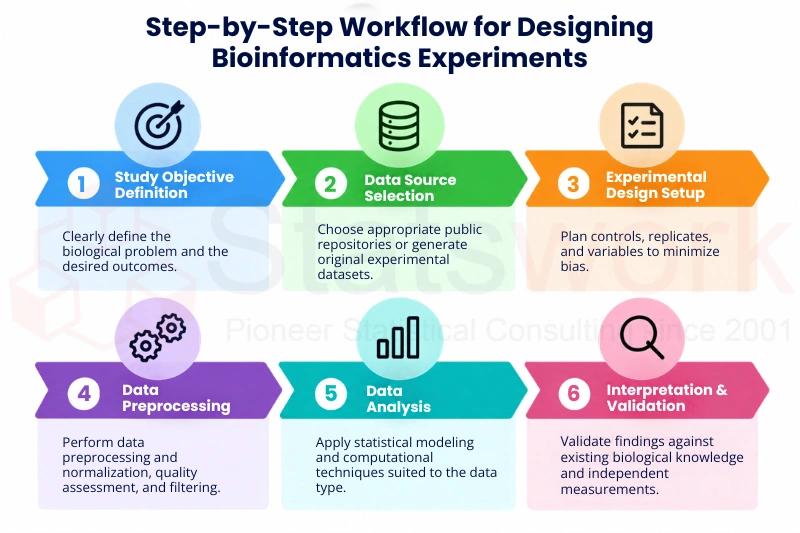
Strategies for Reliable, Large-Scale Analysis
Management of big data in biology, for instance RNA-Seq, ChIP-Seq, and ATAC-Seq data, requires the implementation of structured approaches as opposed to scripting ad-hoc analyses:
- Conduct proper pre-processing — Perform cleansing, filtering, and normalization of the data sets through robust quality control systems to minimize any technical noise [1] [3].
- Have clear goals — Make sure that every step in the process is geared toward answering the main biological question.
- Use proper statistical modelling — Use proper models to separate out the biological signals from noise which will be particularly important for GWAS and pharmacogenomic analyses.
- Built with scalability in mind — Use efficient algorithms and automation of processes to accommodate large data sets with high speed.
- Utilize biological knowledge — Combine computational outcomes with biological knowledge within the field of computational biology.
This is particularly important for biomarker discovery and multi-omics studies where the use of whole-exome sequencing and data sets from multiple platforms is involved.
Best Practices for Professional Bioinformatics Data Analysis
It is the consistent application of the best practices throughout the entire process cycle that ensures credibility and reusability of the results obtained:
- Include appropriate controls and biological replicates in all experiments.
- Document everything and use the workflow versions control.
- Conduct independent verification of the results before making any decisions based on them [2].
These best practices increase reliability in precision medicine data analysis and drug discovery bioinformatics, when downstream decisions are made based on the results.
Conclusion
Alignment between experimental design and statistical analysis is what makes raw biological data transform into scientific knowledge. The appropriate design of an easily scaled bioinformatics experiment together with strict quality control and statistical modelling creates the basis for valid results. With bioinformatics becoming a key element of life sciences research, spending resources on proper experiment design and adequate support during the statistical analysis has become a necessity, not a choice.
Struggling With Complex Omics Data or Experiment Design?
Whether you’re running an NGS/sequencing study, a multi-omics integration project, or need reliable support as a pharma, biotech, or CRO team, our bioinformatics experts can design your experiment and deliver accurate, defensible analysis.
Request a free consultation today and simplify your bioinformatics workflow.
Frequently Asked Questions (FAQs)
Data analysis in bioinformatics involves processing and interpreting biological data, such as genomic, transcriptomic, and proteomic datasets, to identify meaningful biological patterns and insights.
The seven stages of data analysis generally include defining the objective, collecting data, preprocessing the data, exploring the data, analyzing it using appropriate statistical methods, interpreting the results, and validating the findings.
Common data analysis techniques in experimental research include descriptive statistics, hypothesis testing, regression analysis, ANOVA, statistical modelling, and computational analysis, depending on the study design and data type.
Good bioinformatics project ideas include NGS data analysis, RNA-Seq analysis, biomarker discovery, genomic variant analysis, multi-omics integration, and computational drug discovery.
Interesting bioinformatics presentation topics include AI in bioinformatics, multi-omics data analysis, NGS technologies, precision medicine, biomarker discovery, and bioinformatics applications in drug discovery.
Reference
- Zhang, S., Liu, K., Liu, Y., Hu, X., & Gu, X. (2025). The role and application of bioinformatics techniques and tools in drug discovery. Frontiers in Pharmacology, 16, 1547131.https://www.frontiersin.org/
- Nesari, A. M., MotieGhader, H., & Ghorbian, S. (2026). Advances and challenges in single-cell RNA sequencing data analysis: a comprehensive review. Briefings in bioinformatics, 27(1), bbaf723.https://academic.oup.com/bib
- Wolde, T., Bhardwaj, V., & Pandey, V. (2025). Current bioinformatics tools in precision oncology. MedComm, 6(7), e70243.https://onlinelibrary.wiley.com