
What is Web Data Collection?
- Home
- Insights
- Article
- What is Web Data Collection?
Qualitative Research Service
News & Trends
Recommended Reads
Data Collection
As the data collection methods have extreme influence over the validity of the research outcomes, it is considered as the crucial aspect of the studies
- 1. Introduction
- 2. DeepHealth’s Diagnostic Suite™: Revolutionizing Radiology Workflows
- 3. Key Features
- 4. AI Impact on National Screening Programs
- 5. SmartMammo™: Enhancing Breast Cancer Screening
- 6. DeepHealth AI Use Cases Across Specialties
- 7. Strategic Collaborations and Ecosystem Expansion
- 8. Impact and Adoption of DeepHealth’s AI Solutions
- 9. Conclusion: The Future of Radiology with AI
- 10. References
Online data collection is a method through which information is gathered to understand user behavior, market research, and overall results, which are then analyzed digitally. In these operations, web data collection is an important aspect where data is gathered from various Internet sources, like surveys, through various software-based tools. Proper management, ethics, and efficient usage are prime factors for positive results.[1]
Techniques for Gathering Online Data
Various methods of web data collection techniques enable organizations to access relevant information depending on their requirements. These methods ensure the organizations save time while utilizing accurate information.
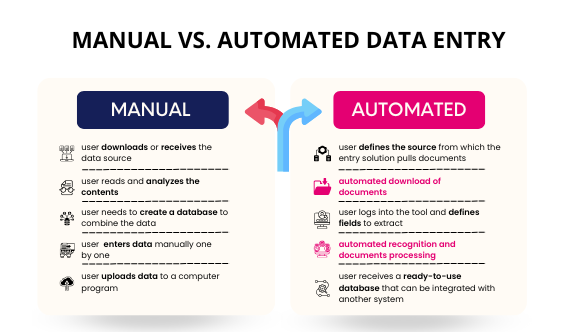
- Manual collection: It entails a process whereby one visits certain websites and writes the information by hand.
- Automated web data collection: Uses software and/or scripts to extract large volumes of data, minimizing human error.
- Web scraping and data extraction: Advanced web data collection tools use their ability to parse web pages, fetch data, and present information in a structured form, e.g., CSV, JSON, or Excel.[2]
Types of Data That Can Be Collected from Websites
Understanding the different kinds of data available online helps to identify the scope and tools required to collect the data. The following table shows some of the major kinds of data available on the internet:
Data Type | Description & Common Use |
Product & Pricing Data | Details about products, pricing, and offers. Useful in conducting a competitive market analysis. |
Customer Reviews & Feedback | Opinions, ratings, and comments on products or services. This is helpful in sentiment analysis. |
Social Media Activity | Posts, Shares, Likes, Trends – useful for brand research and trend identification. |
Contact Information | Emails, phone numbers, addresses. Assists in lead generation and outreach campaigns. |
Market & Industry Data | Reports, statistics, and news articles. For research and planning.[3] |

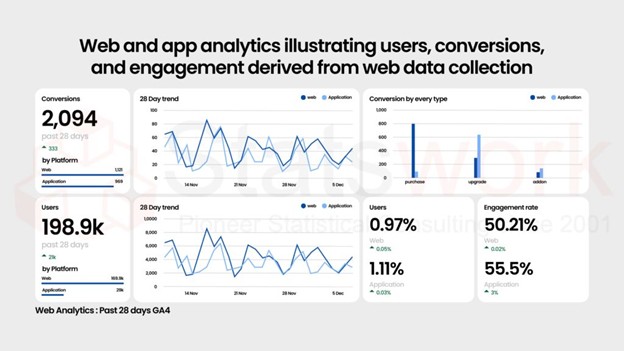
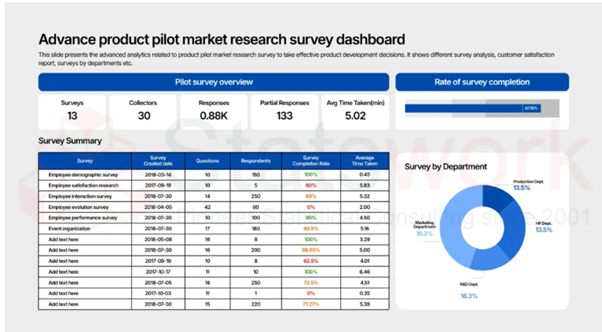
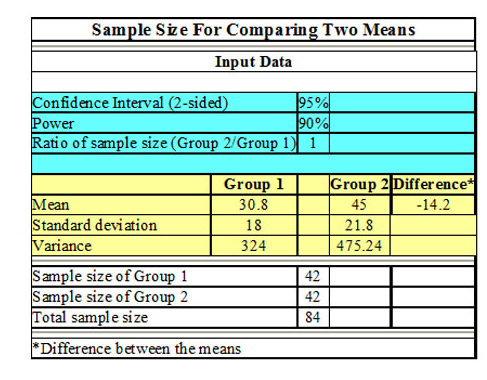
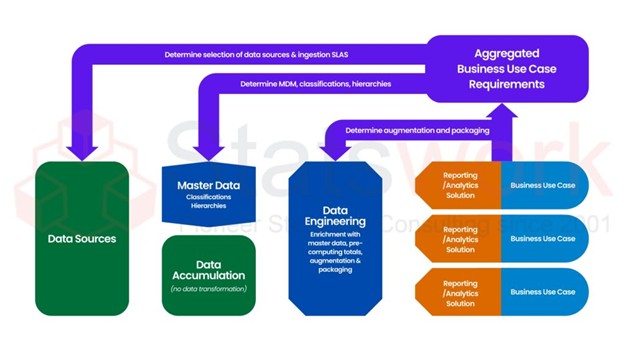
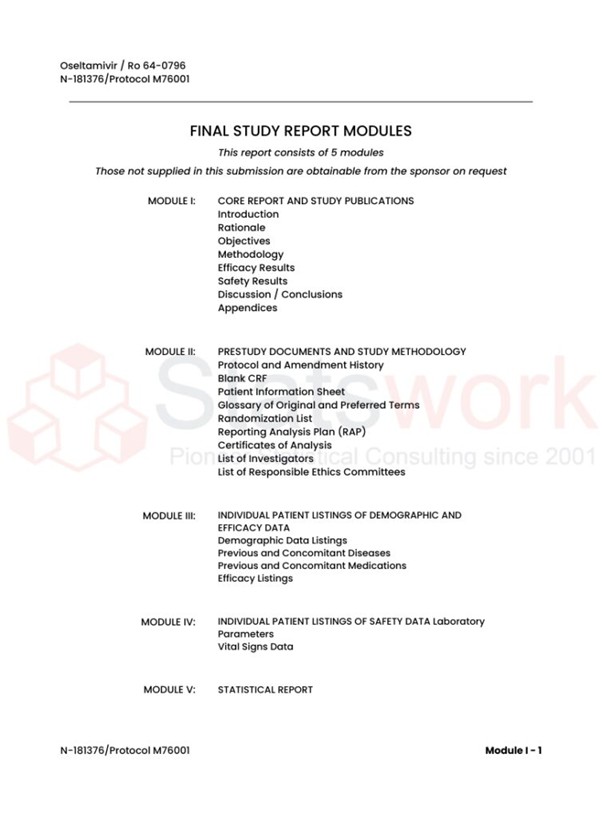
Fig 1 shows web and app analytics illustrating users, conversions, and engagement derived from web data collection.
Ensuring Data Quality and Consistency
High-quality data is pertinent and significant. Good procedures help generate precise and relevant data.
- Validation checks: Identify inconsistencies and/or errors or missing entries to ensure accuracy.
- Regular updates: Ensure the data sets are up to date to reflect the changes online for better insights.
- Standardization: Convert data from different sources into standard formats for analytical ease.
- Duplicate removal: Remove duplicate rows, as needed.
- Consistency monitoring: Periodically checking data quality, particularly for automated data collection systems.
These practices facilitate making data collection from websites dependable and useful for making decisions.[4]
Responsible and Ethical Practices
Ethical practices for collecting web data ensure the safety of the firm as well as those whose web data is collected.
- Respect website policies: Respect website policies: Never breach the terms of service or copyright.
- Minimize server load: Minimize server load: Automated scripts must not overload websites.
- Protect privacy: Protect the privacy of users. This involves the proper handling of user information to conform to data protection regulations.[5]
In conclusion, effective web data collection transforms a whole sea of online information into actionable insights. This, when done with the proper techniques, tools, and ethical web data collection practices, will ensure that organizations make data-driven decisions, enhance their efficiency, and gain a competitive advantage.
Unlock actionable insights effortlessly – let StatsWork handle your web data collection with precision and speed!
Reference
- Bar-Ilan, J. (2001). Data collection methods on the Web for infometric purposes—A review and analysis. Scientometrics, 50(1), 7-32. https://akjournals.com/view/journals/11192/50/1/article-p7.xml
- Hewson, C. (2007). Gathering data on the Internet. The Oxford handbook of Internet psychology, 406-428. https://books.google.com/books?hl=en&lr=&id=BcAdAAAAQBAJ&oi=fnd&pg=PA405&dq=web+data+collection+-+Techniques+for+Gathering+Online+Data&ots=xvwiZNKrJ9&sig=9Mzk05-z0CmgrZsOZ2zkQwL73FQ
- Tang, J. H., & Lin, Y. J. (2017). Websites, data types and information privacy concerns: A contingency model. Telematics and Informatics, 34(7), 1274-1284. https://www.sciencedirect.com/science/article/pii/S073658531630569X
- Fan, W., GEERTS, F., & Jia, X. (2007). Improving data quality: Consistency and accuracy. ACM. https://documentserver.uhasselt.be/handle/1942/7912
- Andrews, J., Zhao, D., Thong, W., Modas, A., Papakyriakopoulos, O., & Xiang, A. (2023). Ethical considerations for responsible data curation. Advances in Neural Information Processing Systems, 36, 55320-55360. https://proceedings.neurips.cc/paper_files/paper/2023/hash/