Requirement Elicitation and Engagement Services | AI & ML

Requirement Elicitation and Engagement Services

Helping You Define Clear, Actionable Software and Business Requirements

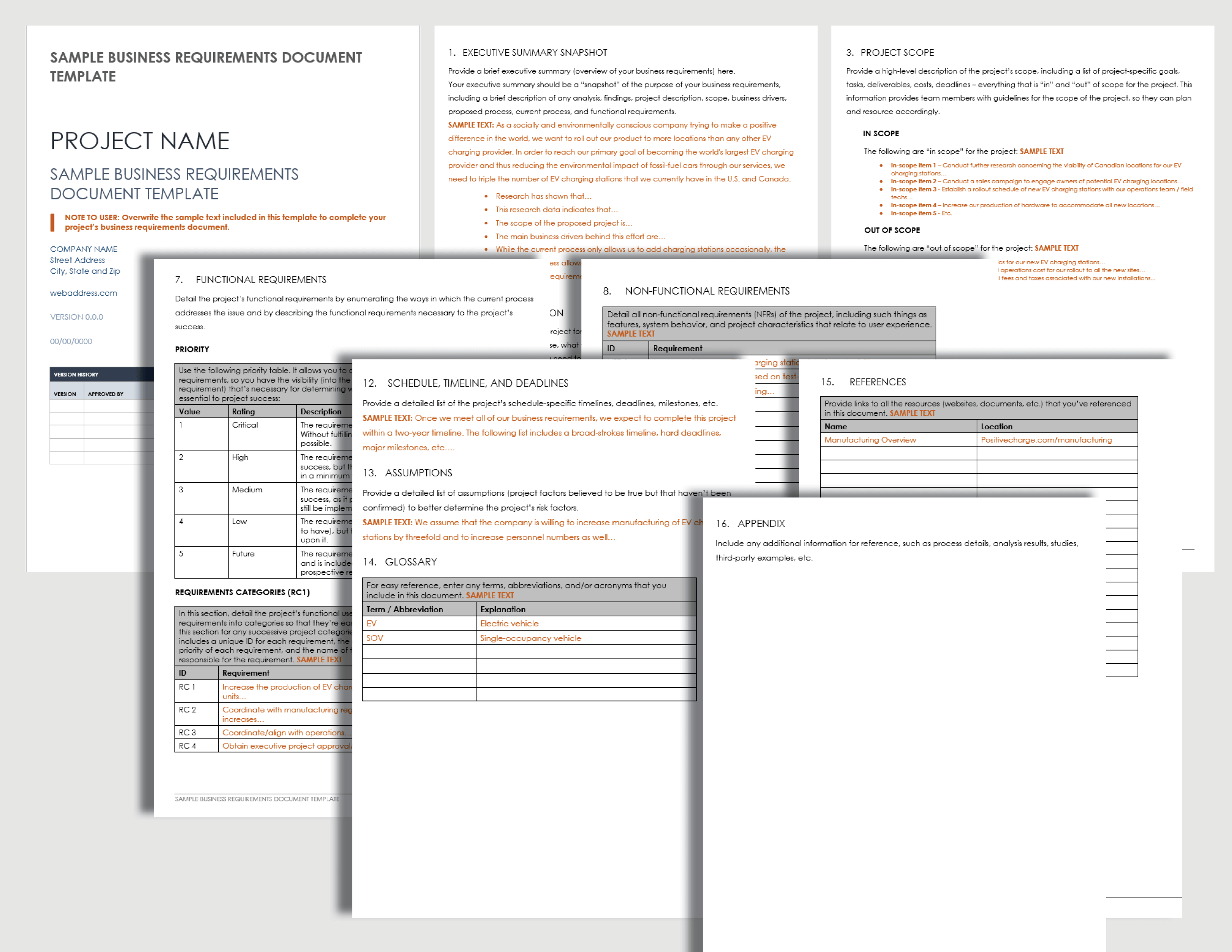
Successful software development starts with clearly defined requirements. We at Statswork are experts in capturing and transforming business requirements into a software specification. Our business requirement elicitation products help your project start with a mutual understanding between stakeholders, developers and analysts, which reduces rework, cost, and time.

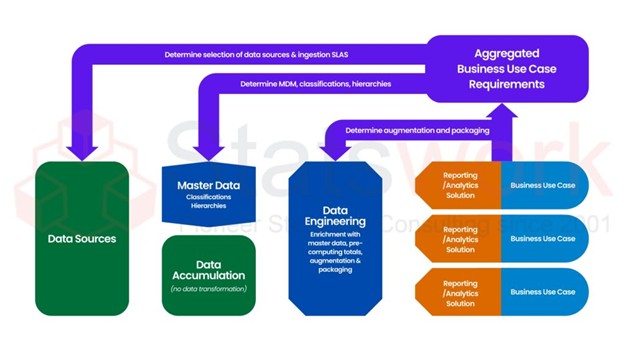
The process of creating a Business Requirements Elicitation (BRE) document requires a variety of domain knowledge and functional analysis and technical knowledge. It requires an understanding of business workflows, application features and sometimes, even code level analysis. Our seasoned teams of requirement consultants make sure all stakeholder sessions are purposeful, well-organized, and produce clear and actionable documentation. 

We follow industry best practices in business analysis and software engineering to limit the amount of ambiguity and shorten the development timeline. We know that subject matter experts (SMEs) with all of these capabilities are hard to find. That is why our model focuses on collaborative teamwork—bringing together business analysts, solution architects, and technical consultants to provide accurate, complete, and usable requirements artifacts.

Statswork has provided requirements elicitation and management services on projects such as:

  • Custom application development
  • Complex systems integration
  • Legacy modernization
  • Data warehouse implementations
How We Help Clients

Successful software development hinges on a solid foundation of well-defined requirements. Our services include:

Business requirements definition

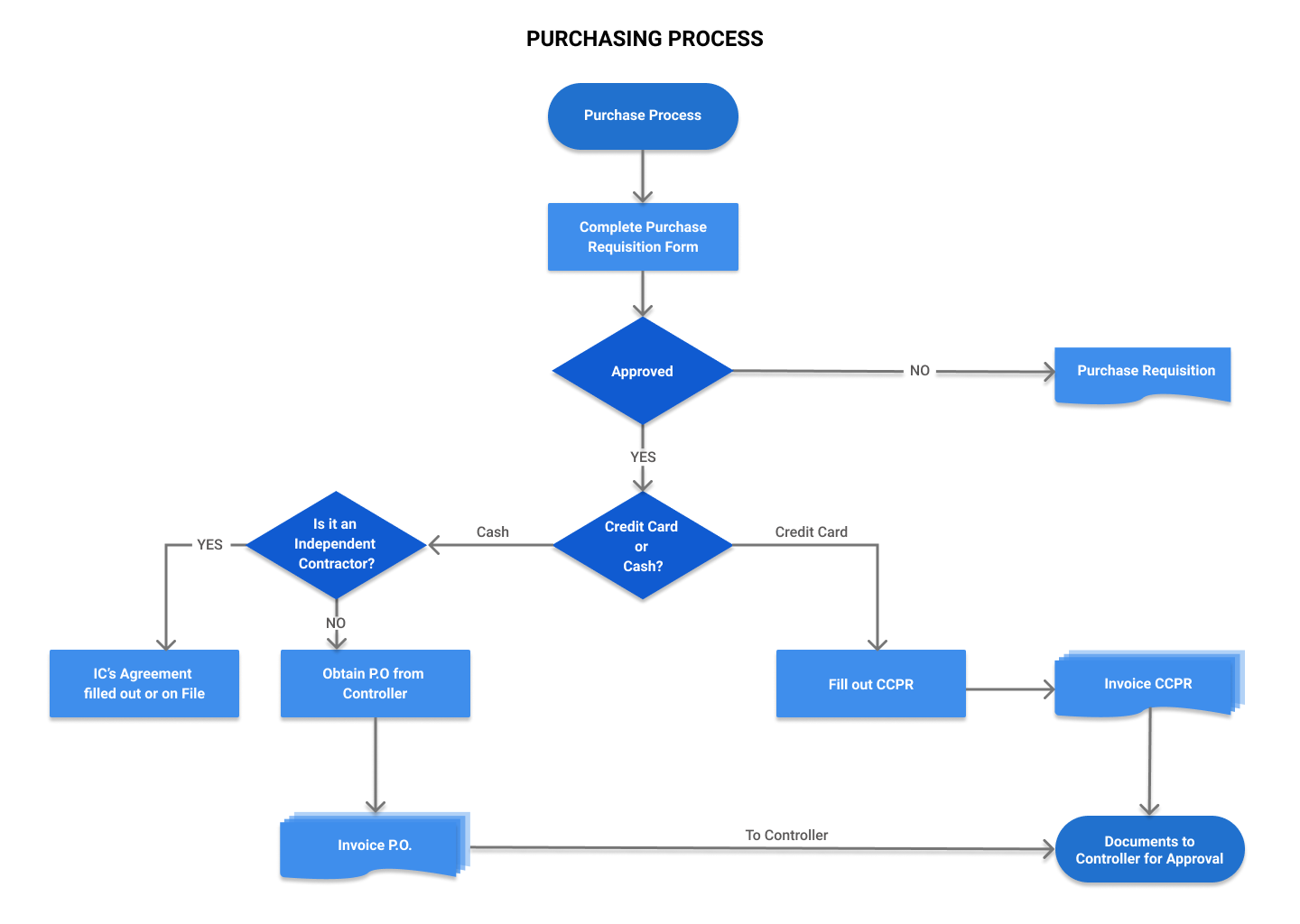
Business process modeling

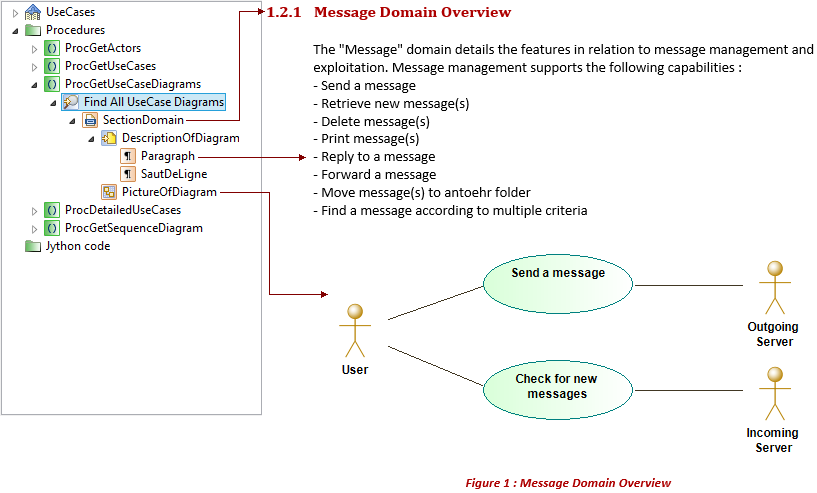
Use case specification

Detailed software requirements documentation

Data warehouse requirements analysis

Impact analysis reports

Process flow diagrams

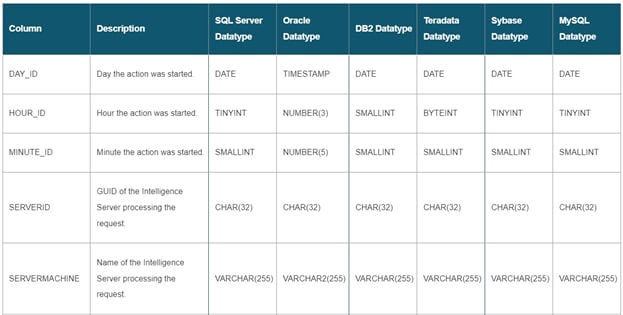
Data dictionaries

Business rules extraction

Why Requirements Elicitation Matters to Your Business
Customer-Sentiment-Analysis-for-Product-Development

Developing a clear set of requirements promotes good communication across teams and allows for quality checks earlier in the development cycle. That will greatly reduce the costly rework necessary and possibly avoid needless delays to the project.

Improve developer alignment

Teams with the same goals, clear roadmaps, and visibility into documentation can be working together as teams to provide greater developer productivity, improved decision making, and a consistent process.

Reports-and-Visualization

Enable faster time-to-market

Utilize the latest agile practices, automation, and continuous integration/continuous delivery (CI/CD) practices to drive productive workflows. Faster cycle times will allow the business to respond quickly to customers’ needs and stay ahead of the competition.

Advanced-Analytics-and-Machine-Learning

Think about compliance requirements throughout the development lifecycle. The teams will ultimately have built-in governance, audit trails, and compliance standards and with compliance legislation and industry standards followed up chaos and surprises avoided.

Engagement Moel and Customization

We offer flexible engagement models, from one-time requirement workshops to full-scale, ongoing requirements management for complex initiatives.

Fixed-Scope Workshop
Model

Ideal for: Minor projects or early phase planning

What you get:

  • A focused time boxed workshop (1-3 day or sessions=)
  • Output will be: high-level requirements, preliminary use cases, process maps
  • Suitable for feasibility studies, RFPs, or MVP scoping

Low cost, quick turnaround, strategic planning

Time & Materials (T&M)
Model

Ideal for: Iterative or exploratory progress

What you get:

  • Pay-as-you-go flexibility
  • When the scope is uncertain or likely to change
  • Statswork will provide business analysts or requirements consultants based on your requirements

Best for Agile environments or projects with variable scope

Retainer-Based
Model

Ideal for: A continuingly unfolding product development, or enterprise level program

What you get:

  • An ongoing commitment for the requirements team on a monthly or quarterly basis in exchange for a retainer
  • Support that that is consistently elicited, analysed and documented
  • The capacity to ramp up, or ramp down escalated needs

A cost-efficient model for ongoing availability and updating systems as they are evolving

End-to-End Requirements Management Model

Best for: Large and/or complex, or regulated, projects

What it gives you:

  • Engagement in the full lifecycle of requirements management from discovery to validation, approval and traceability
  • Everything in a project including workshops, modelling, documentation, stakeholder reviews and change control
  • Can be delivered as part of the end-to-end process together with your dev or product teams

Complete assurance provided, and adherence to strict quality control and compliance

Tools and Techniques

We use industry standard tools and modelling techniques to help ensure clear, consistent, and reusable requirements artifacts

Holistic-Market-Research-and-Insights

BPMN for process modeling

Customer-Sentiment-Analysis-for-Product-Development

Use case diagrams (UML)

Video data collection

JIRA, Confluence, or DOORS for documentation

Video data collection

JIRA, Confluence, or DOORS for documentation

Key Deliverables You Receive

We use industry standard tools and modelling techniques to help ensure clear, consistent, and reusable requirements artifacts

Business Requirements Document (BRD)

Software Requirements Specification (SRS)

Use Case Catalogue

Process Flow Diagrams

Data Dictionary

Traceability Matrix

Industries We Serve

Our Requirements Elicitation and Engagement Services are industry cognizant and context specific. Each industries presents its own situations, challenges, regulatory frameworks and stakeholder interests. We adapt and apply purposes and previously proven elicitation frameworks suited to your industry – assuring clarity, compliance and actionable outputs at the outset.

healthcare in data annotation & Labeling

Healthcare & Life Sciences

We identify and document precise functional and compliance-driven requirements specific to healthcare systems, clinical research platforms, and digital health tools. 

Data Annotation Services

E-Learning & Education

We join forces with universities and edtech companies to define scalable, learner-centric platforms that promote digital pedagogy.

Video dataset collection for Retail

Retail & E-commerce

We assist retailers and platforms in defining omnichannel functionality, backend processes, and the best possible customer journey.

Enabling-and-Integrating-SAP-features-for-Medical-device-manufacturers-min

Banking, Financial Services & Insurance (BFSI)

We collect structured, audit-ready requirements directed to regulatory compliance, risk mitigation, and digital transformation.

Tech & SaaS

We work with agile product teams on requirements definition and refinement for scalable and market-ready digital products and platforms to mitigate development risk and speed time-to-market.

Government & Public Sector

We work with agile product teams on requirements definition and refinement for scalable and market-ready digital products and platforms to mitigate development risk and speed time-to-market.

Our Process

At Statswork, we utilize a structured and safe method for requirements elicitation that emphasizes collaboration, accuracy, and clarity that is aligned with your objectives of your business. This requirements elicitation process from Statswork is designed to usher your stakeholders from initial scoping through to final validation.

GR data preparation guildelines creation production ff

Stage 1: Project/Product Scoping

We start by determining the project or product limits with help from key stakeholders. This is critical for understanding and agreeing the base business needs:

  • We encourage dialogue to define what your business truly requires,
  • we assist in articulating high level use cases because one application can have multiple capabilities and user flows,
  • we dissect the business process into inputs, outputs, sub-processes and decision flows and map the steps in sequence and interactions, building a picture of the overall process.

Stage 2: Requirements Discovery Session

At this stage we work collaboratively with stakeholders to examine in detail how their functional and technical requirements will be fulfilled.

  • Requirements are documented with metadata and structure annotations.
  • Our team begins articulating the system architecture and conceptual design based on the specifications.
  • We assist in defining the teams, resource allocations, and the structure for what is involved each day of operation during the development phase.

Stage 3: Review, Analysis, and Documentation

We will review the obtained requirements for completeness, correctness, and alignment with other requirements or constraints.

  • This will include the creation of business rules, regulatory and certification constraints, and market-driven requirements.
  • We will also describe the methods and standards used to develop the software.
  • Documentation adheres to industry standards and best practices to ensure comprehensibility and usability for the long term.

Stage 4: Review and Validation

The last milestone involves certification of stakeholder validation confirming that the requirements accurately represent business priorities and needs.

  • We will facilitate a detailed review session with the business units, as well as the technical stakeholder too.
  • All of the requirements are final, validated, and prioritized for development teams.
  • This will gain a level of consensus among stakeholders and limit scope creep or reworking later in the project lifecycle.

Stage 5: Requirements Traceability and Change Control

We create traceability matrices and create processes to track requirements throughout the lifecycle and develop a process for managing changes. In doing so we keep everything transparent and under control as business requirements change.

Success Stories
Who we are

Statswork is a group of data scientists, domain experts, and annotation specialists who produce high-quality data annotation and labelling services which drive AI and machine learning initiatives in numerous sectors.

We have a strong background in clinical research, life sciences, healthcare, and advanced analytics, which allows us to be compliant, precise, and scalable on every project we touch. We take all the necessary measures to ensure quality and domain accuracy, which is why organizations of all types choose us as their data preparation service when they are looking for accurately labelled, ethically prepared data.

Featured Insights
Frequently Asked Question

Requirement elicitation is the process of uncovering, understanding, and clarifying the needs and expectations of the stakeholders who will use or interface with a new or evolving system. It is important because not understanding or misalignment in requirements leads to delays in the schedule, cost overruns, and eventual product failure. Following a thorough elicitation approach will clarify the requirements, minimize scope creep, help lay the grounds for design and development, and lead to successful testing.

We use a formal process (e.g. stakeholder interviews, workshops, focus groups, surveys, document analysis), and create user stories and use cases to verify and help describe the requirements. Our processes also promote traceability and continued engagement with all stakeholders, which minimizes the potential for missed or mis-understood requirements.

Any industry engaged in a digital transformation or systems modernization project can take advantage of the benefits of implementing an MQ (Minimum Viable Product). This includes healthcare, financial services, government, education, retail, manufacturing, and SaaS, to name a few. Such sectors typically work in regulated or complex environments and create requirements that are more clearly defined, which can be useful in adhering to compliance and being successful.

We enable alignment through prioritization frameworks (e.g. MoSCoW or the Kano Model), structured conversations, and impact assessments. We act as the intermediary to ensure that business value is articulated and also that the final set of requirements is aligned with the organization strategy, while managing the needs of each stakeholder.

We utilize a number of industry-standard tools like JIRA, Confluence, MS Visio, Lucidchart, and modeling methodologies like BPMN and UML. We follow user story mapping and backlog grooming processes in agile-based environments and follow IEEE and BABOK methods for traditional-based approaches.

We make use of ongoing validation checkpoints, change-management processes, and traceability matrices so evolving requirements get captured without creating friction or interruptions in the project activities. Since our approach is iterative, we can update requirements documentation, and keep track of associated versions, and support the change with stakeholder acceptance.